Key Takeaways
- Discover regional monsoon recipes across India.
- Learn about the ingredients and cooking techniques.
- Experience the cultural significance of each dish.
- Get practical tips for cooking and enjoying these meals.
As the monsoon season sweeps across India, it brings with it a refreshing change in weather and a unique opportunity to indulge in the rich culinary heritage of the country. The rains not only provide relief from the sweltering heat but also inspire a variety of seasonal recipes that are cherished by locals. This article explores the diverse regional cuisines of India, highlighting the delightful dishes that one can savor during the monsoon.
From the crispy pakoras of the north to the spicy coconut curries of the south, the monsoon season is synonymous with comfort food that warms the heart and soul. Each region boasts its own specialties that reflect local ingredients and cooking traditions, making it an exciting time for travelers to experience authentic flavors. Whether you are a food enthusiast or simply enjoy trying new recipes, this guide will help you navigate the culinary landscape of India during the monsoon.
In the following sections, we will delve into various regional recipes, their ingredients, and how to prepare them. Whether you are planning to cook at home or seeking local eateries during your travels, these seasonal recipes will surely enhance your monsoon experience.
North India: Comfort Food for the Rainy Days
North India experiences heavy rainfall during the monsoon, leading to the popularity of fried snacks and spicy curries. Here are some must-try dishes:
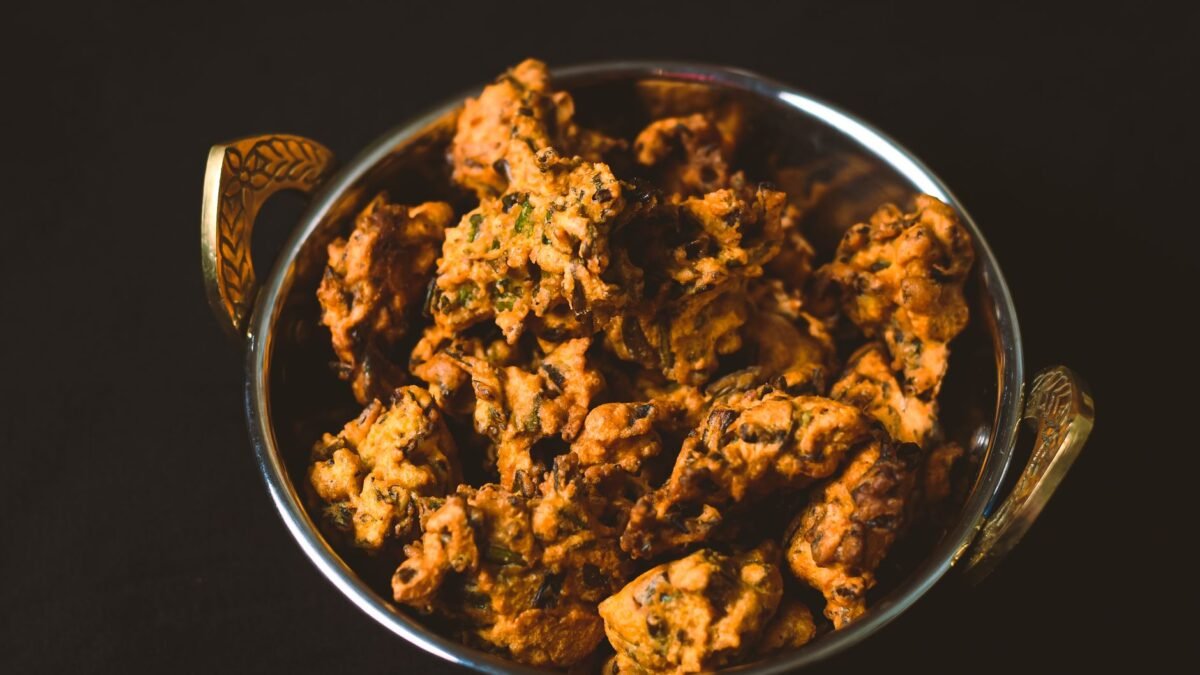
- Pakoras: These crispy fritters are made from various vegetables such as potatoes, onions, and spinach, dipped in chickpea flour batter and deep-fried. They are best enjoyed with mint chutney.
- Chole Bhature: A classic combination of spicy chickpeas served with deep-fried bread, this dish is a favorite among locals. The richness of the curry pairs perfectly with the fluffy bhature.
- Gajar ka Halwa: A sweet dish made from grated carrots cooked in milk and flavored with cardamom and nuts, gajar ka halwa is a comforting dessert that matches the cozy monsoon vibe.
Cooking and Serving Tips
When preparing these dishes, consider the following tips:
- Use fresh, local vegetables for the pakoras to enhance flavor.
- Pair chole bhature with a side of pickles and yogurt for a complete meal.
- For gajar ka halwa, slow-cooking is key to allowing the flavors to meld beautifully.
Western India: A Fusion of Flavors
In the western states like Maharashtra and Gujarat, monsoon recipes often incorporate unique ingredients that reflect the region’s culinary diversity. Here are some highlights:
- Vada Pav: This iconic Mumbai street food consists of a spicy potato filling encased in a bun, served with chutney and fried green chilies. It’s a perfect snack for rainy days.
- Dhokla: A steamed savory cake made from fermented chickpea batter, dhokla is light and fluffy, making it a great snack option during the monsoon.
- Puran Poli: A sweet flatbread stuffed with a mixture of jaggery and split yellow gram, puran poli is often enjoyed with ghee and is a festive favorite.
Ingredient Insights
Understanding the key ingredients used in these dishes can enhance your cooking experience:
- For vada pav, use fresh green chilies and coriander for an aromatic touch.
- Dhokla can be garnished with mustard seeds and green chilies for added flavor.
- When making puran poli, ensure the jaggery is of good quality for the best sweetness.
Southern India: Spicy and Coconut-rich Dishes
The southern states of India embrace a culinary style that often features coconut and spices, making for flavorful monsoon meals. Some key dishes include:
- Adai: A thick pancake made from a mix of rice and lentils, adai is often served with chutney and is a nutritious option for breakfast or a light meal.
- Vegetable Kurma: Made with a variety of vegetables and a rich coconut-based gravy, kurma is a comforting dish that pairs well with rice or roti.
- Masala Dosa: A fermented crepe made from rice and lentils, filled with spiced potatoes, masala dosa is a beloved breakfast dish that is crispy and satisfying.
Cooking Techniques
Here are some cooking techniques to keep in mind when preparing southern Indian dishes:
- Fermenting the batter for adai enhances its flavor and texture.
- For kurma, use fresh coconut and grind it to a smooth paste for richness.
- Mastering the art of making dosa involves using the right cooking temperature and oil.
Eastern India: Sweet and Savory Delights
Eastern India, particularly West Bengal and Odisha, is known for its unique flavors and sweet dishes that are perfect for the monsoon. Key dishes include:
- Sandesh: A delicate sweet made from fresh paneer, sandesh is often flavored with cardamom or saffron, making it a delightful treat.
- Shorshe Ilish: Hilsa fish cooked in mustard sauce is a monsoon delicacy in Bengal, celebrated for its rich and tangy flavors.
- Chhena Poda: A baked cheese dessert flavored with cardamom, chhena poda is a creamy and satisfying sweet often enjoyed during the rains.
Flavor Profiles
Understanding the flavor profiles of these dishes is essential:
- Sandesh can be enhanced with various toppings like pistachios or grated coconut.
- Shorshe ilish is best enjoyed with steamed rice to balance the mustard’s pungency.
- Chhena poda benefits from slow baking to achieve a caramelized crust.

Practical Tips for Enjoying Monsoon Recipes
Travelers looking to try these seasonal recipes can take advantage of local markets and cooking classes:
- Local Markets: Visit local markets during your travels to discover fresh, seasonal ingredients. Engage with local vendors for tips on how to select the best produce.
- Cooking Classes: Consider taking a cooking class to learn how to prepare regional dishes. Many cities offer workshops that cater to tourists.
- Street Food Tours: Join guided street food tours to sample authentic monsoon snacks and learn about their cultural significance from local guides.
Monsoon Beverages: Quenching Thirst with Regional Drinks
The monsoon season in India is not just about food; it also brings a variety of beverages that complement the rainy weather. From spicy teas to refreshing coolers, these drinks are an essential part of the monsoon experience.
Masala Chai: A Spiced Tradition
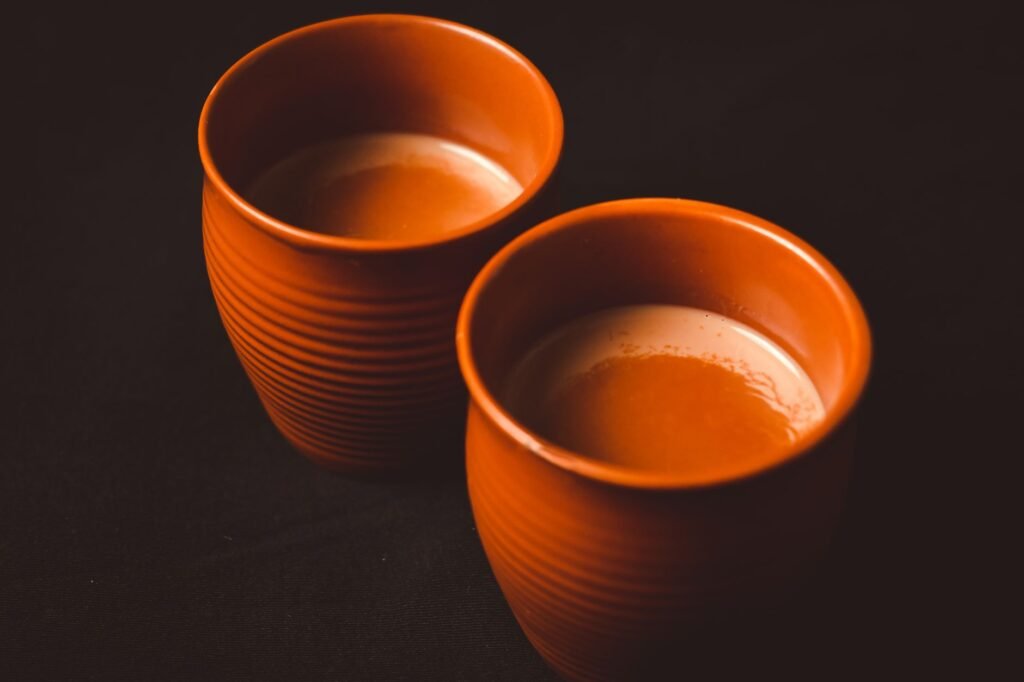
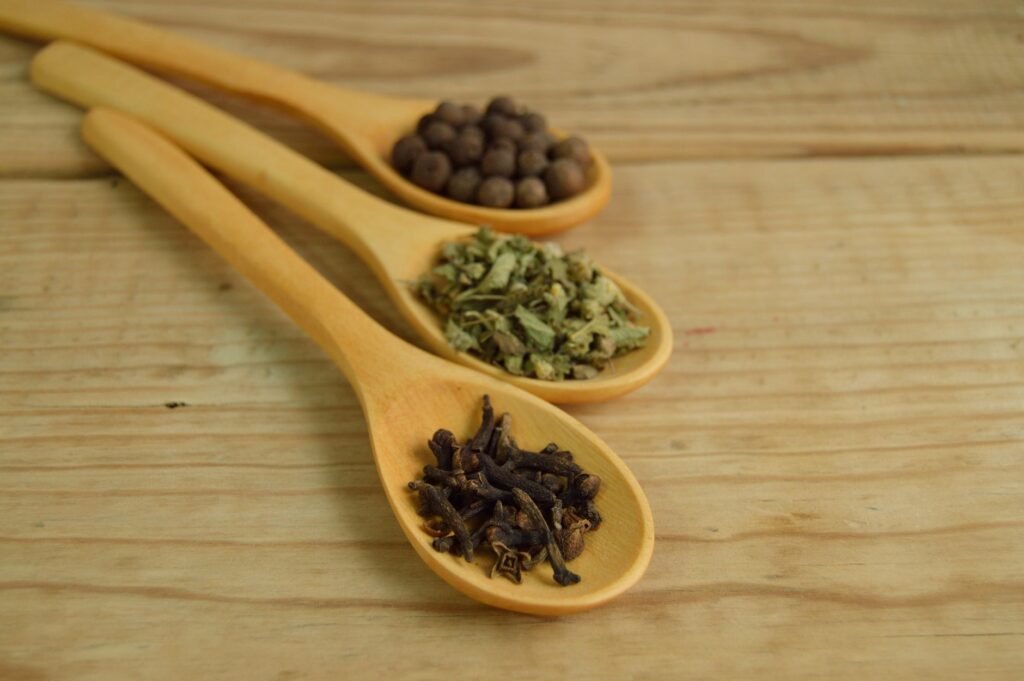
Masala chai is a beloved beverage across India, especially during the monsoon. This spiced tea combines black tea with a mixture of aromatic spices such as ginger, cardamom, and cloves. Preparing masala chai at home is simple and satisfying. Here’s a basic recipe:
- 1 cup water
- 1 cup milk (or milk alternative)
- 2 teaspoons black tea leaves (or 1 tea bag)
- 1-inch piece of ginger (grated)
- 2-3 green cardamom pods (crushed)
- 2 teaspoons sugar (or to taste)
To prepare, boil the water with ginger and cardamom, add tea leaves, and let it simmer for a few minutes. Then, add milk and sugar, bringing it back to a boil. Strain and serve hot, ideally with a side of crispy pakoras.
Thandai: A Refreshing Cooler
Thandai is a traditional North Indian drink that is especially popular during festivals but is equally refreshing during the monsoon. Made from a blend of nuts, spices, and milk, thandai is known for its cooling properties. Here’s how to make it:
- 10-12 almonds (soaked and peeled)
- 10-12 cashews
- 2 tablespoons poppy seeds
- 1 tablespoon fennel seeds
- 1/2 teaspoon cardamom powder
- 2 cups milk
- 2-3 tablespoons sugar (to taste)
Blend the nuts and seeds into a fine paste, then mix with milk and sugar. Chill the mixture and serve with ice cubes, garnished with a sprinkle of rose petals for added fragrance.
Kesar Pista Milk: A Luxurious Treat
Kesar pista milk is a rich and aromatic drink that combines saffron and pistachios. This beverage not only provides warmth on a cool rainy day but also serves as a nutritious option. To prepare, you will need:
- 2 cups milk
- 1/4 teaspoon saffron strands
- 2 tablespoons sugar (or to taste)
- 2 tablespoons pistachios (chopped)
Heat the milk and add saffron strands, allowing them to infuse for 10 minutes. Stir in sugar to taste, and top with chopped pistachios before serving warm or chilled.
Street Food Delights: Monsoon Snacking
Street food comes alive during the monsoon season, offering a range of snacks that are perfect for indulging while listening to the rain. These savory treats are typically spicy, crispy, and best enjoyed hot.
Pani Puri: The Ultimate Monsoon Snack
Pani puri is a popular street food that features hollow puris filled with flavored water, tamarind chutney, and a mixture of potatoes and chickpeas. The burst of flavors and textures makes it an ideal snack during the rainy season. Here’s how to prepare the filling and the flavored water:
- 1 cup boiled potatoes (mashed)
- 1/2 cup boiled chickpeas
- 1/2 teaspoon chaat masala
- Salt to taste
For the flavored water, mix:
- 1 cup tamarind pulp
- 2 cups water
- 1 tablespoon cumin powder
- 1 tablespoon black salt
- Fresh coriander leaves (for garnish)
Combine the ingredients for both the filling and the flavored water, then serve with the puris for a delicious snack experience.
Bhaji: The Perfect Pairing with Tea
Bhaji, or vegetable fritters, are a staple monsoon snack, often enjoyed with a hot cup of tea. Made from a variety of vegetables like potatoes, spinach, and onions, bhajis are coated in a spiced gram flour batter and deep-fried until crispy. To make bhaji:
- 1 cup gram flour
- 1/2 teaspoon turmeric powder
- 1 teaspoon red chili powder
- Salt to taste
- Vegetables of choice (sliced thin)
Mix the gram flour with spices and enough water to make a thick batter. Dip the vegetable slices into the batter and deep-fry until golden brown. Serve hot with green chutney or ketchup.
Chaat: A Flavor Explosion
Chaat is a diverse category of Indian street food known for its unique blend of flavors and textures. During the monsoon, several variations come to the forefront, including dahi puri and aloo chaat. Here’s a simple recipe for dahi puri:
- 10-12 puris
- 1 cup boiled potatoes (mashed)
- 1 cup yogurt (whipped)
- 1 tablespoon tamarind chutney
- Chaat masala to taste
- Coriander leaves (for garnish)
Fill each puri with mashed potatoes, top with yogurt and chutney, then sprinkle chaat masala and garnish with coriander. This dish is a wonderful combination of creamy, spicy, and tangy flavors.
Regional Monsoon Specialties: Celebrating Local Flavors
Each region of India has its own unique monsoon specialties that reflect local ingredients and culinary traditions. From coastal to mountainous areas, these dishes are a celebration of seasonal bounty.
Coastal Cuisine: Seafood Delicacies
In coastal regions, monsoon brings an abundance of fresh seafood, and dishes like Fish Curry and Prawn Balchão are favorites. For a simple fish curry, use:
- 500 grams fish (cleaned and cut)
- 1 onion (chopped)
- 2 tomatoes (pureed)
- 1 tablespoon ginger-garlic paste
- Spices: turmeric, chili powder, and garam masala
- Fresh coriander for garnish
Cook the onions until golden, add ginger-garlic paste, and sauté. Stir in tomato puree and spices, then add fish and simmer until cooked. Garnish with coriander and serve with steamed rice.
Mountain Delights: Hearty Dishes
In the hilly regions of India, hearty and warming dishes like Rajma and Chole are popular during the rains. Rajma, or kidney beans curry, requires:
- 1 cup kidney beans (soaked overnight)
- 1 onion (finely chopped)
- 2 tomatoes (pureed)
- Spices: cumin, coriander, and garam masala
- Fresh coriander for garnish
Cook the soaked kidney beans until tender, sauté onions, and add tomatoes along with spices. Combine with the beans and simmer. Serve hot with rice for a comforting meal.
Desert Region: Unique Ingredients
In desert regions, dishes made with locally available ingredients like millet and lentils are common. A typical dish is Bajra Khichdi, made from pearl millet and lentils. For this dish, you will need:
- 1 cup bajra (pearl millet)
- 1/2 cup moong dal (split yellow lentils)
- 1 onion (chopped)
- Spices: cumin, turmeric, and salt to taste
Cook bajra and moong dal together with spices and water until soft. This nutritious dish is perfect for the monsoon, providing warmth and energy during the rainy season.
Frequently Asked Questions
What are the best monsoon snacks to try in India?
Some popular monsoon snacks include pakoras, vada pav, and bhutta (grilled corn). These dishes are often enjoyed with a cup of masala chai.
Are there any health benefits to seasonal recipes during monsoon?
Seasonal recipes often use fresh ingredients that are rich in nutrients. They can enhance immunity and provide comfort during the rainy season.
Can I find regional cuisines in major cities?
Yes, major cities in India often have restaurants that specialize in regional cuisines. Look for authentic eateries or food festivals to experience local flavors.
How can I adapt these recipes for home cooking?
You can adapt these recipes by sourcing similar ingredients available in your area and following online cooking tutorials to guide your preparation.
The Bottom Line
This monsoon, immerse yourself in the rich tapestry of regional cuisines across India by trying out seasonal recipes. Each dish not only offers a burst of flavor but also tells a story of tradition and culture. Embrace the rains and the culinary delights that come with them, making your travel experience truly memorable.