Key Takeaways
- Explore diverse landscapes from Patagonia to Iguazu Falls.
- Experience rich culture in Buenos Aires and Mendoza.
- Engage in outdoor activities and adventure sports.
- Savor Argentina's renowned cuisine and wine.
Argentina, a vast country in South America, is renowned for its stunning landscapes, rich cultural heritage, and diverse experiences. From the bustling streets of Buenos Aires to the breathtaking beauty of Patagonia, Argentina offers travelers an array of activities that cater to every interest. Whether you are an adventure seeker, a culture enthusiast, or a foodie, there are countless things to do in Argentina that promise unforgettable memories.
This guide will explore the top things to do in Argentina, providing practical tips and detailed insights to help you make the most of your visit. You’ll find information on must-see destinations, local experiences, and essential travel tips to navigate this vibrant country.
As you embark on your journey, remember that Argentina is not only about its famous attractions but also about the warmth of its people and the richness of its traditions. Let’s dive into the incredible experiences that await you in this diverse nation.
1. Explore Buenos Aires
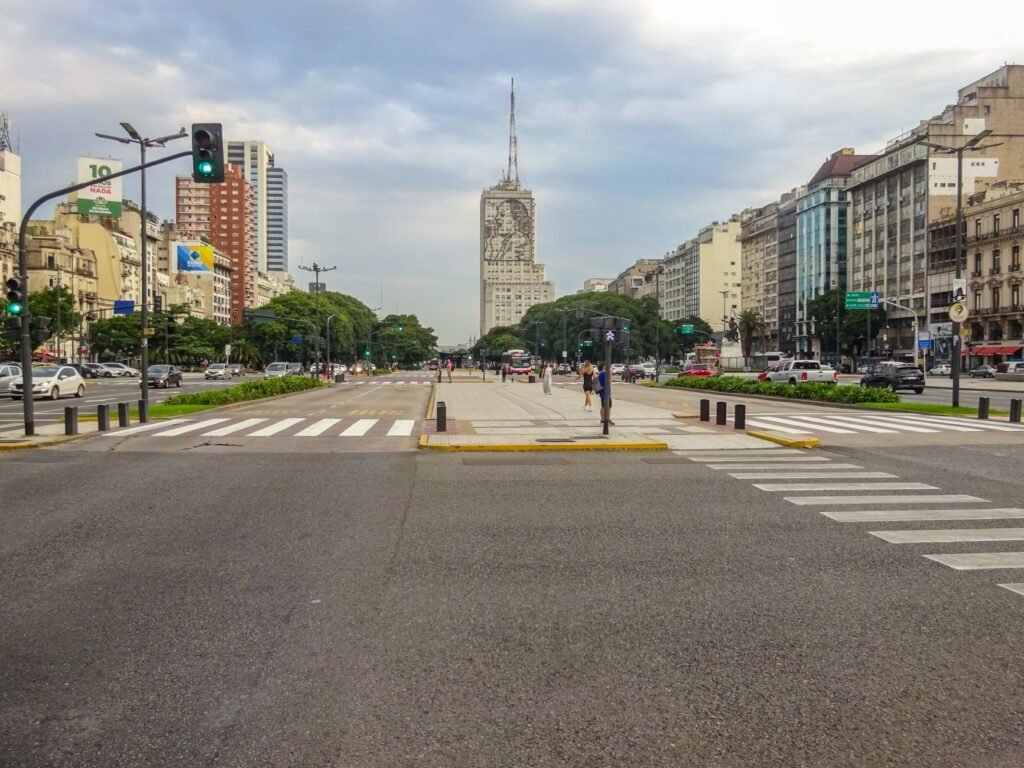
Buenos Aires, the capital city of Argentina, is a melting pot of culture, art, and history. As you stroll through its vibrant neighborhoods, you’ll encounter a mix of European charm and Latin flair.
Must-visit neighborhoods:
- San Telmo: Known for its cobblestone streets and antique markets, San Telmo is a hub for tango lovers and artists. Don’t miss the San Telmo Market, where you can sample local delicacies.
- La Boca: Famous for its colorful buildings and street art, La Boca is home to the iconic Caminito Street. This lively area is perfect for capturing stunning photographs and enjoying street performances.
- Palermo: A trendy neighborhood filled with parks, boutiques, and cafes, Palermo is ideal for leisurely walks and enjoying the local food scene.
In Buenos Aires, consider taking a tango class to immerse yourself in the local culture. Many dance schools offer lessons for beginners, providing a fun way to connect with Argentine traditions.
2. Experience the Wonders of Iguazu Falls
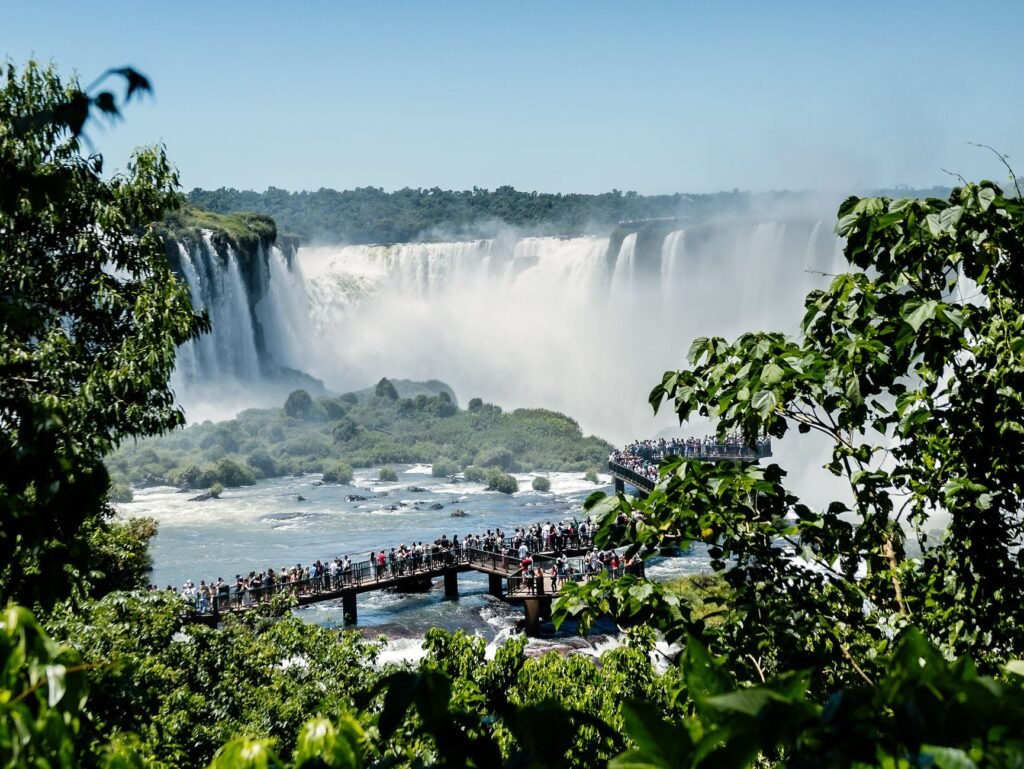
Iguazu Falls, one of the Seven Natural Wonders of the World, is a breathtaking sight that spans the border between Argentina and Brazil. The falls consist of 275 individual cascades, with the most impressive being the Devil’s Throat (Garganta del Diablo).
Things to do at Iguazu Falls:
- Visit the National Park: Explore the extensive trails within Iguazu National Park. The park offers various viewing platforms that allow you to appreciate the falls from different angles.
- Take a boat tour: For an exhilarating experience, consider a boat tour that takes you close to the falls. Be prepared to get wet as you feel the power of the cascading water up close.
- Wildlife spotting: The park is home to diverse flora and fauna, including toucans and coatis. Keep your camera ready for wildlife encounters along the trails.
Visiting Iguazu Falls is best done early in the morning or late in the afternoon to avoid crowds and enjoy the tranquility of this natural wonder.
3. Discover the Beauty of Patagonia
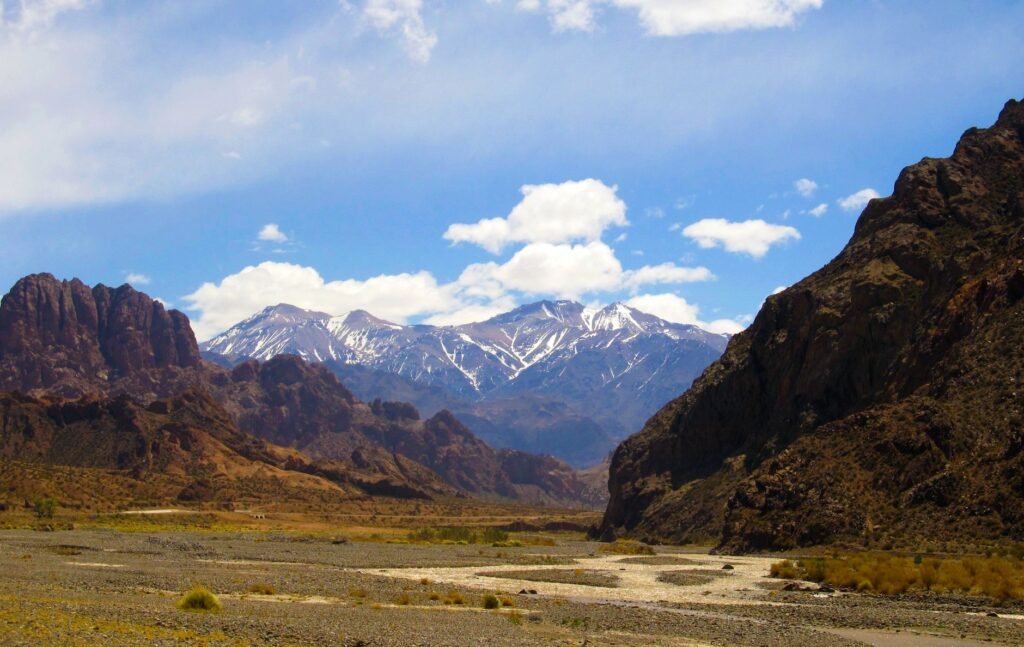
Patagonia, a region shared by Argentina and Chile, is famous for its dramatic landscapes, including mountains, glaciers, and pristine lakes. It offers a paradise for outdoor enthusiasts and nature lovers.
Top activities in Patagonia:
- Trekking in Los Glaciares National Park: This UNESCO World Heritage site is home to the famous Perito Moreno Glacier. Treks range from short walks to multi-day hikes, with stunning views of glaciers and peaks.
- Visit El Chaltén: Known as the trekking capital of Argentina, El Chaltén offers trails for all levels. The Laguna de los Tres hike provides breathtaking views of Mount Fitz Roy.
- Wildlife tours: Spot wildlife like guanacos, Andean condors, and even the elusive puma on guided wildlife tours in this remarkable region.
While in Patagonia, consider staying in eco-lodges that offer sustainable accommodations and provide access to local guides who can enhance your experience.
4. Savor Argentine Cuisine and Wine
No trip to Argentina is complete without indulging in its world-renowned cuisine. The country is famous for its beef, empanadas, and Malbec wine, making it a culinary delight.
Must-try dishes:
- Asado: A traditional Argentine barbecue featuring various cuts of beef cooked on a grill. Many restaurants and local homes offer asado experiences for visitors.
- Empanadas: These savory pastries come with various fillings, such as meat, cheese, or vegetables. They are a popular snack and can be found throughout the country.
- Choripán: A street food favorite, choripán is a chorizo sausage served in a bread roll, often topped with chimichurri sauce.
Argentina is also known for its wine production, particularly in the Mendoza region. Take a wine tour to taste exquisite Malbec wines and enjoy the breathtaking vineyards nestled at the foothills of the Andes.
5. Explore the Wine Region of Mendoza
Mendoza is Argentina’s premier wine region, famous for its Malbec and beautiful vineyards. The region is not only about wine but also offers stunning landscapes and outdoor activities.
Activities in Mendoza:
- Wine tours: Join guided wine tours to explore various wineries. Many tours include tastings and gourmet meals, allowing you to savor the local flavors.
- Outdoor adventures: Mendoza is surrounded by the Andes, offering opportunities for hiking, horseback riding, and even skiing in the winter months.
- Relaxation: Many wineries have spas and wellness centers where you can unwind with a wine-infused treatment.
Whether you’re a wine connoisseur or a casual drinker, Mendoza’s wine tours provide an immersive experience into Argentina’s wine culture.
6. Visit the Historical City of Salta
Salta, located in northwest Argentina, is known for its colonial architecture, rich history, and stunning Andean landscapes. It offers a unique glimpse into Argentina’s indigenous culture and heritage.
What to see in Salta:
- Plaza 9 de Julio: The main square is surrounded by beautiful colonial buildings, including the Cathedral of Salta and the Cabildo. It’s a great place to relax and enjoy local street performances.
- Visit the MAAM Museum: The Museum of High Altitude Archaeology showcases Inca artifacts and the famous mummies of Llullaillaco, providing insight into the region’s indigenous history.
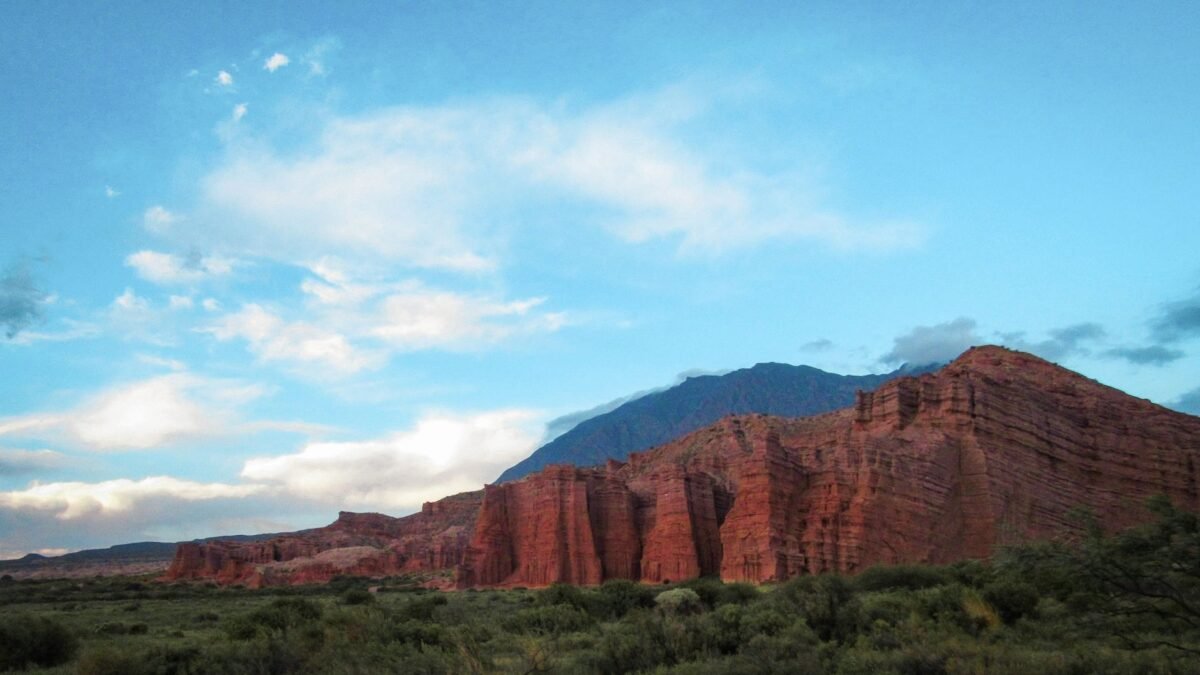
- Take a trip to Cafayate: Known for its wine production, Cafayate is a picturesque town located a few hours from Salta. The scenic drive through the Quebrada de las Conchas is a highlight.
Salta’s vibrant atmosphere and rich cultural offerings make it an essential stop on your Argentine itinerary.
7. Enjoy Outdoor Activities in Bariloche
San Carlos de Bariloche, often referred to as Bariloche, is located in the Lake District of Argentina. It is famous for its stunning lakes, snow-capped mountains, and outdoor adventure opportunities.
Outdoor activities in Bariloche:
- Skiing and snowboarding: In winter, Cerro Catedral becomes a popular ski resort with slopes for all skill levels. Summer offers hiking and mountain biking trails with breathtaking views.
- Lakeside activities: In warmer months, visitors can enjoy kayaking, fishing, and sailing on Lake Nahuel Huapi, one of the largest lakes in Argentina.
- Chocolate tasting: Bariloche is known for its chocolate shops. Take a leisurely stroll through the town while sampling delicious chocolates.
Whether you visit in winter or summer, Bariloche offers a variety of activities that showcase the natural beauty of the region.
8. Immerse Yourself in Local Festivals
Argentina is known for its vibrant festivals that celebrate its culture, music, and traditions. Engaging in local festivals is a fantastic way to experience the country’s spirit.
Notable festivals to consider:
- Fiesta Nacional de la Vendimia: Held in Mendoza, this wine harvest festival in March features parades, music, and wine tastings, celebrating the region’s viticulture.
- Fiesta del Tango: Buenos Aires hosts annual tango festivals, showcasing this passionate dance with performances, workshops, and competitions.
- Carnaval: Although not as famous as Brazil’s, Argentine Carnaval features parades and celebrations in cities like Gualeguaychú, known for its colorful floats and lively music.
Participating in these festivals provides insight into Argentina’s cultural diversity and the warmth of its people.
Experience the Vibrant Culture of Tango
Learn Tango in Buenos Aires
Tango is not just a dance; it’s an integral part of Argentina’s cultural identity. In Buenos Aires, visitors can immerse themselves in this passionate art form by taking tango lessons from local instructors. Various schools across the city cater to all skill levels, from complete beginners to seasoned dancers. Classes typically include a combination of technique, musicality, and partner work, allowing participants to grasp the essence of tango.
Many tango schools offer packages that include dinner and a show, providing a comprehensive experience. After a few lessons, you might feel confident enough to join a milonga, a social tango dance event, where you can practice your skills among locals. Here are some popular tango schools to consider:
- La Viruta
- Esquina Carlos Gardel
- Academia Nacional del Tango
Attend a Professional Tango Show
For those who prefer to watch rather than participate, Buenos Aires boasts some of the best tango shows in the world. Venues like El Querandí and Café Tortoni provide an elegant setting where talented performers showcase their skills. These shows often feature a combination of dance, live music, and a narrative that tells the story of tango’s origins and evolution.
Attending a tango show is an unforgettable experience, as it offers a glimpse into the passion and artistry that defines this dance. Many shows include dinner options, allowing you to savor Argentine cuisine while enjoying the performances.
Visit Tango Landmarks
Exploring Buenos Aires also means visiting significant tango landmarks. The neighborhood of San Telmo is particularly famous for its tango history and vibrant street performances. On Sundays, the San Telmo Market comes alive with local artists, musicians, and tango dancers, making it an ideal spot to experience the culture firsthand.
Additionally, don’t miss the iconic statue of Carlos Gardel, the most famous tango singer, located in the Abasto neighborhood. This area is rich in tango history and often features impromptu performances, inviting visitors to join in the celebration.
Adventure in the Northwest Region
Explore Quebrada de Humahuaca
The Quebrada de Humahuaca is a stunning valley in the northwestern province of Jujuy, recognized for its dramatic landscapes and vibrant colors. The valley is home to a variety of geological formations, including the famous Hill of Seven Colors in Purmamarca. Hiking through this area offers breathtaking views and a chance to connect with nature.
Visitors can explore traditional villages such as Tilcara and Humahuaca, where local markets and historic churches provide insight into the region’s culture. The area is also rich in indigenous history, with ancient ruins and petroglyphs that tell the story of the people who have inhabited the region for thousands of years.
Visit Salinas Grandes
Another must-see destination in northwest Argentina is the Salinas Grandes, a vast salt flat located between Jujuy and Salta. This surreal landscape is not only visually stunning but also provides opportunities for photography and exploration. Visitors can take guided tours to learn about the salt harvesting process and the area’s unique ecosystem.
Many tours include visits to nearby villages where artisans sell handicrafts made from local materials, allowing visitors to support the local economy while taking home a piece of Argentine culture.
Engage in Local Traditions
The northwest region is rich in cultural traditions, with many opportunities to engage with local customs. Visitors can participate in traditional festivals, such as the Carnival in Tilcara, which features colorful parades, music, and dance. Additionally, trying local dishes such as empanadas and locro is a must, as these meals are often prepared using recipes passed down through generations.
Local artisans also offer workshops where visitors can learn traditional crafts, such as weaving and pottery. Here are some local traditions to experience:
- Attend a local festival
- Participate in a traditional meal preparation
- Visit artisan workshops
Discover Argentina’s Wildlife
Visit the Valdés Peninsula
The Valdés Peninsula is a UNESCO World Heritage site and an essential destination for wildlife enthusiasts. Located on the Atlantic coast, it is famous for its diverse marine and terrestrial wildlife. From June to December, visitors can witness the incredible sight of southern right whales migrating to the area to breed and calve.
In addition to whales, the peninsula is home to sea lions, elephant seals, and a wide variety of bird species. Guided boat tours offer the best chance to see these magnificent creatures up close while providing insightful commentary on their behaviors and habitats.
Explore Esteros del Ibera
The Esteros del Ibera is one of the largest wetlands in the world and serves as a sanctuary for countless species of birds and wildlife. This biodiverse area is ideal for eco-tourism, with opportunities for birdwatching, kayaking, and guided wildlife tours. The wetlands are home to capybaras, caimans, and numerous bird species, making it a paradise for nature lovers.
Visitors can stay in eco-lodges that offer guided tours and activities to explore the rich ecosystem. These lodges are often run by local communities, ensuring that the benefits of tourism are shared with residents.
Explore the Tiger and Wildlife Sanctuaries
Argentina is also home to various wildlife sanctuaries that focus on conservation and rehabilitation. The Fundación Fauna Argentina and the Temaikèn Biopark near Buenos Aires offer educational experiences where visitors can learn about local wildlife and conservation efforts. These sanctuaries play a crucial role in protecting endangered species and educating the public about biodiversity.
By visiting these sanctuaries, you not only support wildlife conservation but also gain a deeper understanding of the unique ecosystems found in Argentina. Here are some notable wildlife sanctuaries to consider visiting:
- Fundación Fauna Argentina
- Temaikèn Biopark
- Reserva Natural Otamendi
Frequently Asked Questions
What is the best time to visit Argentina?
The best time to visit Argentina depends on the region. Generally, spring (September to November) and fall (March to May) offer mild weather and fewer tourists. Summer (December to February) is ideal for Patagonia, while winter (June to August) is best for skiing in the Andes.
Is it safe to travel to Argentina?
Argentina is generally safe for tourists, but like any destination, it’s essential to stay aware of your surroundings. Avoid displaying valuables and be cautious in crowded areas. Research local safety tips and consult travel advisories before your trip.
Do I need a visa to visit Argentina?
Visa requirements vary by nationality. Many travelers can enter Argentina for tourism without a visa for up to 90 days. However, check the latest regulations based on your nationality before traveling.
What is the currency in Argentina?
The currency in Argentina is the Argentine Peso (ARS). It’s advisable to carry some cash for small purchases, but credit cards are widely accepted in urban areas. Be aware of the current exchange rates and consider using local ATMs for cash withdrawals.
The Bottom Line
Argentina is a diverse country offering a range of experiences from vibrant cities to breathtaking natural wonders. Whether you are exploring Buenos Aires, savoring wines in Mendoza, or trekking in Patagonia, the top things to do in Argentina promise an unforgettable adventure. Plan your trip based on your interests, and immerse yourself in the rich culture, stunning landscapes, and warm hospitality that Argentina has to offer.