Things to do in Yosemite Valley can be as simple or as adventurous as you like, and it is one of California’s most rewarding road-trip destinations.
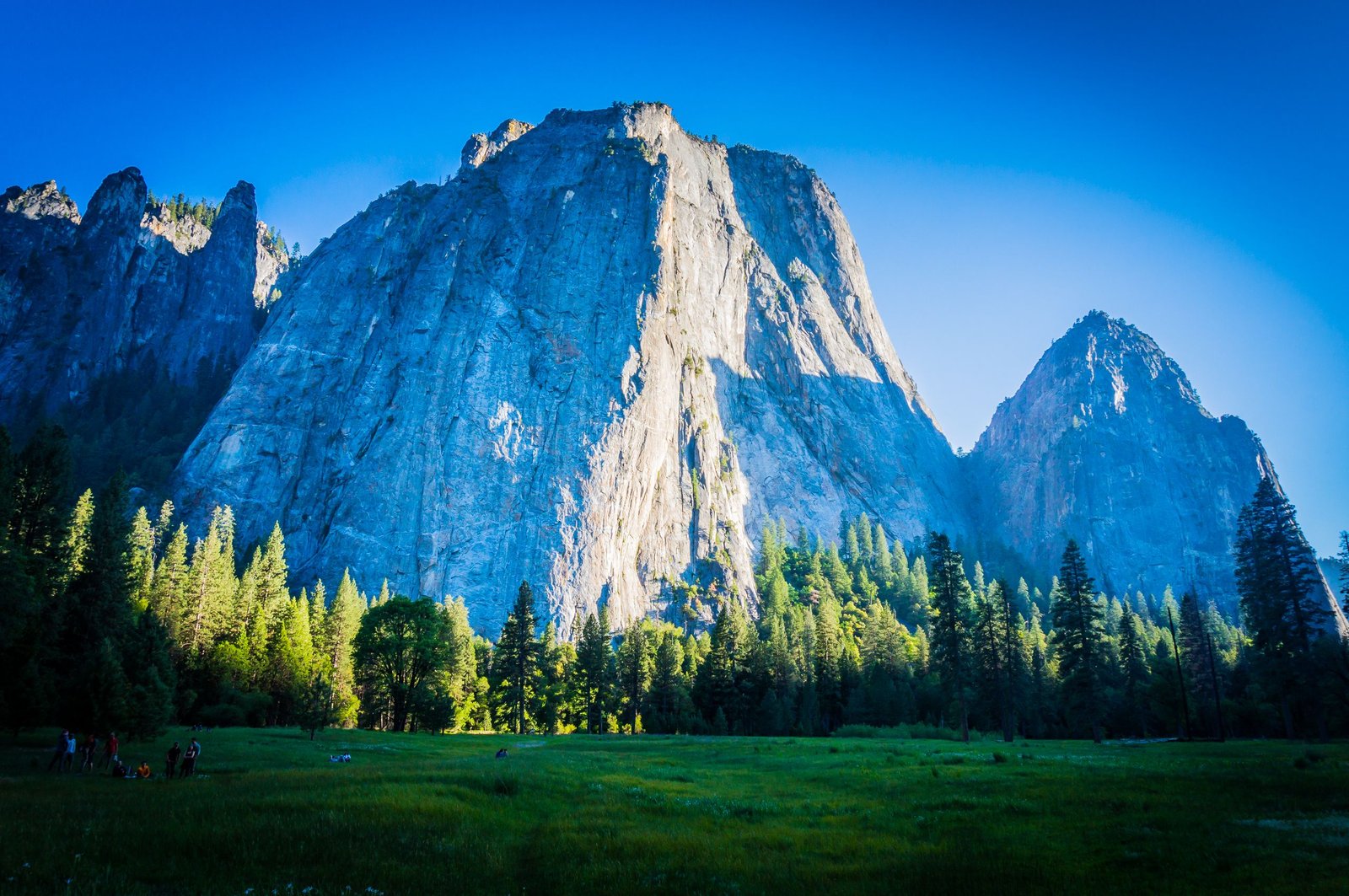
Yosemite Valley is the iconic heart of Yosemite National Park in the United States, famous for towering granite walls, waterfalls, and wide mountain-meadow views. If it is your first visit, you will notice the valley’s rhythm quickly: short, scenic walks in the day, big viewpoints at sunrise or sunset, and practical planning around shuttles and seasonal access.
This guide focuses on things to do in Yosemite Valley specifically, with hikes, viewpoints, family-friendly stops, food options, and realistic logistics. You will also find practical advice on timing, safety, and what to pack so your trip feels smooth instead of rushed.
For something close to your plans, you can also browse 20 Fun and Best Things To Do In Vilnius Lithuania to compare how different cities build great walking routes and day-by-day itineraries.
Best Things To Do In Yosemite Valley (Practical Guide for First Timers)
| What you want | Top Yosemite Valley pick | Best time | Effort |
|---|---|---|---|
| Iconic views | Yosemite Valley Viewpoint and Valley Loop area | Sunrise or sunset | Easy |
| Waterfall day | Bridalveil Fall plus nearby viewpoints | Spring through early summer | Easy |
| Big hike | Half Dome area (permit required) | Dry season | Hard |
| Family-friendly | Lower Yosemite Fall Trail segments | Late spring to fall | Easy to moderate |
| Wildlife spotting | Meadows and riverside pullouts | Dawn or dusk | Easy |
Tip 1 – Start with the valley’s big landmarks in a simple loop
Many of the best things to do in Yosemite Valley are clustered. Plan a first-day loop around key valley areas so you spend less time “getting there” and more time actually seeing El Capitan, Half Dome views, and waterfall pullouts.
Tip 2 – Pick one anchor hike and build the rest around it
Trying to do everything in one day is the most common tourist mistake in Yosemite Valley. Choose one stronger hike and pair it with shorter viewpoints, so you keep energy for sunrise or sunset photos.
Tip 3 – Use the park shuttle to avoid stress
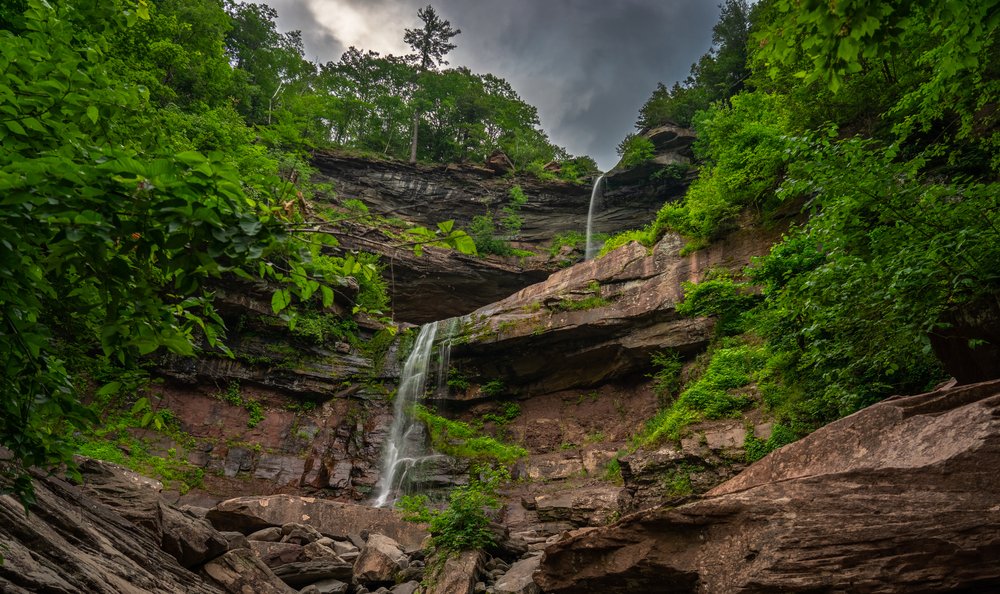
During busy periods, parking fills and driving inside the valley can feel slow. The Yosemite Valley shuttle helps you access popular stops like trailheads and major viewpoints without constant parking hunting.
Tip 4 – Time waterfalls for the season, not just the day
Waterfalls can be dramatic at different times of year due to snowmelt. If your trip is outside early season, manage expectations and focus on granite views and meadow walks, which remain great year-round.
Tip 5 – See Bridalveil Fall for an easy win
Bridalveil Fall is one of the easiest ways to enjoy Yosemite Valley’s “wow” factor. The viewpoint is close, the photos are excellent, and it works well for travelers who prefer short walks.
Tip 6 – Plan Lower Yosemite Fall Trail portions instead of aiming for everything
Lower Yosemite Fall routes vary by conditions. For many travelers, an out-and-back segment gives a satisfying experience without turning the day into a long, steep commitment.
Tip 7 – Photograph El Capitan but do it at different angles
El Capitan is iconic, and the valley offers multiple vantage points. Bring layers, expect wind, and include at least one stop where you can watch light shift across the rock face.
Tip 8 – Consider a short “granite geology” walk
If you like learning while moving, choose a short interpretive walk in the valley area. You will better understand why Yosemite Valley looks the way it does, which makes every viewpoint more meaningful.
Tip 9 – Half Dome views are worth planning, even if you do not hike it
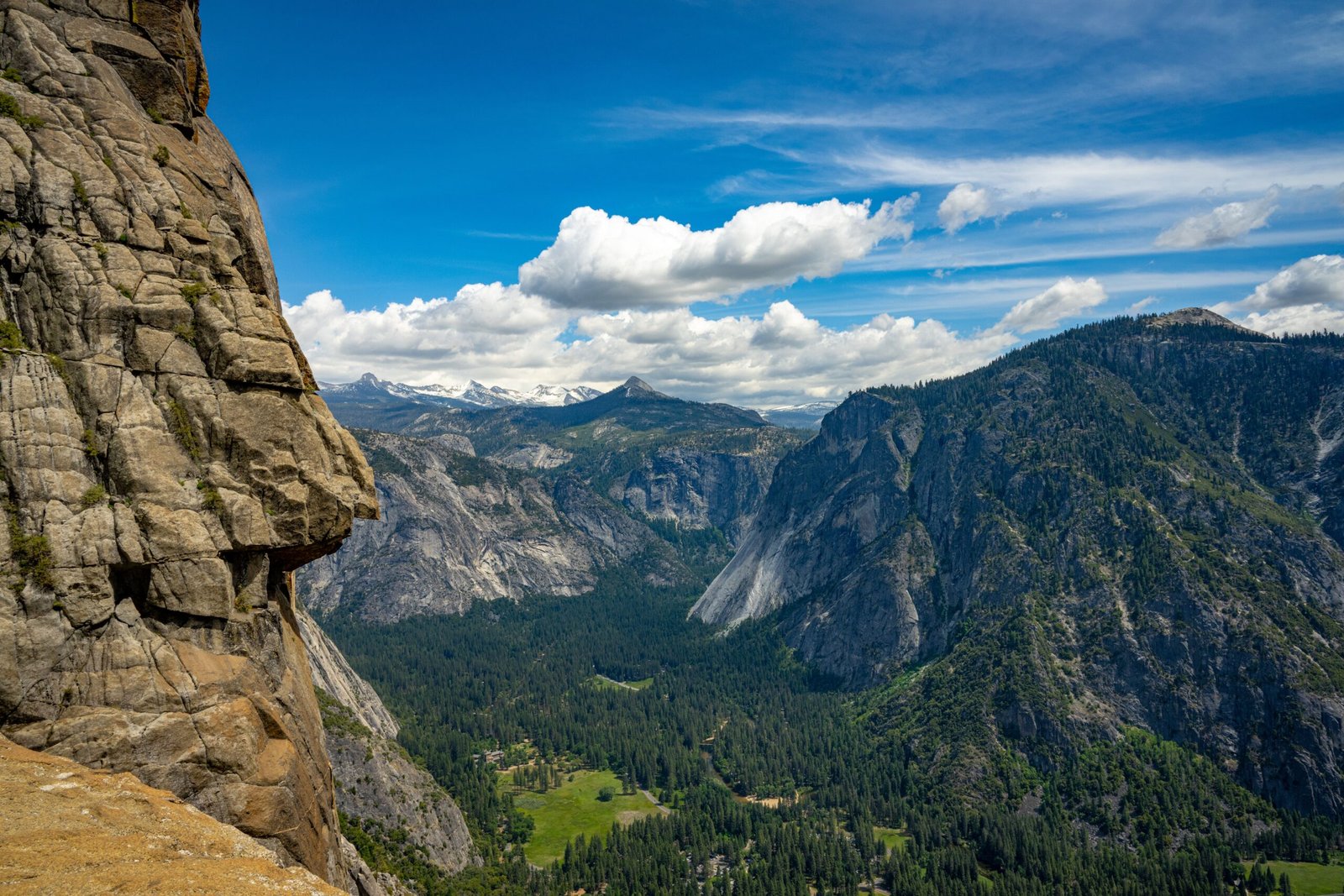
Not everyone hikes Half Dome, but many of the best things to do in Yosemite Valley include viewpoints where Half Dome dominates the skyline. If you plan to hike it, confirm current permit and trail condition details early.
Tip 10 – If you hike Half Dome, treat permits and timing seriously
Because Half Dome requires advance planning, check permit rules and whether the trail is open during your dates. Even with good preparation, conditions can change with weather.
Tip 11 – Pair sunrise or sunset with a nearby viewpoint stop
For first-time visitors, sunrise and sunset are when the valley feels most cinematic. Choose a viewpoint you can reach quickly so you are not late or rushing in the dark.
Tip 12 – Bring binoculars for wildlife, but keep distance
Deer, birds, and sometimes more surprising sightings appear in the valley. Enjoy wildlife from safe distances and never approach animals for photos.
Tip 13 – Eat where you are, then plan the rest for after your meal
Food options inside the park can be limited when compared with big cities, especially during peak season. A practical move is to eat near your main activity area, then head out for the remainder of your day.
Tip 14 – Try simple picnic strategies
Picnics can turn a long day of viewpoints into a relaxing one. Pack water, snacks, and an easy-to-share meal, then choose a spot with safe parking and clear rules for the location.

Tip 15 – Know your footwear trade-offs
Some viewpoints involve smooth paths, while others become rocky or muddy after rain. Wear shoes you can trust, and if you have sensitive ankles, bring trekking poles for uneven sections.
Tip 16 – Download the right resources before you arrive
Cell service can be patchy in and around the valley. Use offline maps where possible, check official alerts ahead of time, and save emergency numbers so you have a backup plan.
Tip 17 – Stay flexible with weather and trail conditions
Yosemite Valley weather changes quickly, and trails can close or reroute. Build one “easy day” into your schedule so you can swap activities without losing the trip.
Tip 18 – Carry layers, even in summer
Granite valley air can feel cool in the morning and windy with changing light. A light jacket and a hat go a long way, especially for early starts.
Tip 19 – Learn a few practical phrases for park staff and rangers
Most visitors do not need much, but a friendly greeting and simple phrases like “Which shuttle stop is closest?” help. Ranger advice is your best shortcut to current conditions and safe access.
Tip 20 – One of the best things to do in Yosemite Valley is planning ahead

Advanced reservations and early starts are not about being rigid, they are about lowering friction. If you want popular hikes, peak dates, or a specific time for viewpoints, plan early to avoid last-minute disappointment.
Top resources for planning your days
For official updates on closures, shuttles, and trail status, start with the park’s main pages:
- Yosemite National Park official information
- Yosemite Valley planning and overview
- Ready.gov emergency kit guidance
Visa & Entry Requirements
Entry rules for visiting Yosemite Valley depend on the traveler’s passport and on current U.S. government policy. This section is a practical overview, not legal advice.
First, verify that you have a passport with enough validity for your entire trip. Many travelers are asked to ensure their passport is valid for the period of stay, and specific requirements can vary by traveler circumstances. Also check for required blank pages for entry stamps when applicable.
Next, determine whether you need a visa or an electronic travel authorization (if applicable to your passport). The U.S. travel authorization and visa pathways can change, so confirm the correct option based on your nationality, trip purpose, and length of stay.
Rules also cover proof of onward or return travel and your planned accommodation details. Immigration officers may ask how long you intend to stay, where you are staying, and whether you will leave within the permitted timeframe.
Vaccination requirements are generally less common than in some destinations, but they can still change during public health updates. Check for any current health notices from official U.S. sources before departure.
Do not forget customs. You may need to declare items such as certain foods, agricultural products, or outdoor equipment used in other locations. Yosemite Valley is a wildlife and natural environment, so inspections for prohibited items can happen at entry points.
For the most accurate, up-to-date requirements, consult the U.S. Department of Homeland Security or the U.S. embassy website for your country. A reliable starting point is the official U.S. immigration and traveler guidance page on travel.state.gov. Also check your nearest U.S. embassy or consulate for instructions and processing timelines.
FAQs About Things to Do in Yosemite Valley
What are the best things to do in Yosemite Valley if I only have one full day?
Focus on a simple valley loop: short waterfall access (like Bridalveil Fall), major viewpoint areas for El Capitan and Half Dome views, and one more guided or self-paced walk. The best things to do in yosemite valley in a single day are the ones you can do without rushing. Use the shuttle to reduce time lost to parking.
Are the things to do in Yosemite Valley suitable for families with kids?
Yes, many options are family-friendly, especially viewpoints and shorter trail segments. Choose easy or moderate walks, bring snacks and water, and plan breaks. Conditions change by season, so check trail status before you go.
When is the best time for waterfall-focused things to do in Yosemite Valley?
Waterfalls are generally strongest during spring snowmelt and early summer. If you are visiting later, you can still enjoy Yosemite Valley’s granite scenery and meadows, but expect less water volume and more emphasis on viewpoints.
Do I need permits for Half Dome, and do I have to hike it to enjoy Yosemite Valley?
Half Dome hiking typically requires advance permits when the trail is open, and rules can change by year. However, you can enjoy Half Dome through valley viewpoints and scenic pulloffs without hiking the summit.
Is it safe to visit Yosemite Valley without a car?
It depends on your overall travel plan. Inside Yosemite Valley, shuttles can help you reach popular stops. Many services and day-to-day access points are easier with a car, but you can still plan a smoother visit by using official shuttle routes and careful timing.
What is the most common tourist mistake when planning things to do in Yosemite Valley?
Overbooking days. Many travelers try to fit too many hikes and viewpoints into one schedule, then get stuck with parking delays or tired on trail. Prioritize 2 to 3 core experiences, keep one flexible option, and you will enjoy “things to do in yosemite valley” much more.
Conclusion
With the right plan, things to do in yosemite valley can feel like a collection of “best hits” rather than a checklist you survive. Yosemite Valley’s beauty is real, and the easiest way to enjoy it is to balance iconic landmarks, one meaningful hike (or viewpoint alternative), and downtime for photos and weather changes.
Use official shuttle and trail updates, keep your schedule flexible, and remember that the valley rewards calm planning. Whether you are chasing waterfalls, wide granite views, or family-friendly walks, your best results come from choosing fewer priorities and doing them well.
If you want to start mapping your days today, build an itinerary around a valley loop, confirm trail and seasonal access, and then enjoy your time. The best things to do in yosemite valley are the ones that fit your pace, your comfort level, and your travel window.