
Things to do in western North Carolina starts with breathtaking mountain scenery, charming small towns, and easy day trips that feel bigger than the map. If you are planning your first visit, you can mix outdoor adventures with local food, artsy neighborhoods, and cozy stays across the Asheville area and beyond.
Western North Carolina is not just one hotspot. It is a region defined by the Blue Ridge Mountains, the Pisgah National Forest, and communities like Asheville, Hendersonville, Waynesville, and Boone. You will also find big-name attractions, such as the Biltmore Estate, plus quieter routes where you can simply slow down.
In this guide, you will get practical ideas and a clear plan for choosing what to do next. Whether you like hiking, craft beer, waterfalls, or family-friendly stops, the “things to do in western North Carolina” list below will help you build a trip that fits your pace.
Quick note before you go: western North Carolina weather can change fast, especially in the mountains. Build flexibility into your schedule so you can swap indoor options in case of rain.
Things To Do In Western North Carolina: A Practical Numbered Guide
| Day type | Top ideas | Best for |
|---|---|---|
| First-timer day | Downtown Asheville stroll, Biltmore, local coffee | Getting oriented |
| Scenic outdoors | Blue Ridge Parkway overlooks, short hikes, waterfalls | Views with effort control |
| Crafts and small towns | Haywood County, galleries, farmers markets | Local culture |
| Family-friendly | Children’s museums, easy nature trails, pet-friendly stops | All ages |
| Food focus | Farm-to-table, breweries, dessert stops | Testing the best bites |
Tip 1 – Start with a “base area” so things to do in western North Carolina feel easy
Pick one home base: Asheville for nightlife and variety, Hendersonville for a quieter option close to the mountains, or Boone if you want a college-town vibe. This reduces driving time and keeps day trips simple.
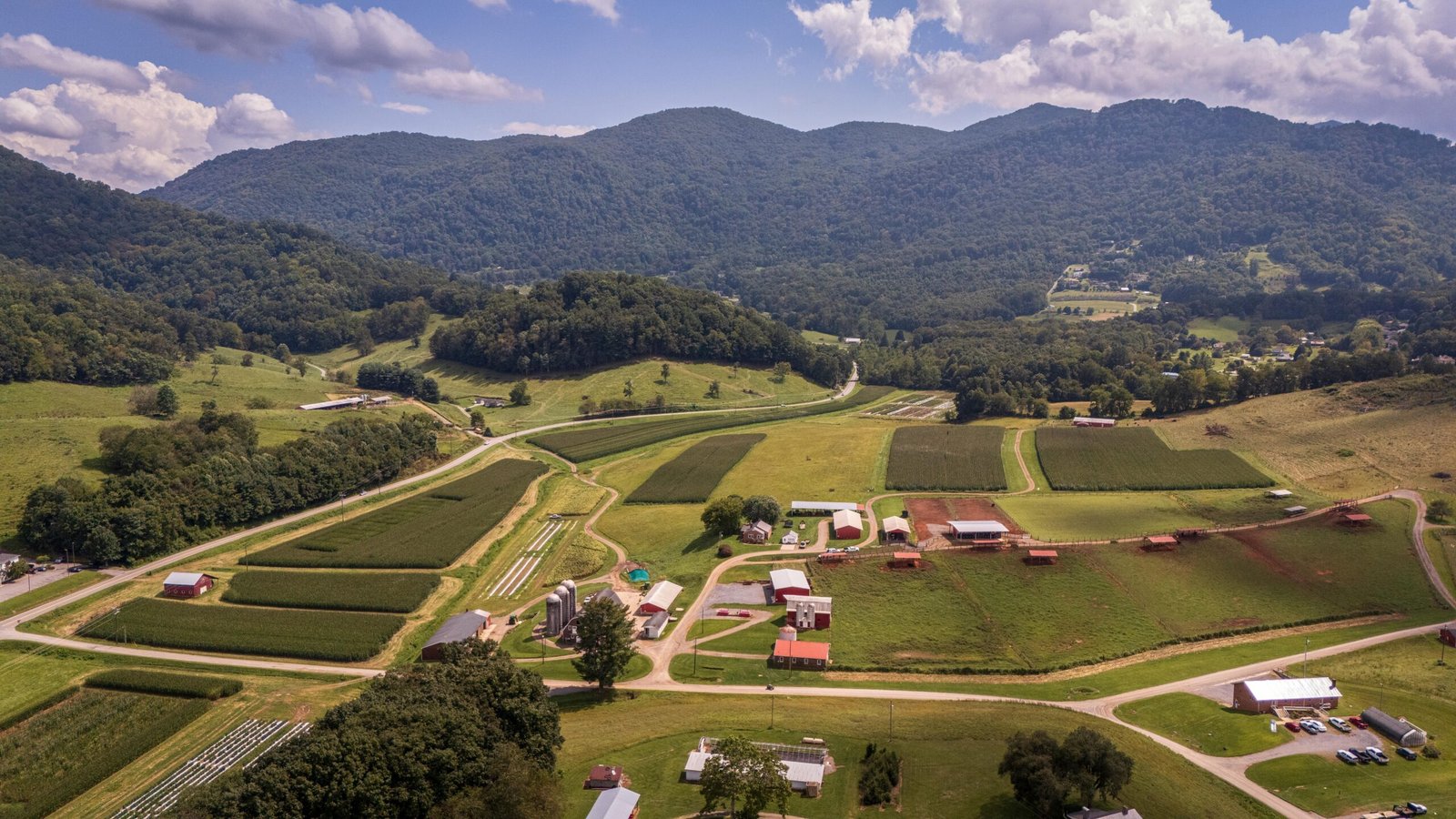
Tip 2 – Always include at least one Blue Ridge Parkway overlook time
Many of the best “wow” moments across the region are along the Blue Ridge Parkway. Plan a few short stops instead of trying to cover every mile in a single day. Sunrise and late afternoon are especially photogenic.
Tip 3 – Build your hike list by picking the right trail length
Choose one easy trail for mornings and one moderate hike for afternoon. If you are not sure, aim for shorter loop trails with clear parking and restroom access, particularly when you are visiting with kids or jet lag.
Tip 4 – Make Biltmore part of your first-timer plan
If you want one “anchor attraction,” the Biltmore Estate is a popular pick for a reason. It helps you understand the region’s history and geography, and you can combine gardens with a winery stop and a relaxed meal nearby.
Tip 5 – Do one waterfall day, but keep turnaround realistic
Waterfalls are a highlight, yet some routes take longer than expected due to parking and road conditions. Pick two waterfall viewpoints and build time for photos and short walks. Bring a light rain layer even on “clear” days.
Tip 6 – Walk downtown Asheville for neighborhoods, not just landmarks
Asheville’s neighborhoods reward slow wandering. Spend time in the vibrant downtown core for murals, music, and people-watching, then head to quieter streets for coffee and craft shops.

Tip 7 – Use local markets for budget-friendly meals
Farmers markets and seasonal stands can be great “things to do in western North Carolina” that double as eating plans. You can often mix snacks, fruit, and local treats without committing to a full sit-down meal.
Tip 8 – Plan a craft beer or cider tasting, then schedule a calm evening
Western North Carolina is well known for breweries and cideries. Tasting can be fun, but do not overschedule. Pair one tasting with a dinner that is close to your lodging so you do not end up driving late.
Tip 9 – Try Parkway picnic logic: pack smart, eat early
Picnics are a classic move, but parking and crowd timing matter. Bring a small cooler, grab supplies early, and look for pull-offs with space to spread out safely.
Tip 10 – Add a scenic train-like feel with short rail-trail or scenic routes
If you want lower-effort sightseeing, look for short nature walks and scenic drives that feel “transport-like” without the long commitment. This keeps your trip balanced if some days are more active than others.
Tip 11 – Take advantage of free or low-cost viewpoints
Not every “thing to do in western North Carolina” needs a ticket. Look for state-park viewpoints, riverside walks, and scenic pull-offs. You can still get that mountain feeling even on a tighter budget.

Tip 12 – Drive smarter: expect mountain curves and check road conditions
In the mountains, distance can be misleading. Build buffer time, stay patient in slower traffic, and check current road conditions in case of closures or weather changes.
Tip 13 – Know the most common tourist mistake: trying to do too much in one loop
The classic mistake is creating a giant circle of stops in one afternoon. That usually leads to parking stress and rushed viewpoints. Instead, choose one corridor and add only a few “must-sees” along it.
Tip 14 – Keep a “rain plan” for museums and indoor attractions
If clouds roll in, switch to galleries, indoor exhibits, or craft workshops. This makes your “things to do in western north carolina” plan feel smoother, especially during shoulder seasons.
Tip 15 – Family-friendly idea: pick one kid-height nature activity
Families do best with one easy, engaging outdoor stop plus a nearby indoor option. Short trails, friendly visitor centers, and simple scenic walks can be more enjoyable than long hikes when kids get tired.
Tip 16 – Want local flavor beyond barbecue? Go for “regional comfort” tastings
Do not limit yourself to one type of meal. Try mountain comfort foods, fresh pies, and seasonal specials. If you like breweries, some pairings with local dishes can stand out.
Tip 17 – Consider a guided day trip for first-time visitors
A guided outing can reduce stress, especially for scenic routes where pull-offs and parking are not obvious. It also helps if you want to learn history while moving around.
Tip 18 – Learn tip: use conversations and simple phrases to connect with locals
You will encounter friendly service across the region. Simple acknowledgements go a long way, and if you ask about “the next best viewpoint” or “what to do today,” you may get surprisingly useful suggestions.
Tip 19 – Protect your trip with practical packing for mountain weather
Pack layers, a light waterproof shell, comfortable walking shoes, and a small day bag. Bring a reusable water bottle and a quick snack so you stay steady between stops.

Tip 20 – Book ahead for the most popular daytime attractions
Tickets for top attractions and timed entry experiences can sell out, especially on weekends and during peak seasons. If a specific attraction matters to you, reserve early and keep your driving plan flexible.
For additional ideas on building a structured itinerary and balancing “must-sees” with relaxed discovery, you might appreciate this practical list: 20 Fun and Best Things To Do In Vilnius Lithuania.
Visa & Entry Requirements
Entry rules for the United States depend on the traveler’s passport, visa status, and current government policy. Passport validity, possible visa or electronic authorization requirements, and permitted length-of-stay can vary even for travelers with similar itineraries. For that reason, always verify the latest requirements based on your travel document before booking.
Start with passport checks. Many entry routes require your passport to be valid for a minimum period beyond your planned stay. Also confirm you have enough blank pages for inspection stamps. If you plan to include multiple stops across the United States, check whether your planned dates and entry/exit marks create any issues.
Next, look at authorization and visa rules. Some travelers may need a visa interview or an electronic travel authorization, depending on passport type and purpose of visit. The authorization process and eligibility can change, so do not rely on advice from friends or older trip stories.
Also consider proof and logistics. Be ready to show onward or return travel, details of accommodation (hotel reservations or a host address), and a clear trip purpose aligned with your visit length. Travel insurance is not always required, but it is a smart risk-management step for mountain road delays, medical needs, or trip interruptions.
Customs and declaration rules matter too. If you bring items for personal use, gifts, or specialty products, check customs requirements and declaration expectations to avoid delays at the border. Rules for restricted or regulated items can apply regardless of age.
For final and official requirements, consult the U.S. government sources: U.S. Customs and Border Protection for customs guidance, and the U.S. Department of State for visa and entry information. Reliable starting points include https://travel.state.gov/ and https://www.cbp.gov/.
FAQ About Things To Do In Western North Carolina
What is the best time of year for things to do in western North Carolina?
Spring and early fall are popular for comfortable temperatures and clear views. Summer can be busier, and winter can bring icy roads on mountain routes. If you want fewer crowds, consider shoulder seasons and plan around weather changes.
Do I need a car for things to do in western North Carolina?
Most travelers use a car to connect driving distances between Asheville, surrounding towns, and scenic overlooks. Public transportation exists in limited areas, but it may not cover the viewpoints and trailheads you will want for “things to do in western north carolina.”
How many days should I plan for things to do in western North Carolina?
A common sweet spot is 3 to 5 days: 1 to orient yourself in Asheville, 1 to 2 days for scenic drives and short hikes, and 1 day for a waterfall or small-town day trip. If you love hiking, add time for slower trails and fewer long drives.
Is it safe to travel in the mountains for things to do in western North Carolina?
In general, the region is traveler-friendly, but mountain weather can create sudden hazards. Check road conditions before you leave, use daylight for longer drives when possible, and follow local guidance for trail and parking areas.
What are the best neighborhoods or areas to stay for first-time visitors?
Staying in Asheville helps you reach many “things to do in western North Carolina” without constant relocation. If you prefer quieter evenings, consider nearby towns like Hendersonville. If you want cooler temperatures and college-town energy, Boone is another convenient base.
Are there “things to do in western North Carolina” that are good for families?
Yes. Choose a mix of easy nature stops, visitor-friendly attractions, and meal options that work for kids. Plan shorter activities with breaks rather than only long hikes, and keep a rain plan for indoor alternatives.
Conclusion: Make Your Plan, Then Leave Room For Surprises
The best things to do in western North Carolina are the ones that blend scenic drives with moments that feel local. Use this guide to pick a few anchor attractions, then build in time for neighborhoods, food stops, and viewpoints that you discover along the way.
Whether your trip is built around Asheville landmarks, waterfall routes, or relaxed mountain walks, you can keep things manageable by choosing one base area and avoiding overly complex loops. That is the easiest way to enjoy things to do in western North Carolina without feeling rushed.
If you are already planning, start by listing your top 5 priorities, then map them by corridor so your days stay practical. With a little flexibility, your western North Carolina itinerary can feel both organized and spontaneous.
Finally, remember that “things to do in western North Carolina” can change with weather and road conditions. Check updates before you head out, reserve ahead for the most popular timed entries, and you will be set for a smooth, memorable trip across this beautiful part of the United States.