Key Takeaways
- Odisha's wetlands are rich in biodiversity and culture.
- Tourism activities range from bird watching to eco-tours.
- Practical tips enhance the travel experience in wetlands.
- Understanding conservation efforts is crucial for visitors.
Odisha, a state on the eastern coast of India, is renowned for its rich cultural heritage and diverse ecosystems. Among its natural treasures are expansive wetlands that serve as vital habitats for various species and as attractive destinations for travelers. The rise of wetland tourism in Odisha is a trend that highlights the importance of these unique ecosystems, offering travelers immersive experiences while promoting conservation efforts. This guide explores the factors contributing to this rise, the activities available, and practical tips for visitors.
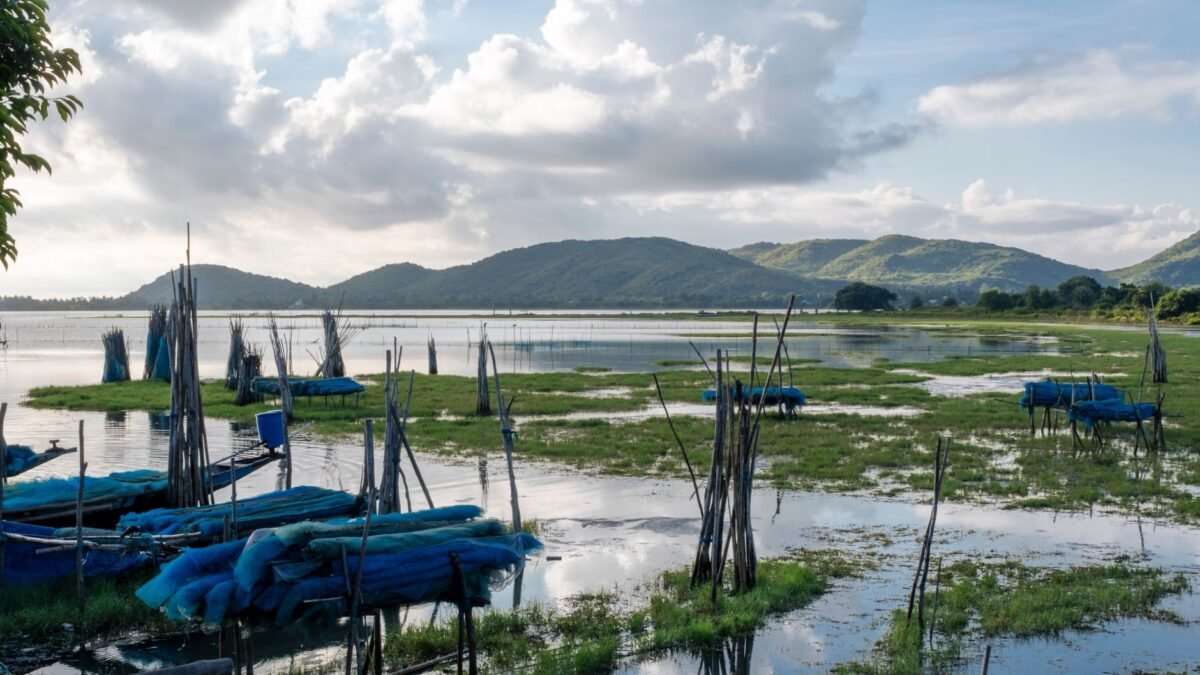
Wetlands in Odisha, including the Chilika Lake, the largest coastal lagoon in India, and various other marshes and mangroves, are not only ecologically significant but also culturally important. As awareness of environmental conservation increases, more travelers are seeking eco-friendly destinations that allow them to connect with nature. This shift has led to a burgeoning interest in wetland tourism, creating opportunities for both locals and visitors.
This article delves into the reasons behind the rise of wetland tourism in Odisha, the activities available for tourists, and the practical tips to enhance your visit. Whether you are a nature enthusiast or a casual traveler, Odisha’s wetlands offer a plethora of experiences that are both enjoyable and enlightening.
The Ecological Significance of Odisha’s Wetlands
Odisha’s wetlands play a crucial role in maintaining ecological balance, supporting diverse flora and fauna. They serve as breeding grounds for numerous fish species and migratory birds, making them hotspots for biodiversity. Understanding the ecological significance of these wetlands can enhance a traveler’s appreciation of the natural beauty they encounter.
Biodiversity Hotspots
The wetlands of Odisha are home to a rich variety of wildlife. Chilika Lake alone supports over 200 species of birds, including the endangered Irrawaddy dolphin. These birds migrate from different parts of the world, particularly during the winter months, creating a spectacular sight for bird watchers. The diverse habitats within the wetlands also support various plant species, from mangroves to aquatic flora.
Flood Control and Water Quality
Wetlands play a vital role in flood control and maintaining water quality. By absorbing excess rainfall and runoff, they reduce the risk of flooding in surrounding areas. Additionally, wetlands filter pollutants from water, ensuring cleaner water flows into rivers and oceans. This ecological function highlights the importance of preserving these areas.
Cultural Importance
Beyond their ecological role, Odisha’s wetlands hold cultural significance for local communities. Many fishing communities rely on these water bodies for their livelihoods, and traditional practices are deeply intertwined with the wetland ecosystems. Festivals and rituals often celebrate the natural resources provided by these wetlands, creating a unique cultural tapestry that enriches the tourism experience.
Activities for Tourists in Odisha’s Wetlands
With the rise of wetland tourism, Odisha offers a range of activities catering to diverse interests. From adventure sports to serene nature walks, there is something for everyone.
Bird Watching
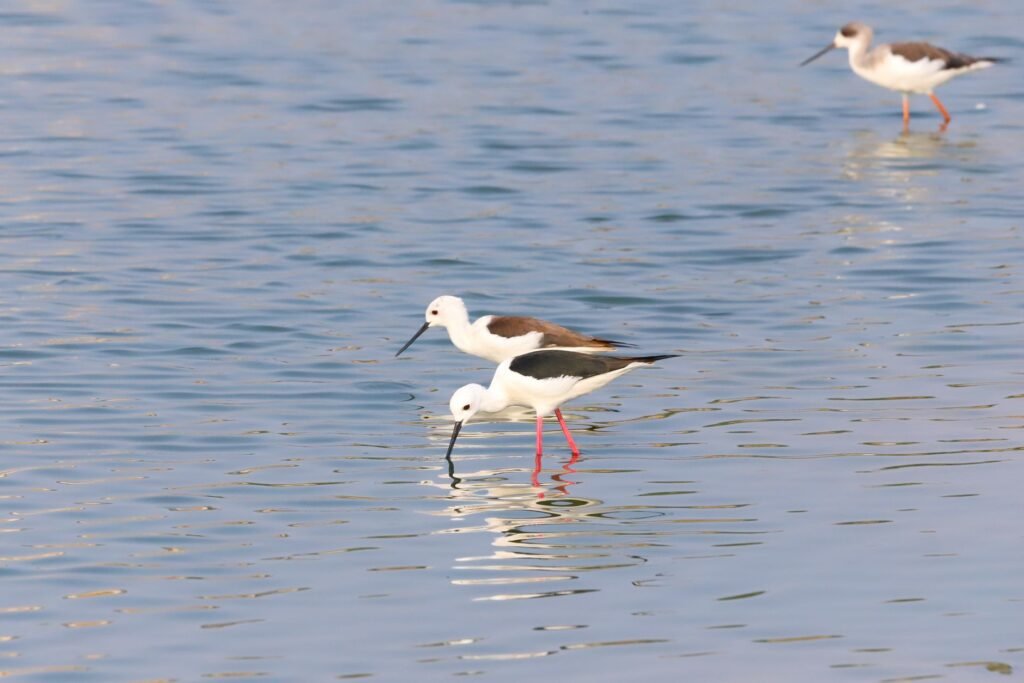
Bird watching is one of the most popular activities in Odisha’s wetlands. With numerous migratory species flocking to the region, particularly during the winter months, bird enthusiasts can enjoy exceptional viewing opportunities. Guided tours are available, led by knowledgeable local guides who can help identify various species and share insights about their habitats.
Eco-Tours and Nature Walks
Eco-tours are a fantastic way to explore Odisha’s wetlands while promoting sustainable tourism. These tours often include guided nature walks, where visitors can learn about the unique flora and fauna of the region. Local guides provide valuable information about conservation efforts and the significance of various species, enhancing the educational aspect of the experience.
Fishing and Local Cuisine
For those interested in local culture, fishing in the wetlands can be a rewarding experience. Visitors can engage with local fishermen, learning traditional fishing techniques while enjoying the serene surroundings. Additionally, sampling local cuisine, often featuring fresh catch from the wetlands, provides a delightful culinary experience that showcases regional flavors.
Conservation Efforts and Community Involvement
The rise of wetland tourism in Odisha has sparked various conservation efforts aimed at protecting these vital ecosystems. Local communities, NGOs, and government bodies are increasingly recognizing the importance of sustainable tourism practices.
Community-Led Conservation Initiatives
Many local communities have taken the initiative to engage in conservation efforts. By involving local residents in tourism activities, they ensure that the economic benefits of tourism directly support conservation projects. This approach fosters a sense of ownership and responsibility among community members, encouraging them to protect their natural resources.
Government Policies and Support
The government of Odisha has implemented various policies to promote sustainable tourism in wetlands. These include regulations on fishing practices, initiatives to reduce pollution, and efforts to restore degraded wetland areas. By collaborating with local communities and NGOs, the government aims to create a sustainable tourism model that benefits both the environment and the economy.
Challenges and Opportunities
While the rise of wetland tourism presents numerous opportunities, it also poses challenges. Over-tourism can lead to environmental degradation if not managed properly. It is essential for stakeholders to work together to establish guidelines and practices that protect these ecosystems while allowing for responsible tourism. This balance is crucial for the long-term sustainability of wetland tourism in Odisha.

Practical Tips for Visiting Odisha’s Wetlands
To make the most of your visit to Odisha’s wetlands, consider these practical tips that will enhance your experience and ensure a responsible approach to tourism.
Best Time to Visit
The ideal time to visit Odisha’s wetlands is during the winter months, from November to February. This period sees the arrival of migratory birds and pleasant weather, making it perfect for outdoor activities. Planning your trip during this season will allow you to witness the wetlands at their most vibrant.
Getting There and Around
Odisha is well-connected by road, rail, and air. The nearest major airport is Biju Patnaik International Airport in Bhubaneswar. From there, you can hire a taxi or take a bus to reach various wetland destinations, such as Chilika Lake or Bhitar Kanika. Local transportation options, including boats for navigating the wetlands, are also available.
What to Pack
- Comfortable clothing and sturdy footwear for walking and exploring.
- Binoculars for bird watching and a good camera to capture the scenery.
- Insect repellent and sunscreen to protect against the elements.
- A reusable water bottle to stay hydrated while minimizing plastic waste.
Innovative Tourism Initiatives in Odisha’s Wetlands
Community-Driven Eco-Tourism Models
One of the most exciting developments in Odisha’s wetland tourism is the rise of community-driven eco-tourism models. These initiatives empower local communities to take charge of tourism in their areas, ensuring that both the environment and local culture are preserved. By involving local residents in the planning and execution of tourism activities, these models foster a sense of ownership and responsibility towards the wetlands.
For instance, several villages around Chilika Lake have established homestays where tourists can experience authentic local life. Visitors often participate in traditional fishing activities or learn about local crafts, which not only provides them with unique experiences but also supports the local economy. This type of tourism not only enhances the visitor experience but also promotes sustainable practices that benefit the wetlands.
- Local guides share traditional ecological knowledge.
- Homestays provide a source of income for families.
- Workshops on traditional crafts help preserve cultural heritage.
Partnerships with NGOs and Government Bodies
Partnerships between local communities, non-governmental organizations (NGOs), and government bodies have been pivotal in enhancing wetland tourism. These collaborations often focus on capacity building, awareness programs, and infrastructure development to support tourism while ensuring environmental sustainability. NGOs are instrumental in providing training to local communities on sustainable tourism practices, enabling them to engage visitors more effectively.
Moreover, government initiatives have begun to recognize the potential of wetland tourism as a significant contributor to Odisha’s economy. Investment in infrastructure, such as roads and signage, enhances accessibility and ensures that tourists can explore the wetlands safely. These partnerships are a model for how diverse stakeholders can unite to promote responsible tourism that benefits both people and the environment.
- Capacity building workshops for local communities.
- Infrastructure investment to improve accessibility.
- Awareness campaigns to highlight the importance of wetlands.
Promoting Wetland Biodiversity through Tourism
Wetland tourism in Odisha offers a unique opportunity to promote and protect biodiversity. Tourists are often drawn to the rich variety of flora and fauna that these ecosystems support, including numerous migratory bird species and rare aquatic plants. By showcasing this biodiversity, tourism can encourage conservation efforts and generate funding for preservation initiatives.
Visitor centers in wetland areas often provide educational programs that focus on the unique ecosystems of Odisha’s wetlands. These programs can include guided birdwatching tours, nature trails, and workshops on wetland conservation. By fostering a deeper understanding of the ecological importance of wetlands, these initiatives inspire tourists to become advocates for conservation.
- Birdwatching tours that highlight migratory patterns.
- Nature trails for a close-up view of diverse ecosystems.
- Workshops on the importance of wetland conservation.

Cultural Connections to Odisha’s Wetlands
Traditional Practices Linked to Wetland Sustainability
The wetlands of Odisha are not only ecological hotspots but also cultural treasures. Many traditional practices among local communities are closely linked to the health of these ecosystems. For example, fishing is often conducted using sustainable methods that have been passed down through generations, minimizing environmental impact while providing food and income. This deep-rooted connection between culture and nature is essential to the sustainability of wetland tourism.
Additionally, festivals and rituals that celebrate the wetlands are an integral part of local culture. Events like the Chilika Mahotsav attract tourists eager to engage with local customs while learning about the importance of preserving the wetland environment. Such festivals serve as a platform for cultural exchange and provide a narrative that deepens the tourist experience.
- Sustainable fishing practices that protect aquatic life.
- Cultural festivals celebrating the wetlands.
- Traditional crafts linked to wetland resources.
Art and Literature Inspired by Wetlands
Odisha’s wetlands have long been a source of inspiration for artists and writers. The natural beauty and unique biodiversity of these areas have influenced various forms of art, from paintings to poetry. Local artists often depict the landscapes, wildlife, and cultural practices associated with wetlands, which helps raise awareness about their ecological significance.
Literature focusing on the wetlands can introduce readers to the intricate relationships between nature and culture in Odisha. Guided tours that incorporate elements of art and literature provide tourists with a multidimensional understanding of the region. Such experiences can include visits to local galleries, poetry readings, and workshops that explore the intersection of creativity and conservation.
- Art exhibitions featuring local wildlife and landscapes.
- Poetry readings that celebrate wetland ecosystems.
- Workshops on eco-art using natural materials.
Integrating Wellness Retreats into Wetland Tourism
As the wellness tourism sector grows, Odisha’s wetlands offer unique opportunities for integrating wellness retreats into tourism. The tranquil surroundings of wetlands provide an ideal backdrop for relaxation and rejuvenation, with activities such as yoga, meditation, and Ayurvedic treatments being particularly popular among tourists. These retreats often incorporate local traditions, enhancing the overall experience and promoting both physical and mental well-being.
Wellness programs can leverage the natural resources of the wetlands, such as herbal plants and medicinal herbs, to create holistic experiences. Tourists can participate in guided nature walks that focus on the therapeutic benefits of the natural environment, as well as workshops on traditional health practices. This blend of wellness and nature not only attracts tourists but serves to promote the conservation of wetland habitats.
- Yoga sessions overlooking serene wetland landscapes.
- Meditation retreats focusing on environmental awareness.
- Workshops on traditional Ayurvedic practices.
Frequently Asked Questions
What are the main wetlands to visit in Odisha?
Some of the main wetlands to visit include Chilika Lake, Bhitar Kanika National Park, and the various marshes along the coastline. Each offers unique experiences and opportunities for wildlife viewing.
Is it safe to travel to wetlands in Odisha?
Generally, it is safe to travel to wetlands in Odisha. However, it is advisable to stay informed about local conditions and follow any guidelines provided by local authorities or tour operators.
What activities are suitable for families in wetland areas?
Family-friendly activities include bird watching, eco-tours, and fishing. Many tours are designed to accommodate families, providing educational experiences that engage children and adults alike.
How can I support conservation efforts while visiting?
Visitors can support conservation efforts by choosing eco-friendly tours, respecting local guidelines, and contributing to community-led initiatives. Engaging with local communities and purchasing handmade products also helps support sustainable practices.
The Bottom Line
The rise of wetland tourism in Odisha presents a unique opportunity for travelers to engage with stunning natural landscapes while supporting local communities and conservation efforts. By embracing responsible tourism practices, visitors can enjoy the beauty of these ecosystems while ensuring they remain protected for future generations. Whether it’s bird watching at Chilika Lake or exploring the lush marshes, Odisha’s wetlands offer unforgettable experiences that celebrate the beauty of nature.