Key Takeaways
- Understand cultural etiquette to respect locals.
- Learn basic Korean phrases for better communication.
- Familiarize yourself with public transportation options.
- Explore local cuisine and dining customs.
Traveling to South Korea can be an exciting adventure filled with rich culture, delicious food, and stunning landscapes. To make the most of your trip, it’s essential to prepare adequately and understand the local customs and logistics. This guide will provide you with key insights and practical tips that every traveler should know before embarking on their journey to this vibrant country.
South Korea is known for its impressive blend of traditional and modern influences. From bustling cities like Seoul and Busan to serene historical sites and natural wonders, there’s something for everyone. However, navigating a new culture can be challenging. Being informed about local practices, transportation systems, and dining etiquette will not only enhance your experience but also help you connect with the locals.
In this article, we will explore various aspects of traveling in South Korea, including cultural norms, language tips, public transportation, food recommendations, and more. Whether you’re a first-time visitor or returning for another adventure, these insights will ensure a smoother and more enjoyable trip.
Cultural Etiquette in South Korea
Understanding cultural norms is crucial for a respectful and fulfilling travel experience. South Korea has a rich cultural heritage, and locals appreciate visitors who respect their customs. Here are some key cultural etiquette tips:
- Respect for Elders: Age plays an important role in Korean society. Always show respect to elders, whether by bowing slightly when greeting or using formal language.
- Dining Etiquette: Wait for the oldest person at the table to start eating before you do. Additionally, it’s polite to hold your bowl close to your mouth when eating.
- Gift Giving: If invited to someone’s home, it’s customary to bring a small gift. This could be fruits, sweets, or even a simple souvenir from your country.
Illustration: Imagine arriving at a traditional Korean meal where everyone is seated. You notice that the eldest family member begins the meal, and everyone follows suit, creating a moment of shared respect and unity.
Language: Basic Korean Phrases
While many South Koreans speak English, especially in urban areas, learning a few basic phrases in Korean can significantly enhance your travel experience. Here are some useful phrases:
- Hello: 안녕하세요 (Annyeonghaseyo)
- Thank you: 감사합니다 (Gamsahamnida)
- Excuse me/Sorry: 죄송합니다 (Joesonghamnida)
- Do you speak English? 영어를 할 수 있나요? (Yeongeoreul hal su innayo?)
Making an effort to speak even a few words can earn you smiles and appreciation from locals, making your interactions more enjoyable.
Transportation in South Korea
South Korea boasts an efficient and reliable public transportation system, which is one of the best ways to explore the country. Here are the main options available:
- Subway: Major cities like Seoul and Busan have extensive subway networks. It’s affordable, punctual, and easy to navigate with English signage.
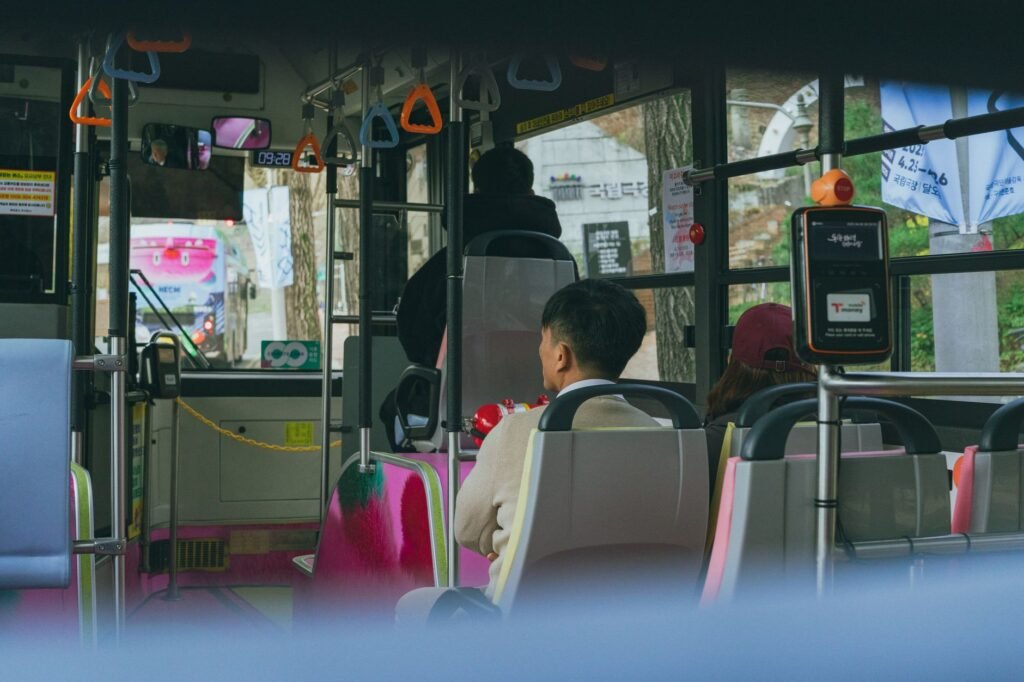
- Buses: Buses cover areas that the subway might not reach. They are also an economical option, and using a T-money card can make traveling seamless.
- Taxis: Taxis are readily available but ensure you have your destination written in Korean, as many drivers may not speak English.
Consider purchasing a T-money card, which can be used for both subway and bus rides, simplifying your travel experience.
Currency and Money Management
The currency used in South Korea is the Korean Won (KRW). Here are some tips for managing your money while traveling:
- Currency Exchange: It’s best to exchange a small amount of money before arriving. ATMs are widely available and accept international cards.
- Credit Cards: Most places accept credit cards, but smaller shops and traditional markets may prefer cash, so keep some on hand.
- Budgeting: Dining out can be inexpensive, with meals ranging from street food to fine dining. Set a daily budget for food, transportation, and activities.
Using cash for smaller transactions can prevent any confusion and help you manage your budget effectively.
Food and Dining Customs
South Korea is a food lover’s paradise, offering a wide array of dishes that reflect the country’s culture. Here are some culinary highlights and dining customs:
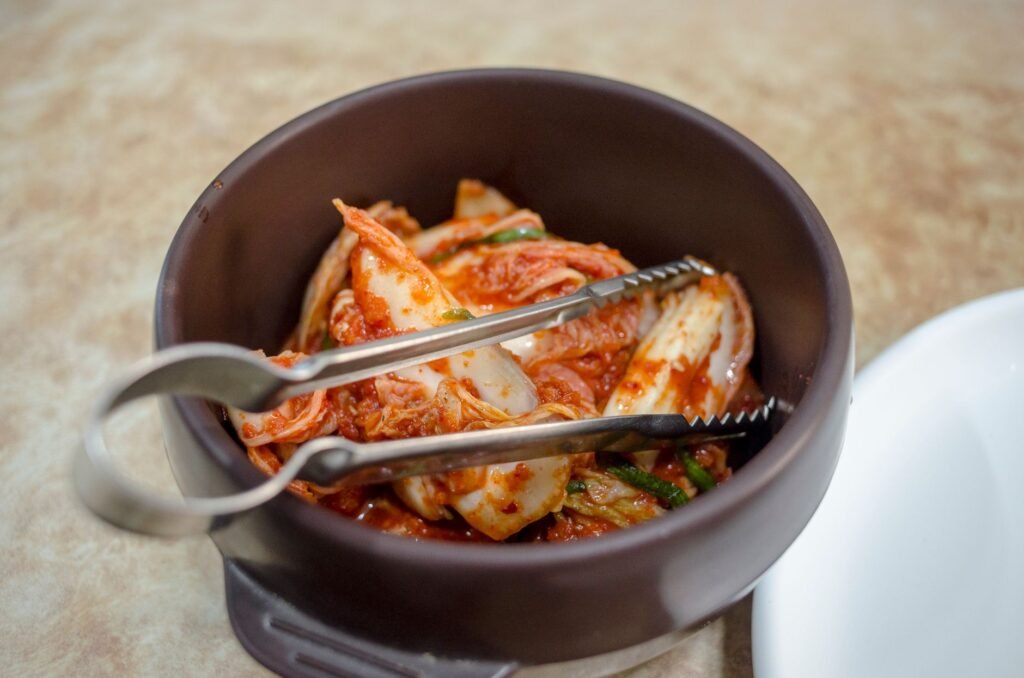
- Popular Dishes: Don’t miss trying Kimchi, Bibimbap, and Korean BBQ. Each dish offers a unique taste of Korean flavors.
- Street Food: Explore street food markets for snacks like Tteokbokki (spicy rice cakes) and Hotteok (sweet pancakes). These are not only delicious but also affordable.
- Dining Customs: When dining, you may notice shared plates. It’s common to share dishes among your group, fostering a communal dining experience.
Eating in South Korea is not just about the food; it’s also about the experience. Engage with vendors, try new flavors, and enjoy the vibrant food culture.
Internet Connectivity and Communication
Staying connected while traveling in South Korea is relatively easy. Here are some options for internet access:
- SIM Cards: Purchase a local SIM card at the airport or convenience stores. Plans are available for tourists and often include unlimited data.
- Wi-Fi Availability: South Korea has widespread free Wi-Fi in cafes, restaurants, and public spaces, making it convenient to stay connected.
- Mobile Hotspots: Rent a portable Wi-Fi device if traveling in a group or if you require constant internet access.
Having internet access can enhance your travel experience by helping you navigate, communicate, and share your adventures in real-time.
Safety and Health Considerations
South Korea is generally a safe country for travelers, but it’s always wise to take precautions. Here are some safety tips:
- Emergency Numbers: The emergency number for police is 112, and for fire/ambulance, it’s 119. Familiarize yourself with these numbers.
- Health Insurance: Ensure you have travel health insurance that covers any potential medical needs during your stay.
- Local Laws: Be aware of local laws regarding alcohol consumption, smoking, and public behavior. Respect for the laws will keep your visit enjoyable.
Staying informed about your surroundings and understanding local laws can help you avoid unnecessary issues during your trip.
Understanding South Korea’s Climate and Best Travel Seasons
Seasonal Overview
South Korea experiences four distinct seasons, each offering unique experiences for travelers. Spring (April to June) is famed for its cherry blossoms, especially in cities like Seoul and Busan. Summer (July to August) can be hot and humid, with frequent monsoon rains, making it less ideal for outdoor activities. Autumn (September to November) brings stunning fall foliage, while winter (December to February) offers cold temperatures and opportunities for winter sports in the mountainous regions.
Best Times to Visit
The best times to visit South Korea are during spring and autumn when the weather is mild, and natural beauty is at its peak. Spring is particularly vibrant with festivals celebrating the blooming flowers. Autumn, on the other hand, attracts visitors with its colorful landscapes and cooler weather, perfect for hiking and sightseeing. If you plan on traveling during the summer, be prepared for heat and humidity, and consider visiting coastal cities where you can enjoy beach activities.
What to Pack for Different Seasons
When traveling to South Korea, packing appropriately for the season can enhance your experience. Here’s a list of essentials based on the season:
- Spring: Lightweight jackets, comfortable walking shoes, and a camera for capturing the blossoms.
- Summer: Breathable clothing, sunscreen, umbrellas for sudden rain showers, and insect repellent.
- Autumn: Layered clothing, a warm jacket, and hiking gear if you plan to explore the countryside.
- Winter: Heavy coats, thermal wear, gloves, and boots for snow if you wish to visit ski resorts.
Navigating South Korea’s Cultural Landmarks and Historical Sites
Must-Visit Historical Sites
South Korea is rich in history and culture, with numerous historical sites that tell the story of its past. Key destinations include the Gyeongbokgung Palace in Seoul, which showcases stunning architecture and beautiful gardens. The ancient city of Gyeongju, often referred to as a ‘museum without walls’, features numerous tombs and relics from the Silla Dynasty. Another significant site is the DMZ (Demilitarized Zone), which offers a unique glimpse into the country’s division and ongoing tensions.
Understanding the Significance of Temples and Shrines
Temples and shrines are integral to understanding South Korean culture and spirituality. The Jogyesa Temple in Seoul is the main temple of Korean Buddhism and is a serene place to experience local traditions. Haeinsa Temple, home to the Tripitaka Koreana, is a UNESCO World Heritage site and offers a peaceful retreat in nature. Visitors are encouraged to be respectful, observe rituals, and learn about the philosophy behind these spiritual sites.
Engaging in Cultural Activities
Participating in cultural activities can greatly enhance your understanding of South Korea. Consider the following options:
- Hanbok Experience: Rent a traditional Korean dress and explore historical sites while dressed in hanbok.
- Korean Cooking Class: Learn to make popular dishes like kimchi or bibimbap, often taught by local chefs.
- Taekwondo Class: Take a beginner’s class to understand the martial art’s significance in South Korean culture.
Exploring South Korea’s Modern Attractions and Entertainment
Urban Adventures in Major Cities
South Korea’s cities are a blend of traditional culture and modern innovation. Seoul, the capital, offers vibrant districts like Gangnam for shopping and nightlife, and Hongdae for youthful energy and street performances. Busan, known for its beaches, also hosts the Busan International Film Festival, making it a hotspot for cinema lovers. In Incheon, you can explore Songdo, a smart city designed for sustainability and technology.
Entertainment and K-Pop Culture
K-Pop has become a global phenomenon, and experiencing it in South Korea is a must. Visit entertainment agencies and concert venues, or even attend a live performance. The SMTOWN Coex Artium in Seoul features exhibitions and a shop dedicated to K-Pop culture. For fans looking for a more immersive experience, consider booking a K-Pop dance class or a tour of famous filming locations from popular music videos.
Shopping and Souvenir Hunting
Shopping in South Korea is a unique experience, offering everything from high-end fashion to traditional handicrafts. Popular districts include Myeongdong for beauty products and street food, and Insadong for antiques and crafts. When shopping, keep in mind the following tips for a successful experience:
- Bargaining: While not common in department stores, you can negotiate prices in markets.
- Duty-Free Shopping: Check out duty-free shops at airports for discounts on luxury goods.
- Local Souvenirs: Look for items like traditional pottery, Hanji paper, and K-Pop merchandise.
Understanding South Korean Tipping Culture
Tipping Norms in Various Settings
Tipping is not a common practice in South Korea, and many locals do not expect it. In restaurants, service charges are usually included in the bill. However, if you received exceptional service, leaving small change or rounding up the bill can be appreciated. Here’s a quick guide for different settings:
- Restaurants: No tipping is required, but rounding up is fine.
- Taxis: Tipping is not expected, but you may leave small change.
- Hotels: It is customary to tip bellhops around 1,000 to 2,000 KRW for carrying luggage.
Cultural Sensitivity and Personal Space
South Koreans value personal space and privacy. While public places can be crowded, it’s important to respect individual space in social interactions. Avoid standing too close when talking, and keep your hands to yourself unless a handshake is initiated. Additionally, physical contact such as hugs or back slaps should be avoided unless you know the person well.
In social settings, it’s also important to be aware of how you address people. Using titles and surnames rather than first names shows respect. If unsure, use “ssi” after the person’s name to add a respectful tone.

Exploring Local Markets and Shopping Etiquette
Navigating Markets
Visiting local markets like Gwangjang Market or Namdaemun Market is a must for any traveler. These vibrant places offer everything from street food to traditional crafts. When shopping, bargaining is acceptable but should be done politely. Start with a friendly smile and a lower offer than the asking price, and be prepared to negotiate.
Shopping Tips
When shopping in South Korea, it’s crucial to remember a few etiquette tips:
- Always greet the shopkeeper upon entering.
- If you’re trying on clothes, be respectful and keep the area tidy.
- Payment is usually made at the register, not directly to the salesperson.
Unique Festivals and Events
Participating in Local Festivals
South Korea hosts numerous festivals throughout the year that showcase its rich culture and traditions. Participating in these events can enhance your travel experience. Some popular festivals include:
- Cherry Blossom Festival: Celebrated in April, this festival occurs in various cities and features beautiful cherry blossoms.
- Busan International Film Festival: Held in October, it attracts filmmakers and cinema enthusiasts from around the world.
- Gwangju Biennale: An international contemporary art exhibition held every two years, showcasing innovative artworks.
Understanding Festival Etiquette
During festivals, it’s essential to be respectful of local customs. Dress modestly, avoid loud conversations, and be mindful of photography rules. Many festivals offer food and entertainment, so try local delicacies and engage with performances to enhance your cultural appreciation.
Frequently Asked Questions
What is the best time to visit South Korea?
The best time to visit South Korea is during spring (April to June) and fall (September to November). The weather is pleasant, and you can enjoy beautiful cherry blossoms or fall foliage.
Is it necessary to tip in South Korea?
Tipping is not customary in South Korea, and service charges are often included in bills. However, rounding up the bill or leaving small change in restaurants is appreciated but not expected.
Do I need a visa to travel to South Korea?
Visa requirements vary by nationality. Many travelers can enter South Korea visa-free for a period of up to 90 days for tourism. Check with your local embassy for the most accurate information.
Can I use my credit card in South Korea?
Yes, credit cards are widely accepted in urban areas. However, carry cash for smaller shops and traditional markets where cards may not be accepted.
The Bottom Line
Traveling to South Korea offers a unique blend of modernity and tradition. By understanding cultural etiquette, familiarizing yourself with the local language, and navigating public transportation effectively, you can ensure a rewarding travel experience. Embrace the local cuisine and customs, stay informed about safety, and make the most of your adventure in this dynamic country.