Key Takeaways
- Understand local customs and etiquette.
- Explore diverse landscapes and historical sites.
- Plan your visit around local festivals.
- Be aware of transport options and costs.
Transylvania, a region steeped in mystery and rich history, draws travelers from all over the world. Known for its stunning landscapes, medieval towns, and vibrant culture, it offers a unique blend of experiences. However, before embarking on your journey to this enchanting part of Romania, there are several essential things to know that can enhance your visit.
This guide will provide you with practical insights on local customs, attractions, and travel tips. Whether you are interested in exploring its famed castles, enjoying its picturesque villages, or immersing yourself in local traditions, understanding these aspects will help you make the most of your time in Transylvania.
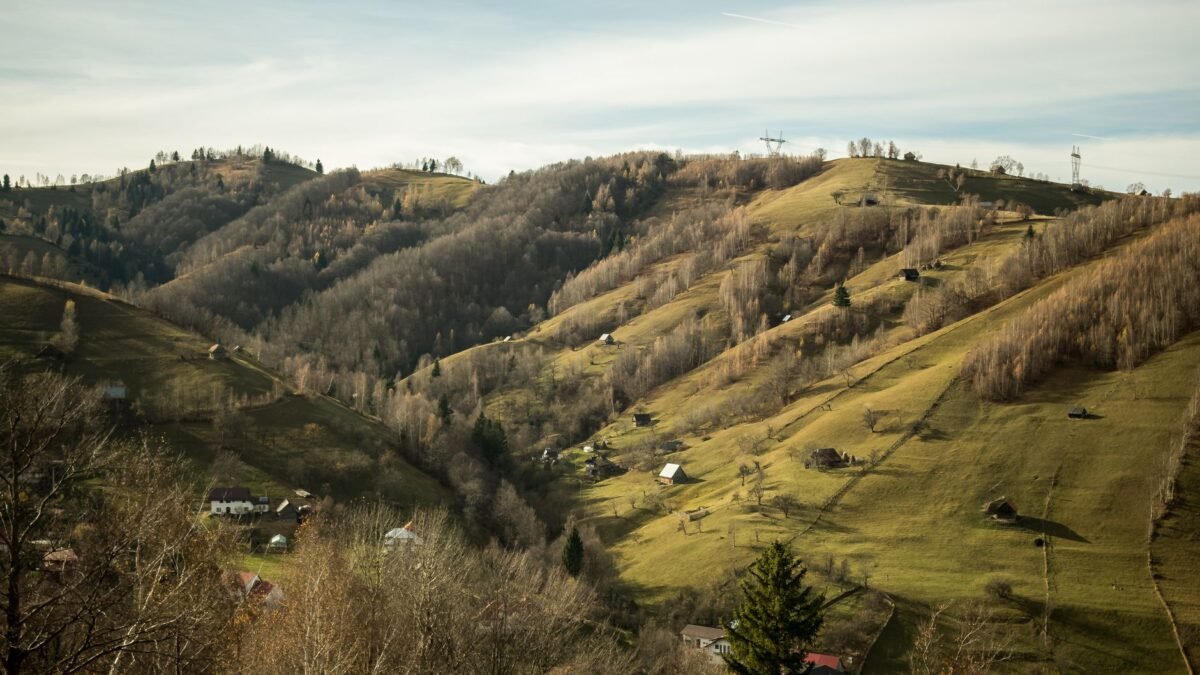
From the bustling city of Cluj-Napoca to the serene beauty of the Carpathian Mountains, Transylvania is a treasure trove of wonders waiting to be explored. Let’s delve into the key points you should consider before your trip.
Understanding Local Customs and Etiquette
When visiting Transylvania, being aware of local customs and etiquette can enhance your interactions with residents and enrich your experience. Romania has a blend of cultural influences, and Transylvania, in particular, is known for its multicultural heritage, with Romanian, Hungarian, and Saxon influences.
Greetings: A friendly handshake is the common form of greeting. When meeting someone for the first time, it is polite to maintain eye contact and smile. In more formal situations, addressing people with their titles (Mr., Mrs., Dr.) followed by their surname is respectful.
Dining Etiquette: If you are invited to someone’s home, it is customary to bring a small gift, such as flowers, wine, or sweets. During meals, wait for the host to start eating before you begin. It’s also polite to finish everything on your plate to show appreciation for the meal.
Dress Code: While casual attire is acceptable in most settings, dressing nicely is appreciated, especially in religious sites and during formal occasions. In rural areas, traditional clothing may still be worn, reflecting the local culture.
Transportation Options in Transylvania
Getting around Transylvania can be a delightful adventure in itself, with various transportation methods available. Understanding these options will help you navigate the region more efficiently.
Public Transportation: Romania has a reasonably good public transportation system. Buses and trains connect major cities and towns. For instance, the train ride between Cluj-Napoca and Brașov offers scenic views of the countryside. However, be prepared for potential delays or schedule changes, especially in rural areas.
Car Rentals: Renting a car is a popular choice for exploring Transylvania, as it provides the flexibility to visit remote villages and attractions at your own pace. Major rental companies operate in cities like Cluj-Napoca and Târgu Mureș. Ensure you have a valid driver’s license and familiarize yourself with local driving regulations.
Taxi Services and Ride-Sharing: Taxis are widely available in urban areas, and many drivers speak some English. Ride-sharing apps like Uber operate in larger cities, offering a convenient option for travelers.
Must-See Attractions
Transylvania is renowned for its historical sites and breathtaking landscapes. Here are some must-see attractions that should be on your itinerary:
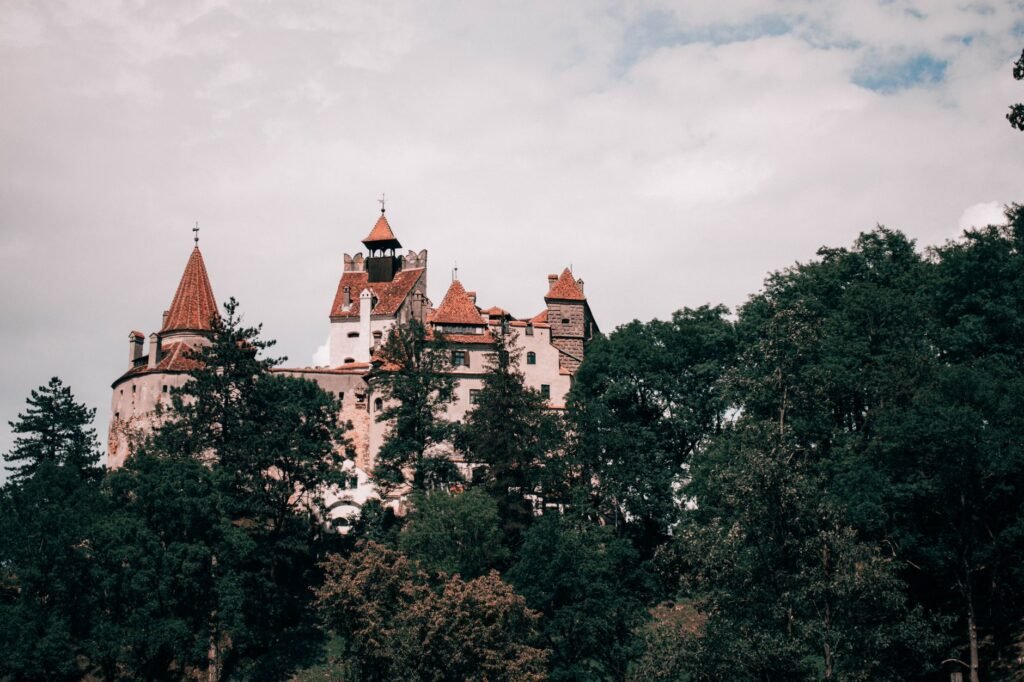
- Bran Castle: Often referred to as Dracula’s Castle, this iconic structure attracts visitors for its association with Bram Stoker’s novel. The castle boasts impressive architecture and a rich history.
- Sighișoara: A UNESCO World Heritage site, this well-preserved medieval town is the birthplace of Vlad the Impaler. Stroll through its cobblestone streets and visit the Clock Tower and the Church on the Hill.
- Transfăgărășan Highway: Considered one of the most scenic drives in the world, this winding road offers stunning views of the Carpathian Mountains. It is best visited during the summer months when it is fully accessible.
- Corvin Castle: Located in Hunedoara, this Gothic-Renaissance castle is one of the largest in Europe and features impressive towers and a rich history.
- Apuseni Natural Park: For nature lovers, this park offers hiking trails, caves, and opportunities for wildlife spotting. The stunning landscapes are perfect for outdoor activities.
Local Cuisine and Dining Experiences
Exploring Transylvania’s culinary scene is a delightful aspect of any visit. The region offers a variety of traditional dishes influenced by its diverse cultures.
Traditional Dishes: Don’t miss trying dishes like sarmale (cabbage rolls filled with meat and rice), mămăligă (cornmeal porridge), and cozonac (sweet bread). Each dish reflects the local flavors and ingredients.
Dining Out: Transylvania has a range of dining options, from casual bistros to fine dining restaurants. Local markets are also great places to sample street food and regional specialties. For a unique experience, consider dining in a traditional casa de oaspeți (guesthouse) where you can enjoy homemade meals.
Wine Tasting: The region is known for its wine production, particularly in the areas around Blaj and Târgu Mureș. Participating in a wine tasting tour can provide insight into local varieties and production methods.
Understanding Local Festivals and Events
Transylvania hosts numerous festivals throughout the year that celebrate its rich culture and traditions. Planning your visit around these events can provide a more immersive experience.
Medieval Festivals: Many towns, like Sighișoara and Brașov, hold medieval festivals featuring reenactments, traditional music, and crafts. These events typically take place in the summer months and offer a glimpse into the region’s history.
Cultural Festivals: The region also celebrates various cultural events, such as the Cluj-Napoca Arts Festival, which showcases local and international artists. It’s an excellent opportunity to experience the vibrant arts scene.
Religious Holidays: If you visit during Orthodox Easter or Christmas, you can witness local customs and traditions that are deeply rooted in Romanian culture. Special services and celebrations take place in churches and communities.
Safety Tips for Travelers
While Transylvania is generally a safe destination for travelers, it is essential to take standard safety precautions to ensure a worry-free trip.
Personal Safety: Petty crime, such as pickpocketing, can occur in crowded areas. Keep your belongings secure and be aware of your surroundings, especially in busy tourist spots.
Health Precautions: Make sure to have travel insurance that covers health emergencies. Tap water is generally safe to drink in most urban areas, but in rural regions, it’s advisable to drink bottled water.
Emergency Contacts: Familiarize yourself with local emergency numbers. In Romania, the emergency services number is 112. It’s helpful to know the location of the nearest hospital or medical facility when traveling.
Exploring Transylvania’s Natural Wonders
National Parks and Nature Reserves
Transylvania is not only rich in history and culture but also boasts stunning natural landscapes. The region is home to several national parks and nature reserves that offer breathtaking scenery and outdoor activities. The Apuseni Natural Park, for example, is famous for its limestone formations, caves, and diverse flora and fauna. Hiking enthusiasts will find numerous trails that cater to all skill levels, allowing for a deep dive into the region’s natural beauty.
Another must-visit is the Retezat National Park, renowned for its rough mountain ridges and glacial lakes. This park is particularly appealing to those who enjoy trekking, as it offers well-marked paths leading to stunning viewpoints. Visitors can engage in various activities, including bird watching, rock climbing, and wildflower spotting during the summer months.
- Apuseni Natural Park: Caves, hiking trails, and diverse wildlife.
- Retezat National Park: Glacial lakes and mountain trekking.
- Cheile Nerei-Beușnița National Park: Waterfalls and pristine nature.
Outdoor Activities and Adventure Sports
For adventure seekers, Transylvania offers a plethora of outdoor activities that cater to adrenaline junkies. The region’s mountainous terrain is perfect for skiing and snowboarding in winter, particularly in areas like Poiana Brașov and Sinaia. These resorts provide excellent facilities and slopes for both beginners and experienced skiers.
In summer, the same mountains transform into a playground for hiking, mountain biking, and paragliding. The picturesque landscapes provide a stunning backdrop for all these activities. Many local companies offer guided tours for those who prefer to explore with an expert. For a unique experience, consider river rafting on the Cerna River, which is ideal for both beginners and seasoned rafters.
- Skiing in Poiana Brașov: Family-friendly slopes and ski schools.
- Mountain biking in the Făgăraș Mountains: Challenging trails and scenic views.
- Paragliding in Râșnov: Experience breathtaking aerial views of the region.
Understanding Transylvania’s Rich Folklore and Traditions
Legends and Myths
Transylvania is steeped in folklore, with tales and legends that have been passed down through generations. One of the most famous is the story of Dracula, inspired by Bram Stoker’s novel and the historical figure Vlad the Impaler. Visitors can explore various locations associated with these legends, such as Bran Castle, often referred to as Dracula’s Castle, which attracts tourists from around the world.
Beyond Dracula, the region is rich in other mythical stories involving vampires, fairies, and magical creatures. Local guides often share these stories during tours, offering insights into how they shape the cultural identity of Transylvania. Understanding these legends can enrich your visit, providing context to the landscapes and historic sites.
- Bran Castle: Explore the castle and its vampire lore.
- Local tales of fairies and mythical creatures: Discover how these stories influence local culture.
- Festivals celebrating folklore: Engage with events that showcase traditional stories and performances.
Traditional Crafts and Artisanal Products
Transylvania is known for its vibrant craft scene, with many artisans preserving traditional skills that have been practiced for centuries. From pottery and weaving to wood carving and embroidery, these crafts are an integral part of the region’s cultural heritage. Visitors can find unique souvenirs by shopping at local markets or visiting workshops where artisans create their products.
Participating in a craft workshop is an excellent way to immerse yourself in Transylvanian culture. Many places offer hands-on experiences where you can learn to create your own piece of art under the guidance of a skilled craftsman. This not only supports local artisans but also provides a memorable experience that you can take home.
- Pottery in Corund: Explore traditional pottery techniques.
- Wood carving in Viscri: Discover handcrafted wooden items.
- Textiles in Sighișoara: Learn about traditional weaving techniques.
Practical Considerations for Travelers
Language and Communication
While Romanian is the official language of Transylvania, many locals in tourist areas speak English, especially those working in hospitality. However, learning a few basic Romanian phrases can enhance your interaction with locals and show respect for their culture. Simple greetings, such as “Bună ziua” (Good day) and “Mulțumesc” (Thank you), can go a long way in making connections.
Using translation apps can also be helpful, especially in more rural areas where English may not be as commonly spoken. Additionally, carrying a small phrasebook can be beneficial for travelers who want to communicate more effectively and immerse themselves in the local culture.
- Basic Romanian phrases: Learn essential words and greetings.
- Translation apps: Useful tools for communication.
- Phrasebooks: Handy for offline use in rural areas.
Currency and Payment Methods
The currency in Romania is the Romanian Leu (RON). Credit and debit cards are widely accepted in larger cities and tourist areas, but it is advisable to carry some cash for smaller establishments, markets, and rural areas. ATMs are readily available, but be mindful of potential foreign transaction fees from your bank.
When shopping at local markets or buying handicrafts, cash is usually preferred, and bargaining is often acceptable. This not only helps you save money but also engages you in the local culture. Always ensure you have small denominations, as larger bills may not be easily accepted in smaller shops.
- Currency: Romanian Leu (RON).
- Payment: Credit cards accepted in cities, cash for rural areas.
- ATMs: Widely available; check for fees.
Frequently Asked Questions
What is the best time to visit Transylvania?
The best time to visit Transylvania is during spring (April to June) and autumn (September to October) when the weather is pleasant, and the landscapes are stunning. Summer months can be crowded, while winter offers opportunities for skiing and winter sports.
Do I need a visa to visit Transylvania?
Romania is part of the European Union but not the Schengen Area. Citizens of many countries can enter Romania without a visa for short stays. Check with the Romanian embassy or consulate for specific visa requirements based on your nationality.
Is English widely spoken in Transylvania?
While English is not universally spoken, it is relatively common in tourist areas, hotels, and restaurants. Learning a few basic Romanian phrases can enhance your interactions with locals.
What should I pack for a trip to Transylvania?
Pack comfortable walking shoes for exploring towns and hiking. Depending on the season, layers are recommended, as temperatures can vary. Don’t forget a power adapter if you’re traveling from a different country.
The Bottom Line
Visiting Transylvania is an experience filled with historical intrigue, cultural richness, and natural beauty. By understanding the local customs, transportation options, and essential attractions, you can navigate this remarkable region with confidence. Embrace the local culture, taste the delicious cuisine, and enjoy the breathtaking landscapes that make Transylvania a must-visit destination.