Key Takeaways
- Explore rich history in Belgrade and Novi Sad.
- Experience diverse landscapes including national parks.
- Enjoy vibrant local cuisine and nightlife.
- Engage with friendly locals and unique cultural events.
Serbia, a hidden gem in Southeast Europe, offers a rich tapestry of history, culture, and natural beauty. Whether you’re drawn by the vibrant nightlife of Belgrade or the tranquil landscapes of its national parks, there’s something for every traveler. This guide explores the top things to do in Serbia, providing practical tips to enhance your journey.
With its blend of Eastern and Western influences, Serbia is a country that invites exploration. From ancient fortresses to modern art scenes, each destination reveals a unique story. As you plan your visit, consider the diverse activities that await you, ensuring a memorable experience.
Let’s embark on an adventure through Serbia, highlighting must-see locations, cultural experiences, and practical tips for making the most of your trip.
1. Explore Belgrade: The Heart of Serbia
Belgrade, the capital city, is known for its lively atmosphere and rich history. Begin your journey at Kalemegdan Fortress, a historical landmark overlooking the confluence of the Sava and Danube rivers. The fortress dates back to Roman times and offers stunning views of the city and waterways. Walking through its grounds, you can explore various museums and sculptures, making it a perfect starting point for your Belgrade adventure.
Next, head to Knez Mihailova Street, the main pedestrian thoroughfare filled with shops, cafes, and street performers. This vibrant street is ideal for people-watching and enjoying local snacks. Treat yourself to a burek, a savory pastry filled with meat or cheese, which you can find at many bakeries along the way.
Don’t miss the Belgrade Waterfront, a modern development along the river. It features a promenade where you can stroll, dine, and enjoy cultural events. The area is particularly lively during the evening when the city lights reflect off the water, creating a picturesque setting.
2. Experience Novi Sad: Cultural Capital
Novi Sad, located about an hour from Belgrade, is famous for the EXIT Festival, one of Europe’s largest music festivals held annually at the Petrovaradin Fortress. Beyond the music, Novi Sad offers a charming city center with baroque architecture, vibrant street art, and a welcoming atmosphere.
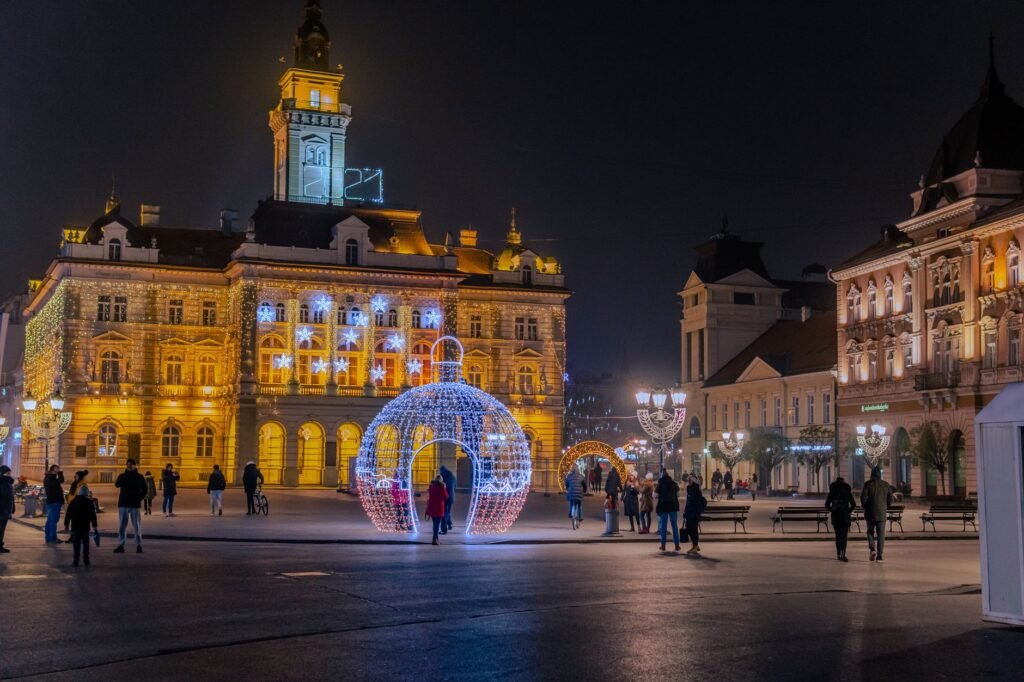
Visit the Freedom Square, where you can admire the City Hall and the Name of Mary Church. The square is often bustling with activities and is surrounded by cafes where you can enjoy a coffee while soaking in the local vibe.
The nearby Fruska Gora National Park is a perfect day trip for nature enthusiasts. With its rolling hills, vineyards, and monasteries, it’s an excellent spot for hiking and exploring the natural beauty of Serbia. Consider taking a guided tour to learn about the region’s history and ecological significance.

3. Discover Historical Sites: A Journey Through Time
Serbia is dotted with historical sites that reflect its turbulent past and rich cultural heritage. One such site is Studenica Monastery, a UNESCO World Heritage site known for its stunning medieval architecture and frescoes. Located in a serene setting, the monastery is a peaceful retreat for those interested in spirituality and history.
Another remarkable location is Niš Fortress, located in Serbia’s third-largest city, Niš. The fortress, which has stood for centuries, offers insight into the military history of the region. While you’re in Niš, consider visiting the Skull Tower, a chilling reminder of the city’s past during the Ottoman Empire.
Lastly, don’t overlook the Oplenac Church and the Royal Complex in Topola, which features beautiful mosaics and is the burial site of the Serbian royal family. The intricate designs and historical significance make it a worthwhile visit.
4. Enjoy Nature: National Parks and Outdoor Activities
Serbia boasts several national parks, each offering unique landscapes and activities. Tara National Park is known for its pristine nature, deep canyons, and rich biodiversity. Hiking trails vary in difficulty, making it suitable for both novices and experienced trekkers. If you’re lucky, you might spot a rare Serbian deer or enjoy the breathtaking views from the Drina River canyon.
Šargan-Mokra Gora is another must-visit, famous for its scenic railway, the Šargan Eight. The train ride offers a picturesque journey through lush forests and charming villages. Upon disembarking, you can explore the ethno-village of Drvengrad, built by director Emir Kusturica, which showcases traditional wooden architecture.
For those who enjoy water activities, Uvac Special Nature Reserve offers opportunities for kayaking and birdwatching. The Uvac River is renowned for its meandering curves and the presence of griffon vultures. Guided tours are available, ensuring a safe and enriching experience.
5. Savor Serbian Cuisine: A Culinary Journey
Serbian cuisine reflects its diverse cultural influences, offering a variety of delicious dishes. Start with ćevapi, grilled minced meat served with onions and somun (flatbread). This dish is a staple in local eateries and is a must-try for meat lovers.
Don’t miss out on sarma, cabbage rolls filled with minced meat and rice, slow-cooked in tomato sauce. This hearty dish is particularly popular during winter months and is often enjoyed with a side of mashed potatoes.
For dessert, indulge in torta šampita, a sweet meringue cake that’s light and fluffy. Pair your meal with a glass of local rakija, a fruit brandy that’s a traditional part of Serbian hospitality.
6. Experience Serbian Nightlife: Vibrant and Diverse
Serbia is renowned for its lively nightlife, particularly in Belgrade. The city’s club scene is vibrant, with venues catering to various musical tastes. One popular area is Skadarlija, known for its bohemian atmosphere and traditional restaurants where live music fills the air.
For a more contemporary experience, visit the Rooftop Bars scattered throughout Belgrade. These bars offer stunning views of the city skyline alongside creative cocktails and a relaxed atmosphere. Popular spots include 55th Floor and Sky Lounge.
If you’re looking for a unique experience, consider attending a live music event or a local festival. Serbia hosts numerous cultural events throughout the year, showcasing everything from folk music to modern electronic beats.
Art and Architecture: A Visual Exploration of Serbia
Modern Art Galleries and Exhibitions
Serbia has a thriving contemporary art scene that is often overshadowed by its historical sites. In Belgrade, galleries such as the Museum of Contemporary Art and Galerija 12 showcase both local and international artists, offering rotating exhibitions that highlight innovative works and emerging trends. These spaces often host events, lectures, and workshops, providing visitors with opportunities to engage directly with artists and their processes.
Other notable venues include the Artget Gallery, which focuses on photography and visual arts, and the Vojvodina Museum in Novi Sad that features a collection of modern art. Make sure to check their schedules as many exhibitions are temporary and can offer unique insights into the current artistic climate.
Architectural Wonders: From Byzantine to Brutalism
The architectural landscape of Serbia is a fascinating tapestry that reflects its diverse history. Visitors can explore stunning examples of Byzantine architecture at the Church of Saint Sava in Belgrade, one of the largest Orthodox churches in the world. This magnificent structure is not only a place of worship but also an artistic masterpiece, with intricate mosaics and a stunning dome that dominates the skyline.
On the other end of the spectrum, the city also boasts striking examples of Brutalist architecture, particularly from the socialist era. The Palace of Serbia and the Belgrade Youth Center are prime examples of this style, showcasing raw concrete forms and functional design. Exploring these buildings can provide a deeper understanding of the socio-political context of the time and the evolution of Serbia’s urban landscape.
A Journey Through Serbian Folk Art
Serbian folk art is an integral part of the country’s cultural identity, with traditional crafts ranging from pottery to intricate woodwork. Visiting local craft markets, such as the Skadarlija Street in Belgrade, allows travelers to see artisans at work and purchase unique handmade items. Many workshops offer classes where you can learn traditional crafts, such as pirot rugs or wood carving, making for a memorable souvenir that carries personal significance.
- Pirot Rugs: Handwoven textiles known for their vibrant colors and geometric patterns.
- Wooden Toys: Traditional handcrafted toys that reflect Serbian cultural themes.
- Pottery: Unique pieces often decorated with traditional motifs, available in various shapes and sizes.

Festivals and Events: Celebrating Serbian Culture
Annual Festivals You Can’t Miss
Serbia is home to a plethora of festivals that celebrate everything from music to food, providing an excellent opportunity for visitors to immerse themselves in local culture. One of the most notable is the EXIT Festival, held annually in Novi Sad. This music festival features a diverse lineup of international artists and attracts thousands of attendees, turning the Petrovaradin Fortress into a vibrant hub of creativity and celebration.
Another highlight is the Belgrade Beer Fest, where visitors can sample a wide range of local and international beers while enjoying live music and entertainment. This festival typically takes place in August and offers a unique atmosphere, showcasing Serbia’s growing craft beer industry.
Traditional Events and Cultural Celebrations
In addition to music festivals, Serbia celebrates numerous traditional events throughout the year. The Serbian Folklore Festival, held in various cities, showcases the rich heritage of Serbian dance, music, and costumes. This festival often features performances from local dance troupes and provides a platform for cultural exchange.
Another important event is the Guca Trumpet Festival, dedicated to the brass band music that is a staple of Serbian culture. This festival takes place in the small town of Guca and attracts trumpet players and enthusiasts from all over the world, creating a lively atmosphere filled with music, dance, and local food.
- EXIT Festival: A music festival in Novi Sad featuring numerous genres and artists.
- Belgrade Beer Fest: A celebration of beer with local brews and live entertainment.
- Guca Trumpet Festival: A festival celebrating Serbian brass band music.
Religious and Spiritual Festivals
Serbia’s rich spiritual heritage is reflected in its many religious celebrations. The Slava, a unique Serbian Orthodox tradition, is a family celebration honoring a patron saint. Each family has its own Slava, and visitors are often welcomed to join in the festivities, which include special prayers, traditional foods, and communal gatherings. Participating in a Slava can provide visitors with a unique insight into Serbian familial and communal bonds.
The Vidovdan (St. Vitus Day) is another significant religious holiday celebrated on June 28. It commemorates the Battle of Kosovo and is considered a day of remembrance and reflection for the Serbian people. Various events, such as religious services, cultural programs, and gatherings, occur throughout the country, providing an opportunity for visitors to engage with Serbian history and spirituality.
- Slava: A family celebration honoring a patron saint.
- Vidovdan: A day of remembrance commemorating the Battle of Kosovo.
- Christmas and Easter Celebrations: Traditional customs and services rich in cultural significance.
Adventure Activities: Thrilling Experiences in Serbia
Adrenaline-Pumping Sports
For those seeking adventure, Serbia offers a range of outdoor activities that cater to thrill-seekers. White-water rafting on the Drina River is a popular choice, providing exhilarating rapids and stunning scenery. Several companies offer guided tours, making it accessible for both beginners and experienced rafters. This experience not only satisfies the adrenaline rush but also allows participants to appreciate Serbia’s natural beauty.
Another exciting option is paragliding. The stunning landscapes of Kopaonik National Park make it a prime location for paragliding enthusiasts. Tandem flights are available, allowing even novices to experience the thrill of soaring above the mountains, with breathtaking views of the terrain below.
Skiing and Snowboarding in Winter Wonderland
In the winter months, Serbia transforms into a snowy paradise, particularly in the regions of Kopaonik and Stara Planina. These ski resorts offer excellent facilities for skiing and snowboarding, catering to all skill levels. Kopaonik, known as the “Mountain of the Sun,” boasts the largest ski area in Serbia, with well-maintained slopes, modern lifts, and a vibrant après-ski scene.
Stara Planina offers a more tranquil experience, perfect for those looking to escape the crowds. The picturesque landscapes, combined with a variety of trails, make it a great destination for both skiing and snowboarding. Rentals and lessons are available for those new to the sport, ensuring an enjoyable experience for all.
- Drina River Rafting: Exhilarating white-water rafting experiences.
- Kopaonik Ski Resort: Ideal for skiing and snowboarding with a lively atmosphere.
- Stara Planina: A quieter alternative for winter sports enthusiasts.
Hiking and Biking Trails
For nature lovers, Serbia offers a plethora of hiking and biking trails that showcase its diverse ecosystems. The Fruska Gora National Park is an excellent spot for hiking, featuring well-marked trails that wind through dense forests, vineyards, and historical monasteries. The park is home to numerous species of flora and fauna, providing a scenic backdrop for outdoor enthusiasts.
Biking is also a popular activity, with various routes ranging from easy to challenging. The Danube Cycle Route offers a leisurely path along the river, allowing cyclists to enjoy the stunning landscapes and charming towns along the way. This route is ideal for families and casual riders looking to explore Serbia at a relaxed pace while taking in the natural beauty of the countryside.
- Fruska Gora National Park: Hiking trails with historical significance.
- Danube Cycle Route: A scenic biking path perfect for families.
- Stara Planina Trails: Challenging hikes with breathtaking views.
Frequently Asked Questions
What is the best time to visit Serbia?
The best time to visit Serbia is during spring (April to June) and autumn (September to October) when the weather is mild and festivals are abundant.
Is Serbia safe for tourists?
Yes, Serbia is generally safe for tourists. However, as with any destination, it’s advisable to stay aware of your surroundings and take standard safety precautions.
What currency is used in Serbia?
The currency used in Serbia is the Serbian dinar (RSD). Credit cards are widely accepted, but having some cash is useful for smaller establishments.
Are there English-speaking guides available?
Yes, many tour operators in Serbia offer English-speaking guides, especially in major tourist areas, making it easy to navigate and learn about local culture.
The Bottom Line
Serbia is a destination that offers a blend of history, culture, and natural beauty. From the vibrant streets of Belgrade and Novi Sad to the tranquil landscapes of national parks, the top things to do in Serbia provide a rich travel experience. Whether you seek adventure, culinary delights, or engaging with friendly locals, Serbia has something to offer every traveler.
Always check local events and festivals during your visit to enhance your experience and connect with the culture.[/m4p_tip>