Key Takeaways
- Explore unique museums and cultural sites.
- Experience the local food scene, from street food to fine dining.
- Enjoy outdoor adventures, including geothermal baths and whale watching.
- Plan your visit around seasonal events for a special experience.
Reykjavik, the capital of Iceland, is a vibrant and eclectic city known for its unique blend of modern culture and rich history. Whether you’re wandering through its colorful streets, soaking in geothermal spas, or diving into its culinary delights, there are countless activities to engage in. This guide will help you navigate the top things to do in Reykjavik, ensuring you make the most of your visit.
The city is compact, making it easy to explore on foot or by bike. From iconic landmarks to hidden gems, there’s something for every traveler. Let’s take a closer look at some must-see attractions and experiences that should be on your itinerary.
1. Visit Hallgrimskirkja
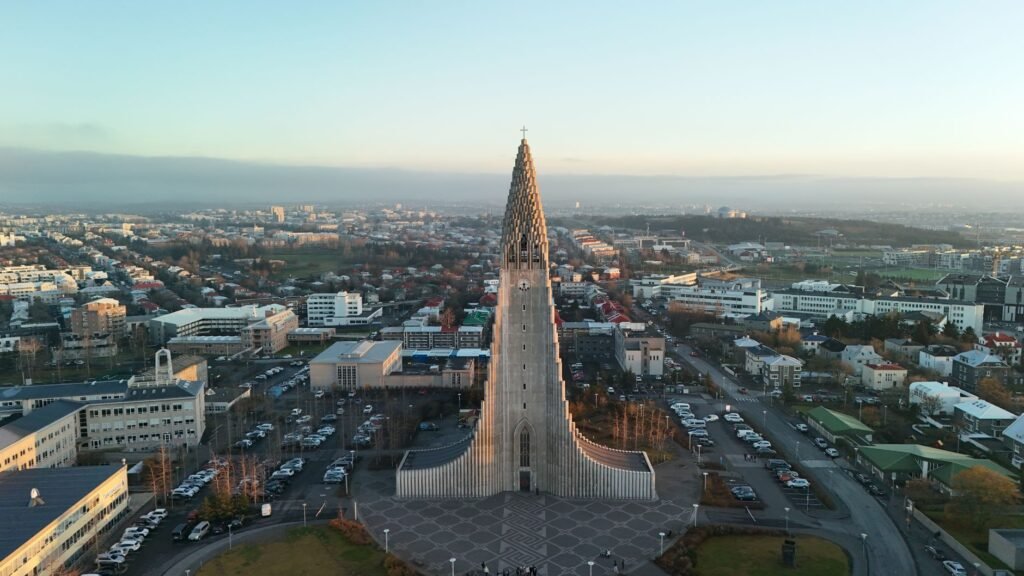
Hallgrimskirkja is an iconic landmark and one of the most recognizable structures in Reykjavik. This towering church, designed to resemble the basalt columns found in Iceland’s landscapes, is both an architectural marvel and a spiritual center. You can take an elevator to the top for panoramic views of the city and surrounding mountains.
Inside, the church features a stunning organ with over 5,000 pipes, which often hosts concerts. The serene atmosphere and beautiful stained glass windows provide a perfect backdrop for reflection. Visitors are encouraged to check the schedule for any special events or performances during their stay.
For those interested in history, the church was built in the 20th century and has become a symbol of Reykjavik. It’s also a great spot for photography, especially at sunset when the light casts a warm glow on the structure.
2. Explore the National Museum of Iceland
The National Museum of Iceland offers a comprehensive overview of the country’s history, from the Viking Age to modern times. Its exhibits are well-organized and provide insights into the cultural heritage of Iceland. As you walk through the museum, you’ll encounter artifacts that tell the story of Icelandic life, traditions, and folklore.
One of the highlights is the Valþjófsstaðakirkja altar piece, a stunning piece of medieval art. The museum also hosts temporary exhibitions that showcase contemporary Icelandic artists, making it a dynamic place to visit.
Before you leave, check out the museum shop for unique souvenirs, including books on Icelandic history and handcrafted items made by local artisans.
3. Discover the Harpa Concert Hall
Harpa Concert Hall is a stunning architectural feat located on the waterfront. Its glass facade, designed by renowned artist Olafur Eliasson, reflects the changing colors of the sky and sea, creating a mesmerizing visual experience. The concert hall hosts a variety of performances, including classical music, contemporary pop, and traditional Icelandic music.
Even if you don’t attend a concert, the building itself is worth a visit. You can explore its public spaces and enjoy a coffee at one of the cafes with views of the harbor. Guided tours are also available, providing insights into the design and function of the building.
During your visit, check the event calendar for any performances that may align with your schedule. Experiencing live music in such an extraordinary venue is a highlight of any trip to Reykjavik.

4. Experience the Reykjavik Art Museum
The Reykjavik Art Museum is divided into three locations: Hafnarhús, Kjarvalsstaðir, and Ásmundarsafn, each showcasing different aspects of Icelandic and international art. Hafnarhús, located by the harbor, focuses on contemporary art and hosts exciting temporary exhibitions.
Kjarvalsstaðir features works by the famous Icelandic painter Jóhannes S. Kjarval, whose landscapes capture the essence of Icelandic nature. Ásmundarsafn is dedicated to the sculptures of Ásmundur Sveinsson, offering a unique perspective on Icelandic sculpture.
Visitors can purchase a combined ticket for all three locations, making it convenient to explore the diverse art scene Reykjavik has to offer. Make sure to check the museum’s schedule for any workshops or events during your visit.
5. Enjoy the Local Cuisine
Reykjavik’s culinary scene is a reflection of its culture and geography. From traditional Icelandic dishes to modern gastronomy, the city offers a wide range of dining options. Start with trying local favorites such as lamb soup, fermented shark (hákarl), and fresh seafood.
- Bæjarins Beztu Pylsur: This famous hot dog stand is a must-visit for a quick bite. The lamb hot dogs topped with crispy onions and remoulade are legendary.
- Fish Market: For a more upscale experience, the Fish Market serves innovative seafood dishes that highlight fresh local ingredients.
- Grillmarkaðurinn: Known for its commitment to local produce, this restaurant offers a unique menu that changes with the seasons.
Whether you’re looking for a casual meal or an elegant dining experience, Reykjavik has something to satisfy every palate. Don’t forget to pair your meal with a local beer or a glass of Icelandic schnapps.
6. Relax in Geothermal Pools
One of the quintessential Icelandic experiences is soaking in geothermal pools. Reykjavik boasts several public swimming pools, which are an integral part of local life. The most famous is the Laugardalslaug, which features multiple hot tubs, a sauna, and a large swimming area.
Another popular option is the Nauthólsvík Geothermal Beach, where you can enjoy the unique experience of swimming in the ocean while being warmed by geothermal water. This beach is a perfect spot to relax on a sunny day.
For a more luxurious experience, consider visiting the Sky Lagoon, located just outside the city. This spa offers a stunning infinity pool overlooking the ocean, along with various wellness treatments and a beautiful sauna.
7. Take a Whale Watching Tour
Reykjavik serves as a prime location for whale watching, offering tours that take you into the rich marine waters of Faxaflói Bay. Various species, including orcas, humpback whales, and minke whales, can often be spotted during the summer months. Most tours are led by experienced guides who provide insights into the marine life and ecosystem.
It’s essential to choose a reputable tour operator and check reviews to ensure a good experience. Tours typically last around three hours, and it’s advisable to dress warmly, as it can be chilly out on the water.
Many operators offer a “whale guarantee,” which means that if you don’t see any whales, you can join another tour for free. This policy reflects the commitment of the operators to provide a satisfying experience for guests.

8. Visit the Sun Voyager
The Sun Voyager (Sólfar) is a striking sculpture located by the waterfront, representing a dreamboat and an ode to the sun. Created by artist Jón Gunnar Árnason, this stainless steel structure is an iconic photo spot, especially at sunset when it glows beautifully against the backdrop of the ocean and mountains.
As you stroll along the waterfront promenade, take a moment to appreciate the views of Mount Esja and the surrounding landscape. The area is perfect for leisurely walks, and you might also encounter other public art installations along the way.
Many locals enjoy jogging or cycling along this scenic path, making it a lively place to soak in the atmosphere of Reykjavik.
9. Explore the Old Harbour
The Old Harbour area has transformed from a fishing port into a vibrant district filled with shops, cafes, and galleries. It’s a fantastic place to wander and experience the local culture. Stop by one of the many cafes for a coffee and pastry while watching the boats come and go.
Art galleries and boutiques showcase local artisans, providing a great opportunity to pick up unique souvenirs. The harbour is also the departure point for many tours, including those for whale watching and puffin excursions during the summer months.
Don’t miss the chance to visit the Maritime Museum, where you can learn about Iceland’s rich seafaring history through interactive exhibits and historical artifacts.
10. Experience Nightlife in Reykjavik
Reykjavik is known for its lively nightlife scene, which comes alive after dark. The city has an array of bars, clubs, and music venues that cater to different tastes. From cozy pubs to energetic nightclubs, there’s something for everyone.
Popular areas to explore include Laugavegur, the main shopping street, and the waterfront, where you can find trendy bars and live music venues. Many places offer a relaxed atmosphere where you can enjoy a drink and socialize with locals and fellow travelers.
For a unique experience, consider visiting a themed bar or a venue that hosts live performances, such as traditional Icelandic music or contemporary bands. The nightlife in Reykjavik is not just about partying; it’s also a fantastic way to engage with local culture.
Unwind at Reykjavik’s Unique Spas
1. Blue Lagoon Spa
The Blue Lagoon is perhaps Iceland’s most famous spa, located about a 45-minute drive from Reykjavik. This geothermal spa is known for its milky blue waters, rich in minerals like silica and sulfur, which provide skin benefits and create a relaxing atmosphere. Visitors can indulge in a variety of treatments, from massages to facials, all while soaking in the warm waters. The experience is enhanced by stunning natural surroundings, making it a great place to unwind.
2. Sky Lagoon
Sky Lagoon is a newer addition to Reykjavik’s spa scene, offering a more intimate experience compared to the Blue Lagoon. It features a stunning infinity pool that overlooks the ocean, creating a serene ambiance. The lagoon is designed with a focus on relaxation, and visitors can enjoy a unique ritual that includes a series of thermal baths, a steam room, and a cold plunge. The experience here is often described as tranquil and rejuvenating, with fewer crowds.
- Infinity pool with ocean views
- Thermal baths and steam room
- Cold plunge for invigorating refreshment
3. Local Spa Experiences
For those looking for a more local touch, Reykjavik has several smaller spas that offer various wellness treatments. These often include traditional Icelandic massages using local techniques and organic products. Many spas incorporate elements of Icelandic culture, such as the use of local herbs and minerals in their treatments. Exploring these hidden gems can provide a unique insight into Icelandic wellness traditions.
Embark on a Day Trip from Reykjavik
1. Golden Circle
The Golden Circle is a popular day trip destination and offers a perfect snapshot of Iceland’s natural wonders. This route includes the stunning Gullfoss waterfall, the geothermal area in Haukadalur where Geysir and Strokkur are located, and Thingvellir National Park, a UNESCO World Heritage site. Visitors can explore tectonic plate boundaries and witness the beauty of Icelandic landscapes. This day trip is ideal for travelers looking to experience Iceland’s iconic sites without venturing too far from Reykjavik.
- Gullfoss Waterfall: An impressive two-tiered waterfall
- Geysir Geothermal Area: Home to active geysers
- Thingvellir National Park: A site of historical and geological significance
2. South Coast Adventures
The South Coast of Iceland is another spectacular option for a day trip. This route features black sand beaches, majestic waterfalls, and stunning glaciers. Key stops include Seljalandsfoss and Skogafoss waterfalls, both of which are easily accessible and provide breathtaking views. A visit to Reynisfjara beach offers the chance to see unique basalt columns and dramatic sea stacks. This trip is perfect for those interested in photography and nature.
- Seljalandsfoss: A waterfall you can walk behind
- Skogafoss: One of Iceland’s largest waterfalls
- Reynisfjara: A famous black sand beach
3. Snæfellsnes Peninsula
The Snæfellsnes Peninsula is often referred to as “Iceland in Miniature” due to its diverse landscapes. Just a couple of hours from Reykjavik, this area features stunning coastlines, dramatic mountains, and charming villages. Highlights include Kirkjufell mountain, which is one of the most photographed mountains in Iceland, and the Snæfellsjökull National Park, where visitors can explore lava fields and volcanic craters. This day trip allows visitors to experience a variety of Icelandic landscapes in one location.
Discover Reykjavik’s Cultural Festivals
1. Reykjavik Arts Festival
The Reykjavik Arts Festival is an annual event celebrating various forms of art, including visual arts, music, theater, and dance. Taking place in late May to early June, the festival features both local and international artists, providing a platform for creativity and collaboration. Attendees can enjoy performances in various venues around the city, including outdoor spaces, making art accessible to everyone. It is an excellent opportunity for visitors to immerse themselves in Icelandic culture.
2. Reykjavik Jazz Festival
The Reykjavik Jazz Festival, held every August, attracts jazz enthusiasts from around the world. This festival showcases both established and emerging artists, offering a mix of concerts, workshops, and jam sessions. The intimate setting allows for unique interactions between musicians and audiences, making it a must-visit for music lovers. The vibrant atmosphere throughout the city during this festival showcases Reykjavik’s appreciation for jazz and live music.
- Live performances in various venues
- Workshops for aspiring musicians
- Opportunities to meet artists
3. Culture Night
Culture Night, or Menningarnótt, is an annual celebration of Reykjavik’s diverse cultural scene, typically held in August. The event features a range of activities, including art exhibitions, live music, and street performances. Many museums and galleries open their doors for free, allowing visitors to explore Reykjavik’s rich cultural heritage. The city comes alive with festivities, making it a perfect time to experience the local arts scene and engage with the community.
Frequently Asked Questions
What is the best time to visit Reykjavik?
The best time to visit Reykjavik depends on your interests. Summer (June to August) offers mild weather and long daylight hours, perfect for outdoor activities. Winter (December to February) is ideal for viewing the Northern Lights and enjoying winter sports.
How do I get around Reykjavik?
Reykjavik is a walkable city, and many attractions are within close proximity. Public transportation, including buses, is reliable for reaching destinations outside the city center. Renting a bike is also a popular option for exploring at your own pace.
Are there any safety concerns in Reykjavik?
Reykjavik is considered one of the safest cities in the world. However, as with any travel destination, it’s wise to stay vigilant and take standard precautions, especially at night or in crowded areas.
What should I pack for a trip to Reykjavik?
Pack layers, as the weather can change quickly. Include waterproof clothing, comfortable walking shoes, and warm accessories like hats and gloves. Don’t forget a swimsuit for the geothermal pools!
The Bottom Line
Reykjavik offers a diverse range of activities and experiences that cater to all interests. From cultural sites and culinary delights to outdoor adventures and vibrant nightlife, this capital city has something for everyone. With careful planning and an adventurous spirit, you can discover the unique charm of Reykjavik and create unforgettable memories during your visit.