Key Takeaways
- Visit world-class museums like the Prado and Reina Sofia.
- Explore vibrant neighborhoods such as Malasaña and Chueca.
- Experience Madrid's rich culinary scene, including tapas and markets.
- Enjoy beautiful parks and outdoor spaces like Retiro Park.
Madrid, the vibrant capital of Spain, is a city that seamlessly blends rich history with modern flair. Known for its lively atmosphere, world-class art, and culinary delights, Madrid offers a plethora of activities for every type of traveler. Whether you’re an art enthusiast, a food lover, or someone who simply enjoys wandering through beautiful parks, there’s no shortage of things to do in this captivating city.
In this guide, we’ll explore the top things to do in Madrid, helping you craft an itinerary that captures the essence of this European gem. With practical tips and detailed insights, you’ll be well-equipped to navigate your way through Madrid’s diverse offerings, ensuring that your visit is both enjoyable and memorable.
So, let’s embark on this journey through Madrid, uncovering the must-see attractions and hidden gems that await you in this dynamic city.
1. Visit the World-Class Museums
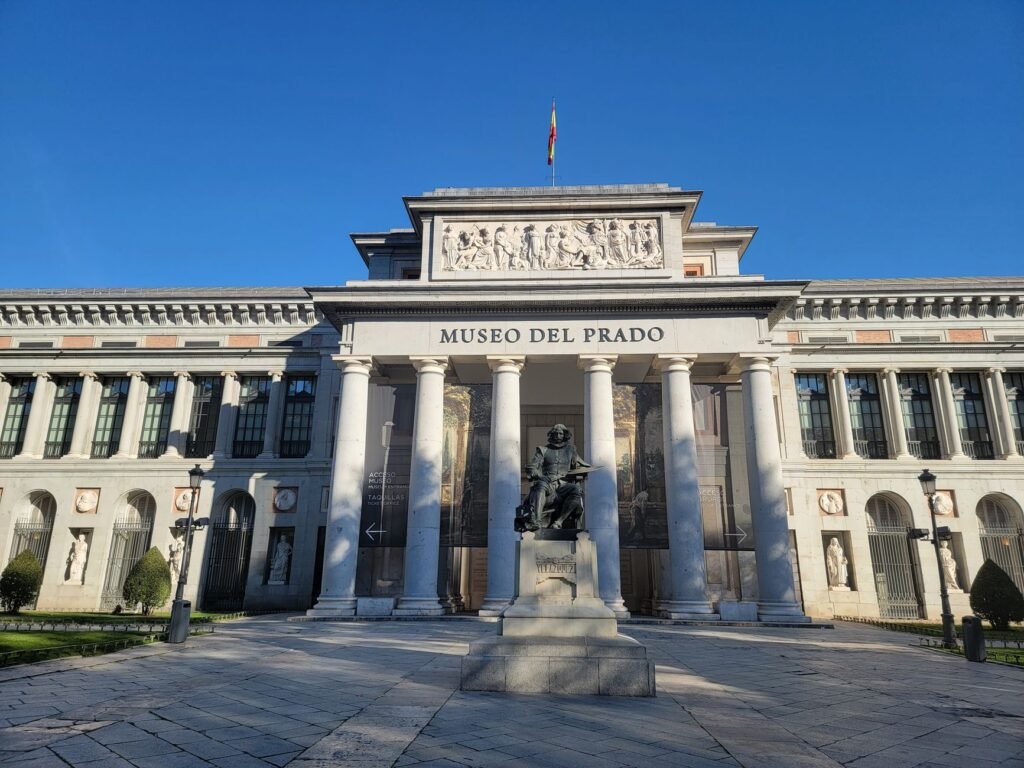
Madrid is home to some of the most prestigious museums in the world, making it a haven for art lovers. The city’s Golden Triangle of Art includes the Prado Museum, the Reina Sofia Museum, and the Thyssen-Bornemisza Museum.
The Prado Museum (Museo del Prado) is one of the finest art galleries globally, housing works by Spanish masters such as Velázquez, Goya, and El Greco. Its vast collection features over 8,000 paintings, with highlights including Velázquez’s ‘Las Meninas’ and Goya’s ‘The Third of May 1808’. A visit to the Prado is essential for understanding Spain’s artistic heritage.
Next, the Reina Sofia Museum (Museo Reina Sofía) focuses on contemporary art, showcasing works from the 20th century onwards. Perhaps the most famous piece in its collection is Pablo Picasso’s ‘Guernica’, a powerful anti-war painting that captivates visitors. The museum also features works by Salvador Dalí and Joan Miró, making it a must-visit for those interested in modern art.
The Thyssen-Bornemisza Museum (Museo Thyssen-Bornemisza) bridges the gap between the Renaissance and modern art, offering a diverse collection that includes masterpieces from Dutch, Italian, and English artists. Its impressive range allows visitors to appreciate the evolution of art styles across centuries.
- Tip: Consider purchasing a combined ticket for the three museums to save money and avoid long lines.
- Visit during off-peak hours: Early mornings or late afternoons are usually less crowded.
- Take a guided tour: Learning about the artworks from an expert can enrich your experience.
2. Stroll Through Retiro Park
No visit to Madrid is complete without a leisurely stroll through Retiro Park (Parque del Retiro). This expansive green space is the lungs of the city, offering a peaceful escape from the hustle and bustle. Once a royal retreat, Retiro Park features beautifully landscaped gardens, serene lakes, and impressive sculptures.
One of the park’s highlights is the Crystal Palace (Palacio de Cristal), an exquisite glass structure that often hosts art exhibitions. The surrounding gardens are perfect for a leisurely walk, with pathways lined with trees and flowerbeds bursting with color. You can also rent a rowboat on the lake, a delightful way to spend an afternoon.
In addition to its natural beauty, Retiro Park hosts various cultural events throughout the year, including outdoor concerts, theater performances, and art fairs. Be sure to check the park’s schedule during your visit to catch one of these lively events.
Quick tips for visiting Retiro Park:
- Bring a picnic: There are numerous spots where you can relax and enjoy a meal.
- Don’t miss the Glass Palace: It’s a stunning sight and often features interesting exhibitions.
- Visit the park’s various sculptures: They tell stories of Madrid’s rich history.
3. Discover the Historic Plaza Mayor
The Plaza Mayor is one of Madrid’s most iconic squares, steeped in history and bustling with life. Originally built in the 17th century, the plaza has served various purposes, from a marketplace to a venue for bullfights and public executions. Today, it is a vibrant gathering place surrounded by cafes, restaurants, and shops.
As you wander through the square, take a moment to admire the stunning architecture, featuring a mix of Baroque and Neoclassical styles. The square is framed by 237 balconies, offering a picturesque backdrop for photos. A must-see feature is the equestrian statue of King Philip III, which stands proudly in the center.
For a truly Madrid experience, enjoy a coffee or a traditional Spanish meal at one of the outdoor terraces. Try the famous calamari sandwich (bocadillo de calamares) from one of the local vendors. This simple yet delicious dish has become a staple in the area.
- Best time to visit: Early morning or late afternoon to avoid crowds.
- Look for street performers: The square often features musicians and artists.
- Explore nearby: The Mercado de San Miguel is just a short walk away, offering a taste of local delicacies.
4. Experience Madrid’s Culinary Scene
Madrid is a food lover’s paradise, offering a diverse culinary landscape that reflects the city’s rich history and culture. From traditional tapas to gourmet dining, the city’s food scene is as vibrant as its streets. Exploring the local cuisine is one of the top things to do in Madrid.
Start your culinary journey in the bustling Mercado de San Miguel, an iconic market where you can sample a wide variety of Spanish delicacies. From fresh seafood to artisanal cheeses and cured meats, this market is a feast for the senses. Grab a glass of wine and enjoy tasting small bites from different stalls.
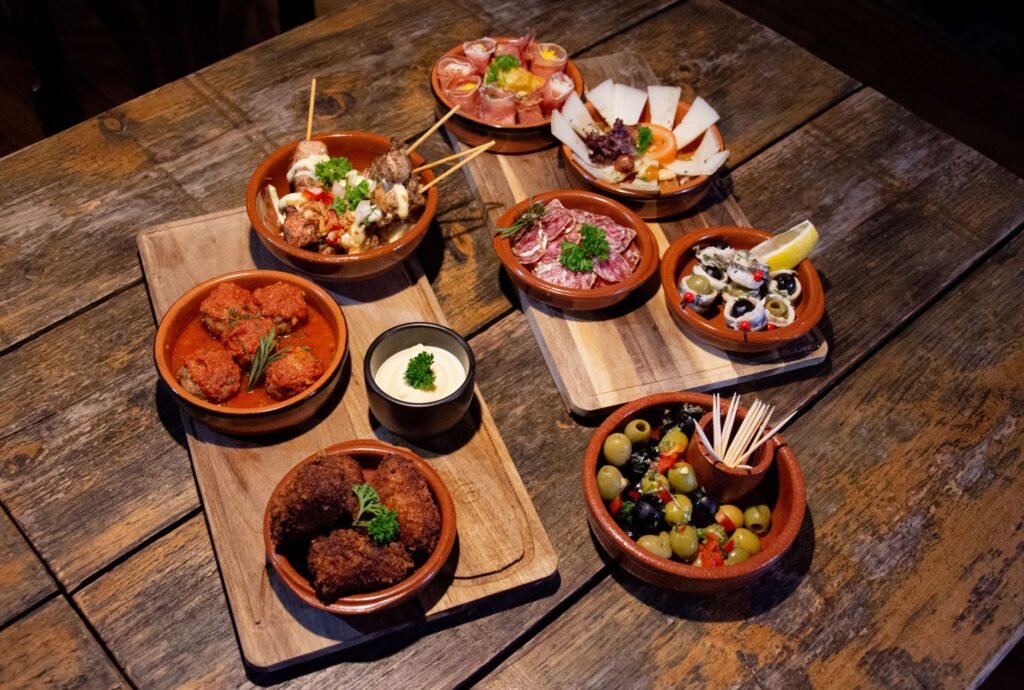
Don’t miss the opportunity to indulge in traditional tapas at local bars. Popular neighborhoods for tapas include La Latina and Malasaña, where you can hop from bar to bar, enjoying dishes like patatas bravas, jamón ibérico, and tortilla española. Each bar has its own unique atmosphere, making it a fun experience to explore.
For a memorable dining experience, consider trying one of Madrid’s Michelin-starred restaurants. These establishments provide a fusion of traditional Spanish flavors with contemporary techniques, resulting in innovative and unforgettable meals. Reservations are often required, so plan ahead.
- Try a food tour: Join a guided food tour to discover hidden gems and learn about local culinary traditions.
- Learn to cook: Consider taking a cooking class to make your own Spanish dishes.
- Explore local wines: Pair your meals with some of Spain’s excellent wines, particularly from the Rioja region.
5. Explore Madrid’s Neighborhoods
Madrid is a city of neighborhoods, each with its own unique character and charm. Exploring these diverse areas is one of the top things to do in Madrid, as it allows you to experience local life beyond the major tourist attractions.
The Malasaña neighborhood is known for its bohemian vibe, filled with vintage shops, street art, and trendy cafes. This area is popular among young locals and offers a vibrant nightlife scene. Spend an afternoon browsing the shops and enjoying a coffee at one of the many outdoor terraces.
Chueca, the city’s LGBTQ+ district, is another lively area worth visiting. Known for its inclusive atmosphere, Chueca features colorful streets, boutique shops, and a variety of bars and restaurants. The area is particularly vibrant during the annual Madrid Pride Festival, which draws visitors from around the world.
For a more traditional experience, head to the Austrias neighborhood. Here, you’ll find historic buildings, quaint squares, and significant landmarks like the Royal Palace. Walking through Austrias feels like stepping back in time, offering a glimpse of Madrid’s royal history.
- Use public transport: Madrid’s metro system is efficient and can easily take you between neighborhoods.
- Explore on foot: Many neighborhoods are best enjoyed by walking, allowing you to discover hidden gems.
- Check for local events: Each neighborhood often hosts festivals or markets that showcase local culture.
6. Visit the Royal Palace of Madrid
The Royal Palace of Madrid (Palacio Real) is an architectural marvel and a symbol of Spain’s monarchy. As one of the largest royal palaces in Europe, it boasts over 3,000 rooms and stunning gardens. While the royal family no longer resides here, the palace is used for official ceremonies and state functions.
Visitors can explore select areas of the palace, including the grand staircase, the Throne Room, and the Royal Armory. The opulent interiors are adorned with exquisite furnishings, tapestries, and artwork, offering a glimpse into the lavish lifestyle of Spain’s former royals. Guided tours are available and are recommended for a deeper understanding of the palace’s history.
The palace is surrounded by the beautiful Sabatini Gardens, where you can take a leisurely stroll and enjoy views of the palace. The gardens feature fountains, sculptures, and well-manicured hedges, making it a serene escape in the heart of the city.
- Check for free admission: On certain days, entry to the palace is free; check the official website for details.
- Plan your visit: Allocate at least 1.5 to 2 hours to explore the palace fully.
- Respect the rules: Photography may be restricted in certain areas, so be mindful of signs.
7. Enjoy the Nightlife in Madrid
Madrid is famous for its vibrant nightlife, offering a plethora of options for those looking to experience the city’s after-hours scene. The city truly comes alive after dark, with bars, clubs, and live music venues catering to a variety of tastes.
Start your evening in one of the many tapas bars, where you can enjoy small plates and drinks before heading out to dance. Popular neighborhoods for nightlife include Malasaña, Chueca, and Huertas, each offering a unique atmosphere. Expect to find everything from laid-back bars to energetic dance clubs.
For live music enthusiasts, Madrid has a thriving scene with venues that host everything from local bands to international artists. The legendary venue Café Central features jazz performances, while La Riviera is known for rock concerts. Check local listings for events during your visit.
- Don’t miss flamenco shows: Experience this traditional Spanish dance at venues like Casa Patas or Corral de la Morería.
- Plan for late nights: Madrileños typically start their nights late, with many bars opening around 10 PM.
- Use public transport: The metro operates until 1:30 AM, making it easy to get around.
Unwind at Madrid’s Hidden Gardens
El Jardín Secreto de Salvador Bachiller
One of Madrid’s best-kept secrets is the Salvador Bachiller Secret Garden, tucked away in the heart of the city. This enchanting space is adorned with lush greenery, vibrant flowers, and charming decor that transports visitors away from the bustling streets. A perfect spot for a quiet afternoon, the garden features cozy seating areas and a delightful café where you can sip coffee or enjoy a light meal.
Jardín del Príncipe de Anglona
Located in the historic district of La Latina, the Jardín del Príncipe de Anglona offers a serene escape from the urban chaos. This small yet picturesque garden is surrounded by elegant architecture and provides a tranquil atmosphere for relaxation. Visitors can stroll along the winding paths, admire the beautiful fountains, and take in the views of the nearby historic buildings.
El Parque de la Bombilla
El Parque de la Bombilla is another hidden gem in Madrid, known for its lush greenery and beautiful ponds. This park is perfect for families, featuring playgrounds, picnic areas, and walking paths. Enjoy a leisurely stroll while taking in the scenery, or pack a picnic to savor amidst nature. Key features of El Parque de la Bombilla include:
- Vast green spaces
- Playgrounds for children
- Ponds with ducks and swans

Engage with Madrid’s Art Scene Beyond the Museums
Street Art in Malasaña
The Malasaña neighborhood is famous for its vibrant street art that transforms walls into canvases. A stroll through the area reveals incredible murals and graffiti by local and international artists. Guided street art tours are available, providing insights into the stories behind the artwork and the artists themselves. Visitors can also find various cafes and shops, making it a lively place to spend the day.
Attend a Flamenco Show
Flamenco is an integral part of Spanish culture, and Madrid offers numerous venues showcasing this passionate art form. From intimate tablaos to larger theaters, you can experience the power and emotion of flamenco performances. Check out venues like Casa Patas or Corral de la Morería for authentic shows. Many venues also offer dinner options, allowing you to enjoy traditional cuisine while immersing yourself in the music and dance.
Participate in Local Workshops
Engaging in local workshops can provide a unique glimpse into Madrid’s artistic community. Options range from pottery and painting to cooking classes that teach you how to prepare traditional Spanish dishes. These hands-on experiences often take place in small groups, fostering a sense of community among participants. Popular workshops include:
- Spanish cooking classes
- Flamenco dance workshops
- Painting classes with local artists
Experience Madrid’s Festivals and Events
San Isidro Festival
The San Isidro Festival, held in May, is one of Madrid’s most cherished celebrations. Honoring the patron saint of the city, this festival features parades, music, and traditional dancing. The highlight is the procession of locals dressed in traditional attire, accompanied by a vibrant atmosphere filled with food stalls and live performances. Visitors can immerse themselves in the local culture and enjoy a variety of activities.
Madrid Pride (Orgullo)
Madrid Pride, or Orgullo, is one of the largest LGBTQ+ pride celebrations in Europe, taking place in late June or early July. The event includes a colorful parade, concerts, and parties that attract thousands of attendees. The vibrant atmosphere and sense of community make it a must-experience event for anyone visiting the city during this time.
La Paloma Festival
La Paloma Festival, celebrated in August, is a lively event that showcases Madrid’s local traditions. This festival features street parties, music, and cultural activities centered around the La Latina neighborhood. Enjoy traditional foods, participate in games, and listen to live performances while experiencing the joyful spirit of Madrid. Key highlights of La Paloma Festival include:
- Street performances
- Traditional food stalls
- Live music events
Frequently Asked Questions
What is the best time to visit Madrid?
The best time to visit Madrid is during the spring (March to May) and fall (September to November) when the weather is pleasant and there are fewer tourists. Summer can be very hot, while winter is mild but can get chilly.
How do I get around Madrid?
Madrid has an extensive and efficient public transport system, including metro, buses, and trams. The metro is the fastest way to navigate the city. Consider purchasing a travel card for unlimited travel, which can save you money and time.
Is Madrid an expensive city to visit?
Madrid can be affordable if you choose budget-friendly accommodations, dine at local tapas bars, and use public transport. Many attractions also have free entry on specific days, which can help manage costs.
What should I try to eat in Madrid?
When in Madrid, try traditional dishes like tapas (small plates), cocido madrileño (a hearty stew), and churros with chocolate. Don’t forget to sample local wines and cheeses as well.
The Bottom Line
Madrid is a city that offers a rich tapestry of experiences, from its world-renowned museums and historic sites to its lively neighborhoods and culinary delights. By exploring the top things to do in Madrid, you can immerse yourself in the culture and vibrancy that make this capital so special. With a little planning, your trip to Madrid will be filled with unforgettable memories and discoveries.