Key Takeaways
- Visit Vilnius for its stunning architecture.
- Explore the natural beauty of Trakai.
- Discover unique cultural experiences in Kaunas.
- Enjoy the coastal charm of Klaipeda and the Curonian Spit.
Lithuania, a hidden gem in the Baltics, offers a unique blend of history, culture, and natural beauty that captivates every traveler. With its picturesque cities, rich traditions, and stunning landscapes, Lithuania is an ideal destination for those seeking diverse experiences. Whether you’re wandering through medieval streets or exploring lush national parks, there are countless things to do in Lithuania that will leave lasting memories.
This guide aims to showcase the top things to do in Lithuania, ensuring that your visit is not only enjoyable but also enriching. From vibrant urban centers to serene natural retreats, Lithuania presents opportunities for exploration that cater to all interests.
As you plan your trip, consider the following highlights that will help you immerse yourself in Lithuanian culture and scenery. Each destination offers something unique, and understanding these key attractions will help you create a well-rounded itinerary.
1. Explore Vilnius: The Capital City
Architectural Wonders
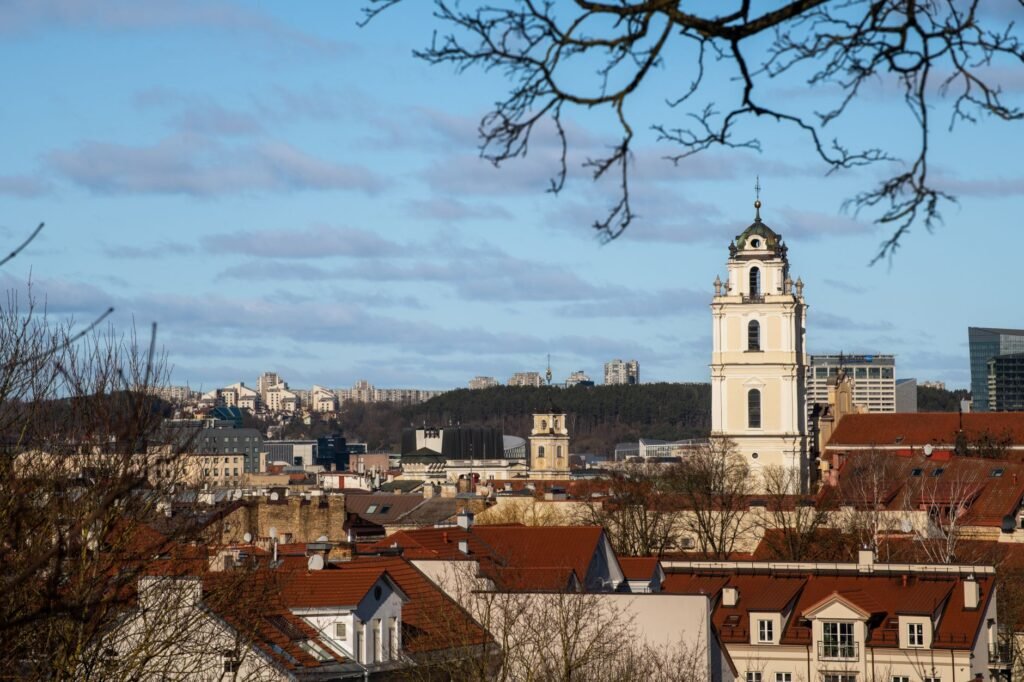
Vilnius, the capital of Lithuania, is renowned for its stunning architecture, which reflects a mix of Gothic, Renaissance, and Baroque styles. The Old Town, a UNESCO World Heritage Site, is a must-visit. Here, you can wander through cobblestone streets lined with colorful buildings, charming cafes, and historic churches. Key sites include:
- Vilnius Cathedral: An iconic symbol of the city, this neoclassical cathedral features an impressive bell tower.
- Gediminas Tower: Offering panoramic views, this historical tower is a remnant of the Upper Castle and a great spot for photos.
- St. Anne’s Church: A masterpiece of Gothic architecture, this church is famous for its intricate red-brick facade.
As you explore these sites, take time to appreciate the details and the stories behind each building, connecting with Lithuania’s rich history.
Cultural Experiences
Vilnius is not just about its architecture; it is also a cultural hub. The city hosts numerous galleries, theaters, and museums. Consider visiting:
- The National Museum of Lithuania: Here, you can delve into the country’s history and cultural heritage.
- The Vilnius Picture Gallery: Featuring works from the Renaissance to the present day, this gallery showcases Lithuanian art.
- The MO Museum: A contemporary art museum that highlights modern Lithuanian artists.
Engaging with local culture through art and history will deepen your understanding of Lithuania.
Gastronomy and Nightlife
No visit to Vilnius is complete without indulging in its culinary scene. Traditional Lithuanian dishes, such as cepelinai (potato dumplings) and šaltibarščiai (cold beet soup), are must-tries. For a lively evening, explore:
- Vokiečių Street: Known for its vibrant nightlife, this street is lined with bars and clubs.
- Uzupis District: This artistic neighborhood boasts quirky pubs and a bohemian atmosphere.
- Local Breweries: Sample craft beers at one of Vilnius’s many breweries, each offering a unique taste of Lithuanian brewing traditions.
The blend of traditional flavors and modern culinary innovations will surely satisfy your taste buds.
2. Trakai: A Fairy-Tale Castle
Historical Significance
Just a short drive from Vilnius, Trakai is famous for its picturesque island castle. The medieval Trakai Castle is set on an island in Lake Galvė and is surrounded by enchanting landscapes. This site holds great historical significance, having served as the residence of the Grand Dukes of Lithuania. Visitors can:
- Explore the Castle: Tour the interiors of the castle, where exhibitions about Lithuanian history are displayed.
- Enjoy Scenic Views: Walk along the lake’s shore for stunning views of the castle, especially during sunset.
- Learn about Karaim Culture: Discover the unique heritage of the Karaim people, who settled here centuries ago.
Trakai provides a perfect blend of history, culture, and breathtaking scenery.
Outdoor Activities
The natural beauty surrounding Trakai is ideal for outdoor enthusiasts. Engage in various activities, such as:
- Boating: Rent a canoe or kayak to explore the tranquil waters of Lake Galvė at your own pace.
- Hiking: Several trails around the lake offer great opportunities for hiking and enjoying the serene landscape.
- Picnicking: Pack a lunch and enjoy a picnic by the lakeside, soaking in the beautiful views.
These activities allow you to appreciate the area’s natural beauty while enjoying the fresh air.
Local Cuisine
Trakai is also known for its unique culinary specialties. When visiting, make sure to try:
- Kibinai: These savory pastries filled with meat or vegetables are a local favorite.
- Traditional Fish Dishes: Fresh fish from the lake is often served in local restaurants, providing a taste of the region.
- Local Honey: Purchase some artisanal honey from local vendors, a sweet souvenir to take home.
Sampling these local dishes enhances your overall experience of Trakai.
3. Kaunas: The Cultural Heart
Historical Landmarks
Kaunas, Lithuania’s second-largest city, is a vibrant center for culture and history. A stroll through the city reveals a mix of architectural styles and important historical sites. Highlights include:
- Kaunas Castle: This medieval castle is one of the oldest in Lithuania and offers insights into the city’s history.
- The Ninth Fort: A significant site during World War II, this fort is now a museum memorializing the victims of the Holocaust.
- Vytautas the Great War Museum: Dedicated to Lithuania’s military history, this museum houses a diverse collection of artifacts.
These landmarks not only showcase the rich history of Kaunas but also highlight its resilience through challenging times.
Art and Culture
Kaunas is increasingly recognized for its vibrant art scene. Visitors can explore:
- The Maironis Museum of Literature: Celebrating Lithuanian literature, this museum hosts various exhibitions and events.
- Contemporary Art Centre: This center features rotating exhibitions from both local and international artists.
- Street Art: Wander through the city to discover impressive street art that reflects Kaunas’s creative spirit.
Engaging with local art fosters a deeper connection to the city’s cultural heartbeat.
Culinary Highlights
Kaunas offers a diverse dining scene that features both traditional Lithuanian and international cuisine. When visiting, consider:
- Local Restaurants: Many establishments serve dishes made from locally sourced ingredients, ensuring freshness and quality.
- Cafés and Bakeries: Try traditional pastries and coffee at one of the cozy cafés scattered throughout the city.
- Food Markets: Visit local markets for fresh produce and artisanal products, perfect for tasting local flavors.
Exploring the culinary scene in Kaunas adds another layer to your travel experience.

4. Klaipeda and the Curonian Spit
Seaside Charm
Klaipeda, Lithuania’s only port city, is a gateway to the stunning Curonian Spit, a UNESCO World Heritage Site. This region is characterized by its sandy beaches and unique landscapes. In Klaipeda, you can:
- Visit the Old Town: Explore the charming streets filled with wooden architecture and vibrant cafes.
- Check out the Maritime Museum: This museum offers fascinating insights into Lithuania’s maritime history and features an aquarium.
- Experience the Sea Festival: If visiting in late July, don’t miss this annual celebration with music, food, and maritime activities.
These attractions highlight Klaipeda’s unique coastal culture and history.
Curonian Spit Adventures
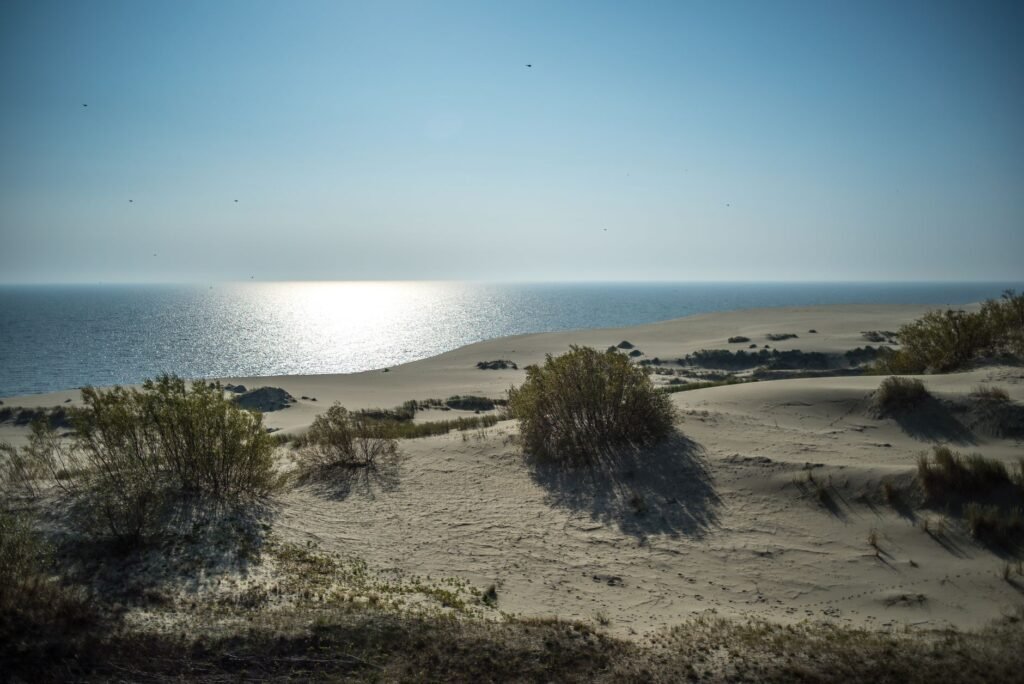
The Curonian Spit is a narrow strip of land separating the Curonian Lagoon from the Baltic Sea. It’s known for its stunning natural beauty and biodiversity. Activities here include:
- Hiking and Biking: Numerous trails meander through pine forests and along the dunes, offering breathtaking views.
- Sand Dune Exploration: Visit the famous Parnidis Dune, which provides panoramic views of the lagoon and the sea.
- Bird Watching: The area is a haven for birdwatchers, especially during migration seasons.
Experiencing the natural wonders of the Curonian Spit is essential for nature lovers.
Local Cuisine by the Sea
Klaipeda and the surrounding area offer fresh seafood that is a highlight of the local cuisine. Be sure to try:
- Smoked Fish: This regional specialty is a must-try at local markets and restaurants.
- Fried Eel: A traditional dish that showcases local fishing practices.
- Seafood Soup: Sample this hearty dish made with fresh catch from the Baltic Sea.
Enjoying these culinary delights enhances your seaside experience.
5. Nature Escapes: National Parks and Reserves
Žemaitija National Park
Žemaitija National Park, located in western Lithuania, is a haven for outdoor enthusiasts. Known for its forests, lakes, and cultural heritage, the park offers:
- Hiking Trails: A network of trails allows for exploration of the diverse landscapes, including scenic lakes and ancient forests.
- Lakeside Activities: Enjoy swimming, fishing, or boating in one of the many lakes.
- Cultural Sites: Discover historical sites, such as old wooden churches and traditional farms.
Visiting this park provides a chance to connect with nature and experience Lithuania’s natural beauty.
Curonian Lagoon Regional Park
This park surrounds the Curonian Lagoon and is known for its rich biodiversity. Activities in the park include:
- Kayaking: Paddle through the calm waters of the lagoon for a unique perspective of the natural surroundings.
- Birdwatching: The park is home to numerous bird species, making it an excellent spot for birdwatchers.
- Fishing: Enjoy a peaceful day fishing in the lagoon, with opportunities to catch various local species.
Engaging in these activities allows you to appreciate the tranquility and beauty of the region.
Other Natural Attractions
In addition to national parks, Lithuania is home to several other natural attractions worth exploring, such as:
- Anykščiai Regional Park: Known for its scenic views, this park features the famous Užutrakis Manor and the tallest tree in Lithuania.
- Žemaitija’s Lakes: The area is dotted with numerous lakes ideal for swimming and picnicking.
- Rugelis Hill: This hill offers panoramic views of the surrounding countryside and is a great spot for photography.
These natural wonders provide ample opportunities for relaxation and adventure in Lithuania’s serene landscapes.

Experiencing Lithuanian Cuisine: A Culinary Journey
Traditional Dishes to Try
Lithuanian cuisine is a reflection of its rich history and cultural influences from neighboring countries. One must-try dish is cepelinai, which are potato dumplings filled with meat and often served with a creamy sauce. Another staple is šaltibarščiai, a cold beetroot soup that is both refreshing and vibrant. For those with a sweet tooth, don’t miss kūčiukai, small pastries traditionally enjoyed during Christmas Eve.
- Cepelinai – Potato dumplings
- Šaltibarščiai – Cold beetroot soup
- Kūčiukai – Small Christmas pastries
Food Markets and Festivals
To truly immerse yourself in Lithuanian food culture, visit local food markets such as the Vilnius Hales Market. Here, you can find fresh produce, traditional cheeses, and homemade bread. Additionally, food festivals like the Klaipeda Sea Festival not only showcase local seafood but also celebrate the country’s culinary diversity through cooking demos and tastings. Engaging with local chefs and artisans at these events provides a unique insight into Lithuania’s gastronomic heritage.
Wine and Spirits
Lithuania may not be as famous for its wine as some of its neighbors, but it boasts a burgeoning craft beer scene. Visit breweries around the country, such as Švyturys in Klaipeda, to sample a range of local brews. Moreover, Lithuania has a tradition of making midus, a honey wine that is gaining popularity. Tasting these local beverages offers a delightful way to experience Lithuanian flavors.
Engaging with Lithuanian Folklore and Traditions
Folklore Festivals
One of the best ways to connect with Lithuanian culture is through its folklore festivals. Events like the Užgavėnės festival, celebrated before Lent, feature colorful masks, traditional music, and hearty food. This festival is a vibrant expression of local customs, where participants engage in lively dances and performances. Additionally, the Jūratė and Kastytis Festival celebrates the ancient myth of the sea goddess Jūratė, bringing together music, storytelling, and art.
Traditional Crafts and Workshops
Explore traditional crafts such as weaving, pottery, and wood carving by attending workshops in towns like Rumsiskes. Here, you can learn directly from artisans about their techniques and the history behind each craft. Many workshops also offer the chance to create your own piece, making for a memorable souvenir.
Regional Folklore Stories
Dive into the rich tapestry of Lithuanian folklore by exploring tales that have been passed down through generations. Stories about mythical creatures like Laumės (fairy-like women) and Velnias (the devil) are integral to the culture. Visiting museums or cultural centers can provide deeper insights into these narratives and their significance in Lithuanian identity.
Adventure Activities: Discovering Lithuania’s Thrill-Seeking Side
Hiking Trails and Biking Routes
Lithuania offers an array of hiking trails and biking routes that showcase its stunning landscapes. The Žemaitija National Park features scenic trails that wind through forests and lakes, perfect for both casual hikers and seasoned adventurers. For biking enthusiasts, the Nida to Klaipeda route along the Curonian Spit presents breathtaking views of sand dunes and the Baltic Sea.
Water Sports and Activities
The numerous lakes in Lithuania provide ample opportunities for water sports. Activities such as kayaking and paddleboarding can be enjoyed on lakes like Galvė and Drūkšiai. There are also organized tours that cater to various skill levels, ensuring a safe and enjoyable experience. Fishing is another popular activity, particularly in the larger lakes where you can catch a variety of fish.
Winter Sports
During winter, Lithuania transforms into a playground for snow enthusiasts. Ski resorts like Ignalina and Zarasyai offer skiing, snowboarding, and sledding options. Visitors can also enjoy ice skating on frozen lakes or partake in traditional winter sports like kiting on snow. Make sure to check local conditions and events, as many resorts host competitions and festivals during the winter months.
Frequently Asked Questions
What is the best time to visit Lithuania?
The best time to visit Lithuania is during the spring (April to June) and autumn (September to October) when the weather is mild and the landscape is beautiful. Summer can be crowded, while winter offers a unique experience with Christmas markets and winter sports.
Is Lithuania a safe country for travelers?
Yes, Lithuania is considered a safe country for travelers. Petty crime is low, but it’s wise to take common precautions, such as safeguarding your belongings and being aware of your surroundings.
What currency is used in Lithuania?
The currency used in Lithuania is the Euro (EUR). Credit cards are widely accepted, but it’s advisable to carry some cash for small purchases or in rural areas.
Do I need a visa to visit Lithuania?
Citizens of the EU, the USA, Canada, and several other countries can enter Lithuania without a visa for short stays. However, it’s essential to check the specific visa requirements based on your nationality before traveling.
The Bottom Line
Lithuania offers a diverse array of experiences, from exploring historical cities to enjoying stunning natural landscapes. With its rich cultural heritage and welcoming atmosphere, you will find plenty of top things to do in Lithuania that will make your trip unforgettable. Whether you are drawn to the architectural beauty of Vilnius, the historical significance of Trakai, or the serene nature of national parks, Lithuania has something for every traveler.