Key Takeaways
- Experience natural wonders like waterfalls and geysers.
- Enjoy vibrant city life in Reykjavik with culture and nightlife.
- Discover unique activities such as glacier hiking and hot springs.
- Plan for seasonal events and festivals for added excitement.
Iceland, known for its stunning landscapes and unique geological features, is a must-visit destination for travelers seeking adventure and natural beauty. From cascading waterfalls to geothermal hot springs, the country offers a plethora of activities that cater to all types of travelers. This article outlines the top things to do in Iceland, ensuring you experience the best this remarkable island has to offer.
With a rich Viking history, vibrant culture, and breathtaking natural wonders, Iceland provides a diverse range of attractions. Whether you are planning a family trip, a romantic getaway, or an adventurous solo journey, there’s something here for everyone. Let’s explore the top things to do in Iceland.
From the dramatic landscapes of the Golden Circle to the charming streets of Reykjavik, Iceland is a land of contrasts. Prepare to immerse yourself in its stunning beauty and unique experiences.
The Golden Circle: Nature’s Marvels
The Golden Circle is a popular tourist route that showcases some of Iceland’s most iconic natural wonders. Spanning approximately 300 kilometers, it can be easily explored in a day trip from Reykjavik. Key highlights include Þingvellir National Park, the Geysir Geothermal Area, and Gullfoss Waterfall. Each of these sites offers unique experiences that highlight Iceland’s geological beauty.
Þingvellir National Park
Þingvellir, a UNESCO World Heritage Site, is not only significant for its natural beauty but also for its historical importance. It is where the Althing, one of the world’s oldest parliaments, was established in 930 AD. Visitors can walk between the North American and Eurasian tectonic plates, offering a literal view of the continental drift.
The park features stunning landscapes, including lakes, rivers, and rugged cliffs. Hiking trails vary in difficulty and length, catering to all skill levels. A popular spot within the park is Silfra Fissure, where snorkeling and diving are available, allowing you to experience crystal-clear waters filled with fascinating marine life.
Geysir Geothermal Area
Just a short drive from Þingvellir, the Geysir Geothermal Area is home to the Strokkur geyser, which erupts every few minutes, reaching heights of up to 30 meters. This geothermal wonder provides an unforgettable spectacle for visitors. The surrounding area is dotted with bubbling mud pots and steaming vents, showcasing the raw power of the Earth’s geothermal activity.
When visiting, be sure to take the time to explore the walking paths that lead through this fascinating landscape. There are also informational signs that explain the geological processes at play, enhancing your understanding of this unique environment.
Gullfoss Waterfall
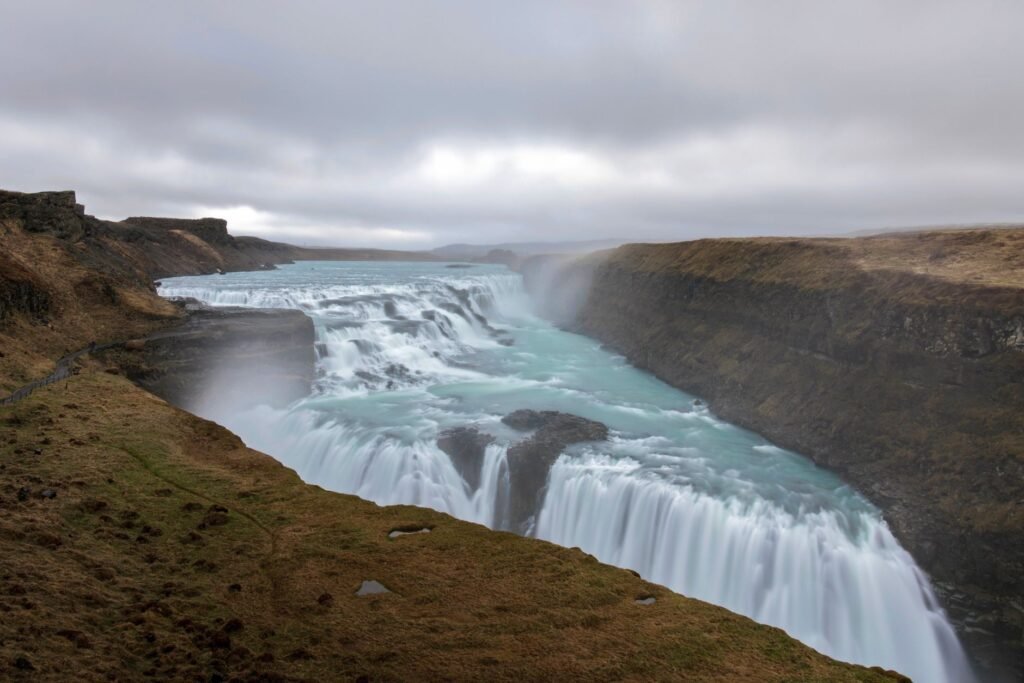
Gullfoss, or the “Golden Waterfall,” is one of Iceland’s most famous waterfalls, and for good reason. It features a dramatic two-tiered drop of 32 meters into a rugged canyon, creating a stunning visual experience. Visitors can take a short walk to various viewing platforms that provide different perspectives of the waterfall.
During the summer months, you can see rainbows forming in the mist, while in winter, icy formations create an otherworldly scene. The nearby café offers refreshments, making it a perfect spot to relax after exploring the area.
Reykjavik: The Heart of Iceland
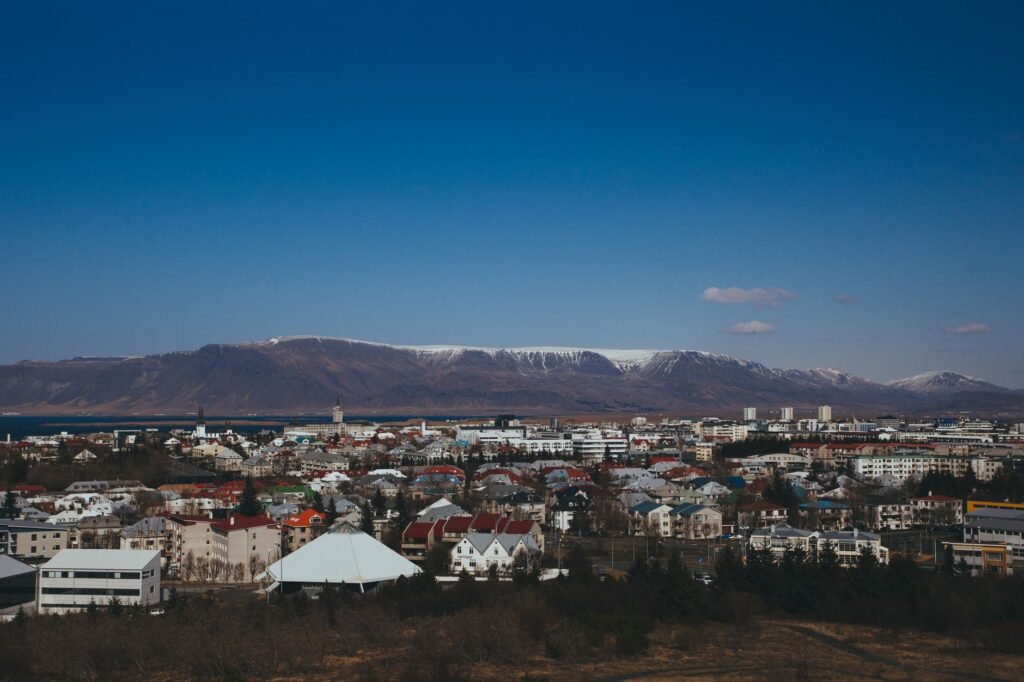
Reykjavik, Iceland’s capital, is a vibrant city known for its rich culture, nightlife, and culinary scene. While it serves as a base for many day trips, it’s also a destination worth exploring in its own right. From museums to cafes and lively streets, Reykjavik offers an array of activities.
Cultural Experiences
The city is home to several museums that highlight Iceland’s history and culture. The National Museum of Iceland provides an overview of the country’s heritage, showcasing artifacts from the Viking age to modern times. Another must-visit is the Reykjavik Art Museum, featuring contemporary art from Icelandic and international artists.
Don’t miss the iconic Hallgrímskirkja, a stunning church that towers over the city. Its architecture is inspired by Iceland’s basalt columns, and visitors can climb the tower for panoramic views of the city and surrounding mountains.
Dining and Nightlife
Reykjavik boasts a diverse culinary scene, with options ranging from traditional Icelandic dishes to international cuisine. For a taste of local flavor, visit a restaurant that serves lamb soup or fresh seafood. Food markets, like the Kolaportið flea market, offer a unique opportunity to sample local delicacies.
As the sun sets, the city comes alive with nightlife. Bars and clubs cater to various tastes, from cozy pubs to vibrant dance clubs. The Laugavegur street is lined with establishments offering a lively atmosphere for locals and tourists alike.
Whale Watching
Reykjavik is also a great starting point for whale watching tours. The waters surrounding the city are home to a variety of marine life, including minke whales and humpback whales. Tours typically run from April to October, with knowledgeable guides providing insights into the species you may encounter.
Many operators offer different experiences, from small boat tours to larger vessels. Be sure to dress warmly and bring a camera to capture the breathtaking sight of these magnificent creatures in their natural habitat.
The Blue Lagoon: A Thermal Oasis
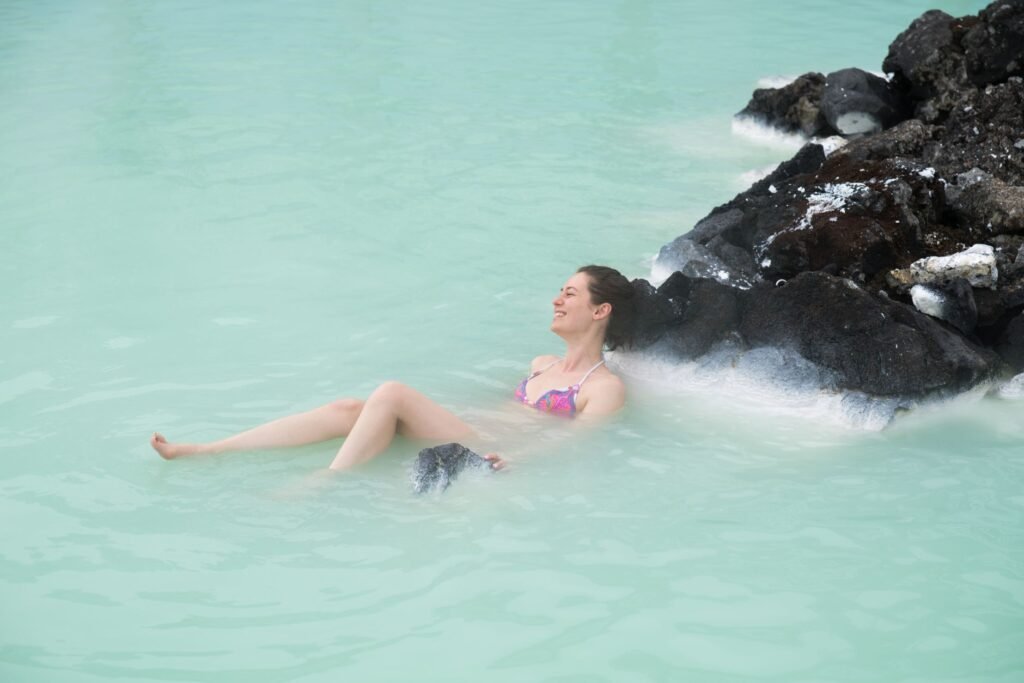
No trip to Iceland is complete without a visit to the Blue Lagoon, a geothermal spa located about 45 minutes from Reykjavik. Known for its milky blue waters rich in minerals, the Blue Lagoon offers a unique and relaxing experience. The water temperature averages around 37-39°C (98-102°F), making it a perfect spot to unwind.
Health Benefits
The mineral-rich waters are known for their healing properties, particularly for skin conditions like psoriasis. Many visitors enjoy the sensation of soaking in the warm water, surrounded by stunning lava fields. The lagoon also features a swim-up bar where you can enjoy refreshments while relaxing.
Booking in advance is recommended due to its popularity. Spa packages are available, allowing you to indulge in massages and treatments that enhance your experience in this tranquil setting.
Practical Tips for Visiting
When visiting the Blue Lagoon, be prepared for the rules regarding bathing suits and hygiene. It is mandatory to shower before entering the water, and swimsuits can be rented on-site if you don’t have one. Consider visiting during off-peak hours to avoid crowds and fully enjoy the serene atmosphere.
Plan to spend a few hours at the spa, as there are relaxation areas and facilities that enhance your visit. The views from the lagoon are breathtaking, especially during sunset.
Outdoor Adventures: From Glaciers to Volcanoes
Iceland is a paradise for outdoor enthusiasts, offering a wide range of activities that showcase its stunning landscapes. From glacier hiking to exploring volcanic sites, there are numerous adventures to be had.
Glacier Hiking and Ice Climbing
One of the most popular activities is glacier hiking on Vatnajökull, Europe’s largest glacier. Guided tours are available for various skill levels, allowing you to explore ice formations, crevasses, and stunning views. Experienced guides provide safety equipment and instruction, ensuring a fun and safe experience.
For those seeking more adrenaline, ice climbing is an exhilarating option. With the guidance of professionals, you can learn the basics of climbing on ice walls, making it an unforgettable adventure.
Exploring Volcanic Landscapes
Another unique feature of Iceland is its volcanic landscapes. Tours to sites like the Reykjanes Peninsula or the Snaefellsnes Peninsula offer opportunities to explore craters, lava fields, and geothermal areas. The Snaefellsjökull National Park is particularly popular, providing scenic views and hiking trails.
Visitors can also learn about Iceland’s active volcanoes, such as Hekla and Katla, and understand the geological forces that shape the island. Be sure to check for any safety advisories or restrictions when planning your visit to volcanic areas.
Horseback Riding
Icelandic horses are known for their unique gait and friendly temperament. Riding tours are available throughout the country, allowing you to explore the stunning landscapes on horseback. Many stables offer guided tours suitable for all experience levels, from beginners to seasoned riders.
The experience of riding through lava fields, past waterfalls, and along scenic trails is both exhilarating and memorable. It’s a unique way to connect with Iceland’s nature and culture.
Seasonal Events and Festivals
Iceland hosts various events and festivals throughout the year that showcase its culture and traditions. From music festivals to food events, these gatherings offer visitors a chance to experience local life.
Reykjavik Culture Night
Every August, Reykjavik comes alive during its Culture Night, featuring art exhibitions, concerts, and performances throughout the city. This family-friendly event allows visitors to explore local galleries and enjoy a festive atmosphere.
In addition to art and music, there are food stalls offering traditional Icelandic cuisine, making it an excellent opportunity to sample local dishes while mingling with residents.
Winter Lights Festival
In February, the Winter Lights Festival celebrates the return of daylight after the long winter months. The event features light installations, cultural performances, and various activities that highlight Iceland’s art and culture. It’s a wonderful way to experience the city’s charm during the winter season.
Visitors can enjoy guided night walks, dance performances, and even hot chocolate stands scattered throughout the city, creating a festive and warm atmosphere amidst the chilly weather.
Food and Fun Festival
Every summer, the Food and Fun Festival showcases the culinary talents of local chefs. Restaurants participate by creating special dishes using local ingredients, and visitors can enjoy tastings and culinary events. This is a fantastic way to engage with Icelandic cuisine and discover new flavors.
Exploring Iceland’s Unique Cuisine
Traditional Dishes to Try
Icelandic cuisine is a reflection of the island’s geography and history. Seafood is a staple, given the surrounding Atlantic Ocean, and dishes like harðfiskur, dried fish, are popular snacks. Another traditional dish is hákarl, fermented shark, which is often served with a shot of Brennivín, a local schnapps. While it may not be for everyone, trying hákarl is considered an essential experience for adventurous eaters.
- Skyr: A thick, yogurt-like dairy product, rich in protein and often enjoyed with berries.
- Pylsur: Icelandic hot dogs made from lamb, beef, and pork, served with various toppings.
- Þorramatur: A platter of traditional foods, including cured meats and pickled fish, typically served during the Þorri festival.
Farm-to-Table Experiences
For a deeper connection to Icelandic food culture, consider visiting a farm-to-table restaurant. These establishments prioritize local ingredients, ensuring that you enjoy the freshest options available. Many farms offer tours where visitors can learn about sustainable farming practices and even participate in some of the cooking. This is a fantastic way to understand the effort that goes into Iceland’s unique culinary offerings.
Some noteworthy farm-to-table restaurants include Fridheimar, known for its tomato-based dishes, and Sumarliði, which focuses on seasonal ingredients. Both places provide a unique dining experience, allowing you to taste dishes that highlight the best of Iceland’s agricultural bounty.
Discovering Iceland’s Rich History
Historical Sites Worth Visiting
Iceland has a rich history that dates back to the Viking Age, and exploring historical sites can provide invaluable insights into the nation’s past. One of the most significant locations is Þingvellir National Park, where the world’s oldest parliament was established. Visitors can walk through the rift valley that marks the boundary between the North American and Eurasian tectonic plates, making it a site of both geological and historical significance.
- Reykjavik’s Settlement Exhibition: Offers a glimpse into the life of the early settlers.
- Eldheimar Museum: Dedicated to the volcanic eruption that buried the town of Vestmannaeyjar in 1973.
- Skálholt: Once a center for education and religion, showcasing centuries of Icelandic history.
Viking Heritage Experiences
To delve deeper into the Viking heritage, consider visiting specialized museums or participating in reenactment events. The Viking World Museum in Reykjanesbær features a replica Viking ship and interactive exhibits that bring the Viking age to life. During summer, various historical reenactments occur across the country, allowing visitors to experience Viking life first-hand, complete with traditional crafts and combat demonstrations.
Engaging with Iceland’s Natural Wonders
Unique Geological Features
Iceland’s landscape is dotted with unique geological features that offer breathtaking sights and experiences. One such feature is the Geysir Geothermal Area, home to the famous Strokkur geyser, which erupts every few minutes. The area is marked by bubbling mud pots and steam vents that create an otherworldly atmosphere. Visiting Geysir provides a fantastic opportunity to learn about geothermal energy and its significance in Iceland.
- Seljalandsfoss Waterfall: A stunning waterfall you can walk behind for a unique perspective.
- Svartifoss Waterfall: Known for its striking basalt column formations.
- Lake Mývatn: A volcanic lake with rich biodiversity and unique lava formations.
National Parks Beyond the Golden Circle
While the Golden Circle is popular, Iceland has several lesser-known national parks worth exploring. Skaftafell National Park offers stunning landscapes, including glaciers, mountains, and waterfalls. Hiking trails range from easy walks to challenging routes that reward you with panoramic views. Another hidden gem is Borgarfjörður Eystri, known for its stunning scenery and rich birdlife, particularly puffins during the summer months.
Frequently Asked Questions
What is the best time to visit Iceland?
The best time to visit Iceland depends on your interests. Summer (June to August) offers long days and mild weather, perfect for hiking and exploring. Winter (December to February) is ideal for viewing the Northern Lights and experiencing winter sports.
Do I need to rent a car in Iceland?
Renting a car is a convenient option for exploring Iceland, especially if you plan to visit remote areas. However, guided tours are available for popular attractions, which can be a good alternative if you prefer not to drive.
Is it safe to travel in Iceland?
Yes, Iceland is generally considered a safe destination for travelers. However, it is important to respect nature and follow safety guidelines, especially when hiking or exploring geothermal areas.
What should I pack for my trip to Iceland?
Pack layers, including waterproof clothing, warm hats, and gloves. Good hiking shoes are essential, as well as swimwear for thermal baths. Be prepared for quickly changing weather conditions.
The Bottom Line
Iceland is a land of extraordinary natural beauty and vibrant culture, offering travelers a diverse range of experiences. From the breathtaking landscapes of the Golden Circle to the lively streets of Reykjavik, the top things to do in Iceland cater to all interests. Whether you’re seeking adventure, relaxation, or cultural enrichment, Iceland promises unforgettable memories.