Key Takeaways
- Experience the stunning Kaieteur Falls.
- Explore the diverse wildlife in Guyana's rainforests.
- Visit the historical sites in Georgetown.
- Enjoy unique local cuisine and cultural events.
Guyana, the only English-speaking country in South America, is a hidden gem that offers a unique blend of stunning natural beauty and rich cultural experiences. From its lush rainforests and majestic waterfalls to its vibrant capital city of Georgetown, there are numerous attractions and activities to explore. This guide presents the top things to do in Guyana, ensuring travelers can immerse themselves in the country’s diverse offerings.
One of the most compelling reasons to visit Guyana is its incredible biodiversity. The country is home to vast expanses of untouched rainforest, offering opportunities for wildlife enthusiasts and adventurers alike. Whether you’re hiking through the jungles, visiting indigenous communities, or sampling local cuisine, Guyana promises experiences that are both thrilling and enriching.
This guide will help you navigate the best activities and destinations, providing practical tips to make your trip enjoyable and memorable.
1. Visit Kaieteur Falls
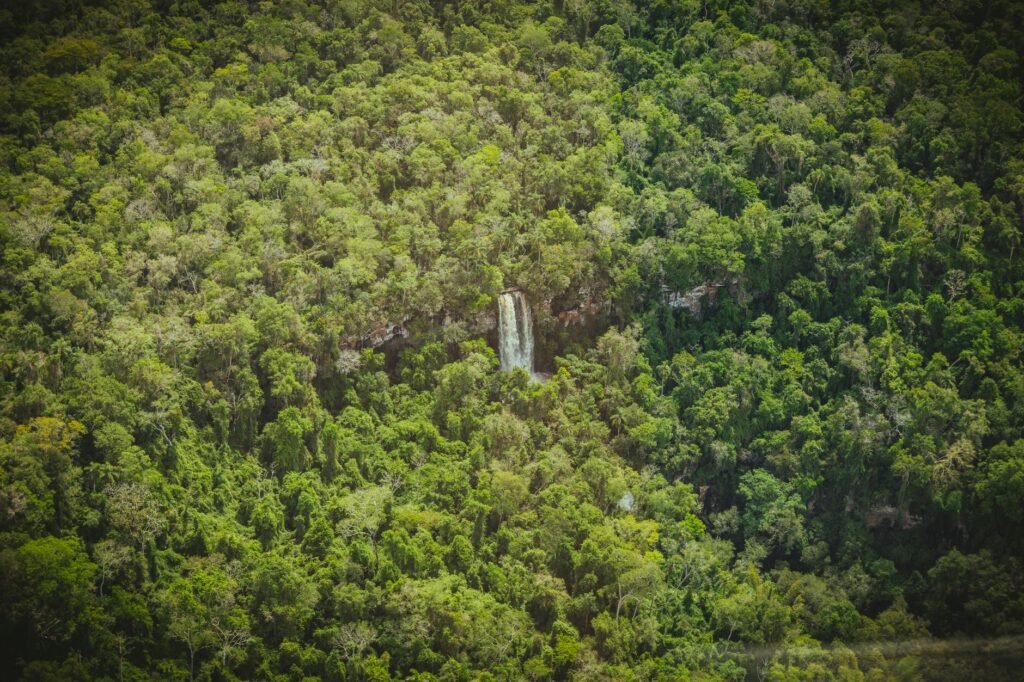
Kaieteur Falls is one of the most iconic natural attractions in Guyana, renowned for its breathtaking beauty and staggering height of 741 feet, making it one of the tallest waterfalls in the world. Located in the heart of the Amazon rainforest, the falls are accessible by charter flights from Georgetown, which provide stunning aerial views of the surrounding landscape.
Once at the falls, visitors can enjoy various viewpoints that offer spectacular views of the cascading water. The roar of the falls and the surrounding lush greenery create a mesmerizing atmosphere. For those interested in nature, the area is home to unique wildlife, including the golden rocket frog and numerous bird species, making it an excellent spot for birdwatching.
- Best Time to Visit: The rainy season (May to August) enhances the falls’ flow, but visiting during the dry season (September to April) offers clearer skies.
- Guided Tours: Many local operators offer guided tours that include transportation, meals, and expert commentary on the area’s ecology and history.
- Safety Tips: Stay within designated viewing areas, as the rocks can be slippery and dangerous.
2. Explore Georgetown
Georgetown, the capital city of Guyana, is a vibrant hub that showcases the country’s rich history and cultural diversity. The city is known for its colonial architecture, bustling markets, and lively street life. Start your exploration at the St. George’s Cathedral, an impressive structure recognized as one of the tallest wooden churches in the world. Its distinctive architecture and beautiful stained glass windows make it a must-see.
The city’s markets, especially the Stabroek Market, offer a sensory overload of colors, sounds, and smells. Here, travelers can find everything from fresh produce to handmade crafts. Engaging with local vendors provides insight into the daily life of Guyanese people and their culinary traditions.
- Top Attractions:
- National Museum of Guyana: Explore the nation’s cultural treasures and history.
- Guyana Botanical Gardens: Relax amidst exotic plants and beautiful landscapes.
- Independence Arch: A historical monument symbolizing Guyana’s independence.
- Cultural Events: Look out for local festivals, such as Mashramani, which celebrates Guyana’s Republic Day with parades and music.
- Transportation: Use local taxis or hire a guide for a more informative city tour.
3. Discover the Wildlife of the Rainforest
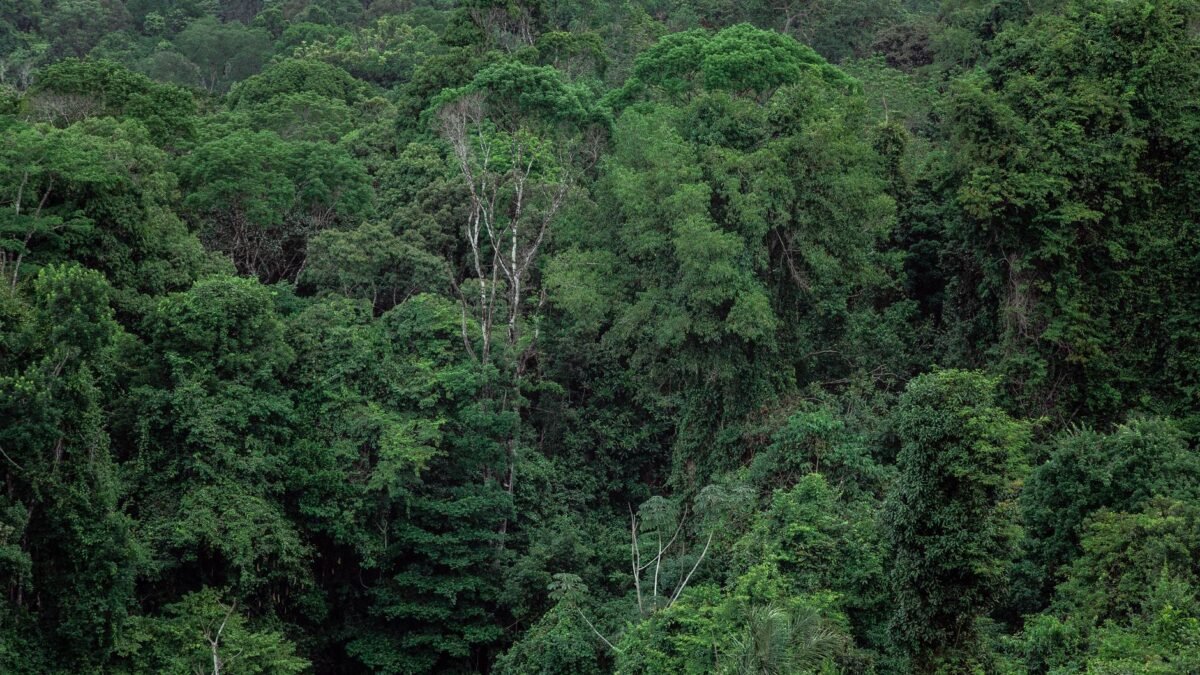
Guyana is one of the last untouched rainforests in the world, making it a prime destination for wildlife enthusiasts. The Iwokrama Rainforest and the Rupununi region are particularly rich in biodiversity, home to thousands of species of plants and animals. Guided tours offer the best chance to explore these areas safely and responsibly.
During guided hikes, visitors might encounter jaguars, giant river otters, and an array of bird species, including the stunning Guiana cock-of-the-rock. Guided night walks can provide a different perspective, revealing nocturnal creatures that are rarely seen during the day.
- Recommended Tours:
- Iwokrama Rainforest: Offers eco-lodges and guided wildlife tours.
- Rupununi Savannah: Known for its diverse wildlife and indigenous communities.
- Photography Tips: Bring a good camera and binoculars for wildlife watching; early mornings and late afternoons are ideal for spotting animals.
- Health Precautions: Consult with a healthcare provider about vaccinations and medications for tropical diseases before visiting.
4. Experience the Culture of Indigenous Communities
Guyana is home to several indigenous groups, each with its unique culture and traditions. Visiting these communities provides travelers with an opportunity to learn about their way of life, traditional crafts, and local cuisine. Popular communities to visit include the Makushi and Wapishana peoples in the Rupununi region.
Many communities offer cultural experiences, such as guided tours of their villages, demonstrations of traditional crafts like basket weaving, and storytelling sessions about their history and beliefs. Engaging with local families can provide a deeper understanding of their lifestyle and challenges.
- What to Expect:
- Traditional Meals: Sample local dishes made from indigenous ingredients.
- Craft Workshops: Participate in workshops to create your own handicrafts.
- Nature Walks: Learn about medicinal plants and the significance of the rainforest to their culture.
- Respectful Interaction: Always ask for permission before taking photos, and be respectful of their customs.
- Travel Tips: Consider hiring a local guide to facilitate communication and enhance the experience.
5. Adventure Activities: Hiking and River Tours
For adventure seekers, Guyana offers a range of outdoor activities, from hiking through pristine rainforest trails to navigating its many rivers. The Kanuku Mountains and the Pakaraima Mountains are excellent locations for hiking, with trails that lead to breathtaking views and hidden waterfalls.
River tours are another fantastic way to explore Guyana’s natural beauty. The Essequibo and Rupununi Rivers offer scenic boat trips where visitors can enjoy the lush riverside landscapes and spot wildlife such as caimans and river dolphins.
- Top Hiking Trails:
- Kanuku Mountains: Known for its diverse wildlife and scenic views.
- Pakaraima Mountains: Offers challenging hikes with stunning vistas.
- River Tour Operators: Look for eco-friendly operators that promote sustainable tourism practices.
- Safety Considerations: Always inform someone of your itinerary and consider joining guided tours for safety.
6. Enjoy Local Cuisine
Guyana’s culinary scene is a reflection of its diverse cultures, featuring flavors from African, Indian, and indigenous cuisines. A visit to Guyana would be incomplete without indulging in local dishes. Popular foods include pepperpot (a meat dish stewed in spices), roti (flatbread), and various seafood specialties.
Street food is also an integral part of the culinary experience. Vendors throughout Georgetown offer snacks like pholourie (fried dough balls) and curry dishes. Exploring local markets is a great way to sample a variety of foods and experience the local dining culture.
- Recommended Dishes:
- Metemgee: A hearty coconut milk dish served with plantains and yams.
- Cook-up rice: A one-pot dish made with rice, beans, and meat.
- Guyana’s unique fruit juices: Try soursop or passion fruit juice for a refreshing drink.
- Dining Tips: Ask locals for their favorite restaurants to experience authentic cuisine.
- Food Safety: Stick to well-cooked foods and bottled beverages to minimize health risks.
Unearth the Historical Sites of Guyana
Fort Zeelandia: A Glimpse into Colonial History
Fort Zeelandia, located in the town of New Amsterdam, is a significant historical site that dates back to the 17th century. Originally built by the Dutch, this fort played a crucial role in the colonial struggles for dominance in the region. Visitors to Fort Zeelandia can explore its well-preserved structure, which includes thick walls and a stunning view of the Berbice River. The fort also houses a small museum that displays artifacts from the colonial era, providing insights into the historical context of the area.
Walking through the fort, you can see how the architecture reflects the military strategies of the time. The site is often less crowded than other tourist attractions, allowing for a more intimate experience. Additionally, the surrounding area includes beautiful gardens and walking paths, making it a great spot for relaxation after a historical tour.
The Enigmatic Plantain Walk and the Ruins of the Old Sugar Estates
The Plantain Walk, located near the East Coast of Demerara, is a fascinating site where visitors can witness the remnants of the sugar industry that once thrived in Guyana. The ruins of old sugar estates can still be seen scattered throughout the landscape. Guided tours of these estates offer a deep dive into the history of sugar production in Guyana, which was once a major economic driver for the country.
During the tour, you can learn about the labor practices, the impact of slavery, and how the sugar industry shaped the cultural landscape of Guyana. Many tours also include a tasting of local sugar products, providing a sensory experience that complements the historical context. The Plantain Walk area is also rich in biodiversity, so keep an eye out for local wildlife while you explore.
- Key Highlights of the Plantain Walk:
- Historical significance of sugar production
- Guided tours available
- Opportunities for wildlife observation
Engage with Local Festivals and Events
Diwali: The Festival of Lights
Diwali, celebrated by the Indo-Guyanese community, is one of the most vibrant festivals in Guyana. This festival of lights usually takes place in October or November and symbolizes the victory of light over darkness. During Diwali, streets are adorned with colorful lights and decorations, and families light oil lamps (diyas) to invite prosperity into their homes.
Visitors to Guyana during this time can participate in various cultural activities, such as community fairs, dance performances, and traditional music concerts. Many neighborhoods host public celebrations where you can enjoy delicious traditional sweets and vegetarian dishes. The joyous atmosphere and communal spirit make Diwali a unique time to experience Guyanese culture firsthand.
The Mashramani Festival: Celebrating Republic Day
Mashramani, also known as Mash, is a national festival that celebrates Guyana’s Republic Day on February 23. It is a spectacular showcase of Guyanese culture, featuring parades, music, dance, and costumes representing the country’s rich heritage. The festivities culminate in a grand parade where groups compete with elaborate floats and performances.
Attending Mashramani offers visitors a chance to immerse themselves in the country’s diverse cultural expressions. The atmosphere is electric, filled with the sounds of calypso, soca, and various other music genres. Additionally, local artisans often sell handmade crafts, providing a perfect opportunity to pick up unique souvenirs while supporting local businesses.
- Must-See Aspects of Mashramani:
- Vibrant parades featuring colorful floats
- Live music performances across genres
- Local crafts and foods available
Explore Guyana’s Unique Ecosystems
The Rupununi Savannah: A Diverse Landscape
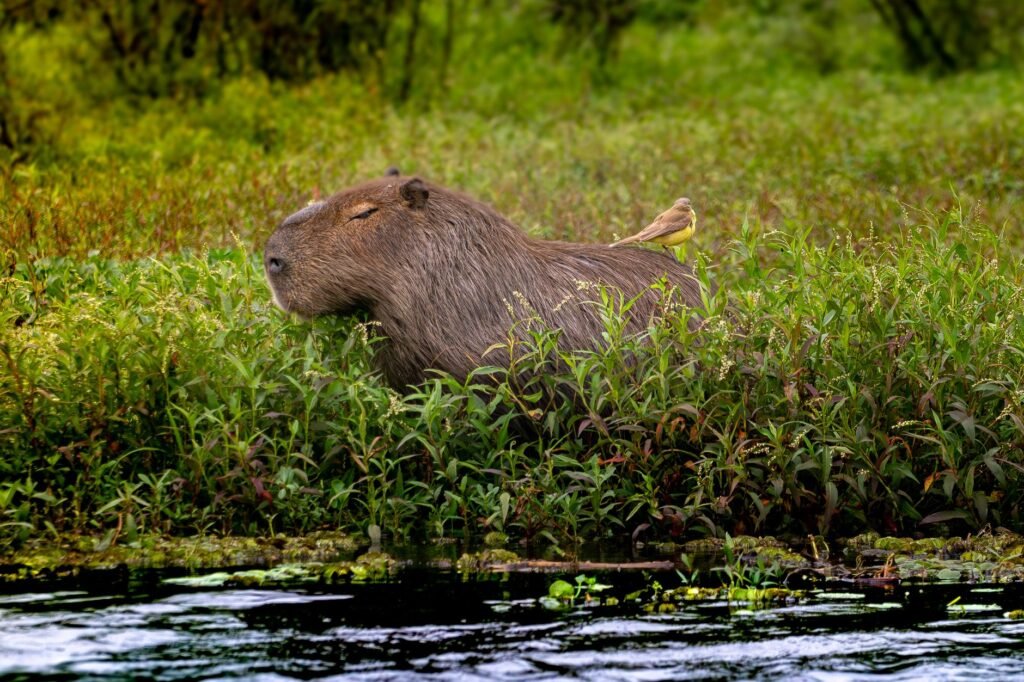
The Rupununi Savannah is a unique ecosystem located in the southern part of Guyana, offering a contrasting landscape to the dense rainforests of the north. This expansive savannah is home to a rich diversity of flora and fauna, including rare species such as the giant anteater and the jaguar. Wildlife enthusiasts will find plenty of opportunities for birdwatching, with over 500 species recorded in the region.
Visitors can engage in eco-tours that not only focus on the wildlife but also highlight the indigenous communities that live in harmony with the land. Many tours are led by local guides who share their knowledge of the ecosystem, traditional uses of plants, and the importance of conservation efforts. The Rupununi is also known for its stunning landscapes, featuring rolling grasslands, rivers, and the iconic Kanuku Mountains.
The Iwokrama Rainforest: A Conservation Success Story
The Iwokrama Rainforest is one of the world’s last pristine rainforests and is a vital area for biodiversity conservation. This protected area offers visitors the chance to explore its vast trails, go canopy walking, and take boat rides along the Essequibo River. The rainforest is home to various species, including howler monkeys, giant river otters, and hundreds of bird species. Guided tours often include educational components about the rainforest’s ecology and the ongoing conservation initiatives.
Visitors can also participate in community-based tourism, where local indigenous groups offer insights into their sustainable practices and traditional ways of life. Engaging with the local communities enhances the experience and promotes responsible tourism. The Iwokrama Rainforest exemplifies the balance between adventure and environmental stewardship.
- Key Features of Iwokrama:
- Rich biodiversity with numerous endemic species
- Educational eco-tours available
- Community engagement opportunities
Frequently Asked Questions
What is the best time to visit Guyana?
The best time to visit Guyana is during the dry season, which typically runs from September to April. This period offers more favorable weather conditions for outdoor activities and sightseeing.
Is it safe to travel to Guyana?
While many areas in Guyana are safe for tourists, it’s essential to stay informed about local safety conditions. Avoiding poorly lit areas at night and securing valuables is advisable.
What currency is used in Guyana?
The official currency of Guyana is the Guyanese dollar (GYD). It’s advisable to exchange currency at banks or authorized exchange offices for better rates.
Do I need a visa to visit Guyana?
Visa requirements vary depending on your nationality. Many countries have visa-free access or can obtain a visa on arrival. Always check the latest requirements before traveling.
The Bottom Line
Guyana offers a wealth of experiences for travelers looking to explore its natural wonders and rich cultural heritage. From the awe-inspiring Kaieteur Falls and the vibrant city of Georgetown to the incredible wildlife in its rainforests, there are countless adventures waiting to be discovered. With careful planning and a spirit of adventure, visitors can enjoy a unique and fulfilling travel experience in this beautiful South American destination.