Key Takeaways
- Visit the iconic Pyramids of Giza and the Sphinx.
- Explore local markets for authentic Egyptian culture.
- Enjoy a Nile River cruise for a unique perspective.
- Discover the history of ancient Egypt at the Egyptian Museum.
Giza, a city on the outskirts of Cairo, is synonymous with ancient history and magnificent architecture. Home to the iconic Pyramids of Giza and the Great Sphinx, this area draws millions of visitors every year. Not only does it offer a glimpse into the grandeur of ancient Egypt, but it also provides opportunities to experience the vibrant local culture, cuisine, and landscapes.
Whether you’re a history enthusiast, a family on vacation, or a solo traveler looking for adventure, Giza has something for everyone. This guide will highlight the top things to do in Giza, ensuring that your visit is both memorable and enriching.
From exploring the ancient sites to enjoying local delicacies, you’ll find practical tips and insights to help you navigate your journey through this remarkable city.
Visit the Pyramids of Giza
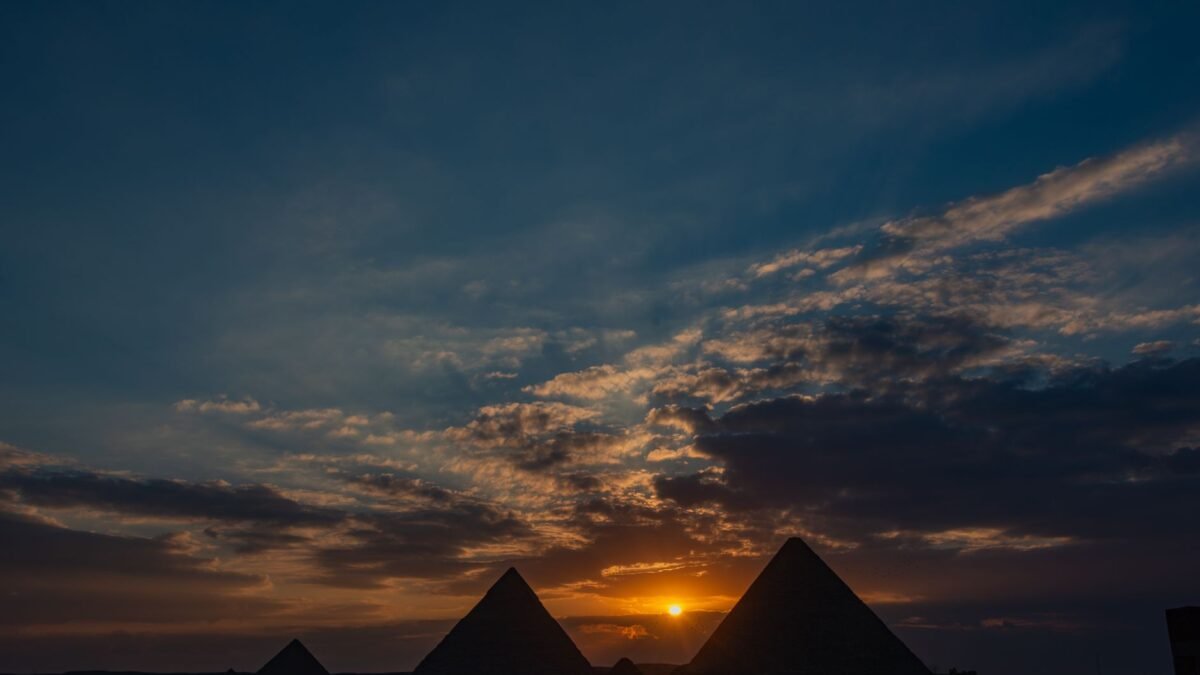
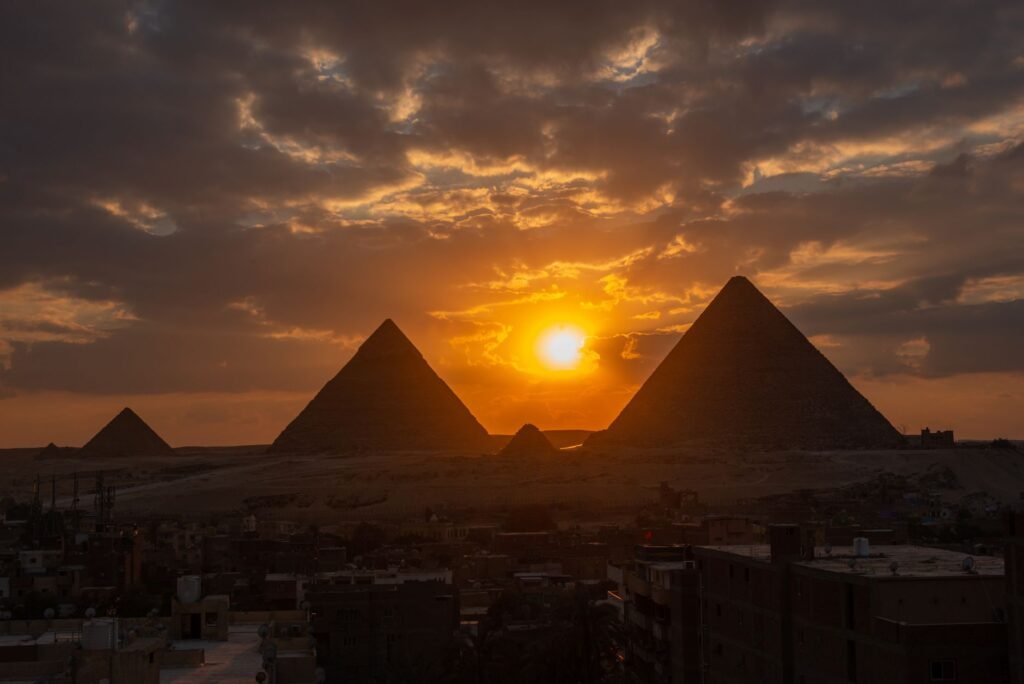
The Pyramids of Giza are perhaps the most famous monuments in the world, standing as a testament to the ingenuity and craftsmanship of ancient Egypt. The three main pyramids, Khufu, Khafre, and Menkaure, each offer unique insights into the era’s architectural prowess.
The Great Pyramid of Khufu
Built around 2580-2560 BC, the Great Pyramid of Khufu is the largest and oldest of the three pyramids. It originally stood at 146.6 meters and was the tallest man-made structure in the world for over 3,800 years. Visitors can explore the interior of the pyramid, which includes the Grand Gallery and the King’s Chamber, providing a firsthand experience of ancient burial practices.
The Pyramid of Khafre
Khafre’s pyramid is slightly smaller than Khufu’s but appears taller due to its elevated position. The pyramid is notable for its remaining casing stones at the top, which give it a distinctive appearance. Surrounding the pyramid is the famous Great Sphinx, a colossal limestone statue with the body of a lion and the head of a pharaoh, believed to represent Khafre himself.
The Pyramid of Menkaure
The smallest of the three, the Pyramid of Menkaure, is still impressive, standing at 65 meters. Visitors can see the remnants of its granite casing. Exploring this pyramid gives insight into the funerary practices of pharaohs and the significance of burial rituals.
Explore the Great Sphinx
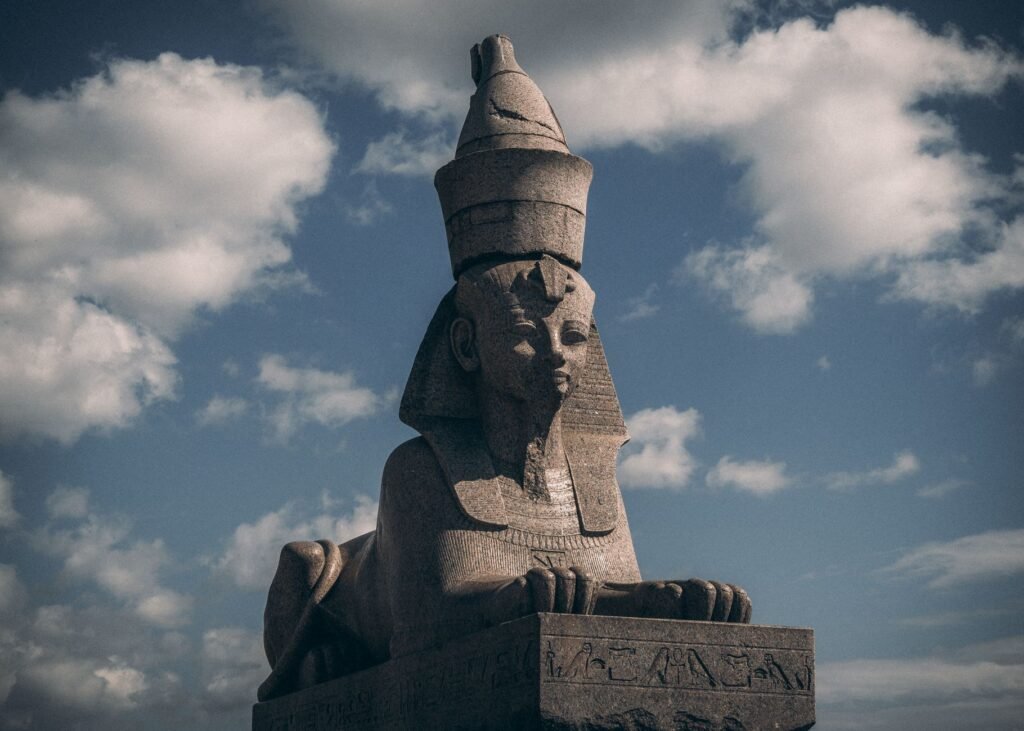
The Great Sphinx of Giza is an enigmatic symbol of ancient Egypt, often referred to as the guardian of the pyramids. This limestone statue is approximately 20 meters high and 73 meters long, making it one of the largest and oldest monolithic statues in the world.
Its face is believed to represent Pharaoh Khafre, and it has long been a subject of fascination and speculation. Visitors can take pictures with the Sphinx in the background, and guided tours often provide insights into its history and the various theories surrounding its construction and purpose.
Adjacent to the Sphinx, the Sphinx Temple is also worth a visit. This temple is believed to have been used for rituals and offerings to honor the Sphinx, further linking it to the pyramids and the ancient Egyptian religion.
Experience the Egyptian Museum
Located in Cairo, just a short distance from Giza, the Egyptian Museum is a treasure trove of artifacts from ancient Egypt. Home to over 120,000 items, it showcases the rich history, culture, and art of the pharaohs.
Among its most famous exhibits is the collection of Tutankhamun’s treasures, including the iconic gold mask. The museum’s layout offers an educational experience, with displays that cover various periods of ancient Egyptian history. Guided tours can help you navigate the vast array of artifacts and provide context to their significance.
Allow yourself several hours to explore, as the museum is extensive, and there is much to see. Photography is usually allowed, but be sure to check for any restrictions on specific items.
Take a Nile River Cruise
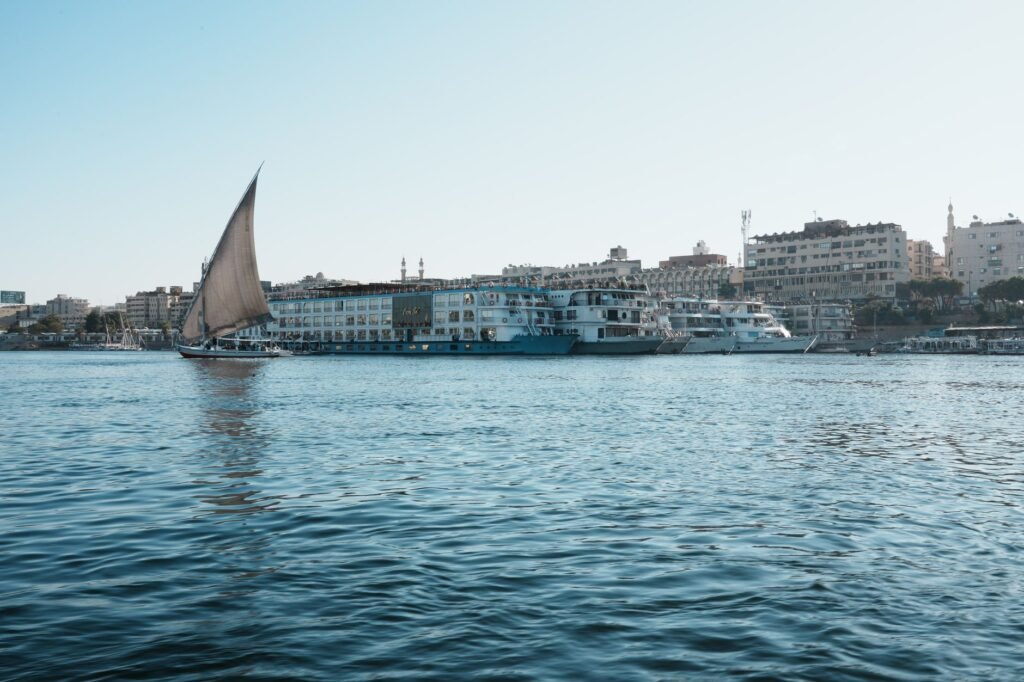
The Nile River holds a special place in Egyptian culture and history. A cruise along this iconic river offers a unique perspective of Giza and the surrounding areas. Many cruise options are available, ranging from short sunset rides to longer dining experiences.
During a cruise, you can admire the beautiful landscapes, local life along the riverbanks, and even catch glimpses of ancient sites. Some cruises include traditional music and dance, adding to the overall experience.
Consider booking a dinner cruise for a romantic evening, where you can enjoy a meal while watching the sunset over the Nile. It’s advisable to book in advance, especially during peak tourist seasons.
Visit Local Markets
Exploring local markets in Giza provides an authentic glimpse into Egyptian culture. One of the most popular markets is Khan El Khalili, located in nearby Cairo. This bustling bazaar offers a variety of goods, including spices, textiles, jewelry, and souvenirs.
As you wander through the narrow alleyways, you can engage with local vendors, sample traditional foods, and immerse yourself in the vibrant atmosphere. Don’t hesitate to haggle for prices; it is a common practice in Egyptian markets.
For a more local experience, visit the markets around Giza for fresh produce, handmade crafts, and everyday items. These markets are less touristy and offer a chance to see daily life in Egypt.
Explore the Solar Boat Museum
Adjacent to the Great Pyramid, the Solar Boat Museum houses a remarkable discovery: a full-size ancient Egyptian boat dating back to the 26th century BC. This boat, believed to have belonged to Pharaoh Khufu, was found buried near the Great Pyramid and is thought to have been used for his journey in the afterlife.
The museum itself is an architectural marvel, designed to showcase the boat in an air-conditioned environment to preserve its condition. Visitors can learn about the significance of the boat in ancient Egyptian culture and the advanced shipbuilding techniques used at the time.
Seeing the Solar Boat up close provides a unique perspective on the beliefs surrounding death and the afterlife in ancient Egypt, making it an essential stop on your Giza itinerary.
Enjoy Local Cuisine
No trip to Giza is complete without indulging in some local Egyptian cuisine. Street food stalls and restaurants offer a variety of options, from traditional dishes to contemporary interpretations. Popular dishes include koshari (a mix of lentils, rice, and pasta), falafel, and shawarma.
For a unique dining experience, consider trying a traditional Egyptian meal at a local restaurant. Many establishments offer a home-cooked atmosphere where you can enjoy dishes made from family recipes. Don’t forget to sample local sweets, such as baklava and basbousa.
Dining near the Pyramids also provides an opportunity to enjoy your meal with a view of the ancient structures, creating a memorable experience.
Take a Camel Ride
One of the quintessential experiences in Giza is taking a camel ride around the pyramids. Various tour operators offer camel rides, providing a unique way to explore the area while enjoying the scenic views. Riders can choose from short rides or longer excursions that take you further into the desert.
When selecting a camel ride, ensure that the operator prioritizes the animals’ welfare and safety. Guides can provide insights about the pyramids and the history of camel transportation in Egypt during your journey.
For families, a camel ride can be a fun and memorable experience, allowing children to engage with the local culture in an interactive way.
Uncover the Secrets of Ancient Egyptian Astronomy
The Role of Astronomy in Ancient Egypt
Astronomy played a pivotal role in the daily lives and religious practices of ancient Egyptians. The alignment of the pyramids and temples with celestial bodies indicates that they held astronomical significance. The ancient Egyptians used the stars to create a calendar, which allowed them to predict the changing seasons and plan agricultural activities accordingly. This deep connection to the cosmos is evident in the monuments that still stand today.
For travelers eager to dive deeper into the astronomical practices of the ancient Egyptians, visiting the Giza Plateau at night can be an enlightening experience. Stargazing tours are sometimes available, featuring local astronomers who can guide visitors through the night sky, explaining how the ancient Egyptians would have interpreted the stars.
Key Astronomical Sites in Giza
While exploring Giza, consider visiting the following sites that showcase the ancient Egyptians’ astronomical knowledge:
- Great Pyramid of Giza: This structure is aligned with incredible precision to the cardinal points of the compass.
- Mortuary Temple of Khufu: This temple contains inscriptions that hint at the relationship between the sun and the afterlife.
- Horizon of Khufu: A site believed to represent the ancient Egyptians’ understanding of the sun’s journey.
Participate in a Stargazing Experience
For a unique experience, look for guided stargazing events hosted by local astronomers. These events often include telescopes, allowing participants to observe celestial objects while learning about their significance in ancient Egyptian culture. Some tours also incorporate discussions about how the ancient Egyptians viewed the cosmos, connecting mythology with astronomy.
Engage with Local Culture through Art and Craft
Visit Artisans and Workshops
Giza is not just about its ancient monuments; it is also home to vibrant local artisans who keep traditional crafts alive. Visitors can explore workshops where artisans create pottery, jewelry, and textiles using age-old techniques. Engaging with these artisans provides a deeper understanding of contemporary Egyptian culture and its historical roots.
Many workshops offer hands-on experiences where travelers can try their hand at traditional crafts such as pottery making or weaving. This not only supports local artists but also gives visitors a tangible connection to Egypt’s rich cultural heritage.
Attend Cultural Festivals
When planning your visit, check the local calendar for cultural festivals that may be taking place during your stay. These events often feature traditional music, dance, and art exhibitions that showcase the talents of local artists. Festivals provide an excellent opportunity to immerse yourself in Egyptian culture and meet locals, offering a more personal experience.
- Cairo International Film Festival: An annual event that showcases both Egyptian and international films.
- Egyptian Folk Arts Festival: A celebration of traditional music, dance, and crafts held in various locations.
- Ramadan Nights: Experience the vibrant atmosphere during the holy month of Ramadan, with street food and cultural activities.
Explore Galleries and Exhibitions
Visitors should not miss the local art galleries that exhibit contemporary Egyptian art. Many of these galleries focus on both established and emerging artists, providing a platform for diverse voices. By attending exhibitions, travelers can gain insights into modern Egyptian society and the issues that resonate with its artists.
Some notable galleries in Giza include the Townhouse Gallery and the Cairo Opera House Gallery, both of which regularly feature exhibitions that reflect the dynamic art scene in Egypt.
Discover the Mysteries of Giza’s Lesser-Known Monuments
The Pyramid of Khafre
While the Great Pyramid often steals the spotlight, the Pyramid of Khafre is a fascinating site in its own right. Slightly smaller than its neighbor, this pyramid has a unique feature: it retains some of its original casing stones at the top, giving it a distinct appearance. The angle of its construction also creates an optical illusion, making it appear taller than the Great Pyramid when viewed from certain angles.
Visitors can explore the surrounding complex, including the Valley Temple of Khafre, which showcases exquisite limestone carvings. This temple was used for mummification and ritual purposes, and the remnants offer a glimpse into ancient Egyptian burial practices.
The Pyramid of Menkaure
The smallest of the three pyramids at Giza, the Pyramid of Menkaure, is often overlooked but holds its own set of mysteries. Constructed from granite, it was built for Pharaoh Menkaure and is surrounded by three smaller pyramids meant for his queens. The materials used in its construction signify its importance, and visitors can marvel at the impressive stonework.
Exploring the nearby temples and the remnants of the mortuary complex provides insight into the funerary practices and rituals of the time. The Pyramid of Menkaure is a perfect stop for those looking to delve deeper into the history of Giza.
The Tombs of the Nobles
Beyond the main attractions, the Tombs of the Nobles located on the Giza plateau offer a quieter and less crowded experience. These tombs, belonging to high-ranking officials, are adorned with detailed paintings and inscriptions that depict scenes from daily life, providing a more intimate view of ancient Egyptian culture.
Visitors can explore various tombs, each showcasing different artistic styles and themes. Some notable tombs are the Tomb of Akhethotep and the Tomb of Meresankh III, both known for their excellent preservation and artistic depictions.
- Location: Near the pyramids, accessible by a short walk or local transport.
- Opening Hours: Generally open from early morning until sunset.
- Guided Tours: Consider hiring a local guide who can provide invaluable context and stories about the tombs and their significance.
Frequently Asked Questions
What is the best time to visit Giza?
The best time to visit Giza is during the cooler months from October to April. During these months, temperatures are more comfortable for exploring outdoor sites.
How do I get from Cairo to Giza?
Transportation options include taxis, ride-sharing apps, and public buses. Taxis are convenient, but agree on a fare beforehand if not using a meter.
Are there any safety tips for visiting Giza?
While Giza is generally safe for tourists, it’s advisable to stay aware of your surroundings, avoid isolated areas, and keep personal belongings secure.
Can I enter the pyramids?
Yes, visitors can enter some pyramids, but tickets must be purchased separately. It’s best to arrive early to avoid long lines.
The Bottom Line
Giza is a captivating destination that blends ancient history with vibrant local culture. From the majestic Pyramids and the enigmatic Sphinx to the bustling local markets and delicious cuisine, there are countless things to do in Giza that will enrich your travel experience. Plan your itinerary wisely, and embrace the unique offerings of this remarkable city.