Key Takeaways
- Explore Dublin's rich history and culture.
- Enjoy vibrant nightlife options throughout the city.
- Take part in local traditions and festivals.
- Find practical tips for a smooth visit.
Dublin, the capital of Ireland, is a city that beautifully blends its rich history with a modern vibrancy. Whether you’re wandering through its historic streets, enjoying a pint at a traditional pub, or exploring its numerous galleries and museums, Dublin offers an array of experiences that cater to all kinds of travelers. This guide will help you navigate the top things to do in Dublin, ensuring that your visit is filled with unforgettable moments.
As you plan your trip, consider the various neighborhoods and attractions that make Dublin unique. From the lively streets of Temple Bar to the serene parks like St. Stephen’s Green, the city is filled with diverse experiences. This article will not only highlight must-see attractions but also provide practical tips to enhance your travel experience.
With a rich cultural heritage, vibrant nightlife, and a welcoming atmosphere, Dublin invites you to explore its treasures. Let’s dive into the top things to do in Dublin that you won’t want to miss.
Exploring Dublin’s Historic Landmarks
Dublin is steeped in history, and its landmarks reflect its past. The city boasts several iconic sites that tell the story of its evolution from a Viking settlement to a bustling modern metropolis.
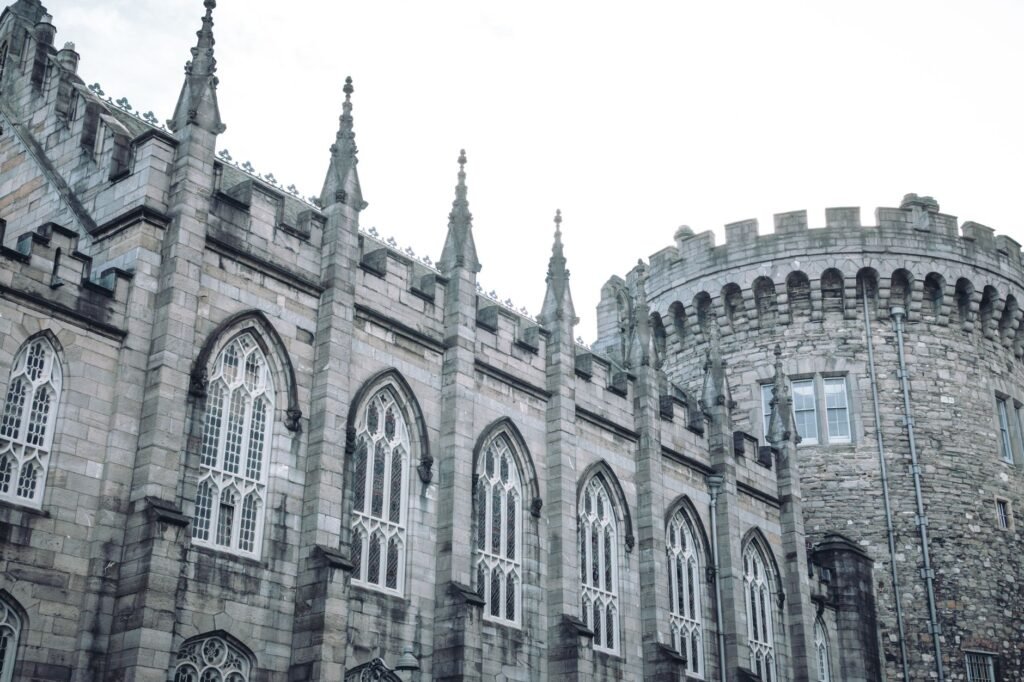
One of the most notable landmarks is Dublin Castle. Originally built in the 13th century, it has served various purposes, including a fortress, royal palace, and government complex. Today, visitors can explore the State Apartments and the beautiful gardens. Nearby, you can also find the Chester Beatty Library, which houses a remarkable collection of manuscripts and artworks.
Another significant site is the General Post Office (GPO) on O’Connell Street. This building played a pivotal role during the 1916 Easter Rising and is a symbol of Irish nationalism. Inside, you can find a museum detailing Ireland’s revolutionary history, making it a worthwhile stop.
- Dublin Castle: Discover the rich history and architecture.
- General Post Office: Learn about the Easter Rising and its impact.
- Trinity College: Home to the famous Book of Kells and stunning library.
Immersing in Dublin’s Cultural Scene
Dublin is not just about historical landmarks; it also boasts a thriving cultural scene. The city is home to numerous museums, galleries, and theaters that showcase its artistic heritage.
The National Museum of Ireland is a must-visit for those interested in Irish history and culture. It has several branches, including Archaeology, Decorative Arts, and Natural History, offering insights into Ireland’s rich past. Each museum is free to enter, making it an affordable option for travelers.
For art enthusiasts, the Irish Museum of Modern Art (IMMA) is worth exploring. Set in a beautiful 17th-century building, it features contemporary art exhibitions and has lovely gardens to stroll through. Additionally, Dublin hosts several festivals throughout the year, such as the Dublin Theatre Festival and the Dublin Fringe Festival, celebrating local and international performances.
- National Museum of Ireland: Free entry with multiple branches.
- Irish Museum of Modern Art: Contemporary art in a historic setting.
- Dublin Fringe Festival: Experience vibrant performances and art.
Enjoying Dublin’s Green Spaces
Dublin is famous for its parks and green spaces, providing a refreshing escape from the urban hustle. These areas are perfect for leisurely strolls or picnics, allowing you to enjoy nature in the heart of the city.
St. Stephen’s Green is one of the most popular parks, known for its beautiful gardens and serene atmosphere. It is a great spot to unwind, with plenty of benches and walking paths. The park also features a lake and several sculptures, making it a picturesque place to relax.
Another lovely park is Phoenix Park, one of the largest enclosed public parks in Europe. It is home to the Dublin Zoo, various walking trails, and even a herd of wild deer. This park is perfect for those who enjoy outdoor activities, such as cycling or jogging, or simply want to immerse themselves in nature.
- St. Stephen’s Green: A peaceful oasis in the city center.
- Phoenix Park: Explore extensive trails and wildlife.
- Irish National War Memorial Gardens: Beautifully landscaped gardens commemorating those lost in World War I.
Experience Dublin’s Vibrant Nightlife
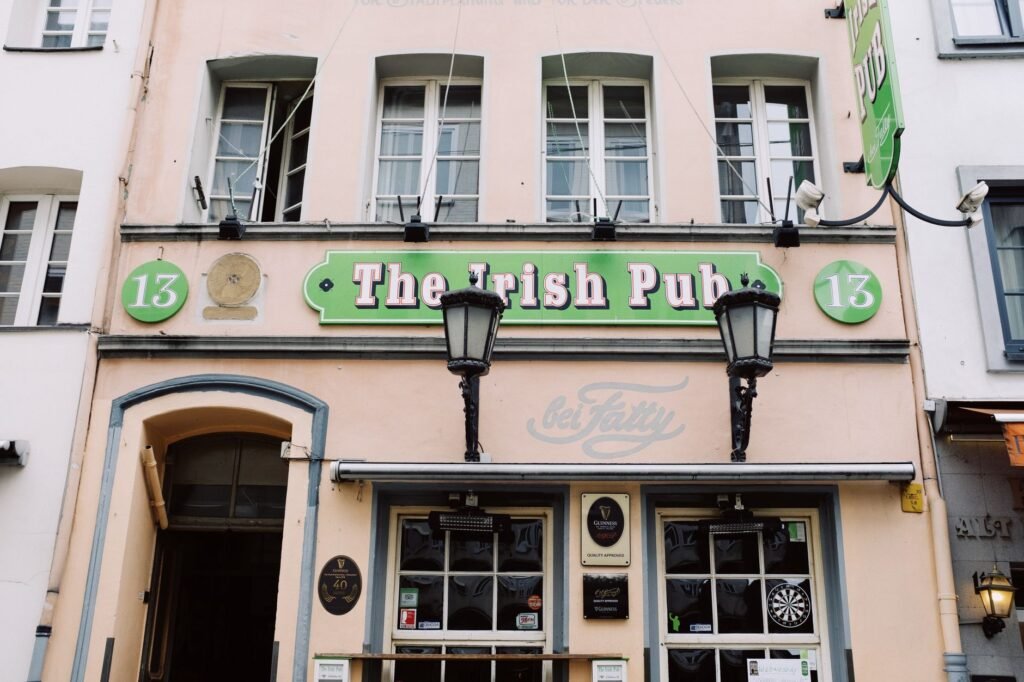
Dublin is renowned for its lively nightlife, with countless pubs, bars, and clubs that cater to all tastes. The city’s pubs are more than just places to grab a drink; they are cultural hubs where you can experience traditional Irish music and hospitality.
Temple Bar is the epicenter of Dublin’s nightlife, filled with colorful pubs and live music venues. Here, you can enjoy everything from traditional Irish folk music to contemporary performances. Many pubs also offer pub grub, allowing you to savor local dishes alongside your drinks.
If you’re looking for a unique experience, consider joining a pub crawl. These guided tours take you through some of the best pubs in the area, providing insights into Dublin’s drinking culture while allowing you to meet fellow travelers.
- Temple Bar: The heart of Dublin’s nightlife with vibrant pubs.
- Live Music Venues: Experience traditional and contemporary performances.
- Pub Crawls: Meet new people while exploring the best pubs.
Shopping and Dining in Dublin
Dublin offers a diverse shopping scene, from high-end boutiques to quirky markets. Grafton Street is one of the main shopping thoroughfares, lined with shops, cafes, and street performers. Here, you can find everything from designer labels to local artisan goods.
If you’re interested in unique souvenirs, visit the Dublin Flea Market, held monthly in the Co-op on Newmarket Square. You’ll find a variety of vintage clothing, handmade crafts, and local food products. It’s a great way to support local businesses while picking up something special to remember your trip.
When it comes to dining, Dublin has a vibrant culinary scene that reflects both traditional Irish cuisine and international influences. From Michelin-starred restaurants to cozy cafes, there is something to suit every palate. Be sure to try local specialties such as Irish stew, soda bread, and fresh seafood.
- Grafton Street: A bustling shopping destination with street performers.
- Dublin Flea Market: Unique finds from local vendors.
- Local Cuisine: Don’t miss traditional dishes and fresh seafood.
Taking Day Trips from Dublin
If you have extra time in Dublin, consider taking a day trip to explore the surrounding areas. There are several stunning locations within a short drive or train ride from the city, each offering unique experiences.
One popular destination is Howth, a charming fishing village located just 30 minutes from Dublin. Here, you can enjoy scenic coastal walks, visit the Howth Castle, and indulge in fresh seafood at local restaurants. The cliffs offer breathtaking views of the Irish Sea, making it a perfect spot for photography.
Another great option is the historic town of Kilkenny, known for its medieval architecture and vibrant arts scene. You can explore Kilkenny Castle, stroll along the cobbled streets, and visit local craft shops. This town provides a glimpse into Ireland’s rich history and cultural heritage.
- Howth: Scenic coastal village with fresh seafood.
- Kilkenny: Medieval town with a rich arts scene.
- Glendalough: Explore ancient monastic ruins and beautiful lakes.
Understanding Dublin’s Transportation
Getting around Dublin is relatively easy, thanks to its efficient public transportation system. The city offers several options, including buses, trams, and trains, making it convenient for travelers to explore.
The Dublin Bus network covers a wide area, with routes connecting major attractions, neighborhoods, and the airport. You can purchase a Leap Card, which allows for easy travel on buses and the Luas tram system. This card offers discounted fares and can be topped up as needed.
For a more relaxed experience, consider walking or cycling around the city. Many of Dublin’s attractions are within walking distance, and the city is increasingly bike-friendly, with dedicated bike lanes and rental options available.
- Dublin Bus: Extensive network covering major attractions.
- Leap Card: Convenient and cost-effective travel option.
- Biking: Explore the city at your own pace.
Discovering Dublin’s Literary Heritage
Famous Literary Pubs
Dublin is a city steeped in literary tradition, and what better way to explore this heritage than by visiting some of its iconic literary pubs? These establishments have served as the meeting spots for renowned authors such as James Joyce, Samuel Beckett, and W.B. Yeats. Each pub is a treasure trove of stories, often featuring memorabilia and quotes from the writers who frequented them.
Some of the must-visit literary pubs include:
- The Davy Byrnes: Known for its connection to James Joyce, particularly in his novel ‘Ulysses.’
- The Palace Bar: A traditional Victorian pub where many literary figures gathered.
- The Sweny Pharmacy: Featured in ‘Ulysses,’ this spot offers both a historical context and a unique charm.
Each pub not only serves traditional Irish drinks but also often hosts readings and events celebrating Dublin’s literary greats. Engaging with the local culture in these spaces can provide a deeper understanding of the city’s literary significance.
Literary Walking Tours
For a more immersive experience, consider joining a literary walking tour that explores the lives and works of Dublin’s famous writers. These guided tours often take you through significant locations related to the authors’ lives, including their homes, schools, and the parks where they drew inspiration. A knowledgeable guide can offer insights into the historical context and the influence these writers had on literature and society.
Some popular literary walking tours include:
- The James Joyce Centre Tour: A focused exploration of Joyce’s life and works.
- The Dublin Literary Pub Crawl: A combination of literature and nightlife, this tour takes you to various pubs while sharing stories about the authors.
- The Oscar Wilde Centre Tour: Dedicated to the life of Oscar Wilde, providing insights into his upbringing and literary contributions.
These tours not only highlight Dublin’s literary significance but also showcase the city’s beautiful architecture and vibrant atmosphere.

Experiencing Dublin’s Culinary Landscape
Local Food Markets
Dublin’s culinary scene is a delightful blend of traditional Irish fare and international influences. One of the best ways to experience this diversity is by visiting the city’s food markets. These markets offer not only fresh produce but also artisanal products that showcase the best of Dublin’s local flavors.
Some of the key food markets to explore include:
- George’s Street Arcade: Dublin’s oldest indoor market featuring a variety of food stalls and independent shops.
- Temple Bar Food Market: Held every Saturday, this market features local farmers and food producers showcasing their products.
- Smithfield Market: A vibrant market with a mix of food vendors offering everything from gourmet cheeses to handmade pastries.
Visiting these markets not only allows you to sample local delicacies but also provides an opportunity to interact with the local community and learn about their culinary traditions.
Traditional Irish Cooking Classes
For those looking to dive deeper into Dublin’s culinary heritage, taking a traditional Irish cooking class can be an enlightening experience. Many local chefs offer hands-on cooking classes where you can learn how to prepare classic Irish dishes such as Irish stew, soda bread, and colcannon. These classes often focus on using locally sourced ingredients, giving you a taste of authentic Irish cuisine.
Some popular cooking schools include:
- Cookery School Dublin: Offers a variety of classes ranging from beginner to advanced levels.
- The Dublin Cookery School: Focuses on traditional cooking techniques and seasonal ingredients.
- Ballymaloe Cookery School: Located a bit outside Dublin, but renowned for its comprehensive courses.
Participating in a cooking class not only enhances your culinary skills but also allows you to take home the knowledge of preparing traditional Irish dishes for friends and family.
Engaging with Dublin’s Art Scene
Street Art and Murals
Dublin’s streets are adorned with vibrant street art and murals that reflect the city’s creativity and cultural diversity. Exploring these artworks can provide a unique perspective on contemporary Dublin, showcasing local artists and their messages. Popular areas for street art include the Temple Bar district and Smithfield, where you can find colorful murals that tell stories of the city’s past and present.
To make the most of your street art exploration, consider joining a guided street art tour. These tours often include visits to hidden gems and lesser-known artworks while explaining the significance behind the pieces and the artists who created them.
Art Galleries and Exhibitions
Dublin boasts a rich array of art galleries that cater to various tastes, from contemporary art to classical pieces. Some prominent galleries to visit include the Irish Museum of Modern Art (IMMA), which showcases both Irish and international contemporary artists, and the National Gallery of Ireland, home to an impressive collection of European masterpieces.
Additionally, smaller galleries like the Kevin Kavanagh Gallery and the Douglas Hyde Gallery often feature emerging artists and experimental exhibitions. Keeping an eye on local art events and openings can also lead to discovering new talents and unique artistic expressions.
In conclusion, engaging with Dublin’s art scene offers a deeper understanding of the city’s cultural fabric and provides an opportunity to appreciate the creativity that thrives within its walls.
Frequently Asked Questions
What are the top attractions to visit in Dublin?
The top attractions in Dublin include Dublin Castle, Trinity College with the Book of Kells, and the National Museum of Ireland. Each offers a unique insight into the city’s history and culture.
Is Dublin safe for tourists?
Generally, Dublin is considered safe for tourists, but like any major city, it is advisable to stay aware of your surroundings and keep an eye on personal belongings, especially in crowded areas.
What is the best time to visit Dublin?
The best time to visit Dublin is during spring (March to May) and fall (September to November) when the weather is mild, and the tourist crowds are smaller.
How can I experience local culture in Dublin?
To experience local culture, visit traditional pubs for live music, explore local markets, and participate in festivals that celebrate Dublin’s heritage and arts.
The Bottom Line
Dublin is a city rich in history, culture, and vibrancy. From exploring iconic landmarks and enjoying the nightlife to immersing yourself in local traditions, there are countless things to do in Dublin. By planning your itinerary around these experiences, you can ensure that your visit to this enchanting city is both enjoyable and memorable.