Key Takeaways
- Explore iconic landmarks like the Palace of the Parliament.
- Experience vibrant nightlife in the Old Town.
- Enjoy the rich history at the Village Museum.
- Savor local cuisine at traditional Romanian restaurants.
Bucharest, the vibrant capital of Romania, is a city that beautifully blends history and modernity. As you wander through its streets, you’ll encounter a mix of stunning architecture, rich cultural heritage, and a lively atmosphere that keeps visitors coming back for more. Whether you’re interested in exploring grand landmarks, indulging in local cuisine, or experiencing the nightlife, Bucharest has something for everyone.
This guide aims to highlight the top things to do in Bucharest. From historical sites to modern attractions, we will provide practical tips to help you make the most of your visit. With its unique charm and energy, Bucharest is a destination worth exploring.
As you plan your trip, remember to check local resources for the latest information on opening hours and any special events happening during your stay. Now, let’s dive into the best experiences that Bucharest has to offer!
1. Explore the Palace of the Parliament
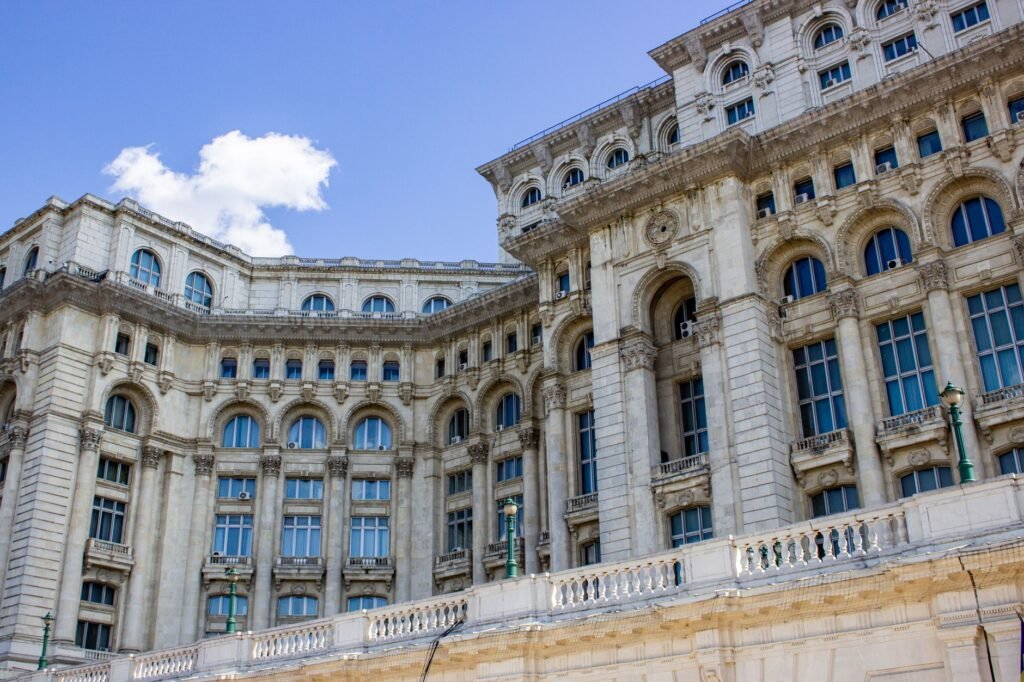
The Palace of the Parliament is not only a symbol of Bucharest but also one of the largest administrative buildings in the world. Constructed during the regime of Nicolae Ceaușescu, this monumental structure features over 1,000 rooms and intricate architecture that reflects the opulence of its time.
Visitors can take guided tours to explore its grand halls, impressive staircases, and the stunning view from the balcony overlooking the city. The sheer size and scale of the Palace can leave you in awe. Make sure to book your tour in advance, as they can fill up quickly, especially during peak tourist seasons.
Don’t miss the chance to visit the numerous art exhibitions housed within the Palace. They showcase both contemporary and traditional Romanian art, adding a cultural layer to your visit. The contrast between the building’s political history and the art it now hosts makes for an enriching experience.
2. Wander Through the Old Town (Lipscani)
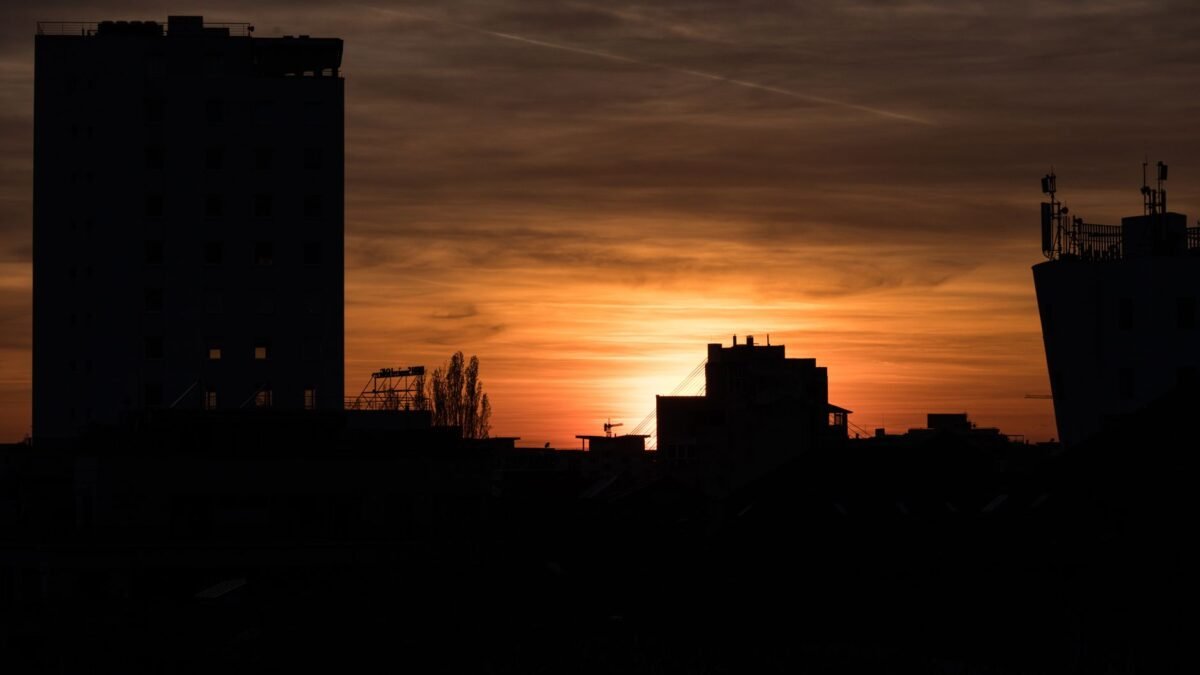
Bucharest’s Old Town, known as Lipscani, is a lively area filled with charming cobblestone streets, historic buildings, and an array of shops, cafes, and restaurants. This part of the city is where you can truly feel the pulse of Bucharest, especially in the evenings when the streets come alive with locals and tourists alike.
As you stroll through Lipscani, be sure to visit the Stavropoleos Church, an exquisite example of Brâncovenesc architecture. Its peaceful courtyard provides a beautiful escape from the bustling streets. Additionally, check out the Caru’ cu Bere restaurant, one of the oldest in the city, known for its traditional Romanian dishes and vibrant atmosphere.
For a taste of Bucharest’s nightlife, head to the many bars and clubs in the area. From rooftop lounges offering stunning views to intimate pubs with live music, there’s something for every taste. You might even stumble upon a hidden gem tucked away in a narrow alley.

3. Visit the Romanian Athenaeum
The Romanian Athenaeum is a concert hall and a masterpiece of neoclassical architecture. It’s not just a venue for music; it’s a cultural landmark that symbolizes Romanian arts. Inside, you’ll find a breathtaking fresco depicting the history of Romania, which is worth seeing even for non-music lovers.
Attending a concert at the Athenaeum is a must-do experience. The venue hosts a variety of performances, from classical music to contemporary shows, and has a reputation for excellent acoustics. If you’re lucky, you might catch a performance by the George Enescu Philharmonic, one of Romania’s most prestigious orchestras.
If you’re not able to attend a concert, consider taking a guided tour to learn more about its history and architecture. The tours often include insights into the building’s significance to Romanian culture and the artists who have performed there.
4. Explore the Village Museum
The Dimitrie Gusti National Village Museum is an open-air museum that showcases traditional Romanian village life. Located in Herăstrău Park, the museum features over 300 houses, churches, and other structures relocated from various regions of Romania. Walking through the museum feels like stepping back in time.
Each building is representative of different architectural styles and historical periods, allowing visitors to gain insights into the diverse cultural heritage of Romania. The museum frequently hosts workshops and traditional crafts demonstrations, so check the schedule to see what might be happening during your visit.
After exploring the museum, take a leisurely walk in Herăstrău Park, where you can enjoy a peaceful environment away from the city’s hustle. The park also offers boat rentals and picturesque spots for picnicking.
5. Discover the National Museum of Art of Romania
For art enthusiasts, the National Museum of Art of Romania is a treasure trove. Housed in the former Royal Palace, the museum features an extensive collection of Romanian and European art. The museum is divided into two main sections: the Romanian medieval and modern art collection and the European art collection.
In the Romanian section, you’ll find works from renowned artists like Nicolae Grigorescu and Theodor Aman, which provide a glimpse into the country’s artistic evolution. The European section boasts works from prominent artists such as Rembrandt and Van Eyck, showcasing Romania’s connection to broader European art movements.
Visiting the museum is a great way to spend a few hours, especially on a rainy day. Consider joining a guided tour to gain deeper insights into the artworks and their historical context.
6. Enjoy Local Cuisine
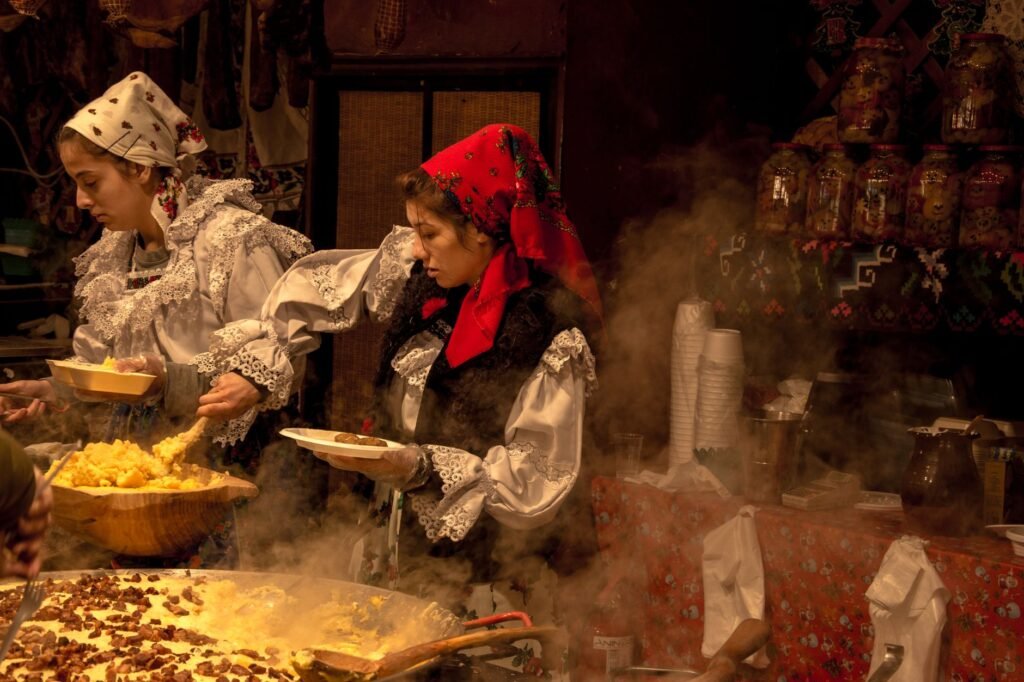
No trip to Bucharest is complete without indulging in traditional Romanian cuisine. From hearty stews to delicious pastries, Romanian food is a reflection of its diverse cultural influences. Start with a dish of mămăligă (cornmeal porridge) served with cheese and sour cream, a quintessential Romanian staple.
Another must-try is sarmale, which are cabbage rolls stuffed with a mixture of meat and rice, often served with polenta on the side. For dessert, don’t miss out on cozonac, a sweet bread filled with nuts or cocoa, traditionally made during holidays but enjoyed year-round.
Bucharest is home to many excellent restaurants where you can savor these dishes. Consider dining at La Mama, known for its authentic Romanian dishes and cozy atmosphere. For a more upscale experience, try The Artist, which offers a modern twist on traditional cuisine.
7. Experience the Nightlife
Bucharest’s nightlife is as dynamic as its culture, offering a wide array of options for every taste. The Old Town is the heart of the nightlife scene, where you can find everything from lively pubs to sophisticated cocktail bars. The atmosphere here is electric, especially on weekends when locals and tourists flood the streets.
For a unique experience, visit one of the city’s rooftop bars, such as SkyBar, where you can enjoy stunning views of the city skyline while sipping on a creative cocktail. If you prefer live music, head to Control Club or Expirat, both of which host local bands and DJs.
It’s also worth exploring some of the themed bars that have become popular in recent years. From speakeasies to art bars featuring local artists, there’s something to suit every mood. Just ensure you check the venue’s schedule for special events or performances during your visit.
8. Take a Day Trip to Snagov Monastery
If you have time to venture outside of Bucharest, consider taking a day trip to Snagov Monastery, located about 40 kilometers north of the city. This serene spot is situated on an island in Snagov Lake and is steeped in legend, particularly the tale of Vlad the Impaler, who is said to be buried here.
The monastery itself is picturesque, featuring beautiful frescoes and a peaceful atmosphere. You can reach Snagov by car or by taking a bus from Bucharest. Once there, enjoy a leisurely walk around the lake or bring a picnic to enjoy by the water.
Many visitors find this trip refreshing, providing a contrast to the bustling city life. It’s a great opportunity to experience Romania’s natural beauty and historical heritage in one go.
Experience Bucharest’s Green Spaces
Parcul Herăstrău
Parcul Herăstrău, also known as Herăstrău Park, is one of the largest parks in Bucharest and a perfect spot for relaxation and recreation. Covering over 187 hectares, this park is centered around a picturesque lake where you can indulge in activities like boating and picnicking. The park also features walking and cycling paths, making it an ideal location for both leisure and exercise.
Visitors can enjoy various attractions within the park, including the Village Museum, which showcases traditional Romanian architecture. Additionally, there are numerous cafes and restaurants where you can unwind with a drink or a meal. For families, the park offers playgrounds and areas specifically designed for children, ensuring a fun day out for all ages.
Parcul Cișmigiu
Another gem in Bucharest’s green landscape is Parcul Cișmigiu, the city’s oldest public garden. This romantic park features winding paths, beautiful flower beds, and a serene lake, making it a popular spot for both locals and tourists. Parcul Cișmigiu is particularly enchanting in the spring when cherry blossom trees bloom, transforming the park into a colorful haven.
The park also hosts various cultural events and activities throughout the year, including outdoor concerts and festivals. Visitors can stroll along the paths, rent a boat on the lake, or enjoy a coffee at one of the charming kiosks. With its rich history and lush surroundings, Parcul Cișmigiu is a must-visit for anyone wanting to experience a quieter side of Bucharest.
Botanical Garden
The Bucharest Botanical Garden (Grădina Botanică) is another essential green space, offering a tranquil escape from the city’s hustle and bustle. Spanning over 17 hectares, this garden is home to an extensive collection of plants from around the world, making it a paradise for nature lovers. The garden features themed areas, including a tropical greenhouse and a rock garden, showcasing diverse flora.
- Explore the greenhouse with exotic plants.
- Visit the Japanese garden, designed for tranquility.
- Enjoy seasonal flower exhibitions that attract visitors year-round.
Whether you want to learn about botany or simply relax amidst nature, the Bucharest Botanical Garden is an excellent addition to your itinerary.
Art and Culture Beyond the Museums
Street Art Tours
Bucharest’s vibrant street art scene is a testament to the city’s creative spirit. Taking a street art tour is a unique way to explore the urban landscape while appreciating the works of local and international artists. These tours often lead you through various neighborhoods, showcasing large murals, graffiti, and installations that tell the story of the city and its culture.
Street art reflects the social and political history of Bucharest, making it an insightful experience. Many tours are guided by local artists who provide context and share the meaning behind specific pieces, enriching your understanding of the art form. Whether you’re an art aficionado or just curious, exploring Bucharest’s street art can be an inspiring adventure.
Attend a Live Performance
Bucharest is a cultural hub with a rich tapestry of live performances to enjoy. From classical concerts at the Romanian Athenaeum to contemporary theater productions, there’s something for everyone. The city hosts numerous festivals throughout the year that celebrate music, theater, and dance, showcasing both local talent and international acts.
- George Enescu Festival: A major classical music festival that attracts world-renowned musicians.
- Romanian National Opera: Offers a range of operatic performances and ballets.
- Teatrul Național București: A prominent theater featuring local and international plays.
Attending a live performance in Bucharest is an excellent way to immerse yourself in the city’s arts scene and experience its cultural vibrancy.
Local Workshops and Classes
For those looking to dive deeper into Romanian culture, participating in local workshops and classes can be a rewarding experience. From cooking classes that teach traditional Romanian recipes to pottery workshops that highlight local craftsmanship, there are various options available. Engaging in these activities not only allows you to learn but also provides a chance to interact with locals and gain insight into their way of life.
Some popular workshop options include:
- Cooking traditional dishes like sarmale (cabbage rolls) and mămăligă (polenta).
- Learning the art of Romanian folk dancing.
- Participating in craft-making sessions focused on traditional Romanian crafts.
These hands-on experiences can create lasting memories and a deeper appreciation for Romania’s rich culture.
Frequently Asked Questions
What is the best time to visit Bucharest?
The ideal time to visit Bucharest is during the spring (April to June) and fall (September to October) when the weather is mild, and the city hosts various cultural events and festivals.
How can I get around Bucharest?
Bucharest has an efficient public transportation system, including buses, trams, and a metro system. Taxis and rideshare services are also widely available, making it easy to navigate the city.
Is Bucharest safe for tourists?
Bucharest is generally safe for tourists, but like any major city, it’s important to stay aware of your surroundings and take common-sense precautions, especially in crowded areas.
What currency is used in Bucharest?
The currency used in Bucharest is the Romanian Leu (RON). Credit cards are widely accepted, but it’s advisable to carry some cash for smaller establishments.
The Bottom Line
Bucharest is a city rich in history and culture, offering a wealth of experiences for travelers. From exploring grand landmarks and indulging in local cuisine to enjoying vibrant nightlife and taking day trips, there is no shortage of things to do in Romania’s capital. By planning your itinerary around these top attractions and experiences, you can make the most of your visit and leave with unforgettable memories.