Key Takeaways
- Bonaire is a diver's paradise with stunning coral reefs.
- Explore the island's unique wildlife and national parks.
- Experience local culture through art, music, and food.
- Bonaire offers activities for every type of traveler.
Bonaire, a small island in the Caribbean, is renowned for its vibrant marine life, breathtaking landscapes, and rich cultural heritage. Travelers flock to this haven for its world-class diving spots, pristine beaches, and welcoming atmosphere. Whether you are an adventure seeker, a nature lover, or someone looking to immerse yourself in local culture, Bonaire has something to offer everyone. In this guide, we will explore the top things to do in Bonaire that will help you make the most of your visit.
This guide will cover various activities ranging from outdoor adventures to cultural experiences. We will also provide practical tips to ensure a smooth trip, helping you navigate everything from transportation to local customs. Discover why Bonaire is often referred to as the hidden gem of the Caribbean.
1. Explore the Underwater World
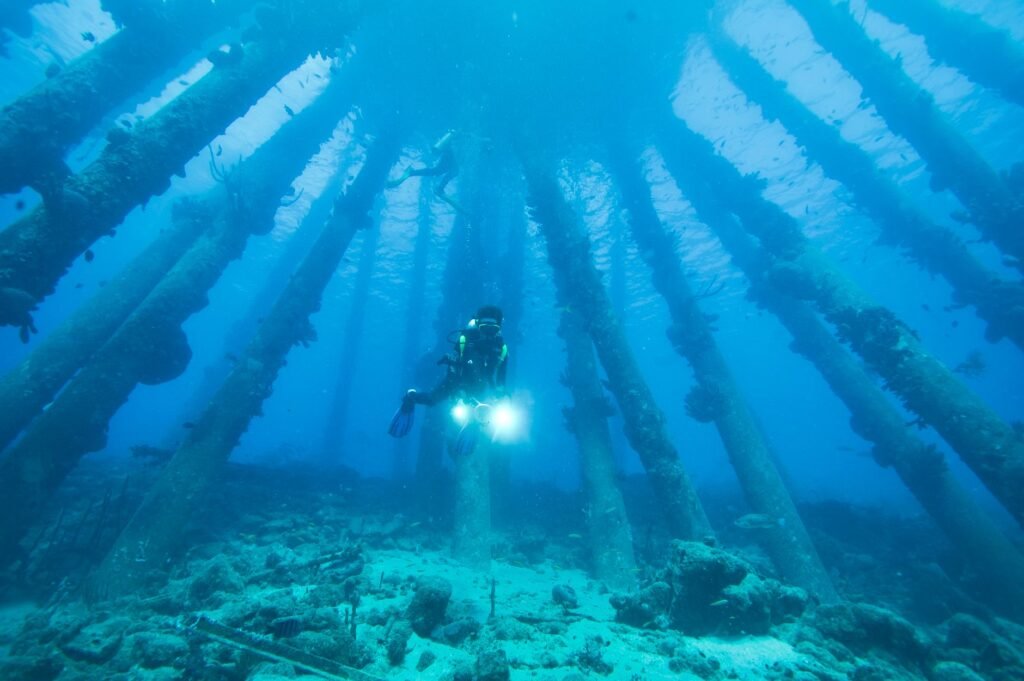
Bonaire is often considered one of the best diving destinations in the world. Its marine park, established in 1979, protects over 80 species of coral and countless fish species. The clear waters and abundant marine life make it ideal for both novice and experienced divers.
One of the most popular dive sites is the Salt Pier, known for its stunning coral formations and diverse marine species. Additionally, 1000 Steps is another must-visit location for divers, offering a spectacular underwater landscape. For those who prefer snorkeling, spots like Pink Beach provide shallow waters teeming with vibrant fish.
For an authentic experience, many local dive shops offer guided excursions and certifications. Dive shops such as Buddy Dive Resort and Divi Dive Bonaire are well-rated and provide equipment rentals and training sessions.
2. Visit Washington Slagbaai National Park
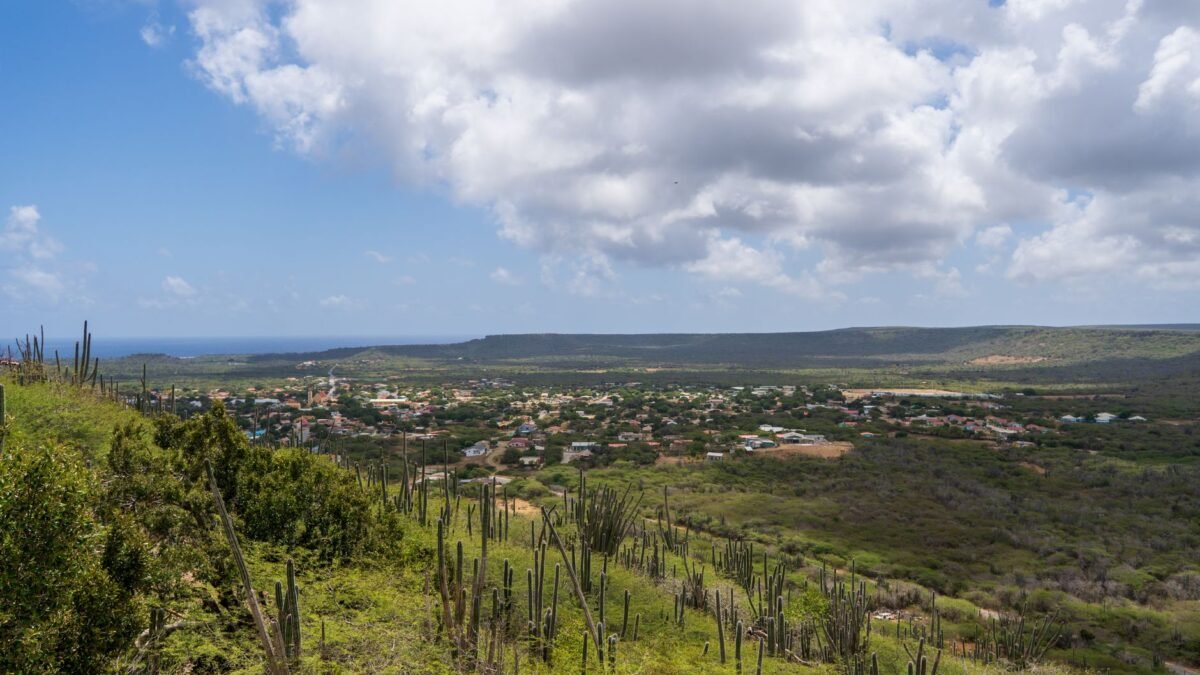
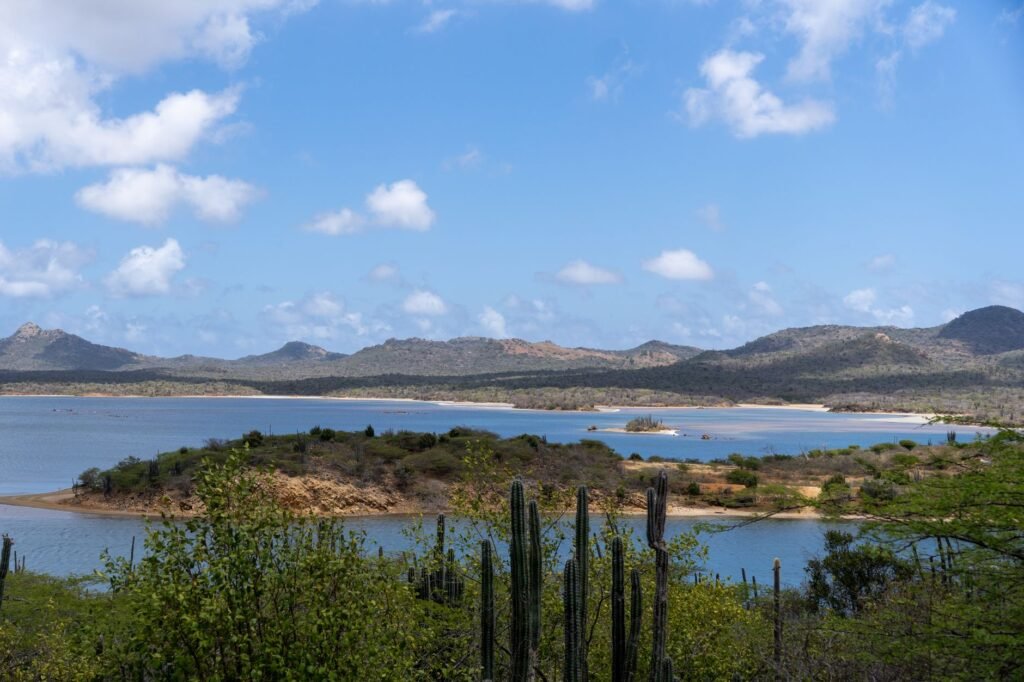
This national park is a true representation of Bonaire’s natural beauty. Covering approximately 20% of the island, it features rugged landscapes, unique wildlife, and scenic views. The park is a paradise for birdwatchers, with species such as flamingos, herons, and parrots residing in the area.
Visitors can explore the park through a network of well-maintained roads and trails. A popular route is the Slagbaai Loop, which takes you through stunning coastal views and historical sites. Along the way, make sure to stop at the Slagbaai Lighthouse for breathtaking panoramas of the island.
For those interested in hiking, the Brandaris Trail leads to the highest point on the island, providing stunning views and a chance to see the island’s unique flora and fauna. Remember to carry enough water and wear appropriate footwear, as the terrain can be rugged.
3. Discover the Local Culture
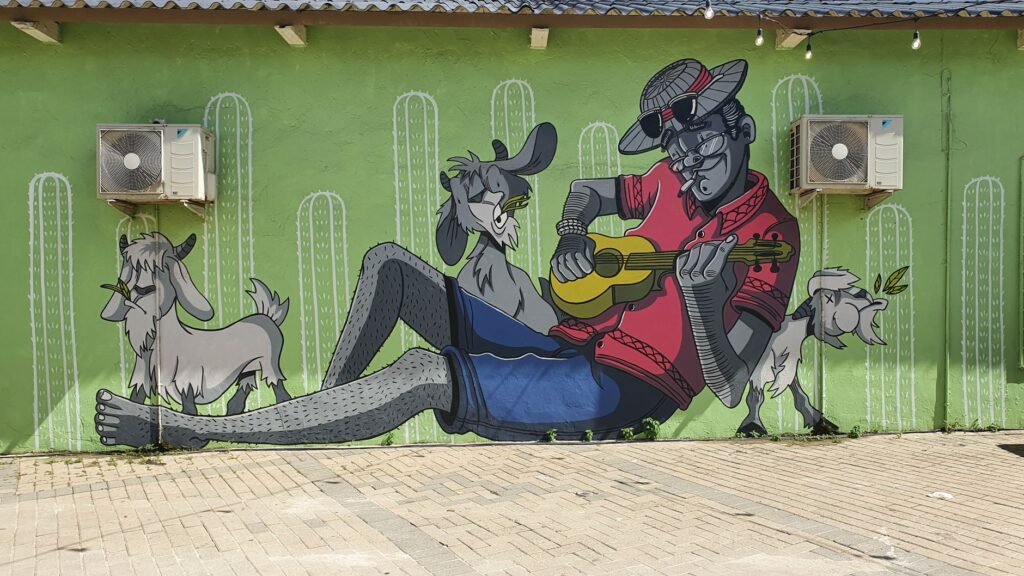
Bonaire’s culture is a unique blend of indigenous, African, and Dutch influences, reflected in its art, music, and food. To immerse yourself in local culture, consider visiting the Bonaire Museum, which showcases the island’s history and heritage through exhibitions and artifacts.
Another way to experience Bonaire’s culture is by participating in local festivals. Events such as Carnival and the Festival di Kultura highlight traditional music, dance, and food. These festivals typically take place in the early months of the year, so plan your visit accordingly to experience the vibrant celebrations.
Don’t miss the chance to try local dishes at restaurants such as It Rains Fishes and Casa Tua. Typical dishes feature fresh seafood, stews, and the island’s famous goat stew, providing a taste of Bonaire’s culinary heritage.
4. Enjoy the Beaches
Bonaire is home to some of the Caribbean’s most stunning beaches. Each beach offers a unique experience, from vibrant snorkeling spots to relaxing sunbathing areas. Pink Beach, known for its soft pink sand, is a perfect spot for swimming and relaxing. The shallow waters make it ideal for families with children.
Another beautiful option is Te Amo Beach, located near the airport, which features calm waters ideal for swimming and snorkeling. Here, you can often see local wildlife, including iguanas and various bird species.
For those seeking a more secluded experience, Donkey Beach is a hidden gem. This beach is less crowded, providing a peaceful atmosphere for sunbathing or picnicking. Remember to bring your own refreshments, as facilities may be limited.
5. Experience Water Sports and Activities
Beyond diving and snorkeling, Bonaire offers an array of water sports for thrill-seekers. Windsurfing and kitesurfing are particularly popular due to the island’s consistent trade winds. Jibe City is a well-known spot for windsurfing, offering rentals and lessons for all skill levels.
Kayaking is another fantastic way to explore Bonaire’s coastline. Many local companies offer guided tours that take you through mangroves and along the shores, allowing you to spot wildlife and enjoy the scenic beauty of the island.
Stand-up paddleboarding (SUP) has also gained popularity, with calm bays providing the perfect setting for beginners and experienced paddlers alike. Equipment rentals are available at various locations, making it easy to get started.
6. Take a Day Trip to Klein Bonaire
Klein Bonaire, a small uninhabited island off the coast of Bonaire, is a must-visit destination for nature lovers. The island is accessible by boat and offers pristine beaches and exceptional snorkeling opportunities. The vibrant coral reefs surrounding Klein Bonaire are home to countless fish species and other marine life.
Many tour operators offer trips to Klein Bonaire, including snorkeling excursions that provide all the necessary equipment. Popular spots for snorkeling include No Name Beach and Cliff, where the underwater scenery is breathtaking.
While on Klein Bonaire, take a moment to enjoy the tranquility and natural beauty. The island’s beaches are perfect for sunbathing, picnicking, or simply enjoying a day away from the busier areas of Bonaire.
7. Sample Bonaire’s Unique Flora and Fauna
Bonaire is home to a variety of unique plant and animal species, many of which can be seen in their natural habitats. The island’s mangrove forests provide essential ecosystems for various marine species and birds. Taking a guided tour through these areas can enhance your understanding of their importance and biodiversity.
Birdwatchers will find Bonaire particularly rewarding, with numerous species inhabiting the island. The Washington Slagbaai National Park and Rincon are excellent places to spot local and migratory birds. Consider bringing binoculars for a closer look.
For a unique experience, visit the Donkey Sanctuary, where you can learn about the island’s famous wild donkeys and even interact with them. The sanctuary aims to provide a safe haven for these animals and educate visitors about their conservation.
8. Engage in Local Shopping and Art
Bonaire’s shopping scene is filled with local crafts, art, and souvenirs. The Plaza Beach Resort and Wilhelmina Park host local markets where artisans sell handmade goods, including jewelry, pottery, and paintings. These markets are excellent places to find unique gifts and support local artists.
In addition to markets, local galleries such as the Gallery Wilma showcase the work of Bonairean artists. Many galleries host exhibitions and events, providing insight into the island’s vibrant art scene.
Consider visiting during the first weekend of the month when the local art walk occurs. This event allows visitors to explore galleries and studios while enjoying live music, food, and a festive atmosphere.
Indulge in Bonaire’s Culinary Scene
Local Cuisine Highlights
Bonaire’s culinary landscape is a delightful blend of Caribbean flavors and local traditions. Visitors can savor fresh seafood, locally grown vegetables, and unique island dishes that reflect the cultural diversity of the island. Some of the must-try dishes include:
- Fish Stoba: A traditional fish stew made with fresh catch, tomatoes, and spices.
- Piska Habri: Grilled fish served with a tangy sauce, often accompanied by local sides.
- Funchi: A polenta-like dish made from cornmeal, often served with stews and meats.
Many restaurants emphasize fresh, locally sourced ingredients, ensuring that every meal is a true taste of Bonaire. Dining options range from casual beach bars to finer dining establishments, catering to every budget and palate.
Dining Experiences to Remember
Eating in Bonaire is not just about the food; it’s also about the experience. Many restaurants offer stunning ocean views and a relaxed atmosphere. Here are a few dining experiences that stand out:
- Beachfront Dining: Enjoy meals right on the sand, where the sound of waves complements your culinary delights.
- Culinary Tours: Join a guided tour that takes you to multiple local eateries, allowing you to sample a variety of dishes and learn about the island’s food culture.
- Cooking Classes: Participate in a cooking class where you can learn to prepare traditional Bonairean dishes using local ingredients.
These experiences not only satisfy your taste buds but also provide a deeper understanding of Bonaire’s culinary heritage.
Explore Bonaire’s Unique Geology
Salt Flats and Nature Reserves
The unique geological features of Bonaire, particularly its salt flats, are a must-see for nature enthusiasts. The salt flats, located near the southern part of the island, are not only visually striking but also play a vital role in the island’s ecosystem. The vibrant pink hue of the salt ponds comes from the high concentration of salt-loving microorganisms, and the area is a haven for various bird species, particularly flamingos.
Visitors can explore the salt flats by walking along designated trails. Guided tours are available, providing insights into the salt production process and the importance of conservation efforts in this delicate environment.
Volcanic Landscapes and Caves
Bonaire’s volcanic origin has left a stunning landscape dotted with unique rock formations and caves. One of the most notable geological features is the Dos Pos, a cave system that offers adventurous visitors an opportunity to explore its limestone formations. Guided tours typically include snorkeling opportunities in nearby waters, where you can observe marine life thriving around these geological formations.
- Visit the Cave of the Old Woman: This cave features ancient pictographs and provides a glimpse into the island’s indigenous history.
- Hike the Seru Largu: A hike up to this viewpoint rewards you with panoramic views of the island and is a perfect spot for photography.
Exploring these geological wonders reveals the diversity of Bonaire’s landscape and its significance in the region.
Participate in Eco-Tourism Initiatives
Conservation Projects
Eco-tourism is an integral part of Bonaire’s identity, attracting visitors who are keen on preserving the island’s natural beauty. Various organizations offer opportunities for tourists to engage in conservation projects, such as coral restoration, sea turtle monitoring, and beach clean-ups. Participating in these initiatives not only contributes to the island’s ecological health but also provides a rewarding experience for visitors.
For instance, the Bonaire Marine Park often organizes volunteer days where participants can help maintain coral nurseries. This hands-on experience allows visitors to learn about marine biology while actively contributing to conservation efforts.
Eco-Friendly Accommodations
Staying at eco-friendly accommodations enhances your responsible travel experience. Many hotels and guesthouses on the island prioritize sustainability, utilizing solar energy, water conservation techniques, and local materials in their construction. Here are a few eco-friendly options:
- Green accommodations: Look for places that have received certifications for their sustainable practices.
- Locally owned lodgings: Supporting local businesses often leads to more sustainable tourism practices.
Choosing eco-friendly accommodations not only lessens your environmental impact but also enriches your connection to Bonaire’s natural environment.
Frequently Asked Questions
What is the best time to visit Bonaire?
The best time to visit Bonaire is during the dry season, which runs from December to April. This period features pleasant weather and less humidity, making it ideal for outdoor activities.
Do I need a visa to visit Bonaire?
Visitors from many countries, including the United States and EU member states, do not require a visa for short stays. However, it’s essential to check the latest entry requirements based on your nationality.
Is Bonaire suitable for families with children?
Yes, Bonaire is family-friendly, offering various activities suitable for children, including beaches, snorkeling, and wildlife encounters. Many resorts also cater to families with kid-friendly amenities.
How can I get around Bonaire?
The best way to get around Bonaire is by renting a car or scooter. Public transportation is limited, and having your own vehicle allows you to explore the island at your own pace.
The Bottom Line
Bonaire is a treasure trove of activities, from exploring its underwater wonders to engaging with local culture. Whether you’re diving in crystal-clear waters, hiking through national parks, or enjoying the island’s culinary offerings, Bonaire promises a memorable experience. With careful planning and an adventurous spirit, you’ll uncover the many delights this charming Caribbean island has to offer.