Key Takeaways
- Andalucia offers a blend of history, nature, and culture.
- Visit iconic cities such as Seville, Granada, and Cordoba.
- Experience the unique traditions and festivals of the region.
- Enjoy outdoor activities in the beautiful Andalusian landscape.
Andalucia, the southernmost region of Spain, is a treasure trove of vibrant culture, breathtaking landscapes, and historical landmarks. From the stunning architecture of its cities to the serene beauty of its natural parks, there is an abundance of experiences waiting to be discovered. This guide will help you navigate the top things to do in Andalucia, ensuring that you make the most of your visit.
With its diverse offerings, Andalucia caters to all types of travelers, history buffs, food enthusiasts, outdoor adventurers, and families alike. Whether you’re wandering through the narrow streets of ancient towns or enjoying a flamenco show, the region provides a unique glimpse into Spanish life. In this article, we will explore the unmissable attractions and activities that make Andalucia a must-visit destination.
As you plan your trip, keep in mind that Andalucia’s rich history and diverse geography mean there are countless options to choose from. The itinerary can be tailored to fit your interests, whether you seek relaxation on a beach, an exploration of Moorish architecture, or a taste of local cuisine. Let’s delve into the top things to do in Andalucia!
1. Explore Seville’s Historic Sites
Seville, the capital of Andalucia, is known for its stunning historic architecture and vibrant atmosphere. The city is home to several UNESCO World Heritage Sites that showcase its rich Moorish history.
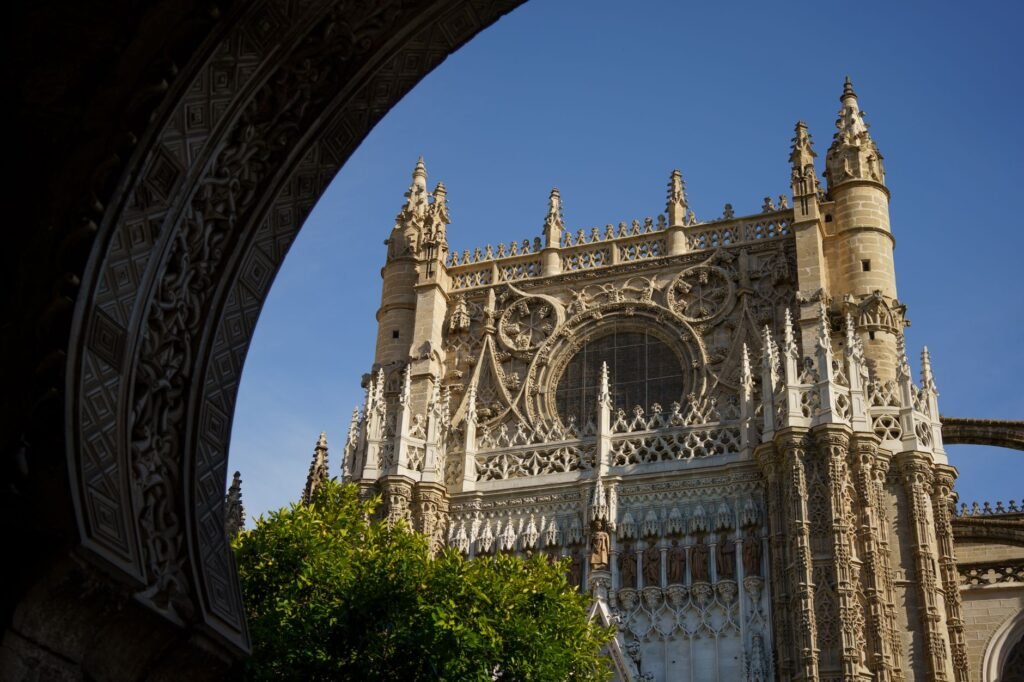
One of the most iconic landmarks is the Seville Cathedral, which is the largest Gothic cathedral in the world. Inside, you can admire intricate altarpieces, chapels, and the tomb of Christopher Columbus. Climbing the Giralda Tower offers a panoramic view of the city.
- Metropol Parasol: A modern architectural marvel in Plaza de la Encarnación, offering great views and a lively market underneath.
- Alcázar of Seville: A stunning royal palace with exquisite gardens, reflecting the city’s Moorish heritage.
- Plaza de España: A beautiful square featuring a semi-circular building with colorful tile work, ideal for photos and leisurely strolls.
2. Discover Granada and the Alhambra
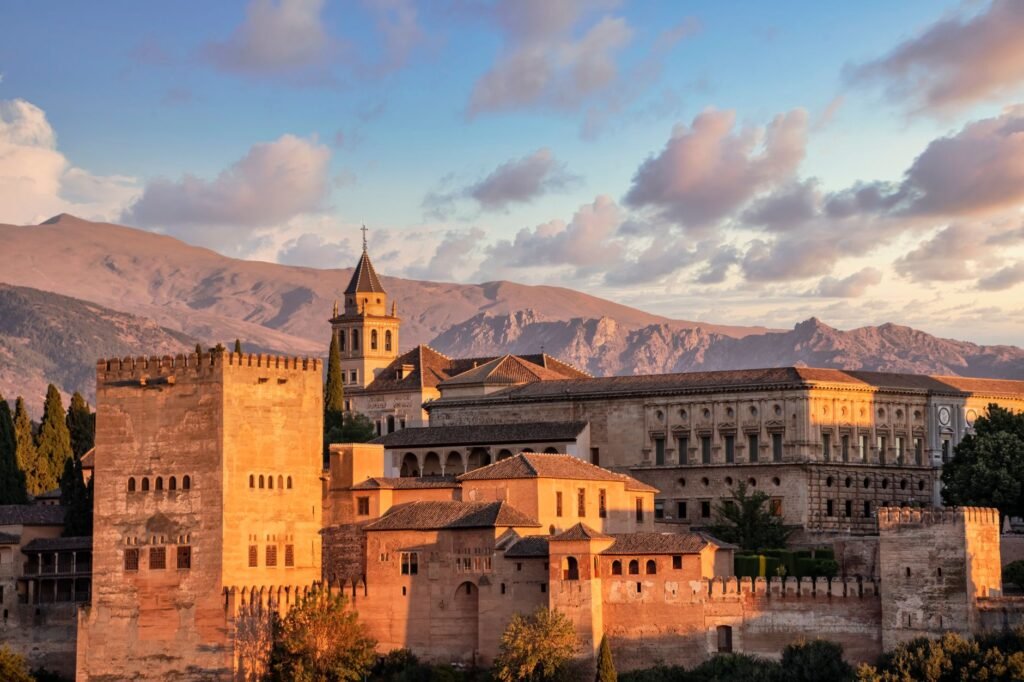
Granada is famous for the Alhambra, a magnificent palace and fortress complex that showcases the pinnacle of Moorish architecture. The intricate details and beautiful gardens make it a highlight of any trip to Andalucia.
To visit the Alhambra, it’s essential to book tickets in advance, as entry is limited. A guided tour can enhance your experience, providing context about the history and significance of the site. Do not miss the Generalife Gardens, where you can enjoy stunning views of the city and the Sierra Nevada mountains.
- Granada Cathedral: A beautiful example of Renaissance architecture located in the heart of the city.
- Albayzín: The historic Moorish quarter with narrow winding streets and charming whitewashed houses.
- Tapas Bars: Experience the local tradition of free tapas with drinks in the lively streets around Plaza Nueva.
3. Experience Cordoba’s Cultural Heritage
Cordoba is known for its stunning Mezquita, a mosque-cathedral that features a forest of columns and arches. It is a remarkable example of Islamic architecture and reflects the city’s diverse history.
While in Cordoba, take time to explore the Jewish Quarter, known as Judería, with its narrow streets and charming patios. Visit the historic synagogue, one of the few remaining from the medieval period.
- Alcázar de los Reyes Cristianos: A medieval fortress with beautiful gardens and a rich history.
- Patios of Cordoba: Famous for their floral displays, especially during the annual Patios Festival in May.
- Cordoba Flamenco Shows: Experience authentic flamenco performances in local venues.
4. Enjoy the Natural Wonders of Sierra Nevada
The Sierra Nevada mountains provide a stunning backdrop to Andalucia and offer numerous outdoor activities. This national park is perfect for hiking, skiing, and enjoying breathtaking views.
During the warmer months, hiking trails range from easy walks to challenging treks, allowing visitors to explore the diverse flora and fauna. In winter, the Sierra Nevada Ski Resort becomes a popular destination for skiing and snowboarding.
- Hiking: Trails like the Mulhacén route provide access to the highest peak in mainland Spain.
- Skiing: The resort features slopes suitable for all skill levels, with rental services available.
- Wildlife Watching: Keep an eye out for native species, including the rare Spanish ibex and various bird species.
5. Relax on the Costa del Sol
The Costa del Sol is renowned for its beautiful beaches and sunny weather. This coastal region offers a mix of lively resorts and tranquil fishing villages, catering to all types of beachgoers.
Popular destinations include Malaga, the provincial capital known for its vibrant nightlife and cultural attractions, and Nerja, famous for its stunning cliffs and crystal-clear waters.
- Beaches: Enjoy sunbathing, swimming, and water sports along the coastline.
- Charming Villages: Explore picturesque towns such as Ronda and its dramatic cliffs.
- Local Cuisine: Savor fresh seafood and traditional dishes in seaside restaurants.
6. Experience the Vibrant Culture of Jerez de la Frontera
Jerez is famous for its sherry production and flamenco culture. Visiting the bodegas (wineries) offers insights into the sherry-making process, and many provide tastings.
Flamenco is an essential part of Jerez’s identity, with numerous venues hosting performances. The city also holds the annual Festival de Jerez, showcasing world-class flamenco artists.
- Sherry Bodega Tours: Learn about the history and techniques of sherry production at local wineries.
- Flamenco Shows: Attend live performances in intimate settings for an authentic experience.
- Royal Andalusian School of Equestrian Art: Watch impressive horse shows and learn about the traditions of Andalusian horse riding.
7. Visit the White Villages of Andalucia
The famous
Unearth the Charm of Ronda
Stroll Across the Puente Nuevo
Ronda is perhaps best known for its striking Puente Nuevo, a bridge that spans a deep gorge and connects the old and new parts of the city. This architectural masterpiece, built in the 18th century, offers breathtaking views of the surrounding countryside and the El Tajo gorge. Walking across the bridge is not just a means of crossing; it’s an experience that immerses you in Ronda’s rich history and stunning vistas. The views from the bridge are particularly mesmerizing at sunset, when the golden light bathes the cliffs and the town.
To fully appreciate the Puente Nuevo, consider visiting the surrounding viewpoints:
- Mirador de Ronda: A popular spot for photographers.
- Mirador de los Viajeros Románticos: Offers a unique perspective of the gorge.
- Mirador del Puente Nuevo: Perfect for capturing the bridge in its entirety.
Explore the Historic Bullring
The Plaza de Toros in Ronda is one of the oldest bullrings in Spain and a must-visit for anyone interested in the cultural heritage of bullfighting. Constructed in the late 18th century, this neoclassical arena is not only a venue for bullfighting but also a symbol of Ronda’s historical significance in the sport. Visitors can take guided tours that delve into the art and tradition of bullfighting, including insights into famous bullfighters who have competed here.
The bullring also houses a museum where you can learn about the history of bullfighting, view traditional costumes, and see artifacts that date back centuries. A visit here provides a deeper understanding of this controversial yet culturally significant practice.
Visit the Palacio de Mondragón
The Palacio de Mondragón is an exquisite example of Ronda’s Moorish architecture, showcasing the city’s Islamic heritage. This historic palace features beautiful gardens, fountains, and stunning views of the surrounding landscape. The building itself is a blend of various architectural styles, reflecting the city’s diverse history.
Inside, you can explore its museum, which highlights the history of Ronda and the significance of the palace throughout the ages. The intricate tile work and serene gardens make it an idyllic spot for a leisurely stroll. Don’t forget to take a moment to enjoy the panoramic views of the city from the garden terraces.
Delve into the Caves of Nerja
Discover the Natural Beauty of the Caves
The Caves of Nerja are a network of caverns that stretch for nearly 5 kilometers and are renowned for their stunning stalactites and stalagmites. Discovered in 1959, these caves are one of the most popular attractions in Andalucia, attracting visitors with their natural beauty and archaeological significance. Guided tours take you through various chambers, showcasing impressive rock formations and prehistoric cave paintings that date back thousands of years.
When visiting, consider the following highlights within the caves:
- La Sala de las Columas: Home to massive stalagmites.
- La Sala de los Murciélagos: Known for its unique acoustics.
- The ancient paintings: A glimpse into prehistoric life.
Attend the Nerja Caves Festival
For an extraordinary experience, plan your visit during the annual Nerja Caves Festival, typically held in July. This event features a series of concerts and performances held in the main chamber of the caves, known for its incredible acoustics. The festival attracts renowned artists and offers a unique blend of music and natural beauty, making it a highlight for both locals and tourists.
Tickets usually sell out quickly, so it’s advisable to book in advance. The atmosphere during the festival is electric, as the natural backdrop of the caves enhances the performances.
Explore the Surrounding Beaches
After exploring the caves, take some time to enjoy the beautiful beaches nearby. Nerja boasts several stunning beaches, each with its own charm. The beaches are known for their clear waters, perfect for swimming and snorkeling. Here are some must-visit beaches in the area:
- Playa de Burriana: A lively beach with plenty of restaurants and water sports.
- Playa de Maro: A quieter spot, ideal for relaxation and snorkeling.
- Playa El Salón: A small, picturesque beach surrounded by cliffs.
Each of these beaches offers a unique experience, whether you’re looking to soak up the sun, enjoy local cuisine, or engage in outdoor activities.
Experience the Cultural Richness of Malaga
Visit the Picasso Museum
Malaga, the birthplace of Pablo Picasso, is home to the Museo Picasso Malaga, dedicated to showcasing the artist’s works. The museum features a comprehensive collection of over 200 pieces, including paintings, sculptures, and ceramics. The building itself is a historic palace that beautifully combines contemporary design with the rich history of the area.
While visiting, take the time to attend one of the museum’s guided tours or workshops, which offer deeper insights into Picasso’s artistic evolution and techniques. Additionally, the museum often hosts temporary exhibitions, providing a fresh perspective on modern and contemporary art.
Explore the Alcazaba of Malaga
The Alcazaba is a well-preserved Moorish fortress that offers a glimpse into Malaga’s Islamic past. This impressive structure, built in the 11th century, is characterized by its stunning architecture, lush gardens, and panoramic views of the city. The fortress is connected to the Gibralfaro Castle via a scenic walking path that provides breathtaking views of the coastline.
As you explore the Alcazaba, be sure to visit the following key areas:
- The main courtyard: A beautiful area to relax and take photos.
- The watchtower: Offers stunning views of the city and harbor.
- The museum: Features artifacts from the era of Islamic rule.
The combination of historical significance and stunning architecture makes the Alcazaba a must-visit when in Malaga.
Indulge in Local Gastronomy
Malaga is also known for its vibrant food scene, where you can indulge in traditional Andalusian cuisine. The city boasts a variety of tapas bars and seafood restaurants. Local specialties include fried fish, espetos (sardines grilled on a skewer), and the famous Malaga sweet wines. For a truly immersive experience, consider joining a food tour that takes you to local markets and lesser-known eateries.
Some local culinary highlights to try include:
- Gazpacho: A refreshing cold soup perfect for hot days.
- Salmorejo: A thicker version of gazpacho, often served with hard-boiled eggs and jamón.
- Churros with chocolate: A delightful way to end your meal.
This culinary adventure will not only satisfy your palate but also give you a deeper appreciation for the region’s culinary traditions.
Explore the Olive Oil Route
Understanding Olive Oil Production
Andalucia is renowned for its high-quality olive oil, making it a significant part of the region’s agricultural heritage. The production process typically involves the harvesting of olives, which are then cold-pressed to extract the oil. Visitors can take guided tours of local olive groves and mills, learning about the different types of olives used and the nuances of oil extraction. Some tours even offer tastings, where you can savor the rich flavors of extra virgin olive oil.
Top Olive Oil Farms to Visit
- Finca La Torre – Known for its organic practices and award-winning oils.
- Oro del Desierto – Offers comprehensive tours explaining the olive cultivation process.
- Almazara de la Subbética – Features a museum dedicated to the history of olive oil.

Adventure Activities in Andalucia
Hiking Trails and National Parks
For those seeking adventure, Andalucia boasts incredible hiking opportunities, particularly in natural parks such as Sierra de Grazalema and Los Alcornocales. The diverse landscapes offer trails suitable for all levels of hikers. In addition to breathtaking views, hikers can encounter unique flora and fauna, making it a rewarding experience for nature lovers.
Water Sports Along the Coast
The coastline of Andalucia is perfect for water sports enthusiasts. From windsurfing in Tarifa to kayaking in the coves of Nerja, there are numerous options to choose from. Additionally, many local schools offer lessons and equipment rentals, making it accessible for beginners. Popular activities include:
- Surfing in El Palmar
- Scuba diving in the Mediterranean
- Stand-up paddleboarding in Malaga
Immerse Yourself in Local Festivals
Unique Cultural Celebrations
Andalucia is famous for its vibrant festivals that showcase the region’s rich cultural tapestry. The Feria de Abril in Seville is one of the most notable, featuring traditional flamenco dancing, local cuisine, and colorful costumes. Similarly, the Semana Santa (Holy Week) celebrations across the region draw thousands of visitors each year, with processions that highlight the deep religious traditions of Andalucia.
Upcoming Local Festivals
- Feria de Agosto in Malaga – Celebrated in August with music, dance, and food.
- La Romería del Rocío – A pilgrimage event held in May attracting thousands of devotees.
- Festival de Jerez – A celebration of flamenco music and dance every February.