Key Takeaways
- Explore Algeria's rich history and culture.
- Visit stunning natural landscapes and national parks.
- Enjoy local cuisine and traditional festivals.
- Experience vibrant cities with unique architecture.
Algeria, a vast North African country, offers a rich tapestry of history, culture, and natural beauty. With its stunning landscapes ranging from the Sahara Desert to the Mediterranean coastline, Algeria presents a wealth of experiences for travelers. Whether you are seeking ancient ruins, vibrant cities, or breathtaking national parks, the top things to do in Algeria are sure to captivate your interest.
In this guide, we will explore various attractions and activities that highlight the best of what Algeria has to offer. From the bustling markets of Algiers to the serene beauty of Tassili n’Ajjer, readers will discover practical tips and must-see locations for an unforgettable trip.
Travelers can expect to immerse themselves in a rich cultural heritage, enjoy delicious cuisine, and experience the warm hospitality of Algerians. Let’s embark on an in-depth exploration of the top things to do in Algeria.
1. Discover the Historic Sites of Algiers
The capital city, Algiers, boasts a mix of modern architecture and historical landmarks. One of the most iconic sites is the Kasbah of Algiers, a UNESCO World Heritage site. This ancient medina features narrow winding streets, traditional houses, and stunning views of the Mediterranean Sea. A visit to the Kasbah is a must for anyone interested in Algeria’s history.
Another significant landmark is the Martyrs’ Memorial, which commemorates those who fought for Algeria’s independence from French colonial rule. The monument is not only a symbol of national pride but also offers panoramic views of the city. Nearby, the National Museum of Fine Arts showcases a vast collection of Algerian and international art, providing insight into the country’s artistic heritage.
For architecture enthusiasts, the Great Mosque of Algiers is an impressive sight. Completed in 2019, it is one of the largest mosques in Africa, featuring beautiful Islamic architecture and a towering minaret. Visitors can appreciate its grandeur from the outside, while guided tours may be available to explore the interior.
2. Explore the Ancient Ruins of Timgad and Djemila
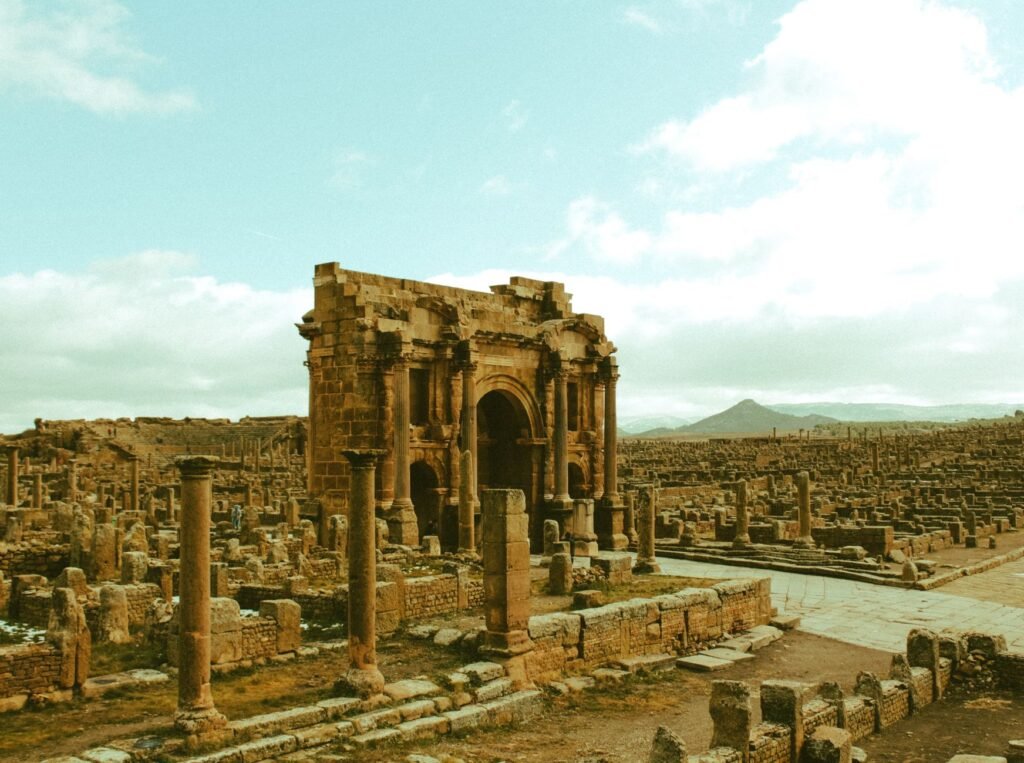
Algeria is home to some of the best-preserved Roman ruins in North Africa. Timgad, also known as the “Pompeii of Africa,” offers a glimpse into Roman life with its grid-patterned streets, impressive temples, and a large amphitheater. Walking through the ruins, visitors can imagine the bustling city life that once thrived here. The site is located about 35 kilometers from the town of Batna and is easily accessible for day trips.
Djemila, another UNESCO World Heritage site, features remarkable Roman architecture, including triumphal arches, basilicas, and an ancient theater. The scenic backdrop of the Aurès Mountains enhances the beauty of this archaeological site. A visit to Djemila provides an opportunity to learn about the fusion of Roman and indigenous cultures.
Both sites are perfect for history buffs and offer guided tours that delve into their historical significance. Travelers should ensure to bring plenty of water and wear comfortable shoes, as exploring these ruins can involve a fair bit of walking.
3. Experience the Natural Wonders of the Sahara Desert
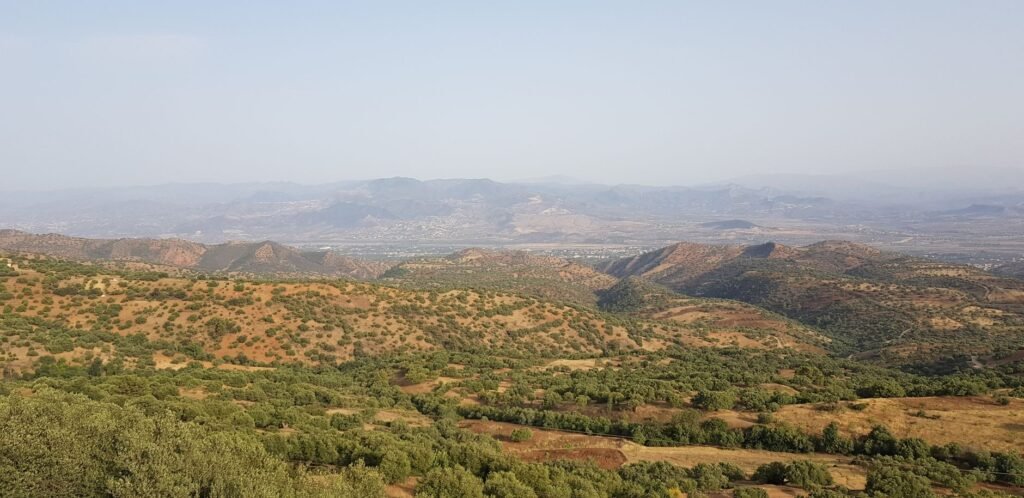
The Sahara Desert is a breathtaking landscape that is a must-see for any traveler to Algeria. The vast sand dunes, rocky plateaus, and unique rock formations create a surreal environment. One of the best places to experience the Sahara is in the Erg Chech region, known for its stunning dunes that rise up to 150 meters high. Adventurous travelers can take camel treks or 4×4 excursions to explore this magnificent desert.
Nighttime in the Sahara is another highlight. Visitors can camp under a blanket of stars, enjoying the tranquility and beauty of the desert night sky. Local guides often provide traditional meals and entertainment around the campfire, offering a glimpse into the lifestyle of the nomadic Berber people.
For those interested in ancient history, the Tassili n’Ajjer National Park features prehistoric rock art that dates back thousands of years. This UNESCO World Heritage site is rich in biodiversity and offers hiking trails that lead to stunning views and unique geological formations. Be sure to check the weather and prepare for the conditions when planning a trip to the Sahara.
4. Visit the Coastal Beauty of Oran
Oran, Algeria’s second-largest city, is known for its vibrant culture and beautiful Mediterranean coastline. The city offers a mix of historical sites, markets, and beaches. One of the highlights is the Santa Cruz Fortress, which overlooks Oran and provides stunning views of the city and coastline. The fortress has a rich history and is a great spot for photography enthusiasts.
The city’s bustling markets, such as the Medina Jedida, are perfect for those looking to experience local life. Here, visitors can find everything from spices to handmade crafts. Sampling local cuisine is a must, try the famous Oran-style seafood dishes at one of the many seaside restaurants.
Oran also hosts several cultural festivals throughout the year, celebrating music, dance, and local traditions. These events provide a unique opportunity to immerse oneself in Algerian culture and meet locals.
5. Wander Through the Oasis Town of Ghardaia
Located in the M’zab Valley, Ghardaia is a UNESCO World Heritage site known for its unique architecture and rich Berber culture. The town consists of a series of interconnected villages, each with its own distinct character. The traditional houses, built from local stone, feature flat roofs and narrow streets that create a maze-like atmosphere.
The market in Ghardaia is a vibrant hub where locals sell handicrafts, spices, and delicious traditional foods. Visitors can enjoy the lively atmosphere and sample local dishes, such as couscous and tagine. The town is also famous for its unique form of social organization, where women play a significant role in commerce and daily life.
For those interested in history, the nearby necropolis of El Atteuf is worth a visit. This ancient burial site contains impressive tombs and offers insight into the region’s past. Exploring Ghardaia provides a unique perspective on Algeria’s diverse cultural heritage.
6. Discover the Richness of Algerian Cuisine
Algerian cuisine is a delightful blend of Mediterranean and North African flavors. Travelers should not miss the opportunity to indulge in traditional dishes. Couscous is a staple food, often served with meat and vegetables. Other popular dishes include tajine, a slow-cooked stew, and mechoui, which is roasted lamb seasoned with spices.
Street food is another way to experience Algerian culture. Try local snacks like bourek, a savory pastry filled with meat or vegetables, and sweet treats like makroud, a semolina cake filled with dates or almonds. Markets and street vendors are great places to sample these delicacies.
For a true cultural experience, consider taking a cooking class to learn how to prepare traditional dishes. Many local chefs offer classes that provide insight into the ingredients and cooking techniques unique to Algerian cuisine.
7. Explore the Wildlife at National Parks
Algeria is home to numerous national parks that showcase its diverse wildlife and stunning landscapes. One of the most notable is the Belezma National Park, located in the Aurès Mountains. The park is home to various species, including Barbary macaques and a variety of birds. Hiking trails offer opportunities to explore the natural beauty and spot wildlife.
Another significant park is the Tassili n’Ajjer National Park, recognized for its unique geological formations and rich biodiversity. The park is ideal for hiking and exploring ancient rock art. Guided tours are available, allowing visitors to learn more about the local flora and fauna.
Travelers should prepare for outdoor activities by wearing appropriate clothing and bringing necessary supplies, such as water and snacks. Visiting national parks provides a chance to connect with nature and experience Algeria’s stunning landscapes.
8. Engage with Local Culture Through Festivals
Algeria hosts various cultural festivals throughout the year, celebrating music, art, and local traditions. One of the most famous is the International Festival of Raï Music held in Oran. This festival attracts artists from around the world and offers lively performances that showcase the rich musical heritage of Algeria.
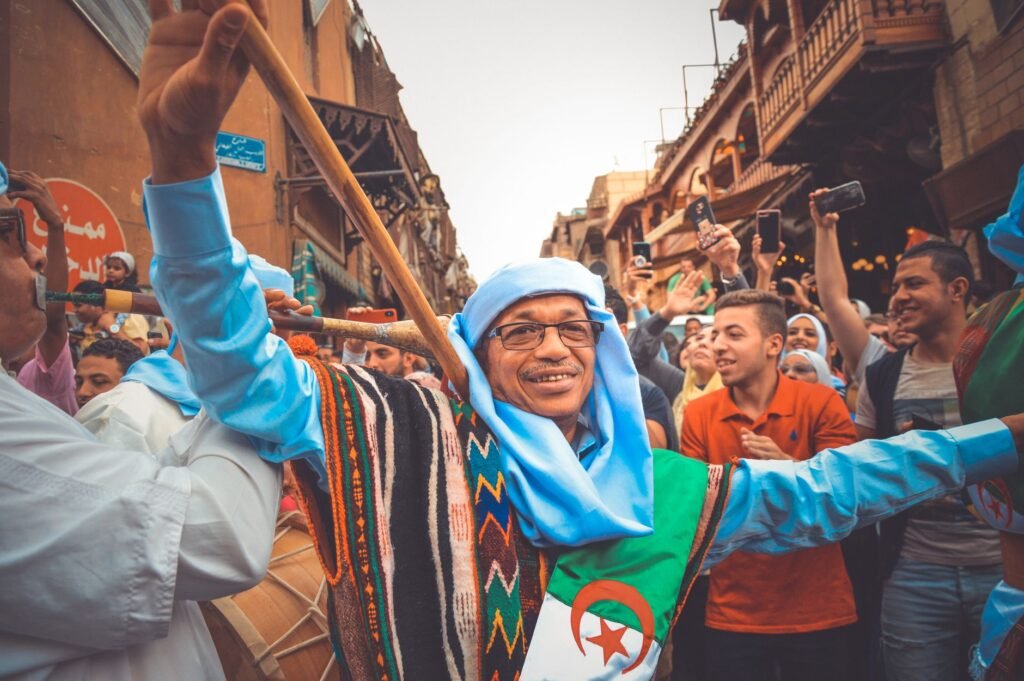
Another noteworthy event is the Amazigh New Year, celebrated in January. This festival includes traditional music, dance, and local cuisine, providing a glimpse into the Berber culture. Participating in local festivals allows travelers to engage with the community and experience authentic Algerian hospitality.
Festivals often include craft markets where local artisans display their work. Travelers can find unique souvenirs and handicrafts, supporting local artists while taking home a piece of Algerian culture.
Discover the Unique Berber Heritage
The Berber People and Their Influence
The Berber, or Amazigh, people have lived in Algeria for thousands of years, and their cultural impact is deeply woven into the fabric of Algerian society. Each region has its own distinct dialect, customs, and styles of dress. Understanding their heritage is crucial to grasping the full scope of Algeria’s identity. The Berber influence is particularly evident in the Kabylie region, where you can experience their vibrant music, traditional crafts, and unique culinary practices.
Berber Festivals and Celebrations
Throughout the year, various festivals celebrate Berber culture, showcasing their music, dance, and craftsmanship. One of the most notable is the Yennayer festival, marking the Berber New Year, which is celebrated in January. Visitors can expect to witness traditional folk dances, music performances, and local culinary delights. Other festivals include the Amazigh Cultural Festival, where artisans display their crafts, and the Tizi Ouzou Folkloric Festival, which celebrates the region’s rich musical heritage.
- Yennayer Festival – Celebrated in January
- Amazigh Cultural Festival – Showcases crafts and performances
- Tizi Ouzou Folkloric Festival – Focuses on music and dance
Exploring Berber Villages
One of the best ways to immerse yourself in Berber culture is to visit traditional villages. The picturesque villages of the Kabylie region, such as Ifrane and Beni Maâti, offer a glimpse into the daily lives of the Berber people. Here, you can see traditional stone houses, visit local markets, and even participate in workshops where artisans share their skills in weaving and pottery. Engaging with local families provides a unique insight into their customs and ways of life.
Delve into Algeria’s Colonial History
The French Colonial Era
The French colonization of Algeria from 1830 to 1962 left a profound impact on the country’s architecture, culture, and social structure. Visiting sites such as the Villa Abd-el-Tif in Algiers, which served as an artists’ residence, allows travelers to appreciate the blend of French and Algerian influences. The city’s architecture reflects this era, with numerous buildings showcasing Haussmannian style intermixed with local designs.
Sites of Historical Significance
Several sites throughout Algeria serve as poignant reminders of its colonial past. The Memorial of the Martyrs in Algiers is dedicated to those who fought for independence and stands as a symbol of national pride. Another significant site is the former prison of Serkadji, which housed many political prisoners during the struggle for independence. These locations provide not only a historical context but also a deeper understanding of the country’s journey towards freedom.
- Villa Abd-el-Tif – Artists’ residence showcasing colonial architecture
- Memorial of the Martyrs – Commemoration of those who fought for independence
- Serkadji Prison – Historical site of political imprisonment
Walking Tours of Colonial Architecture
For those interested in architecture, guided walking tours through Algiers’ Kasbah and other colonial districts unveil the fascinating stories behind the structures. Experienced guides can provide insights into the historical context and architectural styles, highlighting the contrasts between colonial and traditional Algerian architecture. These tours often take you through bustling markets, quaint cafes, and hidden gems that are less frequented by tourists, enriching the overall experience.
Adventure Activities Beyond the Sahara
Hiking in the Aurès Mountains
The Aurès Mountains offer some of the most breathtaking hiking trails in Algeria. Known for their stunning landscapes and diverse ecosystems, these mountains provide a perfect setting for both novice and experienced hikers. Trails range from easy walks to challenging climbs, allowing adventurers to explore lush valleys, ancient ruins, and picturesque villages along the way.
Rock Climbing in the Tassili n’Ajjer
The Tassili n’Ajjer National Park is a UNESCO World Heritage site famous for its unique rock formations and prehistoric rock art. Rock climbing here is a thrilling experience, with routes that cater to various skill levels. Experienced climbers can tackle the challenging cliffs, while beginners can enjoy guided climbs that introduce them to the sport in a remarkable setting.
- Hiking Trails – Suitable for all skill levels
- Rock Climbing – Routes for beginners to experienced climbers
- Prehistoric Rock Art – Ancient carvings and drawings
Exploring the Mediterranean Coastline
While many visitors flock to the Sahara, Algeria’s Mediterranean coastline is equally captivating. The coastal towns of Bejaia and Skikda offer opportunities for water sports like snorkeling, scuba diving, and sailing. The beaches are less crowded than those in neighboring countries, providing a more tranquil experience. Additionally, the rich marine life and underwater ecosystems can be explored through guided tours, making it a perfect destination for adventure seekers.
Frequently Asked Questions
What is the best time to visit Algeria?
The best time to visit Algeria is during the spring (March to May) and autumn (September to November) when the weather is mild and pleasant, making it ideal for outdoor activities.
Is it safe to travel to Algeria?
While many areas in Algeria are safe for tourists, it is advisable to stay informed about travel advisories and to avoid certain regions. Always consult with local authorities or travel experts for the latest information.
What language is spoken in Algeria?
The official languages in Algeria are Arabic and Berber. French is also widely spoken, especially in urban areas, making it easier for French-speaking travelers to communicate.
What currency is used in Algeria?
The currency used in Algeria is the Algerian dinar (DZD). It is advisable to exchange currency at local banks or authorized exchange offices for the best rates.
The Bottom Line
Algeria offers a diverse array of experiences for travelers interested in history, culture, and natural beauty. From the ancient ruins of Timgad to the vibrant culture of Oran, the top things to do in Algeria showcase the country’s rich heritage and stunning landscapes. With careful planning and an open mind, visitors can immerse themselves in the unique charm of Algeria.