Key Takeaways
- Explore diverse landscapes from beaches to mountains.
- Experience unique local culture and cuisine.
- Engage in thrilling outdoor activities.
- Visit historical sites and natural parks.
The Canary Islands, an archipelago off the northwest coast of Africa, are known for their stunning landscapes, year-round pleasant climate, and rich cultural heritage. With each island offering its unique charm, visitors can find a range of activities that cater to adventurers, families, and those simply looking to relax. This guide will delve into the top things to do in the Canary Islands, providing practical tips for making the most of your visit.
From the volcanic landscapes of Lanzarote to the lush greenery of La Palma, the Canary Islands are a paradise for nature lovers. Travelers can indulge in various outdoor activities, explore charming towns, and savor delicious local cuisine. Whether you’re planning a family vacation or a romantic getaway, the islands offer something for everyone.
Let’s explore the best activities and experiences that the Canary Islands have to offer, ensuring you leave with unforgettable memories.
1. Explore the Natural Wonders
The Canary Islands are renowned for their diverse natural landscapes, including mountains, beaches, and unique geological formations. Each island has its own set of natural wonders that are worth exploring.
Teide National Park, Tenerife
Teide National Park is home to Mount Teide, the highest peak in Spain. This UNESCO World Heritage Site offers breathtaking views and unique volcanic landscapes. Visitors can take a cable car to near the summit for panoramic views of the surrounding islands. Hiking trails range from easy to challenging, catering to all levels of experience. Don’t forget to check the weather before your visit, as conditions can change rapidly.
Timanfaya National Park, Lanzarote
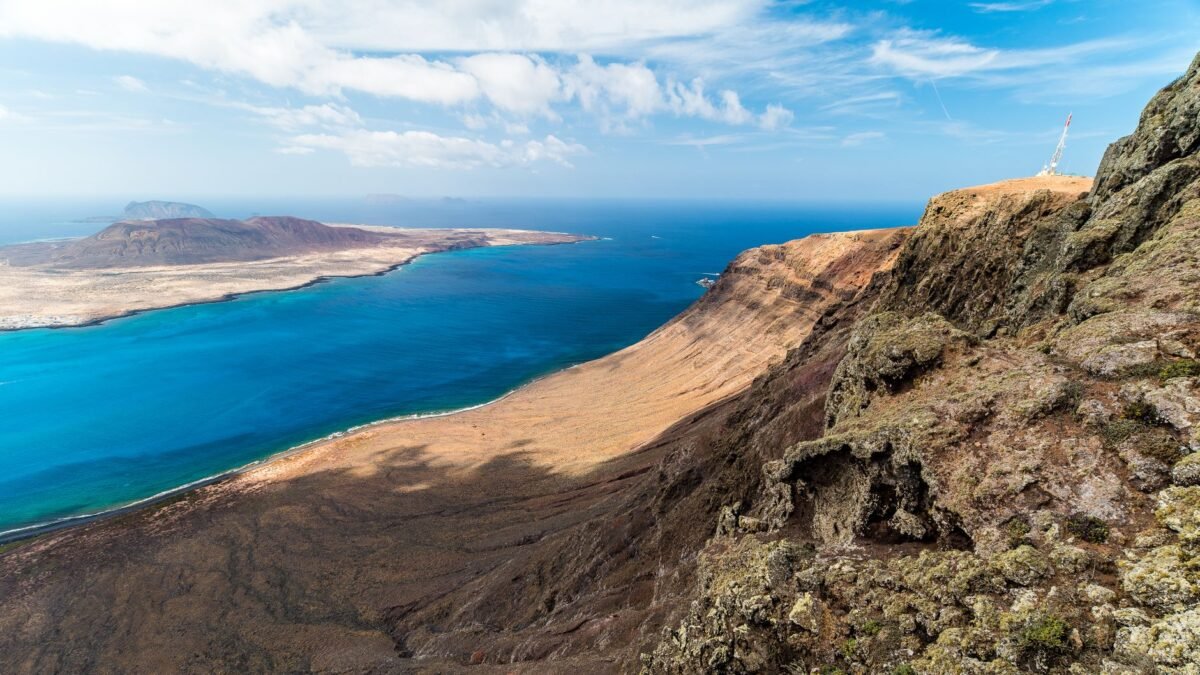
Timanfaya National Park showcases the volcanic history of Lanzarote. The park features dramatic lava fields and craters that create a surreal landscape. Guided tours are available, allowing visitors to learn about the geological processes that shaped the island. The park also has a geothermal demonstration where visitors can see how hot the ground is by cooking food over natural heat.
La Gomera’s Garajonay National Park
Garajonay National Park, a UNESCO World Heritage Site, is known for its ancient laurel forests and rich biodiversity. Hikers can explore numerous trails that wind through the lush greenery, offering a chance to spot endemic species. The park’s highest point, Garajonay Peak, provides stunning views and is accessible via well-marked trails. This area is perfect for those looking to immerse themselves in nature.
2. Enjoy the Stunning Beaches
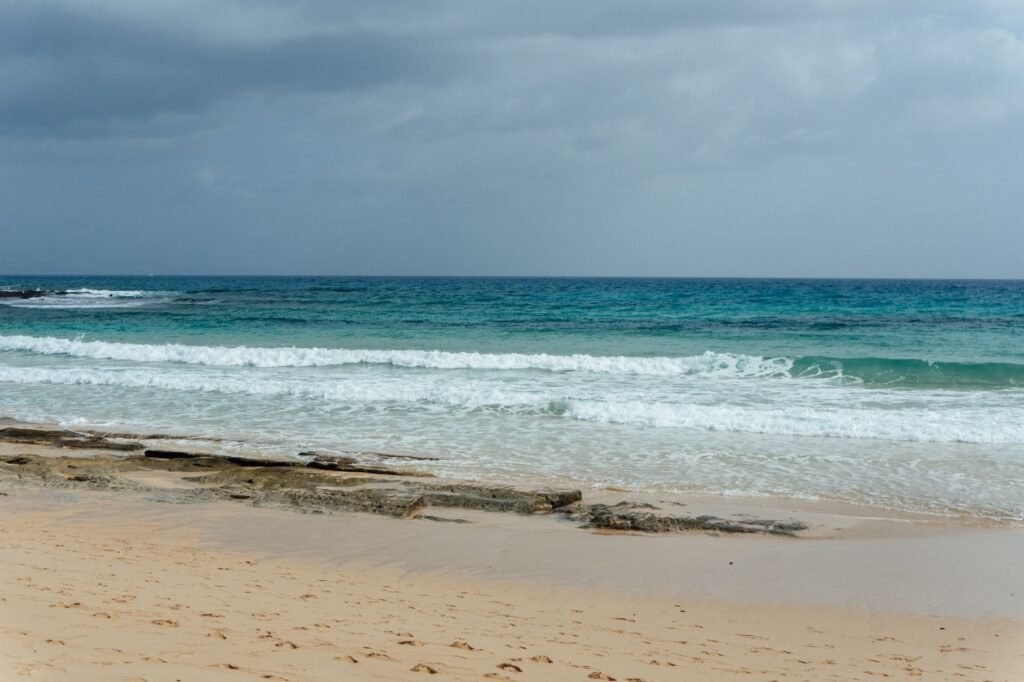
The Canary Islands boast some of the most beautiful beaches in Europe, with golden sands and crystal-clear waters. Whether you prefer relaxing on the beach or engaging in water sports, the islands have it all.
Playa de las Teresitas, Tenerife
Located near Santa Cruz, Playa de las Teresitas is famous for its golden sand and picturesque palm trees. The beach has gentle waves, making it ideal for families. Facilities include beach bars and restaurants, ensuring a comfortable day by the sea. Visitors can also enjoy scenic views of the Anaga Mountains in the background.
Playa del Papagayo, Lanzarote
Playa del Papagayo is a series of beautiful beaches located in a protected area. Known for its turquoise waters and dramatic cliffs, it’s a favorite spot for snorkeling and swimming. The beach can be reached by a short hike or by car, and it is less crowded than other tourist spots, offering a more tranquil experience.
Playa de Maspalomas, Gran Canaria
Famous for its stunning dunes, Playa de Maspalomas is a must-visit. The beach stretches for miles, and the dunes create a unique landscape. Visitors can enjoy sunbathing, camel rides, and water sports. The nearby lighthouse adds to the charm, and there are plenty of cafes and restaurants along the promenade.
3. Discover Local Culture and Cuisine
The Canary Islands have a rich cultural heritage influenced by Spanish, African, and Latin American traditions. Exploring local culture and cuisine is essential for any visitor.
Traditional Festivals
The islands celebrate numerous festivals throughout the year, showcasing their vibrant culture. One of the most famous is Carnival, celebrated in February or March. Each island has its unique twist, with colorful parades, music, and dance. Visitors can experience the lively atmosphere and participate in various activities.
Local Cuisine
Canarian cuisine is a delightful blend of flavors. Must-try dishes include papas arrugadas (wrinkled potatoes) served with mojo sauce, fresh seafood, and gofio, a traditional flour-based dish. Local markets are excellent places to discover fresh produce and regional specialties. For a unique experience, consider taking a cooking class to learn how to prepare traditional dishes.
Art and Museums
The islands are home to numerous art galleries and museums that reflect their cultural heritage. The César Manrique Foundation in Lanzarote is a must-visit for art lovers. It showcases the works of the local artist and architect César Manrique, who integrated nature and architecture. Similarly, the Canary Museum in Las Palmas offers insights into the archipelago’s history and indigenous culture.
4. Engage in Outdoor Activities
The Canary Islands are a playground for outdoor enthusiasts, offering a variety of activities such as hiking, surfing, and diving.
Hiking Trails
With diverse landscapes, the islands provide numerous hiking opportunities. The GR131 trail, which crosses several islands, is perfect for experienced hikers looking for adventure. For a more relaxed experience, there are easy coastal paths that offer stunning views. Always check local trail conditions and wear appropriate footwear.
Surfing and Water Sports
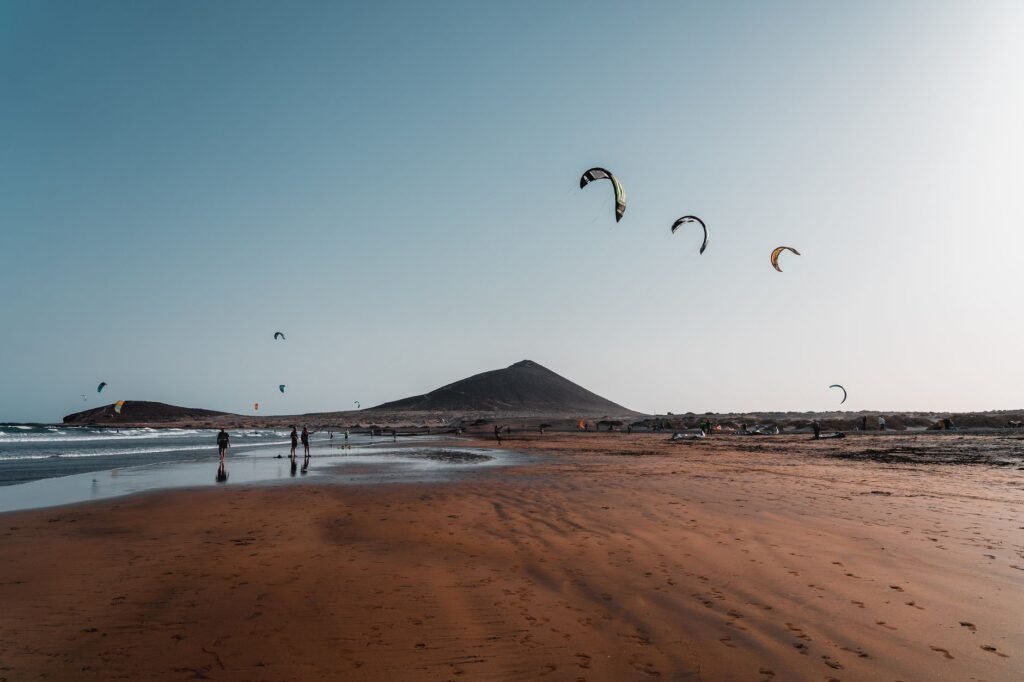
Fuerteventura is known for its fantastic surfing conditions. The beaches of El Cotillo and Corralejo are popular spots for surfers of all levels. In addition to surfing, visitors can enjoy windsurfing, kitesurfing, and paddleboarding. There are several rental shops and schools offering lessons for beginners.
Diving Adventures
The clear waters surrounding the Canary Islands make it a top destination for diving enthusiasts. The underwater landscapes are rich in marine life, including colorful fish and unique rock formations. Popular dive sites include the marine reserve at El Hierro and the waters around La Graciosa. Many diving schools offer guided tours and equipment rental.
5. Visit Historical Sites
The Canary Islands have a rich history, reflected in their numerous historical sites. Exploring these locations provides insight into the islands’ past and cultural evolution.
San Cristóbal de La Laguna, Tenerife
This UNESCO World Heritage Site is known for its well-preserved colonial architecture. The city was the first capital of Tenerife and features cobblestone streets, historic churches, and vibrant plazas. Visitors can explore the city’s history at museums and enjoy local cafes.
Casa de Colón, Gran Canaria
Casa de Colón, or Columbus House, is a historical museum located in Las Palmas. It showcases the history of Christopher Columbus’s voyages and the islands’ role in maritime exploration. The architecture of the building itself is worth a visit, featuring beautiful Canarian-style balconies.
Pyramids of Güímar, Tenerife
The Pyramids of Güímar are mysterious step pyramids that have sparked interest among researchers. The site includes a visitor center that provides context about the pyramids’ origins and significance. Guided tours are available for those interested in learning more about the archaeological findings.
6. Experience Nightlife and Entertainment
The nightlife in the Canary Islands is vibrant and diverse, catering to a wide range of tastes. Whether you prefer lively clubs, laid-back bars, or cultural performances, there’s something for everyone.
Clubbing in Playa del Inglés, Gran Canaria
Playa del Inglés is known for its bustling nightlife, with numerous clubs and bars lining the promenade. Popular venues feature international DJs and themed nights, attracting party-goers from all over. The area is lively and safe, making it a top choice for those looking to dance the night away.
Live Music and Shows
Throughout the islands, visitors can enjoy live music performances ranging from traditional Canarian folk music to international acts. Many bars and restaurants host live shows, providing a relaxed atmosphere to enjoy food and drinks while listening to music. Check local listings for upcoming performances during your stay.
Cultural Performances
For those interested in cultural experiences, various theaters offer traditional dance performances, including the popular baile de magos (dance of the farmers). These performances often take place during local festivals, showcasing the islands’ rich folklore and traditions.
Island Hopping Adventures
Ferry Services Between Islands
The Canary Islands are an archipelago made up of seven main islands, each with its own unique charm and attractions. One of the best ways to explore these islands is through ferry services that operate regularly between them. Companies like Fred. Olsen Express and Naviera Armas provide reliable ferry connections, allowing travelers to hop from one island to another seamlessly.
Ferries are not only a practical choice but also a scenic one. As you sail across the Atlantic, you can enjoy breathtaking views of the ocean and the islands themselves. It is advisable to book your tickets in advance, especially during peak tourist seasons. Here are some popular ferry routes:
- Tenerife to La Gomera
- Gran Canaria to Fuerteventura
- Lanzarote to La Graciosa
Each island offers distinct experiences, so make sure to plan your itinerary accordingly to make the most of your island hopping adventure.
Must-Visit Islands
While all the islands have something special to offer, a few stand out as must-visit destinations. Here are some highlights:
- Tenerife: Known for its vibrant nightlife and the majestic Teide National Park, home to Spain’s highest peak.
- Gran Canaria: Famous for its diverse landscapes, from dunes to mountainous terrain, and cultural festivals.
- Lanzarote: Renowned for its volcanic landscapes and unique architecture by César Manrique.
Each island can be explored in a day or two, offering an array of activities from hiking and water sports to local markets and culinary experiences.
Tips for Island Hopping
To make the most of your island hopping experience, consider the following tips:
- Check the ferry schedules in advance to optimize your travel time.
- Pack light to ensure ease of travel between islands.
- Consider renting a bicycle or scooter on each island for easy exploration.
By planning ahead and being flexible, you’ll be able to enjoy the diverse offerings of the Canary Islands fully.
Unique Festivals and Events
Carnival Celebrations
The Canary Islands host some of the most vibrant and colorful carnival celebrations in the world. Each island has its own unique take on this festival, often featuring parades, music, and extravagant costumes. The carnival in Santa Cruz de Tenerife, for instance, is one of the largest in the world and attracts thousands of visitors every year.
During the carnival season, the streets come alive with performances, street parties, and competitions, creating a lively atmosphere. The celebrations typically take place in February or March, so plan your visit accordingly if you want to partake in this joyous event.
Don’t miss out on trying some traditional carnival foods, such as:
- Churros with chocolate
- Local pastries
- Canarian mojo sauces
Local Fiestas
Aside from carnivals, each island hosts local fiestas throughout the year that celebrate patron saints or significant historical events. These festivals are deeply rooted in the culture and traditions of the islands. For instance, the Fiesta de San Juan in Lanzarote involves bonfires and traditional music, while the Fiesta de Nuestra Señora de la Candelaria in Tenerife features religious processions and community gatherings.
Participating in these local fiestas offers a unique insight into the Canary Islands’ culture and traditions. You’ll find locals dressed in traditional garments, music filling the air, and the aroma of delicious local food wafting through the streets.
Music and Dance Events
The Canary Islands also host numerous music and dance events throughout the year, showcasing local talent and international artists. The Festival Internacional de Música de Canarias is a highlight, featuring performances from classical to contemporary music held across various venues in the islands.
In addition to formal events, you can find plenty of informal gatherings where locals come together to share their love for traditional Canarian music and dance. Look out for:
- Folklore dance performances
- Live music in bars and restaurants
- Street performances during festivals
Engaging in these events can enrich your cultural experience and provide lasting memories of your visit to the Islands.
Eco-Tourism and Sustainable Practices
Nature Reserves and Protected Areas
The Canary Islands are not only known for their beauty but also for their commitment to preserving natural environments. Various nature reserves and protected areas exist throughout the archipelago, including the Biosphere Reserve of La Palma and the Teide National Park. These areas are crucial for the conservation of unique flora and fauna found nowhere else on Earth.
Exploring these reserves allows visitors to connect with nature while supporting eco-tourism initiatives. Guided tours are often available, led by knowledgeable guides who can provide insights into the local ecosystem. Always remember to respect the natural environment by following designated paths and adhering to park guidelines.
Sustainable Accommodation Options
As eco-tourism grows in the Canary Islands, more hotels and lodges are adopting sustainable practices. From solar energy usage to waste recycling and water-saving measures, many accommodations prioritize minimizing their environmental impact.
When planning your stay, consider choosing eco-friendly hotels or lodges. Look for establishments with green certifications or those that actively participate in local conservation efforts. Here are some eco-friendly options:
- Eco-lodges in La Gomera
- Sustainable hotels in Fuerteventura
- Green resorts in Tenerife
Participating in Conservation Activities
Travelers can also engage in various conservation activities during their visit. Many organizations in the Canary Islands offer volunteer programs focused on preserving marine life, protecting native plant species, and maintaining hiking trails. Participating in these activities not only helps the environment but also provides a rewarding experience.
Consider joining beach clean-up initiatives or wildlife conservation projects to make a positive impact on the islands. Such contributions foster a deeper appreciation for the natural beauty of the Canary Islands and promote sustainable tourism practices.
Frequently Asked Questions
What is the best time to visit the Canary Islands?
The best time to visit is during the spring (April to June) or fall (September to October) when the weather is mild and crowds are smaller. Summer is popular for beach activities but can be crowded.
Are the Canary Islands family-friendly?
Yes, the Canary Islands are very family-friendly, with numerous activities suitable for children, including beaches, water parks, and interactive museums.
How do I get around the islands?
Public transport, including buses and ferries, is available between islands. Renting a car is also a popular option for exploring at your own pace.
Is it safe to travel to the Canary Islands?
The Canary Islands are generally safe for tourists. However, standard travel precautions should be taken, such as being aware of your surroundings and securing your belongings.
The Bottom Line
The Canary Islands offer a diverse range of activities, from exploring natural wonders and relaxing on stunning beaches to immersing oneself in local culture and history. With something for everyone, planning your itinerary around the top things to do in the Canary Islands will ensure a memorable and fulfilling trip.