Key Takeaways
- Understanding local dining customs is vital for travelers.
- Proper etiquette enhances your experience in Tokyo restaurants.
- Learn about common practices like tipping and eating styles.
- Respect for food and fellow diners is paramount in Japan.
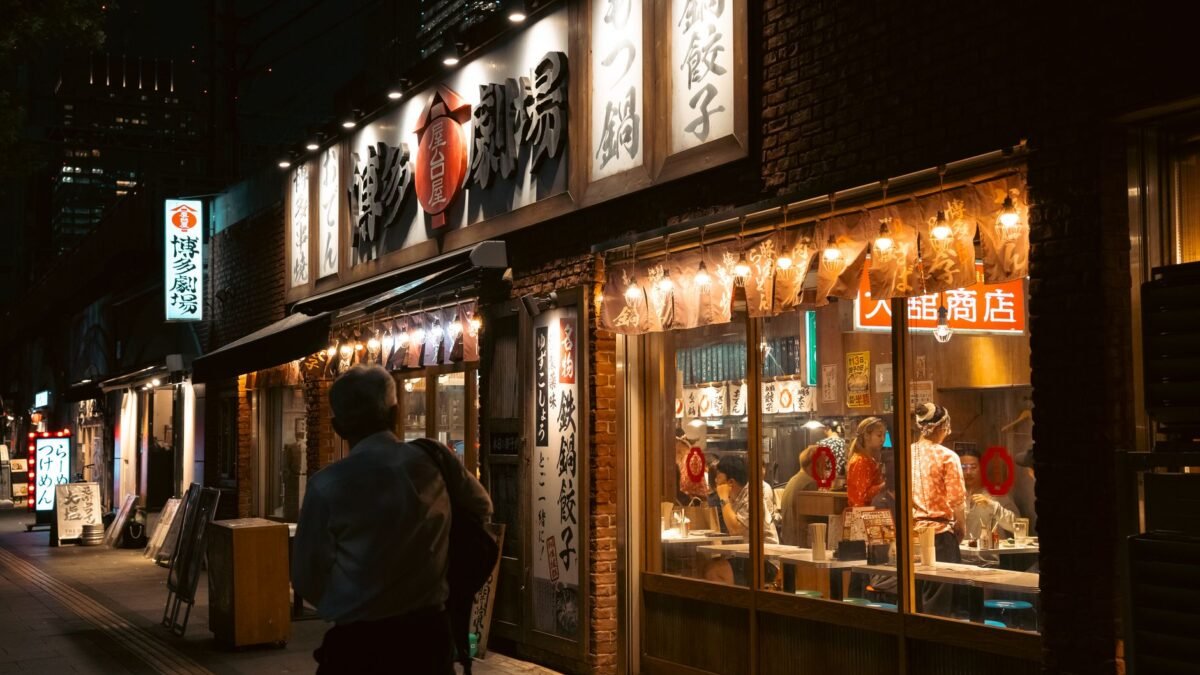
Tokyo is a culinary paradise that offers an incredible variety of dining experiences, from street food stalls to high-end restaurants. However, as a traveler, understanding the local dining etiquette is crucial to ensure a respectful and enjoyable experience. This guide will explore the essential dining customs, manners, and tips when dining in Tokyo, helping you navigate the vibrant food scene with confidence.
In Japan, dining is not merely about the food; it’s an art form that reflects the culture, history, and respect for ingredients. Each meal is carefully crafted and presented, making it vital for diners to appreciate and honor these traditions. Whether you are enjoying sushi at a conveyor belt restaurant or indulging in a multi-course kaiseki meal, knowing the basics of Tokyo dining etiquette will enhance your enjoyment and help you connect with the local culture.
From how to use chopsticks correctly to understanding the significance of saying ‘itadakimasu’ before a meal, this article will cover everything you need to know about dining etiquette in Tokyo. Prepare to dive into the delicious world of Japanese cuisine while being respectful and mindful of local customs.
Understanding Japanese Dining Etiquette
Japanese dining etiquette is rooted in centuries of tradition, emphasizing respect for food, the dining environment, and fellow diners. Here are some key aspects to keep in mind:
- Chopstick Usage: In Japan, chopsticks are the primary utensils used for eating. It is essential to hold them correctly and avoid actions considered disrespectful, such as sticking them upright in rice, passing food from chopstick to chopstick, or using them to point.
- Seating Arrangements: Seating in Japanese restaurants often follows specific customs. The most honored seat is usually the one facing the entrance, reserved for guests of high status. Be aware of your seating and follow the lead of your host or server.
- Dining Silence: While conversation is a part of dining, it is often quieter in Japanese restaurants than in Western dining settings. Maintain a respectful tone and volume.
Additionally, when dining in a group, waiting for everyone to be served before starting to eat is a common practice. This shows respect for your companions and the meal itself.
Ordering Food in Tokyo Restaurants
Ordering food in Tokyo can be a delightful experience, especially with the variety of cuisines available. Here are some tips for navigating the ordering process:
- Menu Familiarity: Many restaurants have menus in English, but it’s helpful to familiarize yourself with common Japanese dishes to enhance your experience. Dishes like ramen, sushi, and tempura are popular choices.
- Asking for Recommendations: If you’re uncertain about what to order, don’t hesitate to ask the server for recommendations. They usually have a deep knowledge of the menu and can suggest popular or seasonal dishes.
- Ordering Etiquette: When placing your order, it’s polite to do so with a smile and a slight bow. Use simple phrases like “kore o kudasai” (I’ll have this) while pointing at the item on the menu.
Many restaurants in Tokyo also offer a unique experience called a “shojin ryori,” or Buddhist vegetarian cuisine, which is a wonderful way to explore Japan’s culinary heritage. Be sure to express your interest in trying such dishes if you are inclined.
Respecting the Food and Dining Environment
In Japanese culture, food is treated with great reverence. Here are some practices to respect the food and the dining environment:
- Itadakimasu: Before starting your meal, it is customary to say “itadakimasu,” which translates to “I humbly receive.” This expression shows gratitude not only for the food but also for the people who prepared it.
- Cleanliness: Keep your dining area tidy. Avoid leaving food scraps or making a mess. If you’re eating at a place with communal dishes, use the serving utensils provided.
- Finishing Your Plate: It is considered polite to finish all the food on your plate. Leaving food can be seen as wasteful and disrespectful to the effort that went into preparing it.
In many cases, restaurants will also serve complimentary tea or water, which is customary. It is polite to accept these offerings and enjoy them as part of your dining experience.
Tipping Practices in Tokyo
Tipping is not a common practice in Japan, and in many cases, it can even be considered rude. Here are some important points regarding tipping:
- No Tipping: Most restaurants in Tokyo do not expect tips, as service charges are typically included in the bill. Instead, exceptional service is seen as part of the dining experience, and servers take pride in their work.
- Expressing Gratitude: If you feel you have received exceptional service, a simple verbal thank you (“arigatou gozaimasu”) is appreciated and considered sufficient.
- Gift Giving: In some cases, especially in high-end restaurants, you may consider giving a small gift from your home country as a token of appreciation, but this is not necessary.
Understanding the no-tipping culture can free you from any discomfort during your dining experience. Instead, focus on enjoying the meal and the ambiance.
Dining Styles: Casual to Formal
Tokyo offers a wide range of dining styles, from casual eateries to formal restaurants. Each setting has its own etiquette:
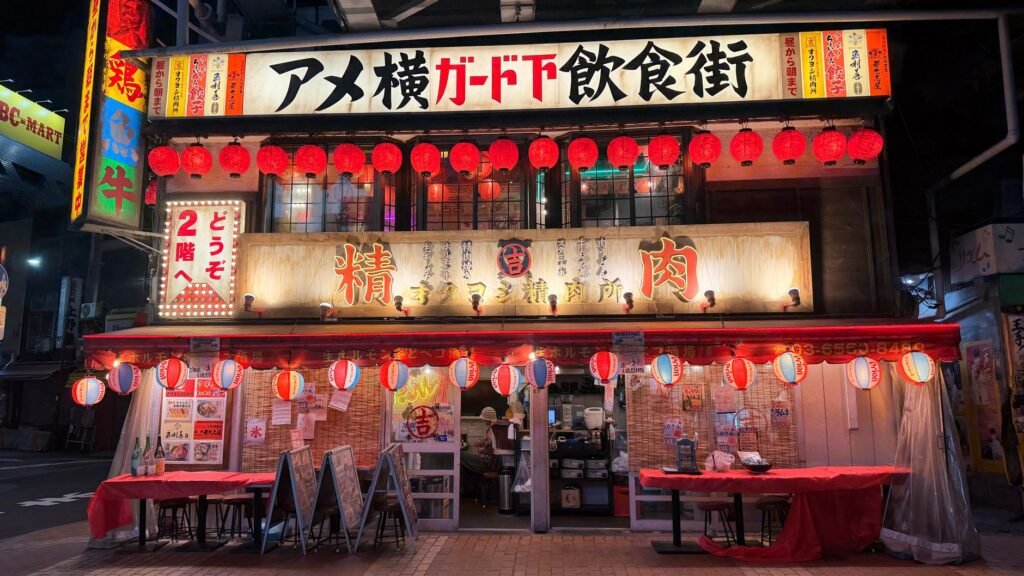
- Casual Dining: In casual restaurants, such as izakayas or ramen shops, the atmosphere is relaxed. It is common to order multiple dishes and share them among the table. Be prepared for a lively atmosphere.
- Formal Dining: In more formal settings, such as kaiseki restaurants, meals are served in a specific order. Familiarize yourself with the courses and be attentive to portion sizes, as these meals are designed to be savored gradually.
- Conveyor Belt Sushi: When dining at a conveyor belt sushi restaurant, simply take the plates of sushi that appeal to you. Most places charge by the plate, so keep track of the colors or patterns that correspond to the prices.
Each dining style has its own unique charm, making it essential to adapt your behavior appropriately to the setting.

Dining Etiquette for Special Occasions
When dining in Tokyo for special occasions, such as business dinners or celebrations, etiquette becomes even more significant. Here’s how to navigate these situations:
- Business Dinners: If you’re invited to a business dinner, dress formally and arrive on time. Follow the lead of your host regarding seating and ordering. It’s common for the host to pay for the meal, so don’t insist on splitting the bill.
- Celebratory Meals: During special celebrations, such as birthdays or anniversaries, it’s customary to toast before starting the meal. The phrase “kanpai” is used to signify cheers before drinking.
- Receiving Gifts: If you are offered gifts, such as a dessert or souvenir, graciously accept them with both hands, expressing your gratitude.
Being aware of the nuances in etiquette for these occasions can help you make a positive impression and foster good relationships.
Language Considerations in Dining
While many restaurants in Tokyo have English-speaking staff, knowing some basic Japanese phrases can enhance your experience:
- Basic Phrases: Learning phrases like “sumimasen” (excuse me), “osusume wa nan desu ka?” (what do you recommend?), and “oishii” (delicious) can be helpful.
- Menu Translations: Many menus have pictures, making it easier to choose dishes. However, you can also download translation apps to assist you further when needed.
- Polite Speech: Using polite speech forms, such as adding “-san” to the end of a person’s name, shows respect and helps you connect more genuinely with the staff.
Making an effort to communicate in Japanese, even at a basic level, is often appreciated by locals and can lead to a more enriching dining experience.
Understanding Japanese Restaurant Layouts
Types of Seating Arrangements
When dining out in Tokyo, it’s essential to understand the various seating arrangements commonly found in restaurants. Restaurants may feature traditional tatami mat areas, where diners sit on the floor, or Western-style tables and chairs. In some establishments, you may encounter private rooms known as zashiki, which offer a more intimate dining experience. Each setting has its etiquette, such as not crossing your legs in tatami areas and remaining seated until everyone has finished eating.
Here are common seating types you might encounter:
- Tatami Mats: Traditional Japanese seating on woven straw mats.
- Counter Seating: Ideal for sushi bars, where chefs prepare food in front of you.
- Western Tables: Standard tables and chairs, more common in international restaurants.
- Private Rooms: Enclosed spaces for family or group dining.
Understanding the Flow of Service
The flow of service in Japanese restaurants can differ significantly from Western dining experiences. Typically, the meal is served in courses, allowing you to savor each dish individually. The first course might be an appetizer or small side dish, followed by the main course. Be prepared for a slower pace, as meals are meant to be enjoyed rather than rushed.
Additionally, many restaurants employ a system where servers will check on your table periodically without being intrusive. If you require assistance or wish to order, a subtle hand gesture or a polite call is appropriate. It’s also customary to thank the staff when your meal is complete.
Recognizing Restaurant Styles
Tokyo boasts a diverse range of dining establishments, each contributing to the city’s vibrant food scene. Understanding these styles can enhance your dining experience. Here are a few notable types:
- Izakaya: Casual pubs serving a variety of small dishes, ideal for sharing.
- Kaiseki: A multi-course meal emphasizing seasonal ingredients and artful presentation.
- Ramen Shops: Specializing in various noodle dishes, often with unique broth flavors.
- Sushi Bars: Focused on sushi, with fresh ingredients and a chef-centric experience.
Navigating Dietary Restrictions in Tokyo
Communicating Dietary Needs
If you have dietary restrictions or allergies, it’s crucial to communicate these clearly when dining out. While many restaurants in Tokyo are accommodating, not all staff are fluent in English. Learning a few key phrases in Japanese can significantly ease this process. For example, saying “Watashi wa niku ga taberarenai” (I cannot eat meat) can help servers understand your needs.
Additionally, consider carrying a card that outlines your dietary restrictions in Japanese. This can be especially useful in busy restaurants where the staff may not have time for extensive conversations.
Exploring Vegetarian and Vegan Options
While Japan is famous for its meat and seafood dishes, vegetarian and vegan options are increasingly available, especially in Tokyo. Many traditional dishes can be adapted, and there are dedicated vegetarian and vegan restaurants throughout the city. When dining at non-vegetarian establishments, inquire about shojin ryori, a type of Buddhist vegetarian cuisine made from plant-based ingredients.
Here are some tips for finding vegetarian and vegan options:
- Look for restaurants labeled as vegan or vegetarian.
- Request dishes without fish sauce or dashi (fish stock).
- Explore international restaurants that cater to diverse diets.
- Check online reviews for insight into dietary-friendly establishments.
Understanding Halal Options
Halal dining is also becoming more prevalent in Tokyo, particularly in areas frequented by tourists. Some restaurants now offer halal-certified meat, and several establishments specialize in halal cuisine. When searching for halal options, look for restaurants that display halal certification prominently.
Here are some strategies for finding halal food in Tokyo:
- Use online resources or apps that list halal restaurants.
- Ask your hotel concierge for recommendations.
- Inquire directly about halal options when entering a restaurant.
Engaging in Dining Conversations
Topics to Discuss
Engaging in conversation during meals is an integral part of the dining experience in Japan. However, knowing what topics are appropriate can enhance the atmosphere. Typical conversation starters include discussing the food, sharing travel experiences, or asking about local customs and traditions. Avoid overly personal topics or controversial subjects, as they may make others uncomfortable.
Here are some safe conversation topics:
- Favorite Japanese dishes or restaurants.
- Experiences in Japan or future travel plans.
- Local festivals or cultural events.
Non-Verbal Communication
In Japanese culture, non-verbal cues play a significant role in communication. Pay attention to body language, eye contact, and gestures. A simple nod or smile can convey appreciation, while avoiding excessive eye contact may be seen as respectful. Additionally, using chopsticks correctly and demonstrating good posture while eating can reflect your dining etiquette.
Dining with Locals
If you have the opportunity to dine with Japanese locals, it’s a chance to learn more about their customs. Be humble and show respect for their dining habits. Following their lead can provide insights into proper etiquette, such as when to start eating and how to express gratitude after the meal.
Here are tips for dining with locals:
- Follow their cues on when to start eating.
- Express appreciation with phrases like “gochisousama deshita” after the meal.
- Be attentive and engaged in the conversation.
Frequently Asked Questions
What should I wear to a restaurant in Tokyo?
Dress codes vary by restaurant type. Casual dining places may allow relaxed attire, while upscale establishments usually expect smart casual or formal attire.
Is it acceptable to eat while walking in Tokyo?
While it is generally frowned upon to eat while walking in Tokyo, many people enjoy snacks from convenience stores. Eating in designated areas is more acceptable.
Are there any restaurants in Tokyo with English menus?
Yes, many restaurants in Tokyo cater to tourists and have English menus. Look for places that display menus outside or research in advance.
Can I take pictures of my food in restaurants?
Taking pictures of your food is generally acceptable, especially in casual settings. However, be mindful of other diners and avoid using flash in more formal environments.
The Bottom Line
Understanding Tokyo dining etiquette is essential for enhancing your culinary experience in Japan. From using chopsticks correctly to navigating the ordering process and respecting local customs, being mindful of these practices will help you enjoy the rich tapestry of Tokyo’s dining scene. By showing appreciation for the food, the dining environment, and the people around you, you can create memorable dining experiences that honor the beautiful culture of Japan.