Key Takeaways
- Discover the history behind Titian's Madonna painting.
- Learn about the restoration process and techniques used.
- Understand the painting's significance in art history.
- Find practical tips for art lovers visiting restoration sites.
Titian’s Madonna painting, known for its vibrant colors and emotional depth, has captured the hearts of art enthusiasts for centuries. Recently, it underwent a meticulous restoration process, bringing renewed attention to this masterpiece. This article delves into the painting’s history, the techniques used in its restoration, and what this means for travelers and art lovers alike.
As one of the leading figures of the Venetian school of the Italian Renaissance, Titian’s contributions to art are immeasurable. His ability to convey human emotion through color and composition has influenced countless artists. The Madonna painting, with its rich narrative and spiritual themes, is a prime example of his genius. However, like many historical artworks, it faced challenges over the years, including environmental damage and inadequate previous restorations.
Understanding the significance of Titian’s work and its restoration helps contextualize the painting within the broader scope of art history. This guide will provide insights into the painting’s background, the restoration process, and practical information for those interested in experiencing art restoration firsthand.
The History of Titian’s Madonna Painting
Titian painted the Madonna during a time when religious themes were prevalent in art. This piece showcases the Madonna and Child, a common subject that symbolizes divine love and maternal tenderness. The painting was commissioned by a local patron in Venice and reflects the socio-religious climate of the period.
Over the centuries, the painting has been displayed in various locations, including churches and museums. Each relocation presented unique challenges that affected its condition. Factors such as humidity, light exposure, and improper handling contributed to its deterioration. Understanding the history of the painting helps art lovers appreciate its journey and the necessity for restoration efforts.
The Madonna painting’s impact extends beyond its visual appeal; it serves as a historical document that reflects the cultural and religious values of the time. As art became more accessible, Titian’s ability to connect with viewers through his depictions of divine figures made his work enduringly relevant.
The Restoration Process Explained
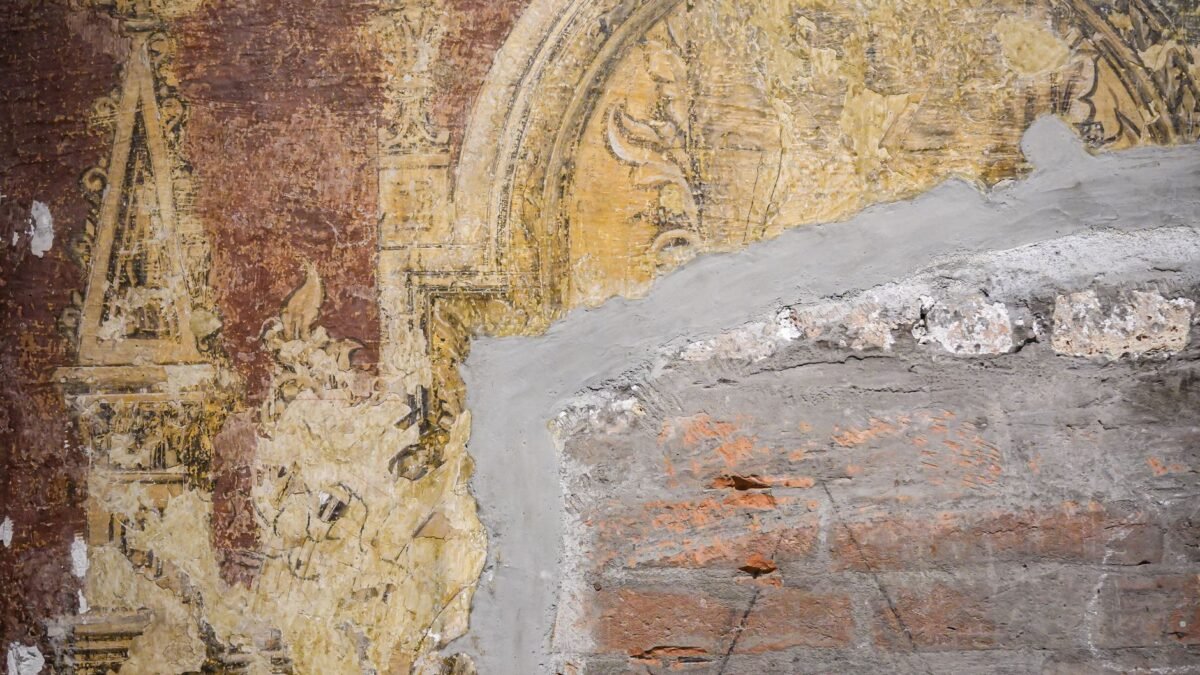
The restoration of Titian’s Madonna painting was a careful and detailed process undertaken by a team of conservators specializing in Renaissance art. It began with a thorough assessment of the painting’s condition, identifying areas of damage, such as flaking paint and discoloration. This initial evaluation is crucial, as it guides the restoration strategy.
Once the assessment was complete, the team utilized advanced techniques to restore the painting. This included cleaning the surface using gentle solvents that would not damage the original paint layers. Special care was taken to ensure the solvents removed grime without affecting the underlying artwork. The restoration also involved filling gaps and retouching areas where paint had been lost over time.
Modern technology played a significant role in the restoration process. Techniques such as digital imaging and ultraviolet light were used to analyze the painting’s condition and inform the conservators’ decisions. These methods allowed them to see beneath the surface and understand how the painting had changed over time.
Significance of the Restoration
The restoration of Titian’s Madonna painting holds immense significance for both art historians and the general public. For historians, it offers insights into the artist’s techniques and materials, enriching the understanding of Renaissance art. Each restoration reveals new information that can influence future scholarship and appreciation of the work.
For the public, the restored painting provides an opportunity to connect with art in a fresh way. A well-executed restoration can enhance the viewing experience, making the colors more vibrant and the details clearer. This connection is essential for fostering appreciation for the arts among new audiences.
The restoration also serves to highlight the importance of preserving cultural heritage. It underscores the need for ongoing support for conservation efforts, ensuring that future generations can enjoy and learn from these masterpieces. As travelers visit galleries and museums, they become part of this narrative, witnessing the beauty of restored art while contributing to its preservation.
Visiting Restoration Sites
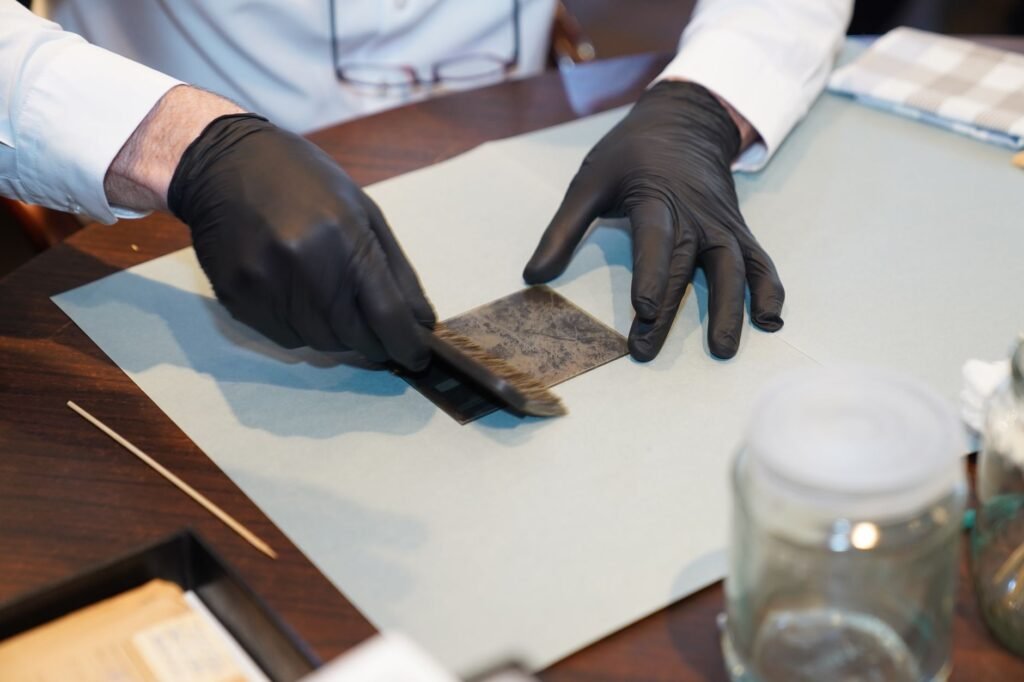
For those interested in experiencing art restoration firsthand, visiting sites where such work occurs can be enlightening. Many museums and galleries offer tours that provide behind-the-scenes access to restoration efforts. These tours often include discussions led by conservators who explain their techniques and challenges.
When planning a visit, consider the following tips:
- Check for Special Exhibitions: Many institutions host temporary exhibitions focused on restoration projects. These can provide a unique opportunity to see before-and-after images and learn about specific techniques.
- Participate in Workshops: Some museums offer workshops where participants can learn basic restoration techniques. These hands-on experiences can deepen understanding and appreciation for the art.
- Engage with Experts: Look for lectures or Q&A sessions with conservators. These interactions can provide valuable insights into the field of art restoration.
By immersing yourself in the world of art restoration, you can gain a deeper appreciation for the efforts that go into preserving these cultural treasures.
Art and Travel: Making Connections
Traveling to see art in its various forms is a rewarding experience. Engaging with restored works like Titian’s Madonna painting not only enriches your understanding of art but also connects you with history and culture. Plan your travels around significant art exhibitions or restoration projects to make the most of your experience.
Consider visiting cities known for their rich artistic heritage, such as Venice, Florence, and Paris. Each city offers unique opportunities to explore art through museums, galleries, and public installations. Here are a few destinations to consider:
- Venice, Italy: Home to Titian’s works, Venice is a must-visit for art lovers. Explore the Gallerie dell’Accademia for a comprehensive view of Venetian art.
- Florence, Italy: Known as the birthplace of the Renaissance, Florence hosts masterpieces by artists like Michelangelo and Botticelli. The Uffizi Gallery is a highlight.
- Paris, France: The Louvre and the Musée d’Orsay offer extensive collections of European art, including Renaissance works. Regularly featured exhibitions on restoration practices are common.
Incorporating art into your travel itinerary can transform your experience, allowing you to appreciate not only the beauty of the works but also the stories they tell.
The Influence of Titian’s Madonna in Contemporary Art
Echoes of Titian’s Techniques
Titian’s innovative use of color and composition has left a lasting mark on artists across generations. Contemporary painters often cite Titian as a pivotal influence in their work, particularly in the way he blended realism with emotional depth. His techniques, especially the chiaroscuro method, have been adapted by modern artists to create striking visual narratives.
Art schools around the world teach Titian’s methods as part of their curriculum, emphasizing the importance of mastering traditional techniques before exploring contemporary styles. This approach allows students to appreciate the skill and creativity required to produce emotionally resonant pieces.
Some key ways in which Titian’s techniques are echoed in modern art include:
- Bold color palettes that evoke specific moods
- Dynamic compositions that draw the viewer’s eye
- Emphasis on the human form and facial expressions
Reinterpretations in Popular Culture
Titian’s Madonna painting continues to inspire reinterpretations in various forms of popular culture, from film to fashion. Designers and filmmakers often draw upon the themes of motherhood and divinity present in the original artwork, allowing new audiences to engage with Titian’s legacy. For example, several films have depicted iconic scenes reminiscent of the Madonna, emphasizing the blend of sacred and secular narratives.
The fashion industry has also embraced Titian’s work, with collections reflecting the rich colors and intricate details found in his paintings. The fusion of classic art with contemporary design showcases the timeless relevance of Titian’s themes, particularly in exploring femininity and motherhood.
Examples of reinterpretations include:
- Film adaptations that incorporate scenes resembling Titian’s compositions
- Fashion collections inspired by the colors and textures of his paintings
- Public art installations that explore themes of divinity and motherhood
Art Exhibitions and Installations
The restoration of Titian’s Madonna has led to a renewed interest in exhibitions centered on his work. Museums are curating special exhibits that highlight not only the painting itself but also the techniques and contexts that shaped Titian’s artistry. These exhibitions often include interactive installations that allow visitors to engage with the art in innovative ways, using augmented reality or virtual tours to enhance their experience.
Additionally, art historians and curators are increasingly focusing on the dialogue between Titian’s work and contemporary art movements. This includes collaborations with modern artists who reinterpret Titian’s themes through their unique lenses, facilitating discussions about the relevance of classical art in today’s society.
Highlights of recent exhibitions include:
- Interactive displays showcasing the restoration process
- Collaborations between contemporary artists and Titian scholars
- Workshops that teach visitors how to use Titian’s techniques
The Role of Technology in Art Restoration
Innovative Tools and Techniques
The restoration of Titian’s Madonna painting has benefited immensely from technological advancements. Conservators now use a variety of tools to analyze and restore artworks, ensuring that the integrity of the original piece is maintained while enhancing its visual appeal. Techniques such as infrared reflectography and ultraviolet light examination provide insights into the painting’s underlayers, revealing the artist’s process and any previous restorations.
These technologies have revolutionized the field of art conservation. For example, 3D imaging allows for precise mapping of the painting’s surface, which helps conservators identify areas that require attention. The use of digital simulations can also guide restoration efforts, offering a visual reference for the original colors and textures.
Key technological advancements in art restoration include:
- Infrared reflectography for analyzing underdrawings
- Ultraviolet light to detect varnish layers and previous repairs
- 3D imaging to create detailed surface maps
The Ethics of Restoration
The ethics surrounding art restoration have become a critical topic of discussion among conservators and art historians. The restoration of Titian’s Madonna raises questions about how much intervention is appropriate in preserving an artwork’s authenticity. Striking a balance between restoration and conservation is essential, as excessive alteration can compromise the integrity of the piece.
Moreover, the debate extends to the use of technology in restoration. While technological advancements offer remarkable benefits, they also raise concerns about the potential for over-reliance on machines, which can detract from the human touch inherent in traditional restoration practices. Specialists stress the importance of maintaining a dialogue between conservators and artists to ensure that the artistic intent remains respected.
Ethical considerations in art restoration often include:
- Determining the extent of restoration work needed
- Maintaining transparency about the restoration process
- Ensuring that the artwork’s historical context is preserved
Case Studies in Restoration Technology
Examining specific case studies where technology has played a pivotal role in art restoration provides valuable insights into the process. For instance, the restoration of a lesser-known Titian work utilized infrared reflectography to uncover hidden sketches beneath the surface. This discovery not only enhanced the painting’s visual appeal but also contributed to a deeper understanding of Titian’s creative process.
Another example involves the use of laser cleaning techniques on Renaissance paintings. This method allows conservators to remove layers of grime and previous overpaints without damaging the original surface, ensuring that the artwork’s colors can shine through as intended by the artist. By documenting these case studies, the art community can share best practices and improve restoration techniques.
Notable case studies include:
- Infrared analysis revealing hidden sketches in Titian’s works
- Laser cleaning methods used on Renaissance art
- Documenting restorations for future reference
The Cultural Impact of Titian’s Madonna
Influence on Religious Art
Titian’s Madonna painting has significantly impacted the trajectory of religious art. Through its depiction of divine subjects, it has shaped how artists approach themes of spirituality and representation in their work. The emotional resonance and humanistic qualities present in Titian’s depiction have encouraged subsequent artists to explore similar themes in their religious compositions.
Moreover, the painting has been a focal point in discussions about the role of women in religious art. Titian’s portrayal of the Madonna as a nurturing, relatable figure offers a contrast to the often distant representations found in earlier works. This shift in perspective has allowed for a broader exploration of feminine divinity in art.
Key aspects of Titian’s influence on religious art include:
- Humanizing depictions of sacred figures
- Inspiration for subsequent religious artists
- Encouragement of emotional expression in spiritual themes
Global Artistic Exchange and Collaboration
Titian’s Madonna painting has transcended geographical boundaries, inspiring artists worldwide. The global appreciation for Titian’s work has fostered artistic exchange and collaboration, with exhibitions and projects that highlight connections between European masters and contemporary artists from diverse backgrounds. This exchange cultivates a richer understanding of how art can bridge cultural divides.
Art festivals and collaborative projects often showcase reinterpretations of Titian’s themes, encouraging artists to engage with the painting in unique ways. Such initiatives not only honor Titian’s legacy but also promote dialogue about the universal themes of love, motherhood, and divinity.
Impactful initiatives promoting global artistic exchange include:
- International exhibitions featuring reinterpretations of Titian’s work
- Collaborative art projects across cultures
- Art festivals celebrating the influence of historical works
The Legacy of Titian’s Madonna in Education
The educational impact of Titian’s Madonna painting is profound, serving as a critical resource for art education. Art institutions incorporate discussions of Titian’s techniques and themes into their programs, enabling students to draw connections between historical and contemporary art. The painting’s rich narrative offers a fertile ground for exploring artistic expression and cultural context.
Workshops, lectures, and collaborative projects often center around Titian’s work, providing students with opportunities to engage with art history in meaningful ways. These educational initiatives promote an appreciation for classical art while encouraging students to explore their own creative voices.
Key educational initiatives surrounding Titian’s Madonna include:
- Workshops focusing on traditional painting techniques
- Lectures discussing the historical context of Titian’s works
- Collaborative projects linking students with contemporary artists
Frequently Asked Questions
What is the significance of Titian’s Madonna painting?
Titian’s Madonna painting is significant for its representation of divine themes, emotional depth, and its reflection of Renaissance artistic techniques. It illustrates the cultural and religious values of its time.
How was the restoration of the painting achieved?
The restoration involved a thorough assessment of the painting’s condition, followed by careful cleaning and retouching using modern techniques and materials to ensure preservation of the original work.
Can I visit sites where art restoration occurs?
Yes, many museums and galleries offer tours and workshops focused on art restoration. Check their schedules for special exhibitions and events related to restoration projects.
What should I look for in a restored painting?
In a restored painting, look for vibrant colors, clear details, and a cohesive overall appearance. Restoration aims to enhance the original artwork while preserving its integrity.
The Bottom Line
The restoration of Titian’s Madonna painting not only revives a significant piece of art history but also ignites a deeper appreciation for the efforts involved in preserving cultural heritage. Travelers interested in art can find inspiration in these restoration stories and connect with the past through their experiences. Visiting restoration sites or exhibitions can add a rich layer to any travel itinerary, making art a living part of your journey.