Key Takeaways
- Experience sustainable living in tiny homes.
- Find unique Airbnb listings that cater to all budgets.
- Enjoy practical tips for booking and staying in tiny homes.
- Explore the benefits of tiny home rentals for travelers.
Tiny homes have gained popularity as a unique and sustainable accommodation option for travelers. Airbnb hosts all over the globe have embraced the tiny house trend, offering travelers a chance to experience minimalistic living in style. From rustic cabins to modern mini-houses, the variety of tiny homes available on Airbnb provides a distinctive travel experience that caters to diverse preferences and budgets.
Staying in a tiny home allows you to connect with nature and immerse yourself in local culture. These compact dwellings not only showcase innovative design but also encourage a lifestyle focused on sustainability and simplicity. If you’re considering a stay in a tiny home through Airbnb, this guide will provide you with detailed insights, practical tips, and a few examples to enhance your travel experience.
As you explore the world of tiny homes on Airbnb, you will discover how these unique accommodations can add a new layer of enjoyment to your travels. Whether you are looking for a romantic getaway, a family vacation, or a solo retreat, tiny homes offer something special.
What Are Tiny Homes?
Tiny homes are compact living spaces that typically range from 100 to 400 square feet. They are designed to maximize efficiency and functionality while minimizing environmental impact. Tiny homes can be stationary or mobile, and they come in various styles, from modern and sleek to rustic and cozy.
The tiny house movement advocates for downsizing and simplifying life. This lifestyle is appealing to many who wish to reduce their carbon footprint, save money, or embrace a more adventurous way of living. Tiny homes often feature innovative designs, including multi-functional furniture, lofted sleeping areas, and eco-friendly materials.
When it comes to Airbnb, tiny homes offer an opportunity for travelers to experience this unique lifestyle without the long-term commitment of purchasing or building a tiny house. Staying in a tiny home allows guests to enjoy the benefits of minimal living, such as reduced clutter and increased mindfulness.
Benefits of Staying in Tiny Homes
There are numerous benefits to choosing tiny homes for your Airbnb stay. Here are some key advantages:
- Unique Experience: Staying in a tiny home often provides a one-of-a-kind experience. You can enjoy a cozy, intimate setting that differs from the standard hotel room.
- Connection to Nature: Many tiny homes are located in scenic areas, allowing you to immerse yourself in nature. You might find accommodations near lakes, mountains, or forests.
- Sustainability: Tiny homes are generally more energy-efficient than larger houses, promoting a more environmentally friendly lifestyle.
- Affordability: Often, tiny homes can be more budget-friendly than traditional hotel stays, making them an attractive choice for travelers.
Unique Design Features
Tiny homes are known for their innovative design features that maximize space and functionality. Here are some common elements you may encounter:
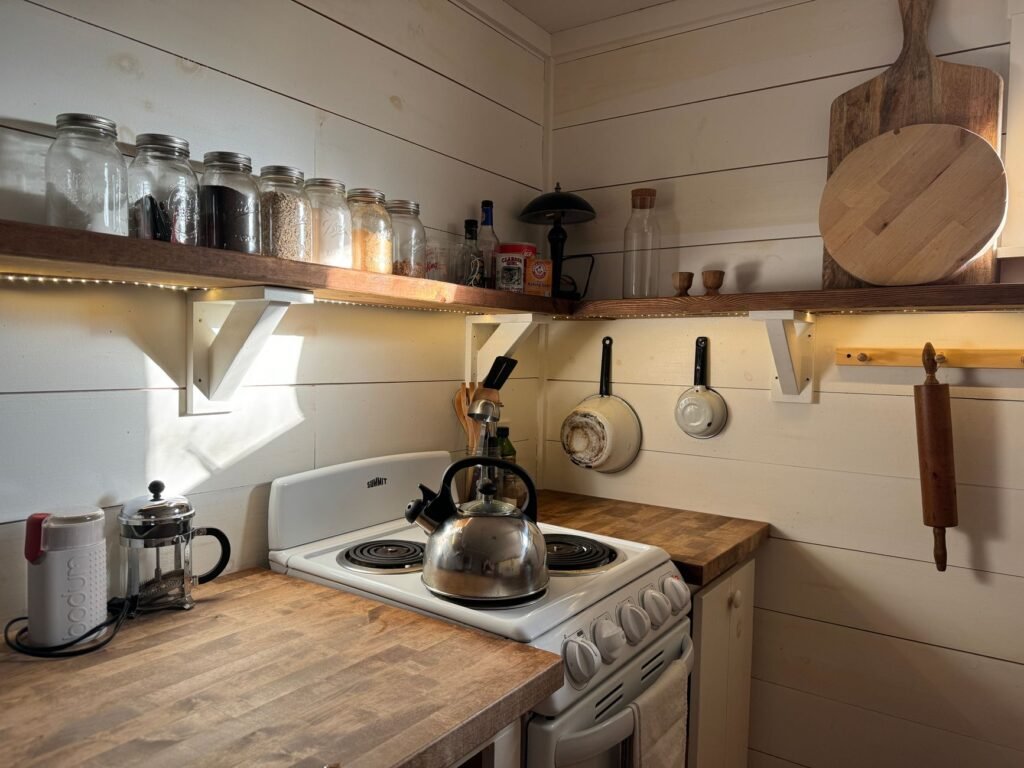
- Multi-Functional Furniture: Many tiny homes incorporate furniture that serves multiple purposes, such as a sofa that converts into a bed or a dining table that folds away when not in use.
- Lofted Sleeping Areas: To save space, many tiny homes utilize lofted areas for sleeping. This design allows for more living space on the ground floor while providing a cozy sleeping nook above.
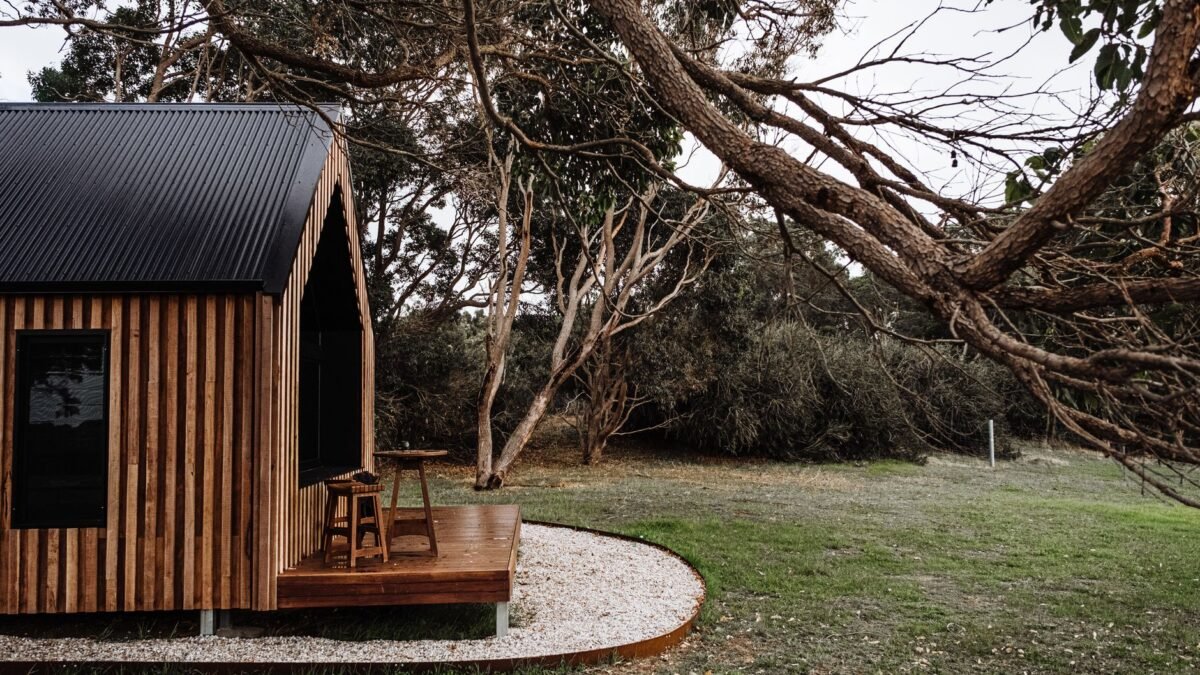
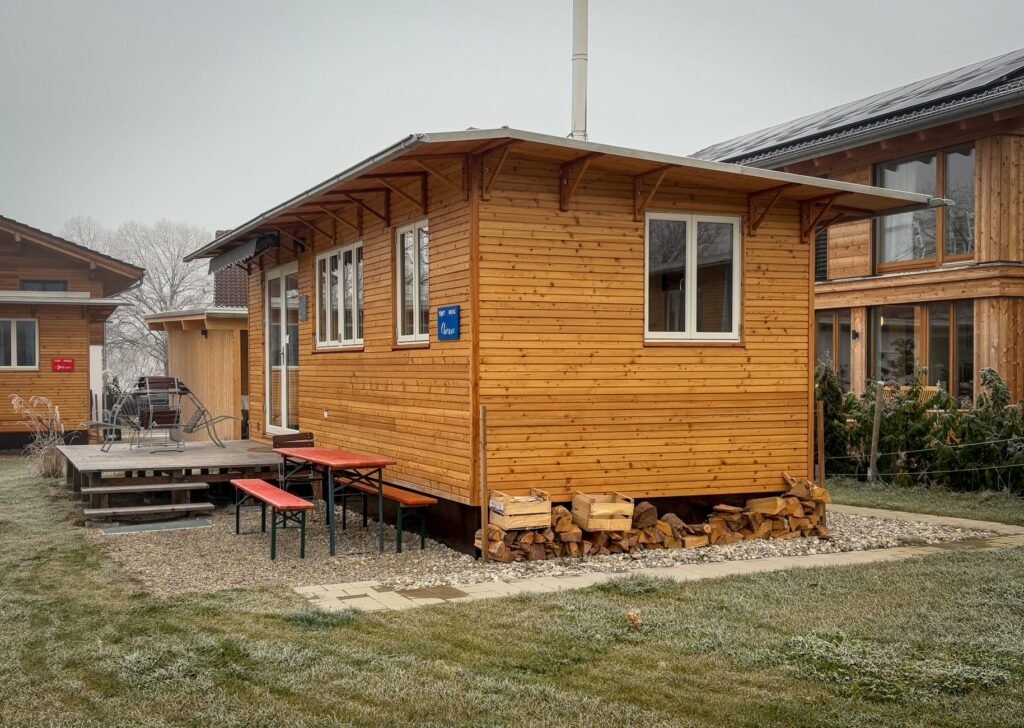
- Outdoor Living Spaces: Many tiny homes feature decks or patios, which extend the living area outdoors. This encourages guests to enjoy the surrounding scenery and fresh air.
How to Find Tiny Homes on Airbnb
Finding the perfect tiny home for your stay on Airbnb is straightforward if you know where to look. Here are some tips to guide you through the process:
- Use Specific Filters: When searching on Airbnb, use filters like “tiny home” or “unique stays” to narrow down your options. You can also filter by price range, location, and amenities.
- Read Reviews: Before booking, read through guest reviews to gauge the quality of the tiny home and the hospitality of the host. Look for comments regarding cleanliness, communication, and the accuracy of the listing.
- Check Amenities: Ensure the tiny home has the amenities you require, such as a kitchen, bathroom, or Wi-Fi. This will enhance your comfort during the stay.
- Contact Hosts: If you have specific questions about the tiny home or surrounding area, don’t hesitate to reach out to the host. Engaging with them can also give you a sense of their responsiveness and hospitality.
Popular Tiny Home Destinations
Certain destinations have gained recognition for their unique tiny home offerings. Here are a few popular locations known for tiny home rentals:
- Joshua Tree, California: Known for its stunning desert landscapes, Joshua Tree features many tiny homes that blend seamlessly with nature. Guests can enjoy starry nights and breathtaking views.
- Asheville, North Carolina: Nestled in the Blue Ridge Mountains, Asheville has a vibrant arts scene and numerous tiny homes that provide easy access to hiking and outdoor activities.
- Portland, Oregon: Portland is a hub for tiny home enthusiasts, with many listings showcasing innovative designs and eco-friendly features. The city’s proximity to nature and a thriving food scene make it a great destination.
Illustrative Example
Consider the case of a couple looking for a weekend getaway in the mountains. They discover a tiny home in Asheville nestled among the trees. The home features a lofted bed, a fully-equipped kitchen, and a charming outdoor deck. They enjoy hiking during the day and cozy evenings by the fire pit, creating lasting memories in their unique accommodation.
Practical Tips for Staying in Tiny Homes
To make the most of your tiny home experience, consider these practical tips:
- Packing Light: Given the limited space, it’s essential to pack only the necessities. Choose versatile clothing and leave bulky items at home.
- Embrace Minimalism: Enjoy the simplicity of tiny living by embracing a minimalist mindset. Focus on experiences rather than possessions during your stay.
- Explore the Surroundings: Take advantage of the unique location. Engage in local activities, explore nearby attractions, and enjoy outdoor adventures.
- Be Respectful of Space: Tiny homes require a considerate approach to shared spaces, especially if you are in a tiny home community. Be mindful of noise and cleanliness.
Design Features of Tiny Homes
Innovative Space Utilization
Tiny homes often incorporate creative design features that maximize the use of limited space. From built-in furniture to multi-functional areas, these homes are designed with efficiency in mind. For instance, a common feature is the use of lofted beds, which free up floor space for living and dining. Additionally, foldable tables and chairs can be stowed away when not in use, providing flexibility for different activities.
Here are some innovative space-saving solutions found in many tiny homes:
- Murphy beds that fold into walls
- Convertible sofas that transform into beds
- Storage stairs that double as bookshelves
- Under-bed storage compartments
- Retractable kitchen islands
Sustainable Materials and Practices
Many tiny homes prioritize sustainability, using eco-friendly materials and practices in their construction and operation. This commitment to the environment appeals to travelers looking for a greener vacation. Common materials include reclaimed wood, recycled metals, and bamboo, which reduce the carbon footprint of the building process.
In addition to the materials used, tiny homes often incorporate energy-efficient appliances and systems, such as:
- Solar panels for renewable energy
- Low-flow fixtures to conserve water
- Composting toilets to reduce waste
- Insulation made from recycled materials
- Natural ventilation systems to reduce heating and cooling needs
Customization and Personalization
One of the most appealing aspects of tiny homes is the opportunity for customization. Many hosts on Airbnb allow guests to experience unique designs that reflect the owner’s personality and style. This could range from rustic cabins nestled in the woods to modern, minimalistic structures with sleek lines and vibrant colors.
Travelers can find tiny homes with personalized touches such as:
- Artistic murals and themed decor
- Unique architectural elements like curved walls or large windows
- Custom-built furniture tailored to the space
- Outdoor features like fire pits and gardens
- Smart home technology for added convenience
Experiences and Activities Near Tiny Homes
Outdoor Adventures
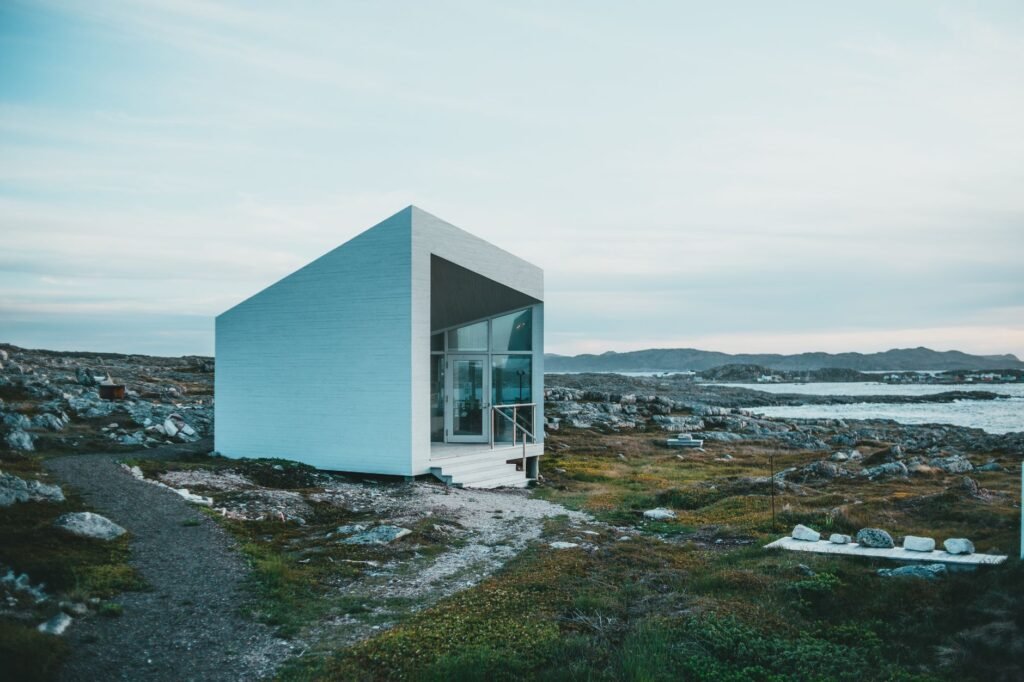
Staying in a tiny home often places travelers in stunning natural settings, making it an ideal base for outdoor adventures. Whether nestled in the mountains, by the beach, or near a forest, these accommodations can serve as a gateway to a variety of activities. Hiking, kayaking, and biking are just a few options available to guests looking to explore their surroundings.
Some popular outdoor activities to consider include:
- Guided nature hikes to discover local flora and fauna
- Kayaking or paddleboarding in nearby lakes or rivers
- Mountain biking on local trails
- Wildlife watching in designated parks
- Fishing in nearby streams or oceans
Cultural Experiences
In addition to outdoor activities, tiny home rentals are often situated near cultural landmarks and local attractions. Guests can immerse themselves in the local culture by visiting museums, art galleries, and historical sites. Many tiny homes are located close to charming towns where travelers can experience local cuisine and traditions.
Travelers can enhance their stay by participating in cultural experiences such as:
- Local food tours to taste regional specialties
- Art workshops to learn from local artisans
- Historical tours to understand the area’s past
- Community events like festivals and farmer’s markets
- Cooking classes featuring traditional recipes
Wellness and Relaxation
Tiny homes can also provide a peaceful retreat for those looking to unwind and focus on wellness. Many hosts offer amenities that promote relaxation, such as hot tubs, yoga decks, or serene gardens. Additionally, the intimate space encourages guests to disconnect from technology and reconnect with nature.
Wellness-focused activities to consider during your stay might include:
- Outdoor yoga sessions with scenic views
- Meditation practices in quiet surroundings
- Nature walks to promote mindfulness
- Stargazing from your tiny home’s outdoor area
- Guided retreats focused on self-care
The Future of Tiny Home Stays
Emerging Trends in Tiny Home Rentals
The popularity of tiny homes is on the rise, and with it, new trends are emerging in the rental market. Hosts are increasingly adopting innovative features to enhance guest experiences, such as offering themed accommodations or adding luxurious amenities like saunas and outdoor kitchens. As more travelers seek unique and memorable stays, tiny homes are evolving to meet these demands.
Key trends to watch in the tiny home rental market include:
- Integration of smart technology for enhanced convenience
- Focus on wellness amenities such as spas and meditation spaces
- Collaborations with local businesses to offer exclusive experiences
- Increased emphasis on eco-friendly practices and materials
- Expansion into urban areas for city dwellers seeking unique stays
Impact of Tiny Homes on Local Economies
Tiny home rentals can have a positive impact on local economies by attracting tourists and creating jobs. These rentals often draw visitors who prefer unique accommodations over traditional hotels, resulting in increased spending in local restaurants, shops, and attractions. Additionally, the construction and maintenance of tiny homes can provide new job opportunities for local contractors and artisans.
Benefits to local economies include:
- Increased tourism revenue from visitors
- Support for local businesses through guest spending
- Job creation in construction and hospitality sectors
- Revitalization of underdeveloped areas through tourism
- Encouragement of community events and gatherings
Challenges Facing Tiny Home Rentals
While tiny homes offer many benefits, they also face challenges that can impact their viability as rental properties. Zoning laws and regulations in some areas may restrict the placement of tiny homes, limiting where they can be located. Additionally, the initial investment for building or renovating a tiny home can be significant, posing a barrier for some potential hosts.
Common challenges include:
- Legal restrictions on tiny home construction and placement
- Financing difficulties due to unconventional housing models
- Seasonal fluctuations in demand affecting profitability
- Maintenance and upkeep costs for hosts
- Potential pushback from local communities
Frequently Asked Questions
What is the average cost of tiny homes on Airbnb?
The average cost of tiny homes on Airbnb varies significantly based on location, amenities, and season. Generally, you can find tiny homes ranging from budget-friendly options to more luxurious stays.
Are tiny homes suitable for families?
Yes, many tiny homes can accommodate families, especially those designed with multiple sleeping areas or convertible furniture. However, it’s essential to check the listing details to ensure it meets your family’s needs.
Do tiny homes have kitchens?
Most tiny homes come equipped with at least a basic kitchen, including essential appliances like a refrigerator, stove, and sink. However, it’s wise to confirm the amenities before booking.
Can I find tiny homes in urban areas?
Yes, tiny homes can be found in urban areas as well as rural settings. Cities like Portland and Austin have embraced the tiny home movement, offering unique accommodations in a metropolitan environment.
The Bottom Line
Tiny homes on Airbnb present a unique and memorable way to experience travel. They combine sustainability, innovative design, and the chance to connect with nature. By following the tips outlined in this guide, you can enhance your tiny home stay, ensuring it is both enjoyable and comfortable. Whether you are seeking adventure, relaxation, or a blend of both, tiny homes offer a distinctive alternative to traditional accommodations.