Key Takeaways
- Understand local customs and etiquette.
- Prepare for health and safety considerations.
- Familiarize yourself with transportation options.
- Learn about currency and budgeting tips.
Traveling to Benin can be an enriching experience, offering visitors a glimpse into the vibrant culture, history, and natural beauty of this West African country. However, before embarking on your journey, there are several important things to know that can enhance your trip and ensure a smoother experience. From understanding local customs to preparing for health considerations, this guide will provide you with insightful tips and practical information.
Benin is often overlooked by tourists in favor of more popular destinations in West Africa, yet it boasts a rich tapestry of traditions, including the famous Voodoo culture and historical sites like the Royal Palaces of Abomey. As you prepare for your adventure, it’s crucial to equip yourself with knowledge about the local environment, travel logistics, and cultural norms.
This guide aims to cover everything you need to know before traveling to Benin, helping you navigate this unique destination with confidence.
Understanding Local Customs and Etiquette
When traveling to Benin, understanding local customs is essential. The culture is deeply rooted in tradition, and respecting these practices can greatly enhance your interactions with locals.
Greeting and Communication
Greetings are an important aspect of social interaction in Benin. A handshake is common, often followed by a brief inquiry about each other’s well-being. It’s advisable to learn a few basic phrases in Fon or Yoruba, the two prevalent languages, as this can go a long way in building rapport with the locals.
Additionally, addressing someone by their title (e.g., Mr., Mrs.) before their name is a sign of respect. Always take time to greet people, as rushing through this can be seen as rude.
Dress Code
While Benin is relatively liberal compared to some neighboring countries, modest dress is still recommended, especially in rural areas. Women should avoid wearing revealing clothing, whereas men should also dress appropriately in public settings. Local attire can be colorful and vibrant, so consider purchasing some traditional fabrics to blend in with the culture.
Dining Etiquette
Dining customs in Benin can vary by region but generally emphasize communal eating. It’s common to share food from a common bowl. If you are invited to a local’s home, bringing a small gift like fruit or a dessert is appreciated. When dining, it is polite to wait for the host to begin eating before you start.
Health and Safety Considerations
Before traveling to Benin, it is crucial to consider your health and safety. The following are key health tips you should keep in mind.
Vaccinations and Medications
Consult with a healthcare provider to discuss necessary vaccinations before your trip. Common vaccinations include Yellow Fever, Hepatitis A and B, Typhoid, and Tetanus. Additionally, malaria is a risk in Benin, so antimalarial medication is recommended. Ensure you have adequate travel insurance that covers medical evacuation if required.
Food and Water Safety
Foodborne illnesses can be a concern while traveling in Benin. Only drink bottled or boiled water, and avoid ice unless you are sure it was made from safe water. Street food can be tempting but choose vendors that are busy and maintain good hygiene practices. Always wash your hands with soap or use hand sanitizer before eating.
Personal Safety
Benin is generally considered safe for tourists, but it is wise to take precautions. Avoid displaying valuables such as expensive jewelry or electronics. It’s advisable to stay in well-reviewed accommodations and use reputable transportation options. Be cautious in crowded areas to avoid pickpocketing.

Transportation Options in Benin
Getting around Benin can be an adventure in itself, with various transportation options available for travelers.
Taxis and Shared Taxis
Taxis are widely available in cities, but it’s advisable to use registered taxis or rideshare apps if available. Shared taxis, known as ‘Zemidjans,’ are a popular mode of transport, particularly in Cotonou. These are motorcycles that transport passengers over short distances. Always negotiate the fare before starting your journey.
Buses and Coaches
Long-distance travel is often done by bus. Buses are available between major cities, though they can be crowded and may not operate on a strict schedule. It’s best to book your tickets in advance and arrive early at the terminal. Consider using a reputable bus company to ensure a more comfortable experience.
Car Rentals
Renting a car can provide more flexibility, especially if you plan to visit rural areas. Ensure that you have an international driving permit. Roads can vary in quality, so be prepared for potholes and unpaved routes. Additionally, familiarize yourself with local driving rules, as they may differ from what you’re used to.
Currency and Budgeting Tips
Understanding the currency and budgeting for your trip to Benin is crucial for a successful travel experience.
Currency and Exchange Rates
The currency used in Benin is the West African CFA franc (XOF). It’s advisable to exchange your currency before arriving or at local banks. Credit cards are not widely accepted, so carrying cash is essential, especially in rural areas.
Budgeting for Your Trip
Traveling in Benin can be quite affordable. Accommodation ranges from budget hostels to mid-range hotels. Street food is inexpensive and a great way to experience local cuisine. Plan your daily budget by considering food, transport, and entrance fees for attractions. It’s also wise to set aside some funds for souvenirs, as local crafts can be quite beautiful.
ATMs and Cash Withdrawal
ATMs are available in major cities, but not always reliable. Inform your bank of your travel plans to avoid any issues with card transactions. If you opt to withdraw cash, use ATMs during the day and in secure locations. Consider carrying a small amount of US dollars or euros as backup currency, as some vendors may accept these.
Key Attractions in Benin
Benin is rich in history and culture, with several attractions that should not be missed.
The Royal Palaces of Abomey
The Royal Palaces of Abomey are UNESCO World Heritage Sites that encapsulate the history of the Kingdom of Dahomey. Visitors can explore the remnants of the palaces and learn about the kingdom’s rulers. The museums inside exhibit artifacts that represent the cultural heritage of the region.
Ouidah and Voodoo Culture
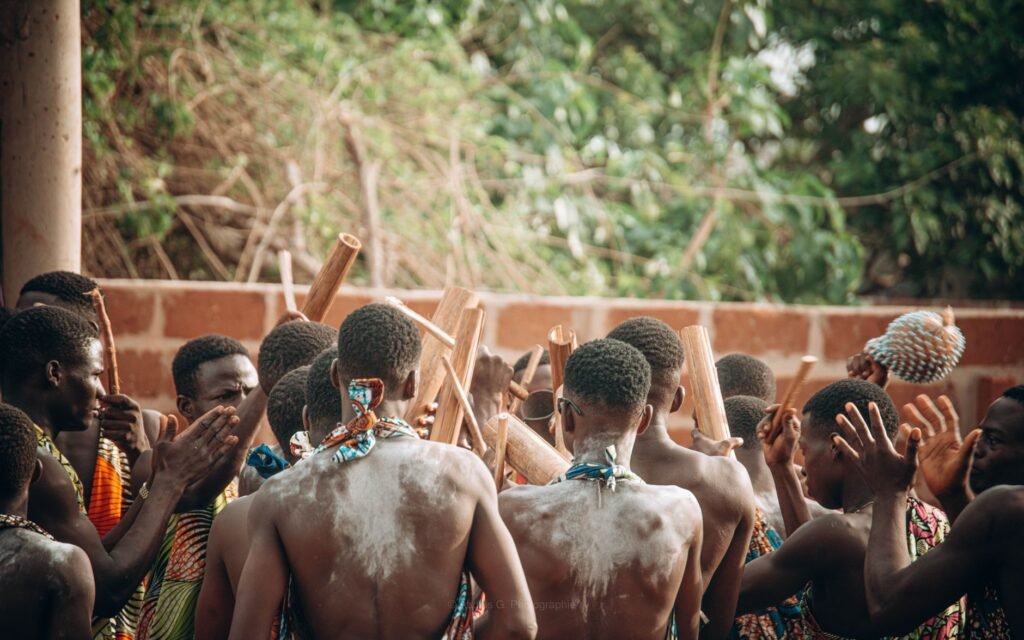
Ouidah is the spiritual heart of Voodoo in Benin. You can visit the Temple of Pythons and the Voodoo Museum to gain insight into this fascinating religion. The annual Voodoo Festival attracts thousands of visitors and showcases rituals, music, and dance.
Ganvie: The Venice of Africa
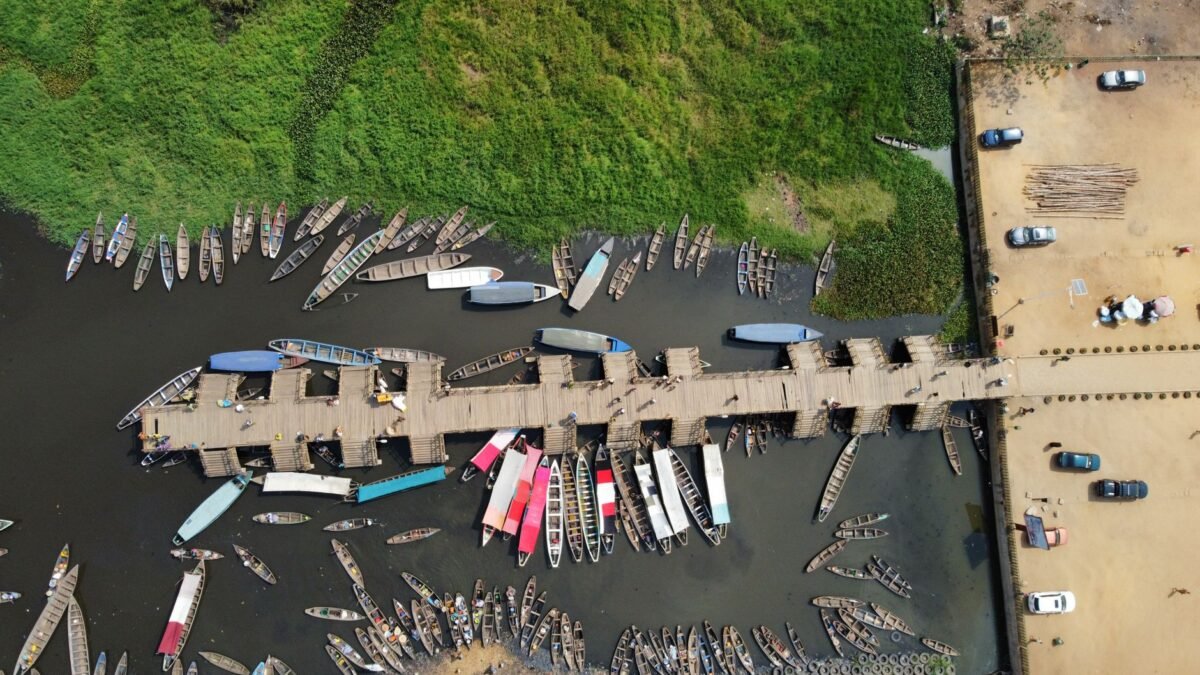
Ganvie is a unique stilt village located on Lake Nokoué. It is known for its picturesque views and vibrant local life. You can take a boat tour to explore the village and interact with the friendly Tofinu people who inhabit it. This experience provides a glimpse into the daily lives of those living on the water.
Language and Communication in Benin
Official Language and Dialects
The official language of Benin is French, a remnant of its colonial past. However, the country is home to a rich tapestry of local languages and dialects. Yoruba, Fon, and various tribal languages are spoken across different regions, reflecting the diverse ethnic groups present in the country.
While French is widely used in urban areas and for official purposes, learning a few phrases in local languages can enhance your travel experience. Simple greetings or expressions can foster goodwill with locals and demonstrate respect for their culture. Here are a few essential phrases in Fon:
- “Bonjour” (Hello)
- “Akwé” (Thank you)
- “Wé wé” (How are you?)
Communication Tips for Travelers
In major cities, you will find that many locals, especially in the tourism sector, understand and speak basic English. However, in rural areas, English is less common. It’s advisable to carry a pocket dictionary or download a translation app on your phone. This can be invaluable for bridging communication gaps.
Additionally, consider using gestures and body language to aid communication. Non-verbal cues can be quite effective when words fail. Engaging with locals through friendly gestures can also lead to more enriching interactions.
Mobile Connectivity and Internet Access
Mobile connectivity in Benin is relatively good, particularly in urban areas. Major cities like Cotonou and Porto-Novo offer various mobile service providers with affordable prepaid options. Be sure to get a local SIM card upon arrival for better rates on calls and internet access.
Wi-Fi is available in many hotels, cafes, and restaurants, although the quality and speed may vary. For travelers needing reliable internet access, consider purchasing a data plan with your local SIM card. This will allow you to stay connected while exploring the country.

Cultural Festivals and Events
Major Festivals to Experience
Benin is a country rich in cultural heritage and traditions, celebrated through various festivals throughout the year. Participating in these events offers a unique glimpse into the country’s vibrant culture and history. Here are some key festivals you won’t want to miss:
- Voodoo Festival: Celebrated annually on January 10th, this festival in Ouidah honors the country’s Voodoo heritage with music, dance, and rituals.
- International Festival of Benin: This event celebrates art and culture, showcasing performances from local and international artists.
- Gani Festival: Taking place in the northern region, this festival features traditional music and dance, celebrating the local Yoruba culture.
What to Expect at Festivals
Festivals in Benin are filled with lively music, dance performances, and traditional rituals. Attendees can expect colorful parades, vibrant costumes, and an atmosphere of joy and celebration. It’s a chance to engage with the local community and participate in cultural activities.
Visitors are encouraged to dress modestly and respectfully when attending these events. Engaging with local artisans and sampling traditional foods can also enrich your experience. Look out for local crafts, as these make for unique souvenirs.
Respect for Cultural Practices
While enjoying the festivities, it’s crucial to be respectful of local customs and practices. Certain rituals may be sacred and not meant for public display or photography. Always ask for permission before taking photos, especially of individuals or community ceremonies.
Additionally, familiarize yourself with the significance of the festival you are attending. Understanding the history and meaning behind the celebrations will enhance your appreciation and respect for the culture.
Environmental Awareness and Sustainability
Understanding Benin’s Ecosystems
Benin is home to diverse ecosystems, ranging from coastal areas to savannahs and forests. The country’s rich biodiversity is a treasure trove for nature lovers. However, these natural resources are under pressure from climate change and human activities. Awareness of these ecosystems can enhance your travel experience and encourage responsible tourism.
Visit national parks like Pendjari and W National Park to experience the wildlife and scenery. These parks are crucial for conservation efforts and offer guided tours that educate visitors about local flora and fauna.
Practicing Responsible Tourism
As a traveler in Benin, practicing responsible tourism is vital. This means respecting local cultures, minimizing your environmental impact, and supporting local businesses. When exploring, stick to marked trails to protect the natural environment and wildlife.
Consider using eco-friendly products, such as refillable water bottles and biodegradable toiletries, to reduce waste. Additionally, choose accommodations that prioritize sustainability, such as eco-lodges that implement conservation practices.
Getting Involved in Local Conservation Efforts
Many organizations in Benin focus on preserving the environment and supporting local communities. Engaging with these initiatives can provide meaningful experiences during your travels. Here are a few ways you can get involved:
- Participate in local clean-up events or tree-planting activities.
- Volunteer with organizations focused on wildlife conservation and education.
- Support local artisans by purchasing handmade crafts, which helps sustain their livelihoods and promotes cultural heritage.
By being mindful of your impact and supporting local conservation efforts, you can contribute to preserving the beauty and culture of Benin for future generations.
Frequently Asked Questions
Is Benin safe for tourists?
Yes, Benin is generally considered safe for tourists. However, it’s advisable to take standard safety precautions, such as avoiding isolated areas at night and safeguarding your belongings.
What is the best time to visit Benin?
The best time to visit Benin is during the dry season, which typically runs from November to March. This period offers pleasant weather for outdoor activities and sightseeing.
Do I need a visa to travel to Benin?
Most travelers require a visa to enter Benin. It’s advisable to apply for a visa in advance through a Beninese embassy or consulate. Check the specific requirements based on your nationality.
What language is spoken in Benin?
The official language of Benin is French, but many people also speak local languages such as Fon and Yoruba. Learning a few phrases in these languages can enhance your interactions.
The Bottom Line
Traveling to Benin offers a unique opportunity to experience its rich culture, history, and natural beauty. By understanding local customs, preparing for health considerations, navigating transportation, and budgeting wisely, you can ensure a rewarding and enjoyable trip. Embrace the vibrant culture and friendly people, and you may find Benin to be one of the most memorable destinations in West Africa.