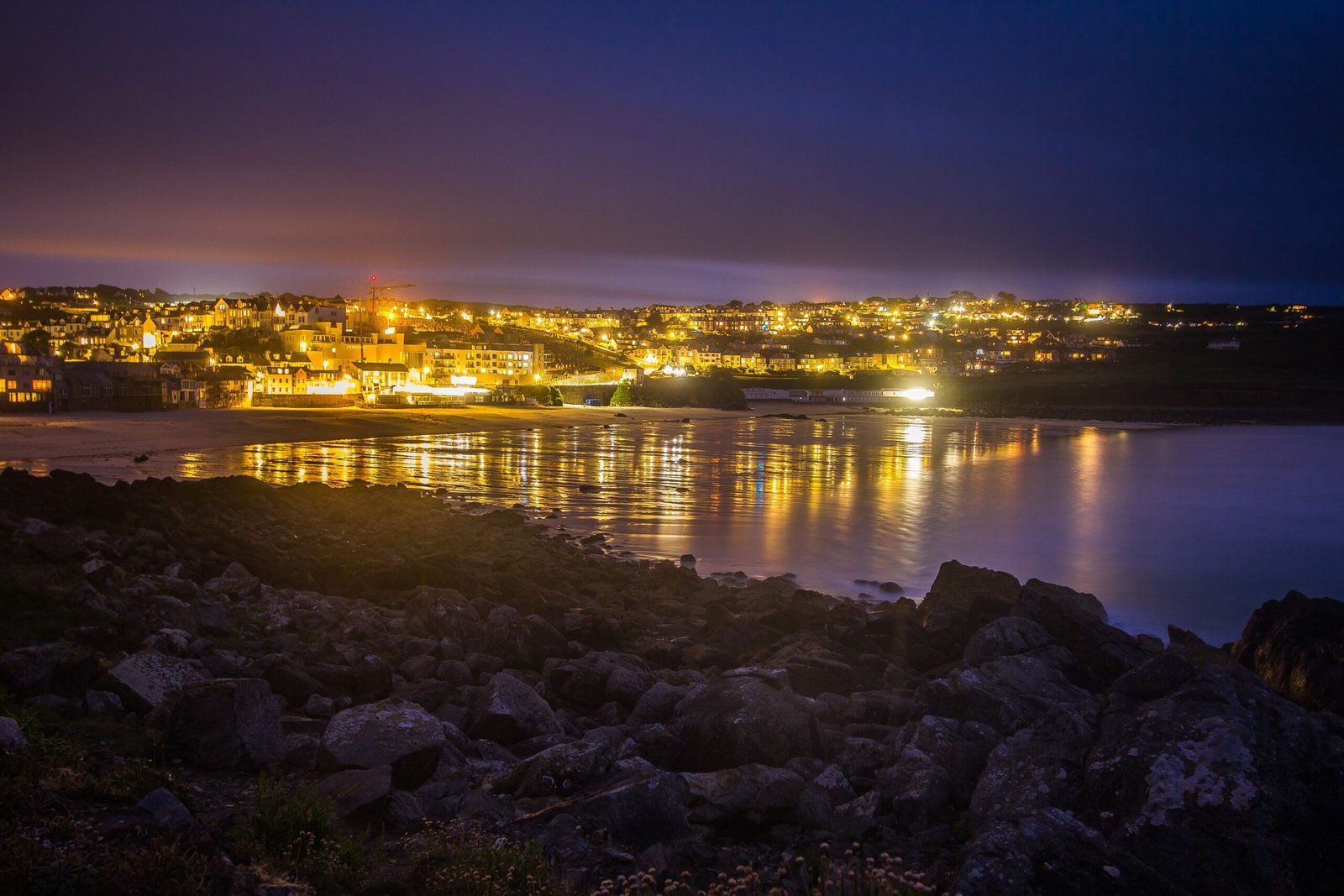
Things to do in St Ives can fill a whole holiday, and this Cornish coastal town in England is perfect for beaches, boat trips, art, and easy day plans.
St Ives sits on the southwest tip of Cornwall, UK, and feels both laid-back and full of character. You will find artists and galleries, golden sand, cliff-top walks, and seafood that is genuinely worth planning your meals around.
If you are a first-time visitor, you may notice how compact the town center is, but how quickly the scenery changes as you head toward the harbor, beaches, or out to the headlands. The best strategy is to mix “big views” days with at least one slow, local day.
Below you will find practical ideas and a step-by-step guide for planning your best itinerary, plus tips on getting around, where to eat, and what to consider before you travel.
Things To Do In St Ives: A Practical Guide and Best Itinerary Ideas
| Plan | What to do | Best for | Time of day |
|---|---|---|---|
| Harbor and Old Town stroll | Walk the waterfront, visit galleries, browse shops | First timer orientation | Morning to late afternoon |
| Beach and swimming | Porthmeor, Porthminster, or other coves | Relaxing and views | Late morning onward |
| Coastal viewpoints | Cliff paths and headland walks | Photographs and fresh air | Golden hour |
| Boat time | Explore by sea, wildlife spotting, coastal cruising | Families and couples | Morning or early afternoon |
| Art and culture | Major museums and local exhibitions | Rainy day backup | Anytime |
Tip 1 – Start with the St Ives harbor and waterfront rhythm
Make “things to do in St Ives” practical by beginning at the harbor area. The boat activity sets the pace, and it is a natural way to orient yourself. Spend 30 to 60 minutes browsing snack spots and watching small boats come and go.
Tip 2 – Choose one “main beach” and one quiet option
St Ives has multiple beaches, so it helps to not try to do all of them in one day. Use Porthmeor or Porthminster as your main beach, then add a quieter cove later for a calmer vibe. If the weather is changeable, plan checking the sea and wind conditions before committing.
Tip 3 – Walk the coastal headlands for views that beat photos
Cliff paths near St Ives are great for scenery, not just sightseeing. Wear shoes you can trust on uneven ground, and keep an eye on tides and weather. This is one of the easiest ways to turn “things to do in St Ives” into a memorable day rather than a checklist.
Tip 4 – Build an art day around St Ives’ gallery culture
St Ives is strongly linked to modern art and notable artists, so galleries are a meaningful part of the town. Pair one main museum with smaller exhibitions so you get variety. If you are visiting in off-peak season, check opening hours in advance, as they can vary.
Tip 5 – Try a boat trip for a different perspective
Going out by sea is a top St Ives experience, especially when the coastline looks best from the water. Look for wildlife-spotting or coastal cruises and choose shorter trips if you are traveling with kids. For the smoothest experience, go earlier in the day when conditions can be calmer.
Tip 6 – Eat seafood in the right order: simple first, “proper treat” second
If you want to taste the coast, do it in stages. Start with something simple like fish and chips or a crab sandwich, then save a proper seafood meal for your best-weather day. Many places get busy in summer, so booking helps.
Tip 7 – Use the town’s walkability, but plan for hills
St Ives feels compact, yet streets can be steep and sidewalks can be uneven. This is one of the most common tourist mistakes for visitors expecting a flat seaside town. Wear supportive footwear and leave yourself extra time between locations.
Tip 8 – Plan for parking or go car-free
If you are driving, plan early and expect busy periods. During peak season, parking can be limited. Car-free days can be easier if you base yourself near the center. If you do drive, consider leaving flexibility for traffic and weather.
Tip 9 – Public transport and taxis: use them strategically
Local buses can help you reach beaches or nearby areas without adding parking stress. Taxis work well for short, direct trips, especially if it is raining or you are traveling with luggage. For “things to do in St Ives” that are spread out, think in clusters, not a straight line.
Tip 10 – Match attractions to the weather
When it is sunny, focus on beaches, viewpoints, and walking routes. When it rains or winds up, use indoor options like museums, galleries, and cafés. This approach keeps your itinerary enjoyable even when coastal weather shifts.
Tip 11 – Try a local café crawl rather than one big lunch
A good rhythm is breakfast, then coffee or dessert later, and keep lunch flexible. In St Ives, that can mean multiple short stops instead of a long sit-down in a crowded time window. It also helps you sample more without overcommitting.

Tip 12 – Keep an eye on tides and sea conditions
Where you can access the sand, how safe it feels to swim, and what the coastline looks like can change. Before you head to the beach, take a moment to check current conditions. This is an easy upgrade to your “things to do in St Ives” plan.
Tip 13 – For families, pick one “main activity” per day
Families may prefer fewer transitions. A boat trip, a beach morning, or a museum visit can anchor the day, then fill the rest with snacks and a short stroll. Keep a backup option ready if the wind picks up.
Tip 14 – Book popular experiences ahead in school holidays
Summer, bank holidays, and school breaks can fill quickly. If you are keen on boat tours or specific gallery slots, book early. Even then, build a little buffer, since coastal traffic and queues are part of the reality.
Tip 15 – Pack for wind: layers beat bulky coats
Cornwall weather can flip fast. Bring a light waterproof layer, breathable tops you can layer, and a warm hat if you get chilly near the sea. If you plan cliffs and headlands, include a small day bag with water and a snack.
Tip 16 – Learn a few basics of local etiquette at busy spots
Coastal areas can be crowded. Keep pathways clear, respect signage on land, and follow guidance around swimming areas. In cafés during peak times, be ready for a short wait and consider ordering at the counter.
Tip 17 – Consider a nearby day trip, but keep it themed
Many visitors add stops beyond St Ives, such as other Cornish coastal towns or countryside viewpoints. To keep things smooth, pick one theme per day, like coastal scenery, food markets, or historic areas. Then return for sunset and dinner back in St Ives.
Tip 18 – Save your “wow” viewpoint for late afternoon
If you want the best light, plan your cliffside walk for late afternoon. It is also easier to pace yourself after lunch. Pair it with a simple dinner back in town so you do not rush.
Tip 19 – Rainy day idea: galleries plus a long lunch
If clouds roll in, use indoor time well. Choose one standout museum or a cluster of galleries, then spend extra time in a café. This makes “things to do in St Ives” feel rewarding even when the coast is moody.

Tip 20 – Common tourist mistake: trying to do everything in one central loop
A lot of visitors stay near the most obvious streets and miss the beaches and headlands that make St Ives special. Instead, anchor each day to a beach zone or viewpoint zone. Use “things to do in St Ives” as a plan for variety, not only convenience.
And if you are browsing planning styles beyond Cornwall, you might also like this guide to 20 Fun and Best Things To Do In Kuwait City for a comparison of how to structure a city itinerary. While it is a different destination, the “pick highlights, then build around them” approach can help you plan more smoothly.
Visa & Entry Requirements
Visa and entry rules for the United Kingdom can change, and they depend primarily on your nationality, your passport, and your trip details. This means you should not assume one rule applies to everyone. Before you book flights for St Ives, check the latest guidance from official UK sources so you understand whether you need a visa, an electronic travel authorization, or any other permission for your specific circumstances.
Start with passport validity. Many countries require your passport to be valid for a certain period after your planned travel dates. Also check for damaged passports and ensure there are enough blank pages for entry stamps if relevant to your situation.
Next, confirm whether you need a visa or any electronic authorization for short stays, and make sure you understand the allowed length of stay. Some visitors may enter for tourism without a visa, while others must apply in advance. Your onward or return travel can also be a factor, so keep proof of your itinerary handy.
Customs rules matter too. The UK has restrictions for bringing in items such as certain foods, medicines, and commercial goods. If you bring gifts or valuables, know what must be declared. If you plan to use specific medicines, carry them in original packaging and consider bringing a doctor’s note.
For practical readiness, keep proof of accommodation (like a hotel booking or address where you will stay), and consider travel insurance that covers medical care and coastal activities such as boat tours or walking on uneven paths. For the final, official requirements, use the UK government immigration guidance: Check if you need a UK visa.
FAQs About Things To Do In St Ives
What are the best things to do in St Ives for a first-time visit?
For first-time visitors, focus on the harbor area, choose one main beach plus one quieter spot, add a coastal walk for views, and include at least one art or museum visit. This blend usually delivers the best “things to do in St Ives” experience without overpacking your days.
How many days do I need for things to do in St Ives?
Three to four days is a comfortable range for most travelers. You can cover beaches, a coastal walk, a boat trip, and galleries. If you want slower pacing or more day trips, five days gives extra room for weather changes.
Are there good things to do in St Ives if it rains?
Yes. Use indoor gallery time, museums, and long café lunches. Then, plan a shorter walk as the weather improves. Rain does not ruin everything in St Ives, but it can change which beaches are most comfortable.
Is St Ives good for families?
It can be excellent for families, especially if you keep the itinerary simple. Choose one big activity per day, like a boat trip or beach time, and leave space for snacks and breaks. Also remember that St Ives streets can be steep in places.
What is the most common mistake when planning things to do in St Ives?
Trying to do everything in one tight central route. Because St Ives spreads from the center to beaches and headlands, you will enjoy it more if you group activities by area each day and accept that walking times can add up.
Are boat trips worth it in St Ives?
For many visitors, yes. Boats offer a unique coastline perspective and often include storytelling or wildlife spotting. Just check timings and sea conditions, and consider booking earlier in the day if you are sensitive to choppy water.
Conclusion: Plan Your Best “Things To Do In St Ives” Days
St Ives is one of those destinations where the details make the trip. The harbor atmosphere, the art scene, the beach choices, and the cliff views work best when you build your plan around neighborhoods and weather. That is how your “things to do in St Ives” shortlist becomes a balanced itinerary.
Choose a main beach, add one coastal viewpoint walk, include either a boat trip or a museum day, then spend time eating slowly and browsing galleries. If you do that, you will see why so many travelers return.
Finally, double-check entry requirements before you go, keep your plans flexible for coastal conditions, and enjoy the feeling of a small town with big views.
For official local visitor info and practical updates, start with Visit Cornwall: Visit Cornwall, and for town-level guidance consider Cornwall tourism resources via the official Visit Cornwall portal. If you are traveling by train, check National Rail for current services: National Rail. For general travel advice, see the UK government travel section: Foreign travel advice.