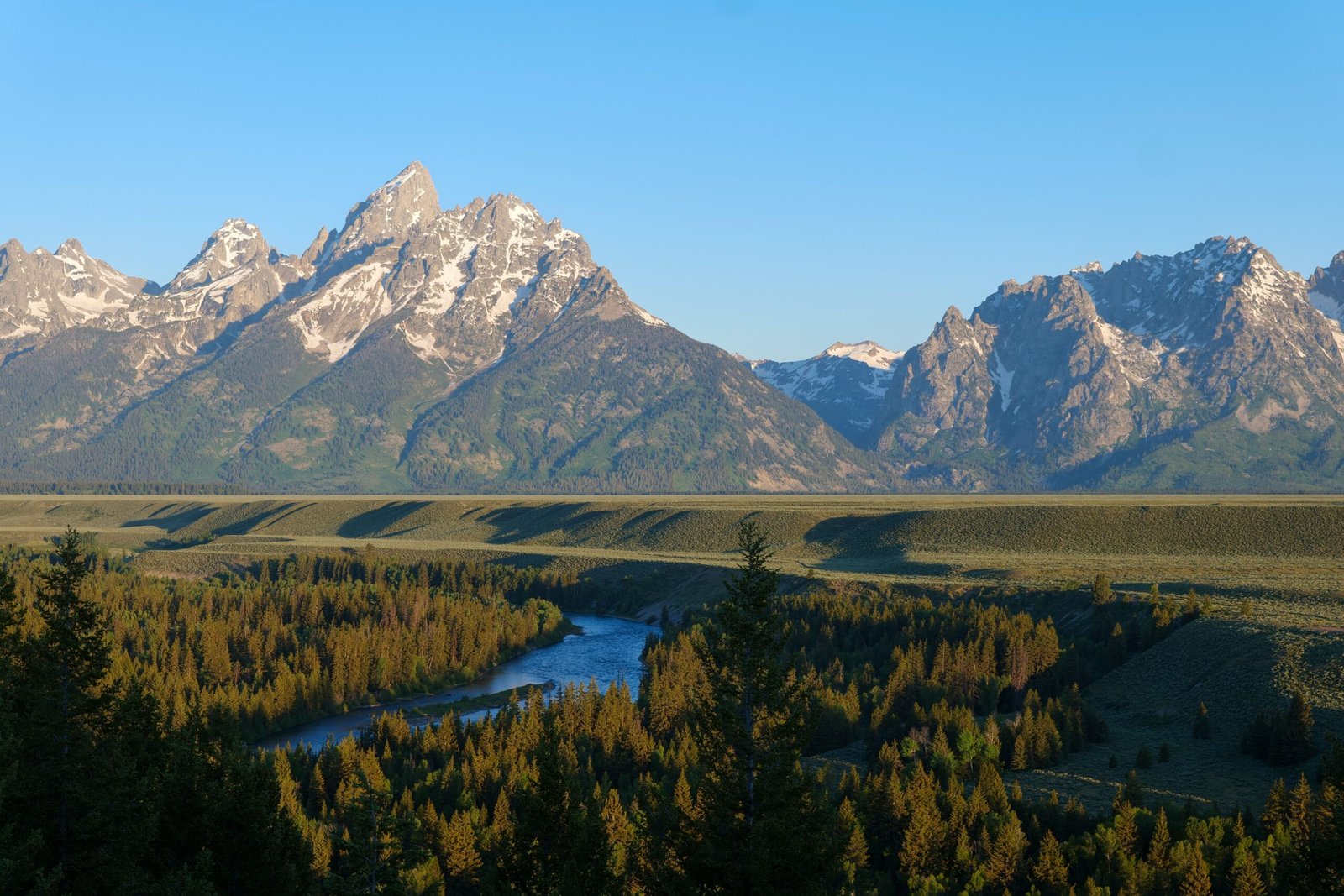
Things to do in Grand Tetons is a short phrase for what many people feel once they see the jagged peaks and wide valleys of Wyoming. Grand Teton National Park, plus the nearby towns of Jackson and Teton Village, offer hikes, wildlife watching, scenic drives, and classic road-trip views on a big outdoor stage.
In this guide, you will find focused ideas for planning an unforgettable trip to the Grand Tetons, including where to stay, what to do day by day, and practical tips that help first-time and international travelers get smoother logistics.
Whether you are traveling in summer for long daylight hours or visiting in shoulder season for fewer crowds, the Grand Teton area rewards careful timing. You can do a lot without needing expensive gear, but you still need to respect weather, wildlife, and park rules.
As you plan your trip, it can also help to balance iconic nature time with a bit of town comfort, meals, and shopping. If you also enjoy laid-back city exploring, you might like reading 20 Fun and Best Things To Do In Townsville Australia for ideas on how to pace an itinerary without over-scheduling.
Things To Do In Grand Tetons: A Practical, Top-Guide List To Plan Your Days
Use these numbered tips as your planning backbone. Mix and match based on how active you want to be, your driving comfort, and how much wildlife watching time you can realistically fit in.
| What you want | Best option nearby | Time of day to aim for |
|---|---|---|
| Iconic scenery | Oxbow Bend pullouts and short walks | Sunrise or late afternoon |
| Classic park highlights | Scenic drives along Teton Park Road | Morning for safer visibility |
| Beginner-friendly views | Jenny Lake area viewpoints | Midday to avoid low-morning fog |
| Moderate hike | Taggart Lake loop | Late morning, bring layers |
| Wildlife time | Signal Mountain area pullouts | Dawn and dusk |
| Family-friendly activity | Jackson town strolls and local snacks | Afternoon or evening |
Tip 1 – Pick a base in Jackson or Teton Village to cut driving time
Most visitors use Jackson (more restaurants and services) or Teton Village (closer to the ski area and some trails) as a home base. Staying in one place keeps your days realistic, especially if you plan to drive scenic roads more than once.

Tip 2 – Start your first morning with Oxbow Bend-style photo stops
If you want that mirror-lake feeling in the Tetons, plan an early start for the pullouts around Oxbow Bend and nearby viewpoints. Park wildlife also tends to be more visible when it is cooler.
Tip 3 – Photograph Jenny Lake from the right angle, not just from one spot
Jenny Lake can look stunning from several viewpoints. If you hike a short distance or use a ferry crossing when available, you add depth to your photos while keeping the day comfortable.
Tip 4 – Use a scenic drive as a “day with flexibility”
Even if you plan hikes, keep one block of time for slower driving and unplanned pullouts. Roadside timing matters in the mountains, and a flexible day helps you adjust for weather and crowds.
Tip 5 – Invest in one solid hike, then add shorter walks
Many travelers try to do too much and feel rushed. Instead, choose one highlight hike based on your fitness, then add easy lakeshore or viewpoint walks, like the areas around Taggart and nearby loops.
Tip 6 – Learn the wildlife “rules of patience”
Do not chase animals for photos. Keep distance, use binoculars if you have them, and watch from safe, designated spots. In Grand Teton country, calm observation beats quick movement.
Tip 7 – Plan hikes to match daylight and changing mountain weather
Conditions can shift quickly, even in summer. Bring layers, check forecasts, and start earlier when possible. If weather turns, shorten the route rather than pushing.
Tip 8 – Consider Teton Village for chairlifts and panoramic viewpoints
For travelers who want big views with less strenuous hiking, Teton Village can be a good compromise. It is also a convenient option if someone in your group is less mobile.
Tip 9 – Walk Jackson for local food, bookstores, and galleries
Some of the best “things to do in grand tetons” are simple: browse local shops, grab a hearty meal, and enjoy the Western town atmosphere. Jackson is also a good place to reset if you had a long day in the park.
Tip 10 – Try a mix of stocked and trail meals
For park days, pack snacks and plan simple meals. Back in town, treat yourself to a proper sit-down dinner. This rhythm helps you avoid energy dips and keeps the trip comfortable.
Tip 11 – Bring a reusable water bottle and plan your refills
Staying hydrated is a basic safety step in high-elevation settings. Carry a bottle and refill where it is allowed and convenient.
Tip 12 – Budget time for the “most common tourist mistake” here
The biggest mistake is underestimating driving time and crowd timing on park roads. Another common issue is trying to see everything in one long day without breaks. Build a realistic schedule with buffer time.
Tip 13 – Choose a best time to visit window that matches your priorities
Summer brings the most trail access, but it also brings crowds. Shoulder season can be gorgeous with fewer people. Winter offers a different experience, but check what activities are operating.
Tip 14 – Book popular things early, especially during peak travel months
If you plan a specific tour, a particular rafting departure, or a popular stay, early booking reduces stress. Some park services and shuttle-like options can vary by season.
Tip 15 – Use Grand Teton National Park resources for current access and alerts
Status changes happen with weather, wildlife activity, and trail conditions. Make checking official updates part of your daily routine so your itinerary stays grounded in reality.
Tip 16 – Plan transport with your park-driving comfort in mind
If you are not used to mountain roads, drive slowly, allow extra time, and avoid late arrivals. Public transport options are limited, so many visitors rely on a rental car.
Tip 17 – Use helpful apps but do not rely on them alone
Navigation apps help, but signal can be patchy. Download offline maps where possible, keep an offline copy of reservations, and carry paper backup if you can.
Tip 18 – Pack smart for outdoors first, souvenirs second
Bring sunscreen, sunglasses, a light rain layer, and comfortable shoes. Also consider insect protection in warmer months. For evening town time, pack one warmer layer for temperature drops.
Tip 19 – Know where to get help fast: keep emergency numbers accessible
In remote areas, quick access matters. Save local emergency information and park contact details before you enter the deeper park zones.
Tip 20 – Mix “park time” with one town evening to avoid burnout

After a hike or drive day, plan something easy. A short stroll, a warm coffee, or a local dinner keeps the trip enjoyable. This is one of the most sustainable “things to do in grand tetons” patterns.
Visa & Entry Requirements
Entry rules for the United States depend on the traveler’s passport and on current government policy. For exploring Grand Teton National Park and nearby Jackson, you should confirm requirements well before your trip by checking official U.S. immigration sources or your nearest U.S. embassy or consulate.
Start with passport validity. Many countries require your passport to be valid for a certain period beyond your planned departure date, but the exact requirement can vary by passport type and entry status. Also check for sufficient blank pages for stamps or processing where applicable.
Next, verify whether you need a visa or an approved electronic authorization. In many cases, travelers follow either a visa route or an authorization program, but the correct option depends on nationality and trip purpose. If you need to apply, build in time for processing and keep confirmation documents easily accessible during travel.
Because length-of-stay permissions are set by the entry process, do not assume you can stay longer just because your itinerary looks flexible. You may also need proof of onward or return travel, and you should carry documentation that supports your accommodation plan while in the Jackson and Grand Teton area.
Vaccination rules are also not one-size-fits-all and can change. For any required health documentation, you should check the latest notices from official U.S. government sources and consider travel insurance to cover medical costs and trip changes.
Finally, remember customs basics. Declarations for items you bring into the country can be required, and rules can apply to food, plant products, and certain equipment. Keep receipts where relevant, and declare items when asked.
For the most up-to-date guidance, consult official sources such as U.S. Department of State Travel, and the U.S. Customs and Border Protection pages for customs topics at CBP. Your exact outcome can differ depending on your passport and current policy.
FAQs About Things To Do In Grand Tetons
What are the best things to do in Grand Tetons for first-timers?
For first-timers, aim for scenery pullouts (like Oxbow Bend areas), a Jenny Lake viewpoint day with at least one short walk, and one moderate hike such as Taggart Lake. Then add a relaxed evening in Jackson for food and shopping.
How many days do I need for things to do in Grand Tetons?
Many people enjoy 3 to 5 days for the Grand Teton area. In that range, you can do a couple of scenic drives, one or two hikes, plus town time. If you only have one or two days, focus on fewer highlights and keep your schedule less ambitious.
Are there family-friendly things to do in Grand Tetons?
Yes. Choose viewpoints, short lakeshore walks, and easy trails. Also plan downtime in Jackson, where restaurants and shops make a good contrast to active park days. Always check trail conditions and recommendations for your specific dates.
What is the safest way to see wildlife during things to do in Grand Tetons?
Use patience and distance. Stay on designated pullouts and trails, keep a respectful distance from animals, and avoid blocking roads or paths. Binoculars and a slower pace usually lead to better sightings.
Do I need reservations or tours for the best things to do in Grand Tetons?
Some popular activities can book up during peak months. If you want specific tours, shuttle-like options, or guided experiences, book early. For casual self-guided plans, you can often be flexible, but still check park updates for access and conditions.
Is Grand Teton National Park good in shoulder season?
Often, yes. Shoulder season can offer fewer crowds and great weather, but services, trail accessibility, and operating hours can change. Double-check what is open for your dates and plan a couple of backup activities in Jackson.
Conclusion: Make Your List Of Things To Do In Grand Tetons Feel Realistic
With the right pacing, things to do in Grand Tetons can feel effortless: morning viewpoints for the big peak views, one solid hike, scenic drives with photo pullouts, and relaxed evenings in Jackson. Your itinerary will be more enjoyable when you plan for weather changes and wildlife time rather than trying to “check every box.”
If you want a smoother trip, pick a single base, keep at least one flexible day, and double-check current park updates each morning. You will get more from the landscape when you slow down just a little.
Use this guide as a starting point for things to do in Grand Tetons, then tailor it to your group’s energy level. With thoughtful planning, the Tetons deliver the kind of memories that stay with you long after you leave Wyoming.
For more official planning context, visit Grand Teton National Park (NPS), review travel and updates through U.S. Department of State Travel, and confirm airport or regional guidance via Jackson Hole Airport resources where available.