Key Takeaways
- Stunning architecture and rich history.
- Diverse performances throughout the year.
- Visitor tips for enjoying your experience.
- A visual journey through captivating images.
The Royal Opera House, located in Covent Garden, London, stands as an iconic symbol of the performing arts. Renowned for its exquisite architecture and rich history, this cultural landmark has captivated audiences since its opening in 1732. The venue is home to the Royal Opera and the Royal Ballet, showcasing a stunning array of performances that attract both locals and international visitors.
In this article, we will explore the Royal Opera House through a collection of captivating photos that highlight its architectural beauty, the grandeur of its performances, and the vibrant atmosphere that envelops this historic venue. Whether you are a seasoned opera-goer or a first-time visitor, these images will provide a glimpse into what makes the Royal Opera House a must-see destination.
From the intricate details of its interior design to the electrifying energy of live performances, the Royal Opera House offers a unique experience that blends history with contemporary art. Join us on this visual journey as we delve into the many facets of this remarkable institution.
The Architectural Marvel of the Royal Opera House
The Royal Opera House is an architectural masterpiece that combines classical and modern elements. The building has undergone several renovations since its inception, with the most significant restoration completed in 1999. This renovation not only preserved the historical integrity of the structure but also enhanced its functionality as a modern performance venue.
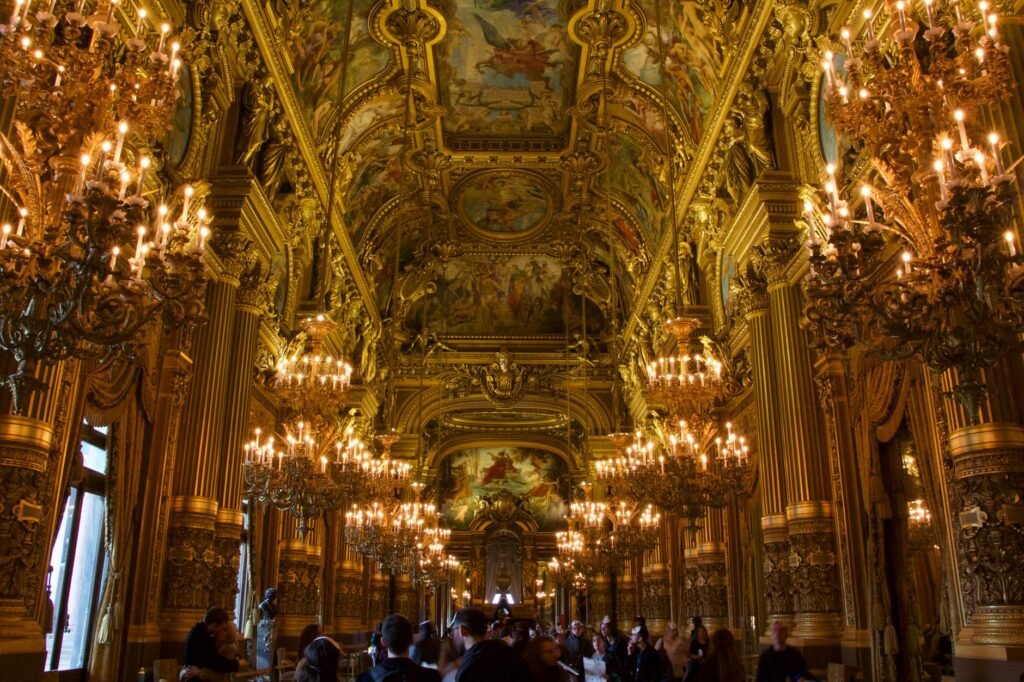
One of the most striking features of the Royal Opera House is its grand façade, characterized by a magnificent portico and large glass windows that invite natural light into the lobby. The entrance is adorned with intricate carvings and sculptures, reflecting the artistic heritage of the building. As you step inside, you are greeted by a stunning foyer that showcases a blend of marble and wood finishes, creating an inviting atmosphere.
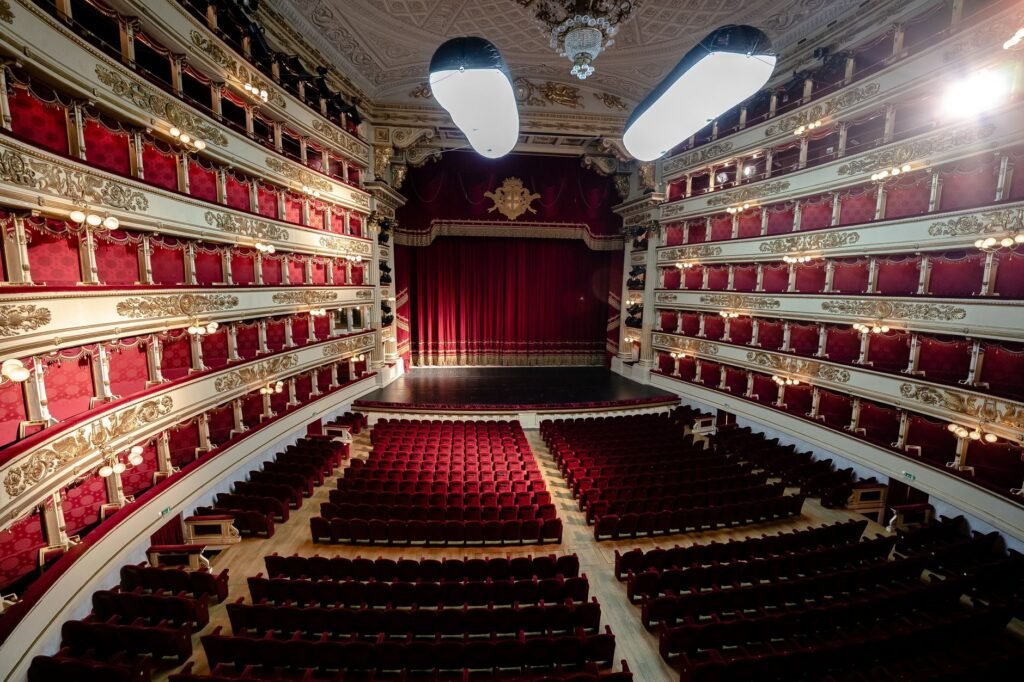
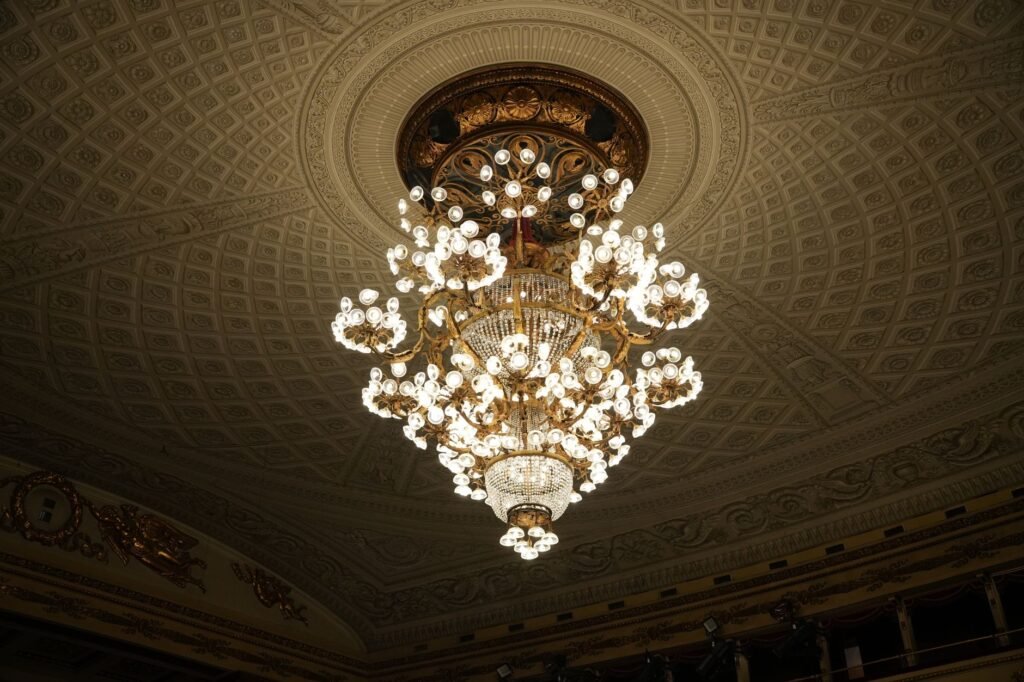
Visitors often remark on the breathtaking views of the auditorium, where the combination of plush red seats and ornate chandeliers creates an atmosphere of opulence. The design of the auditorium is not just visually appealing; it is also acoustically engineered to provide an exceptional sound experience for the audience. The Royal Opera House is not just a place to watch performances; it is a work of art in itself.
Captivating Performances Throughout the Year
The Royal Opera House hosts a diverse range of performances throughout the year, making it a vibrant hub for culture and entertainment. The season typically features operas, ballets, and other theatrical performances, showcasing both classic and contemporary works. Audiences can expect to see renowned artists and companies taking the stage, delivering unforgettable performances that resonate deeply.
Some of the most popular productions include classics like “Carmen” and “Swan Lake,” which draw large crowds eager to experience the magic of these timeless tales. The Royal Ballet, known for its exceptional talent and artistry, often presents new choreographies alongside traditional ballets, offering a fresh perspective on beloved stories.
In addition to scheduled performances, the Royal Opera House hosts special events and festivals, allowing visitors to engage with the arts in unique ways. These events often feature behind-the-scenes tours, workshops, and discussions with artists, providing a deeper understanding of the creative process involved in producing world-class performances.
Visitor Experience at the Royal Opera House
Planning a visit to the Royal Opera House involves more than just attending a performance; it is an opportunity to immerse yourself in a cultural experience. Before heading to the venue, it is advisable to check the schedule for upcoming performances and book tickets in advance, as popular shows often sell out quickly.
Upon arrival, visitors can take advantage of guided tours that provide insights into the history and architecture of the building. These tours typically last around an hour and offer a fascinating look at areas of the house that are not accessible during performances, such as the backstage and rehearsal spaces.
In addition to the performances and tours, the Royal Opera House features several dining options, ranging from casual cafés to fine dining restaurants. Visitors can enjoy a meal or a drink in the elegant surroundings before or after a show. The ambiance of the venue adds to the overall experience, making it a perfect outing for a special occasion or a cultural day out.
Exploring the Surrounding Area
The Royal Opera House is situated in Covent Garden, an area renowned for its lively atmosphere and rich history. Before or after your visit, take some time to explore the nearby attractions, shops, and restaurants. Covent Garden Market is a must-see, offering a variety of artisan shops, street performances, and unique dining options.
Visitors can also stroll through the picturesque streets lined with historic buildings and enjoy the vibrant street life. Numerous artists and performers regularly showcase their talents, adding to the charm of the area. The Royal Opera House is conveniently located near other cultural landmarks, such as the London Transport Museum and the National Gallery, making it easy to plan a full day of exploration.
If you’re interested in a more leisurely experience, consider taking a guided walking tour of Covent Garden. These tours often include stops at significant historical sites and hidden gems, providing a comprehensive understanding of the area’s culture and heritage.
Tips for Maximizing Your Visit
To ensure a memorable experience at the Royal Opera House, consider these practical tips:
- Book Tickets Early: Popular performances can sell out quickly, so it’s wise to book your tickets in advance.
- Dress Code: While there is no strict dress code, many visitors choose to dress smartly for a night at the opera.
- Arrive Early: Give yourself enough time to explore the venue, grab a drink, and find your seat before the performance begins.
- Check for Discounts: Look for special offers or discounts on tickets, especially if you are a student, a senior, or part of a group.
- Photography Rules: Be mindful of photography restrictions during performances; however, you can take photos during the intermission.
Behind the Scenes: The Magic of Production
The Royal Opera House is not just a venue for spectacular performances; it is also a hub for the intricate and often unseen work that goes into putting on a show. Understanding the behind-the-scenes processes can enhance your appreciation for the artistry of opera and ballet.
Stagecraft: The Art of Set Design
Set design is a vital component of any production, transforming the stage into diverse environments that support the narrative. The Royal Opera House employs talented set designers who meticulously plan and create every detail to ensure that the visual aesthetic aligns with the story being told.
From grand castles to intimate living rooms, set design encompasses a wide range of styles and techniques. Designers often utilize a combination of traditional craftsmanship and modern technology, including digital projections and advanced materials, to create immersive experiences for the audience.
- Collaboration with directors and choreographers
- Use of scale models for planning
- Incorporation of audience sightlines in design
Costume Design: Dressing the Characters
Costumes play an essential role in bringing characters to life on stage. The Royal Opera House features a dedicated team of costume designers and makers who work closely with the production team to ensure that every outfit reflects the character’s personality and the time period of the piece.
Each costume undergoes a detailed design process, including sketches, fabric selection, and fittings. The costumes must not only be visually stunning but also functional, allowing performers to move freely and expressively. This intricate process can take weeks or even months, depending on the production’s scale.
- Researching historical accuracy
- Handmade versus machine-made garments
- Repurposing costumes for sustainability
Technical Aspects: Lighting and Sound
The technical elements of a performance, such as lighting and sound design, are crucial for creating the right atmosphere. At the Royal Opera House, experienced technicians work tirelessly to ensure that every performance runs smoothly and that the audience enjoys an optimal experience.
Lighting can dramatically change the mood of a scene, highlighting specific actions or emotions. Sound design is equally important, as it balances the acoustics of the venue with the performers’ voices and orchestral music, ensuring clarity and richness in every note.
- Types of lighting used (spotlights, backlighting)
- Sound amplification techniques
- Integration of technology in productions
The History of the Royal Opera House: A Timeline
The Royal Opera House has a rich history that dates back to the 18th century. Understanding its past can provide context to its present-day status as one of the world’s leading opera houses.
Founding and Early Years
The Royal Opera House was originally opened in 1732 as the Covent Garden Theatre, hosting various performances, including opera, ballet, and drama. The venue quickly gained popularity, leading to several renovations and expansions throughout the years. The initial design was the work of architect Edward Shepherd, who envisioned a neoclassical building that reflected the artistic ambitions of the time.
Over the next century, the theatre underwent significant changes, including the introduction of gas lighting and the establishment of the Royal Ballet in 1931, which further cemented its reputation as a premier cultural institution.
- 1732: Covent Garden Theatre opens
- 1847: Major renovation and expansion
- 1931: Establishment of the Royal Ballet
World Wars and Rebuilding
The Royal Opera House faced significant challenges during both World Wars, leading to temporary closures and a shift in programming. However, the resilience of the institution led to a robust rebuilding phase post-World War II. The theatre was extensively renovated in the 1960s, with a new roof and modern facilities added to enhance the audience experience.
The rebuilding efforts were not just about physical improvements; they also focused on revitalizing the artistic vision of the Royal Opera House, leading to bold programming choices that included contemporary works alongside classical repertoire.
- 1914-1918: Impact of World War I
- 1939-1945: Impact of World War II
- 1960s: Major renovations and artistic renewal
Modern Era and Cultural Significance
In the late 20th century and early 21st century, the Royal Opera House continued to evolve, embracing new technologies and diverse programming. The introduction of live broadcasts and screenings has allowed performances to reach a global audience, making the art form accessible to many who cannot attend in person.
The Royal Opera House has also been at the forefront of promoting diversity and inclusion in the arts, actively seeking to showcase underrepresented voices and stories. This commitment to cultural relevance ensures that it remains a vital part of the contemporary arts landscape.
- 1990s: Introduction of live broadcasts
- 2000s: Focus on diversity and inclusion
- 2020s: Continued innovation in programming
The Culinary Experience at the Royal Opera House
Dining at the Royal Opera House is an experience in itself, offering a range of options that cater to different tastes and budgets. Whether you’re looking for a pre-show meal or a post-performance treat, the culinary offerings at the venue are designed to enhance your visit.
Dining Options on Site
The Royal Opera House features several dining establishments that provide a variety of cuisine. From casual cafés to elegant restaurants, there is something for every palate. The main restaurant, which offers fine dining, is known for its seasonal menu that highlights fresh, local produce.
Additionally, there are more casual options, such as a café and bar, where patrons can enjoy lighter fare or beverages before or after a performance. Reservations are recommended for the restaurant, especially during peak seasons.
- Fine dining restaurant with seasonal menus
- Café offering light snacks and drinks
- Bar with a selection of wines and cocktails
Culinary Events and Special Menus
Throughout the year, the Royal Opera House hosts special culinary events that pair dining with performances. These events often feature themed menus that reflect the opera or ballet being performed, providing a unique dining experience that immerses guests in the evening’s artistic theme.
Additionally, the venue hosts masterclasses and workshops led by renowned chefs, offering food enthusiasts the chance to learn from the best while enjoying the ambiance of the opera house.
- Themed dining events tied to performances
- Workshops and masterclasses with chefs
- Exclusive tasting menus for special occasions
Exploring Nearby Culinary Gems
The Royal Opera House is located in Covent Garden, an area rich with dining options beyond the venue itself. Visitors can explore a wide range of restaurants, cafes, and bars within walking distance, offering everything from international cuisine to traditional British fare.
Some popular nearby dining spots include casual eateries, upscale restaurants, and vibrant markets, providing an array of choices for pre- or post-show dining. Exploring the culinary scene in Covent Garden can add another layer of enjoyment to your visit.
- Variety of cuisines available (Italian, Asian, British)
- Popular markets with street food options
- Quaint cafes perfect for a coffee break
Frequently Asked Questions
What are the opening hours of the Royal Opera House?
Opening hours vary depending on performance schedules. Generally, the box office opens in the late morning and remains open until the start of the last performance of the day. It’s best to check the official website for specific times.
Can I take photos inside the Royal Opera House?
Photography is allowed in certain areas of the Royal Opera House, such as the foyer and during intermissions. However, taking photos during performances is prohibited to respect the artists and audience members.
Are there dining options available at the Royal Opera House?
Yes, the Royal Opera House has a variety of dining options, from casual cafés to fine dining restaurants, which are perfect for enjoying a meal before or after a performance.
How can I get to the Royal Opera House?
The Royal Opera House is easily accessible via public transportation. The nearest underground stations are Covent Garden and Leicester Square. Numerous bus routes also service the area, making it convenient to reach the venue from various parts of London.
The Bottom Line
The Royal Opera House is a cultural gem in London, offering visitors a unique blend of historical architecture and world-class performances. Through stunning photos, we have explored its beauty, the variety of shows, and the overall visitor experience. Whether you are an opera enthusiast or simply looking for a memorable outing, the Royal Opera House promises an enchanting experience that celebrates the performing arts.