Key Takeaways
- Mammoth Cave is the world's longest cave system.
- Various tours cater to all levels of adventure.
- Numerous outdoor activities available in the park.
- Practical tips ensure a safe and enjoyable visit.
Mammoth Cave National Park, located in central Kentucky, is a UNESCO World Heritage site known for its extensive cave system and rich biodiversity. The park encompasses over 52,000 acres of lush woodlands, rivers, and, of course, the remarkable Mammoth Cave itself. This destination is perfect for families, adventure seekers, and nature lovers alike.
As the longest cave system in the world, Mammoth Cave features over 400 miles of explored passages, with more being discovered each year. The park offers a variety of tours tailored to different interests and abilities, making it accessible to everyone from casual visitors to seasoned spelunkers.
This guide will provide you with everything you need to know about visiting Mammoth Cave National Park, including tour options, outdoor activities, practical travel tips, and insights into the park’s unique ecosystem. Prepare for an adventure that blends natural beauty with fascinating geological history!
Getting to Mammoth Cave National Park
Mammoth Cave National Park is conveniently located near major highways, making it easily accessible for travelers. The closest large city is Bowling Green, approximately 30 miles away, while Nashville, Tennessee, is about 90 miles to the south. Here are a few options for getting to the park:
- By Car: The park is just off Interstate 65, with exits leading directly to the visitor center. GPS devices and online maps can guide you accurately.
- By Bus: Several bus services operate routes to nearby towns. From there, you can rent a car or use local taxi services to reach the park.
- By Air: The nearest airports are Nashville International Airport and Louisville International Airport. Both are about a two-hour drive from the park.
Once you arrive, parking is available at the visitor center and other designated areas throughout the park. Be sure to check for any fees or permits required for parking.
Tour Options at Mammoth Cave
Mammoth Cave National Park offers a wide range of cave tours that vary in length, difficulty, and focus. Here’s a breakdown of some popular options:
- Historic Tour: This tour lasts about two hours and takes you through the cave’s historic sections, showcasing its human history and unique formations.
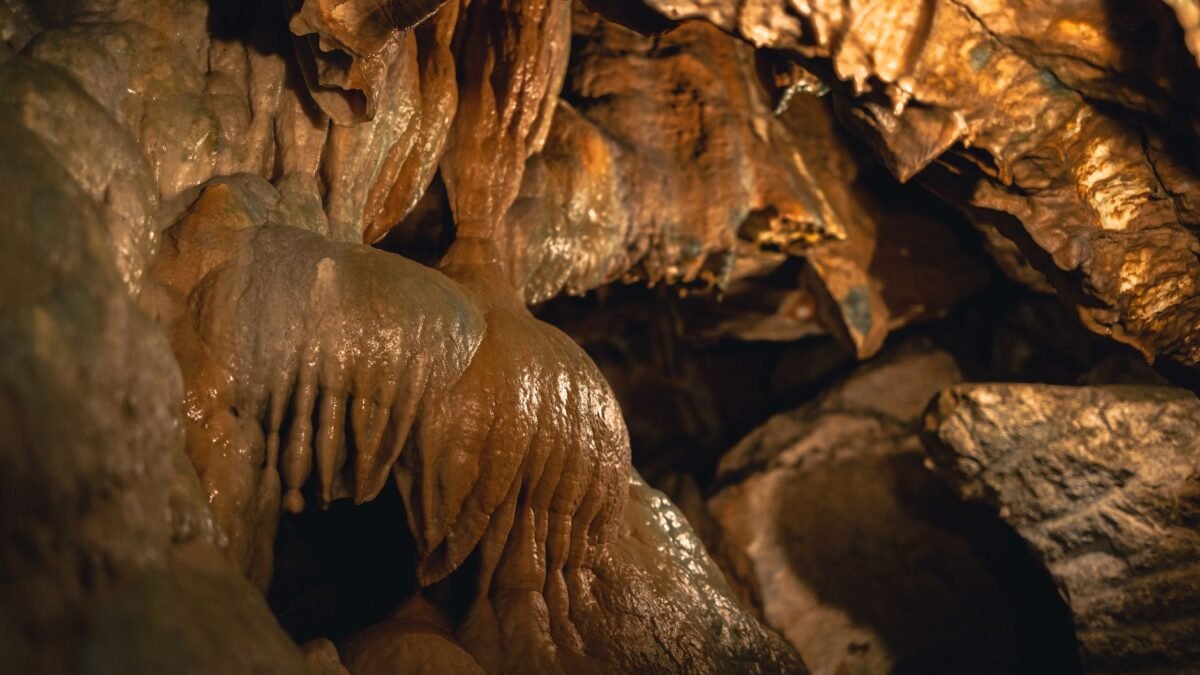
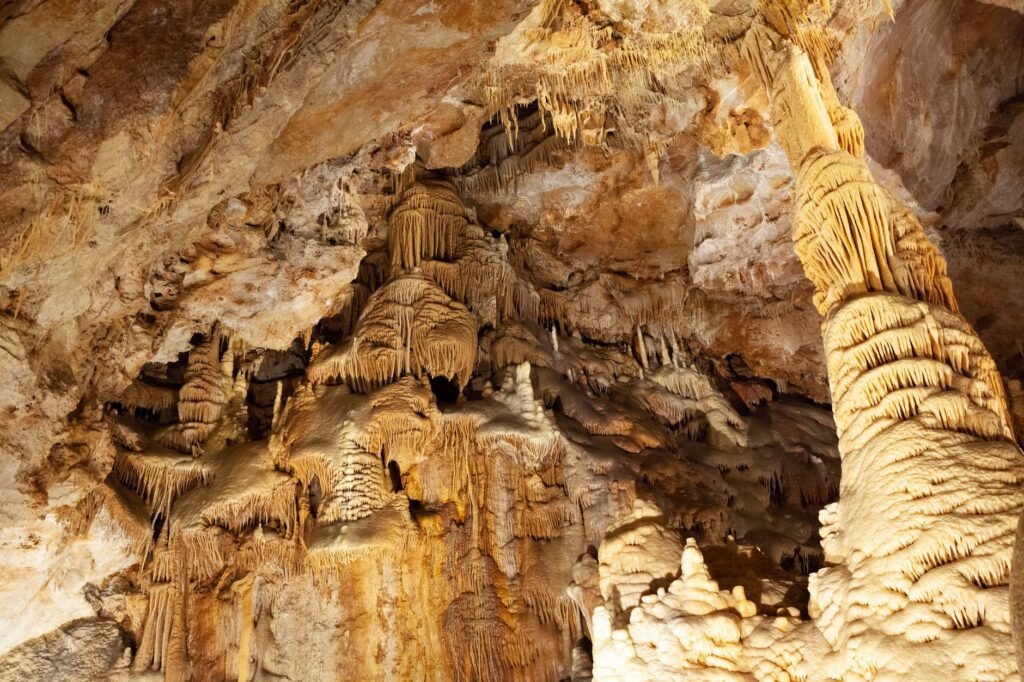
- Frozen Niagara Tour: A shorter, more accessible tour that highlights stunning formations resembling a frozen waterfall. Ideal for families and those with mobility challenges.
- Wild Cave Tour: For the adventurous, this tour requires crawling and climbing through undeveloped areas of the cave. Advance reservations are recommended due to limited spots.
- River Styx Tour: A fascinating tour that includes a boat ride on the underground River Styx, offering a different perspective of the cave’s beauty.
Reservations are highly recommended, especially during peak seasons, to secure your spot on the desired tour. Check the park’s official website for the latest information on tour schedules and availability.
Outdoor Activities Beyond the Cave
While the cave is the main attraction, Mammoth Cave National Park offers numerous outdoor activities for visitors to enjoy. Here are some popular options:
- Hiking: The park features over 70 miles of hiking trails, ranging from easy walks to challenging hikes. Trails like the Green River Bluffs Trail offer stunning views of the river and surrounding landscape.
- Canoeing and Kayaking: The Green River runs through the park, providing opportunities for canoeing and kayaking. Rentals are available, and paddling along the serene waters is a great way to experience the park’s natural beauty.
- Wildlife Watching: The park is home to a diverse range of wildlife, including deer, birds, and various plant species. Early mornings or late afternoons are the best times for spotting wildlife.
- Camping: For those wanting to experience the park overnight, there are several campgrounds available. Reservations are recommended, especially during the summer months.
Visiting the park’s trails and waterways provides an excellent opportunity to connect with nature while enjoying the beautiful scenery surrounding Mammoth Cave.
Planning Your Visit
When planning your trip to Mammoth Cave National Park, consider the following tips to maximize your experience:
- Best Time to Visit: The park is open year-round, but spring and fall are ideal for pleasant weather and fewer crowds. Summer can be hot, but it’s also peak season.
- What to Wear: Dress in layers, as temperatures in the cave can be significantly cooler than outside. Sturdy footwear is essential for hiking and cave tours.
- Park Amenities: The visitor center offers restrooms, information, and a gift shop. There are picnic areas available for those wishing to enjoy a meal outdoors.
Check the park’s website for any current conditions or alerts that may affect your visit. Being informed will help ensure a smooth and enjoyable experience.
Understanding the Ecosystem
Mammoth Cave National Park is not just about the caves; it’s also home to a rich and diverse ecosystem. Understanding this environment can enhance your appreciation of the park. Here are some key aspects:
- Geology: The cave is primarily formed from limestone, shaped by the action of water over millions of years. The unique geological features include stalactites, stalagmites, and other formations.
- Biodiversity: The park contains a variety of habitats, from cave ecosystems to forested areas. This diversity supports numerous species, including some that are rare or endangered.
- Conservation Efforts: The park engages in various conservation initiatives to protect its delicate ecosystems. Visitors are encouraged to follow Leave No Trace principles to help preserve the park’s natural beauty.
By learning about the park’s ecology, visitors can better appreciate the importance of preserving such a unique environment.

Safety Considerations
While Mammoth Cave National Park is a wonderful place to explore, it is essential to prioritize safety during your visit. Here are some important safety tips:
- Stay on Designated Trails: To protect both yourself and the park’s ecology, always stick to marked trails and paths. Venturing off-trail can lead to accidents and damage sensitive habitats.
- Stay Hydrated: Bring plenty of water, especially during hikes and outdoor activities. Staying hydrated is crucial for maintaining energy and avoiding heat-related illnesses.
- Watch for Wildlife: While observing wildlife can be a highlight, maintain a safe distance and never feed animals. This ensures both your safety and the well-being of the wildlife.
By following these safety guidelines, visitors can enjoy their time in the park while minimizing risks and protecting the natural environment.
Wildlife Watching in Mammoth Cave National Park
Mammoth Cave National Park is not only renowned for its extensive cave systems but also for its diverse wildlife. The park’s varied habitats provide a home to numerous species, making it an excellent destination for wildlife enthusiasts.
Common Species to Spot
Visitors to Mammoth Cave can encounter a wide range of wildlife. Some of the most frequently seen species include:
- White-tailed deer: Commonly found throughout the park, especially during dawn and dusk.
- Eastern box turtles: Often seen crossing trails or basking in the sun.
- Birds: Look for various species, including red-tailed hawks and pileated woodpeckers.
- Bats: Several species of bats inhabit the caves, playing a crucial role in the ecosystem.
In addition to these, the park is home to a variety of amphibians and reptiles, making it a rich area for biodiversity.
Best Times for Wildlife Viewing
The best times for wildlife watching in Mammoth Cave National Park are during the early morning and late afternoon. Animals are more active during these cooler parts of the day. Spring and fall are particularly good seasons for observing wildlife, as many species are more visible while foraging for food.
During the spring, you may witness the vibrant colors of migrating birds returning to the area. In the fall, the changing foliage creates a picturesque backdrop for viewing wildlife as they prepare for the winter months.

Caving Etiquette and Conservation Practices
When exploring Mammoth Cave, it is essential to follow caving etiquette and conservation practices to protect the natural environment. Understanding how to navigate the caves responsibly ensures that future visitors can enjoy their beauty.
Leave No Trace Principles
Visitors should adhere to Leave No Trace principles to minimize their impact on the environment. Key principles include:
- Plan ahead: Know the routes and regulations before your visit.
- Stay on designated trails: This helps prevent erosion and protects fragile ecosystems.
- Pack out what you pack in: Carry out all trash and food waste.
- Respect wildlife: Observe from a distance and do not feed or disturb any animals.
By respecting these principles, visitors can help preserve the park’s natural beauty and biodiversity.
Guidelines for Cave Tours
When participating in cave tours, there are specific guidelines to ensure the safety of both visitors and the cave environment. Important guidelines include:
- Stay with your guide: Always follow your tour guide’s instructions and stay with the group.
- No flash photography: Flash can disturb wildlife and damage cave formations.
- Do not touch cave formations: Oils from human skin can harm delicate formations like stalactites and stalagmites.
By following these guidelines, visitors can enjoy their experience while helping to protect the cave’s delicate ecosystem.
Exploring the Park’s Historical Significance
Mammoth Cave National Park is steeped in history, with its caves having been used for thousands of years. Understanding the park’s historical context enriches the visitor experience and highlights the cultural significance of the area.
Native American Heritage
The history of Mammoth Cave dates back to the Native American tribes, particularly the prehistoric Indigenous peoples who inhabited the region. Artifacts found in the caves suggest that these early inhabitants used the caves for various purposes, including burial sites and gathering areas.
Today, visitors can learn about this rich cultural heritage through interpretive programs and exhibits offered by the park. Understanding the significance of these ancient peoples enhances the appreciation of the park’s history.
The Development of the Cave as a Tourist Destination
In the 19th century, Mammoth Cave began to attract tourists, leading to its development as a commercial destination. The first public tours started in 1816, showcasing the cave’s stunning formations and extensive passages. This period marked a significant shift in the cave’s use from a natural wonder to a tourist attraction.
Visitors can explore the history of tourism in the caves by visiting the historic areas and learning about the various tour guides who contributed to the cave’s popularity. Many historical structures within the park still stand, offering a glimpse into the past.
Preservation Efforts Over the Years
Preservation efforts at Mammoth Cave have been paramount in maintaining its natural and historical integrity. In 1941, the area became a national park, which helped to protect it from commercial exploitation and environmental degradation. Various conservation initiatives have been implemented to restore and preserve the cave’s ecosystem.
Visitors can support these efforts by participating in park-sponsored volunteer programs, which may include activities like trail maintenance and habitat restoration. Engaging in these programs allows visitors to give back to the park while also enhancing their connection to this remarkable natural wonder.
Frequently Asked Questions
What is the best time of year to visit Mammoth Cave?
The best times to visit Mammoth Cave National Park are during the spring and fall, when temperatures are mild, and the scenery is particularly beautiful.
Are there any fees to enter the park?
There is no entrance fee for Mammoth Cave National Park, but certain tours and activities may have associated costs. Check the park’s website for detailed information.
Can I bring my dog to the park?
Dogs are allowed in designated areas of the park, but they must be leashed at all times. However, pets are not permitted within the cave or on most trails.
Are there accommodations near Mammoth Cave?
Yes, there are various lodging options near the park, including campgrounds, cabins, and nearby hotels. Reservations are recommended, especially during peak seasons.
The Bottom Line
Mammoth Cave National Park is a remarkable destination that offers a unique blend of natural beauty, adventure, and historical significance. With various tours and outdoor activities, there is something for everyone to enjoy. Planning your visit with practical tips and safety considerations will enhance your experience, allowing you to fully appreciate the wonders of this incredible national park.