Key Takeaways
- Discover the vibrant culture and history of Notting Hill.
- Explore must-visit markets, shops, and eateries.
- Find practical tips for navigating the neighborhood.
- Learn about notable events and activities throughout the year.
Notting Hill, a charming district in West London, is renowned for its vibrant culture, colorful houses, and eclectic atmosphere. With a rich history that intertwines with the rise of multiculturalism in London, Notting Hill offers travelers a unique blend of experiences. From its famous film settings to its lively markets, this neighborhood is a must-visit for anyone exploring London.
This insider’s guide will navigate you through Notting Hill’s hidden gems, must-see attractions, and practical tips to make the most of your visit. Whether you are drawn by the allure of the Portobello Road Market or the beauty of the pastel-colored homes, this guide aims to provide you with everything you need for an unforgettable experience.
As you walk through the streets of Notting Hill, be prepared to encounter lively street art, quaint boutiques, and a variety of eateries that reflect the diverse culture of the area. Let’s explore what this vibrant neighborhood has to offer!
Exploring Portobello Road Market
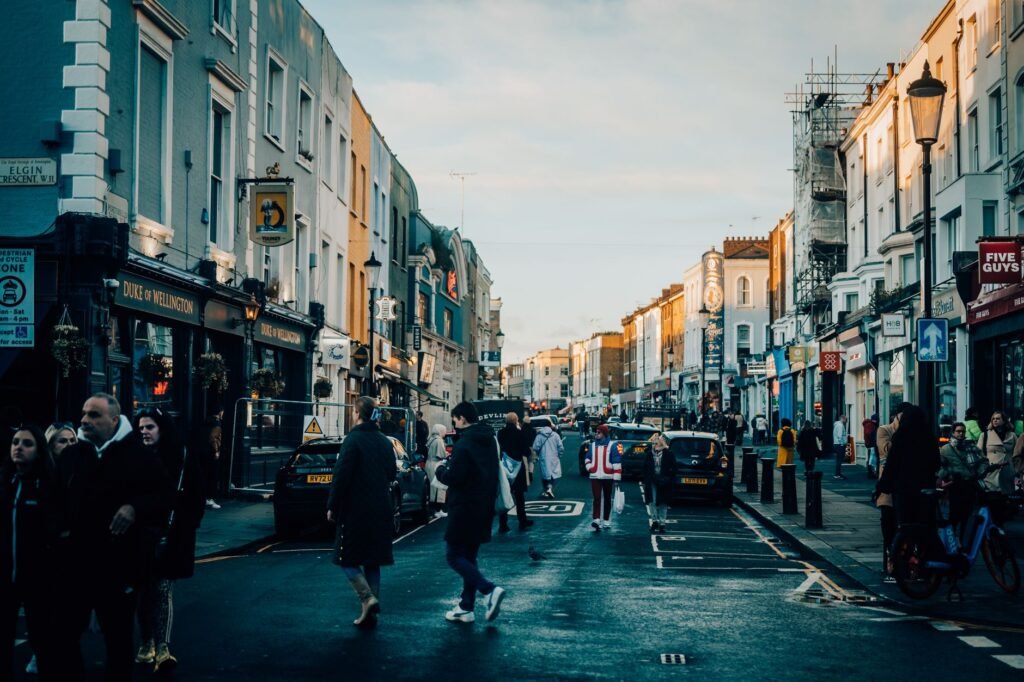
Portobello Road Market is one of the most iconic attractions in Notting Hill. Opened in the 19th century, it has transformed from a simple street market into a bustling hub of antiques, food, and fashion. The market is open throughout the week, with the busiest day being Saturday when vendors line the street, showcasing their goods.
Each section of the market has its own unique flavor. On Fridays and Saturdays, you can find the antiques section filled with vintage treasures, from jewelry to furniture. Food lovers will appreciate the diverse culinary offerings, ranging from fresh produce to international street food. Make sure to try some local specialties, such as jerk chicken or artisanal pastries.
While the market can get crowded, particularly on weekends, it’s worth taking the time to explore the side streets and alleys where you can find independent shops and cafes that offer a quieter experience. Consider visiting early in the morning to avoid the crowds and enjoy a more leisurely shopping experience.
Discovering Notting Hill’s Colorful Streets
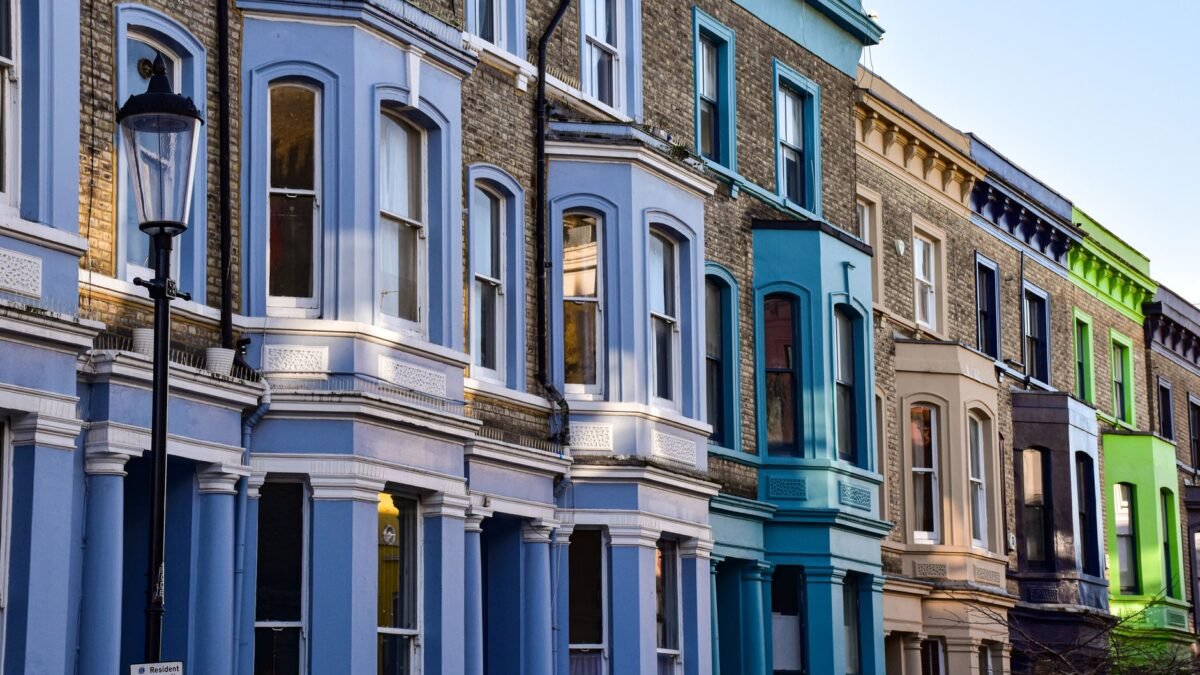
Notting Hill is famous for its picturesque streets lined with colorful Victorian houses. A stroll through these charming streets is a delightful experience that allows you to soak in the local architecture and ambiance. Some of the most photographed streets include Hillgate Place, Lancaster Road, and St. Luke’s Mews.
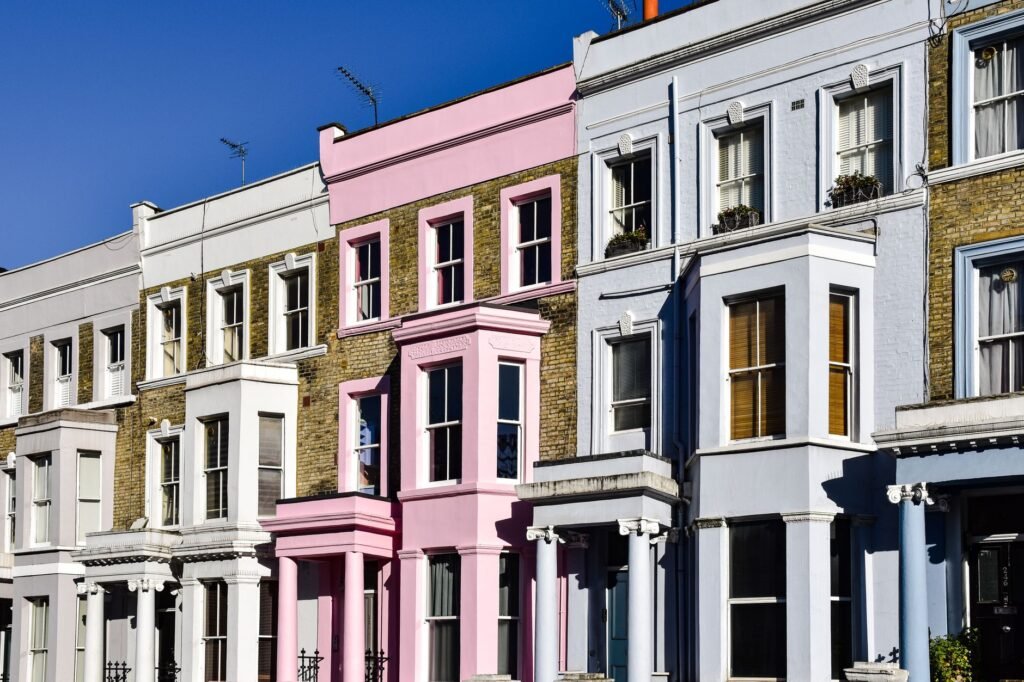
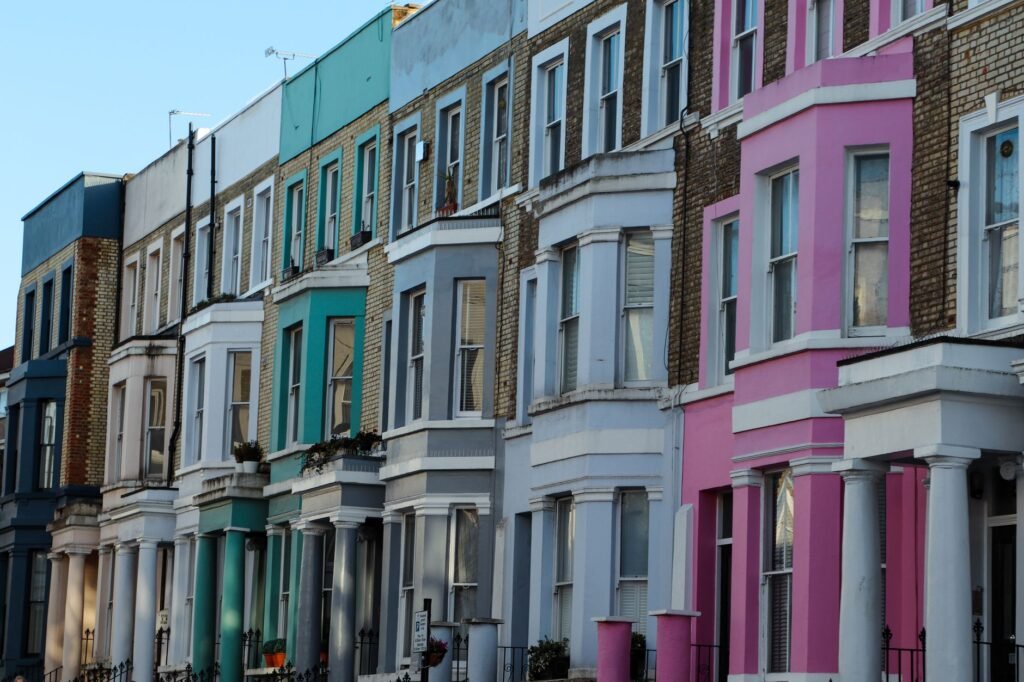
As you wander, keep an eye out for the iconic pastel-colored houses that have become synonymous with Notting Hill. These vibrant facades provide the perfect backdrop for photos and are a testament to the neighborhood’s artistic spirit. Additionally, many of the streets boast beautiful gardens and floral displays that enhance the area’s charm.
To make the most of your walking tour, consider downloading a local map or using a walking tour app that highlights notable landmarks and the history behind them. You might discover hidden gems, such as small parks and art installations, that are off the beaten path.
Dining in Notting Hill
Notting Hill is home to a diverse culinary scene that reflects its multicultural heritage. From upscale dining to casual eateries, there’s something for every palate. Start your day with brunch at a local café, where you can enjoy classic English breakfast dishes or trendy avocado toast.
For lunch, head to the market stalls for some street food, or visit one of the many restaurants offering international cuisine. Notable spots include:
- Dishoom: A Bombay-style café known for its delicious Indian cuisine.
- The Electric Diner: A stylish diner serving classic American dishes and comfort food.
- Granger & Co: A popular brunch spot that’s famous for its pancakes and bright interiors.
Dinner options range from cozy pubs to fine dining establishments. Consider booking a table in advance, especially for popular restaurants, to ensure you get a spot.
Notting Hill’s Cultural Events
The cultural landscape of Notting Hill is vibrant, with numerous events taking place throughout the year. One of the most famous events is the Notting Hill Carnival, held annually over the August bank holiday. This vibrant celebration of Caribbean culture features colorful parades, live music, and mouth-watering food stalls.
In addition to the carnival, Notting Hill hosts various film screenings, art exhibitions, and music festivals. The area is particularly known for its contributions to the arts, with local galleries showcasing works from both established and emerging artists. If you’re a film buff, don’t miss the chance to visit the Notting Hill Film Festival, which celebrates independent cinema.
Check local listings and community boards for updates on events during your visit. Engaging with the local culture is a wonderful way to connect with the community and experience the neighborhood’s vibrant spirit.
Shopping in Notting Hill
Shopping in Notting Hill presents a delightful mix of high-end boutiques, vintage shops, and unique independent stores. The area is particularly known for its selection of antiques and vintage fashion, making it a haven for shoppers looking for something special.
Some notable shopping spots include:
- Portobello Road Market: As mentioned, this market is a treasure trove for vintage finds and unique items.
- Books for Cooks: A charming bookshop specializing in cookbooks, with a small café serving delicious dishes made from the recipes in the books.
- Wanderlust: A boutique offering handcrafted home goods and artisan products from around the world.
For those who enjoy a more upscale shopping experience, head to Westbourne Grove, where you’ll find designer shops and trendy boutiques. It’s a great area for window shopping and discovering the latest fashion trends.
Transportation and Getting Around
Notting Hill is well-connected to the rest of London through public transportation. The London Underground serves the area with several tube stations, including Notting Hill Gate and Ladbroke Grove, making it easy to navigate to other parts of the city.
When traveling within Notting Hill, walking is often the best way to explore. The neighborhood is compact and pedestrian-friendly, allowing you to take in the sights at a leisurely pace. Biking is also a popular option, with several bike rental services available throughout the area.
For those who prefer to use taxis or rideshare apps, they are readily available and can be a convenient way to travel, particularly in the evenings when public transport may be less frequent.
Accommodation Options in Notting Hill
Notting Hill offers a range of accommodation options to suit various budgets and preferences. From luxury hotels to charming guesthouses, there’s something for everyone. If you prefer a boutique experience, consider staying at one of the stylish hotels that reflect the neighborhood’s character.
For budget-conscious travelers, there are also hostels and budget hotels available. Staying in Notting Hill allows you to immerse yourself in the local culture while being close to attractions. Here are a few recommended places:
- The Laslett: A boutique hotel that combines modern design with a nod to local history.
- Notting Hill Hostel: A budget-friendly option that offers a social atmosphere.
- Portobello Hotel: A charming hotel with a rich history and unique decor.
When choosing accommodation, consider your travel dates, as prices can vary significantly based on the season and local events.
Art and Creativity: Local Galleries and Studios
Exploring Notting Hill’s Art Scene
Notting Hill is renowned for its vibrant art scene, featuring a mix of established and emerging artists. The area boasts several independent galleries that showcase a diverse range of artworks, from contemporary pieces to traditional paintings. A visit to these galleries not only offers a chance to appreciate art but also provides insight into the cultural heartbeat of the neighborhood.
One notable gallery is the Graffik Gallery, which focuses on urban art and street culture. It regularly hosts exhibitions featuring local and international artists, making it a must-visit for art enthusiasts. The gallery also offers workshops and events, allowing visitors to engage with the creative community.
Another gem is the Hummingbird Bakery, which doubles as a gallery space, showcasing local artists’ work while serving delicious baked goods. This unique concept not only supports local talent but also creates a welcoming environment for art lovers and casual visitors alike.
Art Walks and Tours
For those looking to dive deeper into Notting Hill’s artistic offerings, consider joining an art walk or guided tour. Local experts often lead these tours, highlighting the stories behind the artworks and the artists themselves. One popular option is the Notting Hill Art Walk, which takes participants through various galleries and street art locations, providing context and history along the way.
- Participate in a guided tour to learn about the history of Notting Hill’s art scene.
- Visit during the annual Notting Hill Arts Festival for a special showcase of local talent.
- Check out pop-up galleries and art installations that frequently appear in the area.
Supporting Local Artists
As a visitor, you can play a role in supporting the local arts community. Many galleries offer artwork for sale, ranging from affordable prints to unique sculptures. Purchasing directly from artists not only helps them financially but also allows you to take home a piece of Notting Hill’s vibrant culture.
Additionally, look for local craft fairs and artisan markets that often pop up around the neighborhood. These events feature handmade goods and original artworks, providing an excellent opportunity to meet artists and learn about their creative processes.
Nature and Green Spaces: Parks and Gardens in Notting Hill
Discovering Local Parks
Despite its bustling streets, Notting Hill is home to several tranquil parks and gardens that provide a peaceful retreat from the urban hustle. Holland Park is one of the largest green spaces in the area, offering beautifully landscaped gardens, woodlands, and even a small wildlife area. Visitors can enjoy a leisurely stroll, relax on the grass, or explore the stunning Kyoto Garden, which features a waterfall, koi pond, and traditional Japanese landscaping.
Another lovely spot is St. Luke’s Gardens, a quaint community park surrounded by Victorian architecture. This hidden gem is perfect for a quiet afternoon, complete with benches for reading and a children’s play area for families. The park’s charming atmosphere makes it a great place to unwind with a coffee from a nearby café.
Activities in the Parks
Notting Hill’s parks offer a variety of activities for visitors of all ages. Whether you’re interested in sports, relaxation, or family fun, there’s something for everyone. Here are a few popular options:
- Join a yoga class in Holland Park during the warmer months.
- Take part in organized sports like tennis or football in local park facilities.
- Bring a picnic and enjoy the serene surroundings with friends or family.
Community Gardens and Urban Farming
In recent years, Notting Hill has embraced the concept of urban gardening, with several community gardens sprouting up throughout the area. These gardens not only provide fresh produce but also serve as communal spaces where locals can come together to learn about sustainable practices. One noteworthy project is the Notting Hill Community Farm, which offers workshops on gardening, cooking classes, and opportunities for volunteers to get their hands dirty.
Visiting these community gardens is a fantastic way to engage with the local community and understand the importance of sustainability in urban settings. Many gardens also host seasonal events, such as harvest festivals, where visitors can sample fresh produce and participate in family-friendly activities.
Historical Insights: Architectural Highlights and Local History
Notting Hill’s Architectural Styles
Notting Hill is a treasure trove of architectural diversity, showcasing styles ranging from Victorian terraced houses to modern developments. Walking through the streets, you will encounter colorful row houses, many of which date back to the 19th century and are adorned with intricate details. The area’s architecture reflects its rich history and transformation over the years.
One iconic structure is the Tabernacle, a former church that has been converted into a vibrant arts and community venue. Not only does it host performances and events, but its stunning architecture is a sight to behold. Another notable building is the Notting Hill Methodist Church, known for its unique façade and historical significance.
Historical Landmarks
Exploring Notting Hill’s history can be fascinating, particularly through its landmarks. The Notting Hill Carnival is a significant cultural event that celebrates the area’s Caribbean heritage. Each August, the streets come alive with vibrant costumes, music, and dance, reflecting the community’s rich cultural tapestry.
- Visit Hillgate Village, a hidden enclave that showcases charming architecture and quaint streets.
- Learn about the area’s history at the Notting Hill Community Library, which houses historical archives and hosts local history events.
- Take a self-guided walking tour to discover blue plaques that commemorate notable figures associated with Notting Hill.
Local Stories and Anecdotes
The history of Notting Hill is woven with stories of resilience and community. From its transformation in the 1960s and 70s to its current status as a trendy neighborhood, the tales of local residents are integral to understanding its character. Engaging with locals or visiting community centers can provide personal insights and anecdotes that enhance your experience.
Consider attending local storytelling events or lectures at community centers, where residents share their experiences and the history of the area. These events often foster a sense of connection and provide a deeper appreciation for the neighborhood’s evolution.
Frequently Asked Questions
What is the best time to visit Notting Hill?
The best time to visit Notting Hill is during the summer months when the weather is pleasant, and outdoor events and festivals are in full swing. However, if you prefer quieter visits, consider going in the shoulder seasons of spring or autumn.
Are there any free attractions in Notting Hill?
Yes, many of Notting Hill’s attractions, such as the colorful streets and Portobello Road Market, are free to explore. Additionally, several parks in the area offer beautiful green spaces to relax in.
How do I get to Notting Hill from central London?
You can reach Notting Hill easily via the London Underground. The Central Line and Circle Line both serve the area, with Notting Hill Gate Station being the most central point.
Is it safe to walk around Notting Hill at night?
Notting Hill is generally considered safe for walking at night, especially in well-lit areas. However, as with any urban area, it’s advisable to stay aware of your surroundings and avoid poorly lit streets.
The Bottom Line
Notting Hill is a vibrant, culturally rich neighborhood that offers a unique blend of attractions, dining, and local experiences. Whether you’re exploring the bustling Portobello Road Market, admiring the colorful streets, or engaging with the community during local events, there’s plenty to see and do. With this insider’s guide, you are well-equipped to navigate Notting Hill and make the most of your visit.