Key Takeaways
- Favelas offer vibrant culture and unique experiences.
- Safety varies; choose guided tours for security.
- Respect local customs and engage with the community.
- Photographic opportunities abound but be cautious.
Understanding Brazil’s Favelas
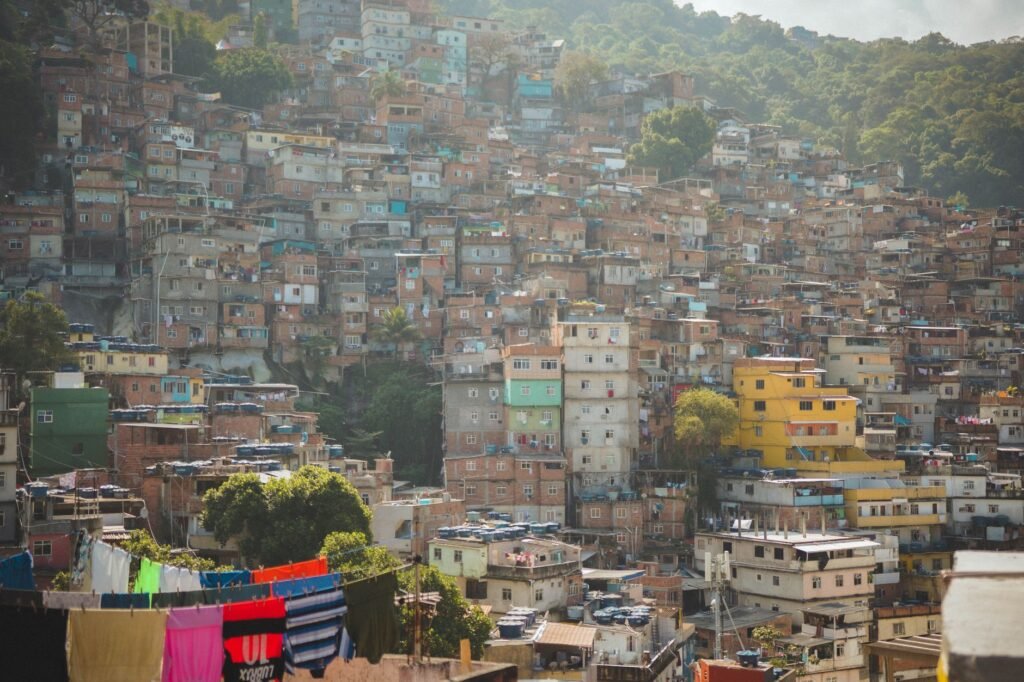
Brazil’s favelas, often depicted in the media as chaotic and dangerous, are actually vibrant communities full of culture, resilience, and creativity. These informal settlements arise from various socio-economic factors, including rapid urbanization and inadequate housing. While favelas can have challenges, they also feature a rich tapestry of life, making them a significant part of Brazil’s urban landscape.
Travelers are increasingly interested in exploring these areas through guided tours that help them gain insights into local life without compromising safety. By understanding the complexities of favelas, visitors can appreciate their unique charm and contributions to Brazilian culture.
When planning a visit, it’s essential to approach favelas with respect and an open mind. Engaging with the community and learning about their experiences can provide a deeper connection to the culture. This guide offers essential tips and insights for travelers interested in exploring Brazil’s favelas.
Safety Considerations
Safety is a top concern when visiting favelas. While many areas are relatively safe, crime can be prevalent in some parts, and conditions can be unpredictable. Therefore, it is crucial to exercise caution and prepare adequately before your visit.
Choosing the Right Tour
Opting for a guided tour is one of the safest ways to explore favelas. Reputable tour companies employ local guides who know the area and can provide insights on where to go and what to avoid. These guides often have established relationships within the community, which can enhance your experience and help you navigate safely.
General Safety Tips
- Avoid displaying valuables like jewelry and expensive cameras.
- Stay in well-populated areas and avoid wandering into less familiar parts alone.
- Be aware of your surroundings and trust your instincts.
- Travel in groups whenever possible, as this can deter unwanted attention.
While engaging with the local community, be mindful of their space and privacy. It’s respectful to ask permission before taking photographs, as some residents may not wish to be photographed.

Cultural Insights
Favelas are not just places of poverty; they are vibrant communities filled with art, music, and a sense of belonging. Understanding the cultural significance of favelas can enhance your visit.
Art and Expression
Street art is abundant in favelas. Many artists use walls as canvases to express their thoughts, reflect social issues, and promote community pride. Participating in street art tours can provide insight into the messages behind the artwork and the artists’ backgrounds.
Community and Social Structure
Favelas often have a strong sense of community, as residents work together to support one another. This social structure can be seen in local events, such as street festivals and community projects. Engaging with local initiatives can be a rewarding experience and allows travelers to contribute positively to the community.
Local Cuisine
Food is a vital part of Brazilian culture, and favelas often have unique culinary offerings. From street food stalls to small family-run restaurants, you can find delicious traditional dishes like feijoada and pão de queijo. Sampling local food not only satisfies your palate but also supports the local economy.
Things to Do in Favelas
Exploring favelas offers various activities that allow travelers to immerse themselves in local culture and traditions. Here are some recommended things to do:
Guided Community Tours
These tours typically include visits to significant landmarks, local businesses, and cultural sites within the favela. Participants can learn about the history, challenges, and triumphs of the community. Choose tours that prioritize ethical engagement and support local residents.
Workshops and Classes
Many favelas host workshops where visitors can learn about traditional crafts, dance, or cooking. Participating in such classes can provide a hands-on experience of local culture and foster connections with residents. Options may include:
- Samba dance lessons
- Capoeira classes
- Cooking classes featuring local recipes
Attend Local Events
Check local calendars for events such as festivals, markets, or performances. Engaging with the community during these occasions can create memorable experiences and highlight the vibrant culture of favelas.
Environmental and Social Challenges
While favelas are rich in culture, they also face significant challenges, including inadequate infrastructure, lack of basic services, and social inequality. Understanding these issues can foster empathy and appreciation for the resilience of residents.
Infrastructure Issues
Many favelas struggle with poor infrastructure, including limited access to clean water, sanitation, and reliable electricity. These challenges can affect daily life and health outcomes for residents. Engaging with local NGOs that work to improve these conditions can be an impactful way to contribute during your visit.
Social Inequality
Favelas are often stigmatized and associated with crime and violence. However, they are also places of innovation and community spirit. By supporting local businesses and initiatives, travelers can help combat these stereotypes and promote positive change.
Community Resilience
Despite facing numerous challenges, many favela communities show incredible resilience. Local organizations often work tirelessly to provide education, health services, and job training. Learning about these initiatives can provide insight into how communities are overcoming adversity.
Respectful Engagement with Local Communities
When visiting favelas, it’s essential to approach interactions with respect and sensitivity. Here are some guidelines to ensure a positive experience for both you and the community:
Be Mindful of Cultural Differences
Familiarize yourself with local customs and traditions. Being aware of cultural differences can help you navigate social interactions respectfully. Simple gestures, such as greeting people politely, can go a long way.
Avoiding Stereotypes
Be aware of the stereotypes often associated with favelas and challenge them in your conversations. Engage with locals to understand their perspectives and share their stories positively.
Support Local Businesses
Choose to spend money at local shops, restaurants, and markets instead of international chains. This not only supports the community economically but also creates more authentic experiences.
Transportation Options in Favelas
Public Transport Accessibility
Transportation in and around the favelas can be challenging due to the steep hills and narrow alleyways. However, many favelas are well-connected to the broader city via public transport. Buses often run near the entrance of the favela, providing an affordable means for residents and visitors to access other parts of the city. It’s important to check local transport schedules as they may vary, especially during holidays or weekends.
Additionally, some favelas have established informal taxi services or moto-taxis, which are motorcycle taxis that can navigate the tight streets more easily than traditional cars. These services might not be regulated, so it’s advisable to agree on a fare before starting your journey.
Walking Tours and Local Guides
One of the best ways to explore the favelas is on foot, accompanied by a local guide. Walking tours can provide deeper insights into the daily lives of residents and the history of the community. Local guides often share personal stories and anecdotes that bring the experience to life, helping visitors understand the socio-economic dynamics of the area.
While many walking tours are safe, it’s essential to choose reputable companies that prioritize safety and community engagement. Visitors should always check reviews and ensure the guides are familiar with the area. Here are a few things to consider when joining a walking tour:
- Research the tour company beforehand.
- Inquire about the guide’s background and local knowledge.
- Ask about their engagement with the community.
Local Transportation Innovations
In response to transportation challenges, some favelas have implemented innovative solutions. For instance, cable car systems have been introduced in areas like Complexo do Alemão, providing an efficient way to traverse steep inclines and connect residents with public transport hubs. This initiative not only facilitates easier access to jobs and services but also promotes tourism in the area.
Moreover, some neighborhoods have established community-run transport services, which ensure that locals have a reliable means of moving about. Engaging with these services can enhance the visitor experience while supporting local economies.

The Role of Art in Favelas
Street Art and Murals
Art plays a significant role in expressing the culture, struggles, and hopes of favela communities. Street art and murals have become powerful mediums for social commentary and cultural expression. Many artists use their work to address social issues, celebrate local heroes, and beautify their neighborhoods.
Visitors can explore various murals that tell stories of resilience and community pride. Some guided tours focus specifically on street art, allowing travelers to appreciate the creativity and talent within the favelas. It’s advisable to take these tours with local guides who can provide context and background about the artists and their works.
Community Art Projects
In addition to street art, many favelas host community art projects that involve residents in the creative process. These projects often aim to beautify public spaces, promote cultural heritage, and foster community ties. Participating in such initiatives can provide travelers with a unique opportunity to engage with locals in a meaningful way.
Visitors interested in supporting these projects can research local non-profits or community organizations that focus on arts education and workshops. Here are some ways to get involved:
- Participate in art workshops or classes.
- Purchase artwork directly from local artists.
- Donate to community art initiatives.
Supporting Local Artists
Supporting local artists not only helps sustain the creative scene in the favelas but also contributes to the economy. Many artists sell their works directly from studios or during community markets. Engaging with local artists can lead to a more authentic experience and allows travelers to take home unique souvenirs that carry a story.
When purchasing art, it’s beneficial to ask artists about their work and inspiration. This interaction deepens the appreciation for the art and fosters a connection between the traveler and the local culture.
Community Programs and Initiatives
Education and Skill Development
Numerous community programs in favelas focus on education and skill development, aiming to empower residents and provide them with better opportunities. These programs often cater to children and young adults, offering tutoring, vocational training, and various workshops. Travelers can contribute by volunteering their time or donating supplies such as books, computers, or teaching materials.
Some organizations also run after-school programs that include artistic and athletic activities, helping to keep youth engaged and off the streets. Visitors looking to support these initiatives can consider the following:
- Volunteer for tutoring or mentoring sessions.
- Organize or participate in donation drives for educational materials.
- Promote awareness of these programs through social media.
Health and Wellness Initiatives
Health and wellness programs play a crucial role in improving the quality of life for favela residents. Many community organizations focus on providing access to healthcare services, mental health support, and wellness education. Some initiatives offer workshops on nutrition, physical fitness, and preventative health measures.
Travelers interested in supporting health initiatives can do so through donations or by participating in health awareness campaigns. Engaging with local healthcare providers can also provide insights into the unique challenges faced by these communities.
Environmental Sustainability Projects
Environmental sustainability is increasingly becoming a focus in favela development. Numerous projects aim to improve waste management, promote recycling, and enhance green spaces within the community. These efforts not only benefit the environment but also improve living conditions for residents.
Visitors can engage with these projects by participating in community clean-ups or supporting local environmental organizations. Here are a few ways to get involved:
- Join community clean-up events.
- Support local initiatives that promote recycling and waste reduction.
- Learn about sustainable practices and share your knowledge with locals.
Frequently Asked Questions
Are favelas safe to visit?
Safety varies by area, and while many favelas are safe, it’s advisable to take guided tours and follow local advice to ensure a secure experience.
What should I wear when visiting favelas?
Dress modestly and comfortably, avoiding flashy clothing and accessories. This helps you blend in and shows respect for local culture.
Can I take photos in favelas?
While photography is generally allowed, it’s best to ask permission before photographing individuals to respect their privacy.
How can I give back to the community?
Consider volunteering with local organizations or donating to initiatives that support education, health, and community development.
The Bottom Line
Visiting Brazil’s favelas can be an enriching experience that offers insights into local culture, resilience, and community spirit. By approaching these visits with respect, awareness, and an open heart, travelers can create meaningful connections while supporting local initiatives. Understanding the complex realities of favelas allows for a more profound appreciation of Brazil’s diverse urban landscape.