Key Takeaways
- Learn about biodiversity hotspots and their significance.
- Explore activities to enjoy in diverse ecosystems.
- Understand conservation efforts and how to contribute.
- Get practical travel tips for visiting these areas.
The term ‘the most biologically diverse area on the planet’ often points to specific regions that are rich in a variety of life forms, both flora and fauna. These biodiversity hotspots are crucial for ecological balance yet face numerous threats from human activities. Understanding these areas is not just for academic purposes; it is essential for any traveler eager to appreciate the natural world and engage in responsible tourism.
Among the regions recognized for their incredible biodiversity, places like the Amazon Rainforest, the Coral Triangle, and Madagascar stand out. In these locations, travelers can experience ecosystems that boast thousands of species, many of which are unique to these areas. The opportunities for exploration and adventure are abundant, ranging from hiking through dense rainforests to snorkeling in vibrant coral reefs.
This guide aims to provide you with a comprehensive understanding of the most biologically diverse areas on the planet, outlining what makes them so unique, the activities you can engage in, and practical tips for visiting these natural wonders.
Understanding Biodiversity
Biodiversity refers to the variety of life on Earth, including the different species, genetic variations within those species, and the ecosystems they form. High biodiversity is crucial for ecosystem resilience, providing essential services such as clean air and water, pollination of plants, and climate regulation. The more diverse an ecosystem, the better it can adapt to changes, whether they be environmental shifts or human-induced impacts.
There are several key components of biodiversity:
- Species Diversity: Refers to the variety of species within a given area.
- Genetic Diversity: Involves the variations in genes among individuals within a species.
- Ecosystem Diversity: Encompasses the different habitats, communities, and ecological processes.
Each of these components plays a vital role in maintaining the health and sustainability of ecosystems. For example, a diverse set of plant species can support a wider range of animal life, creating a stable and resilient environment.
The Amazon Rainforest
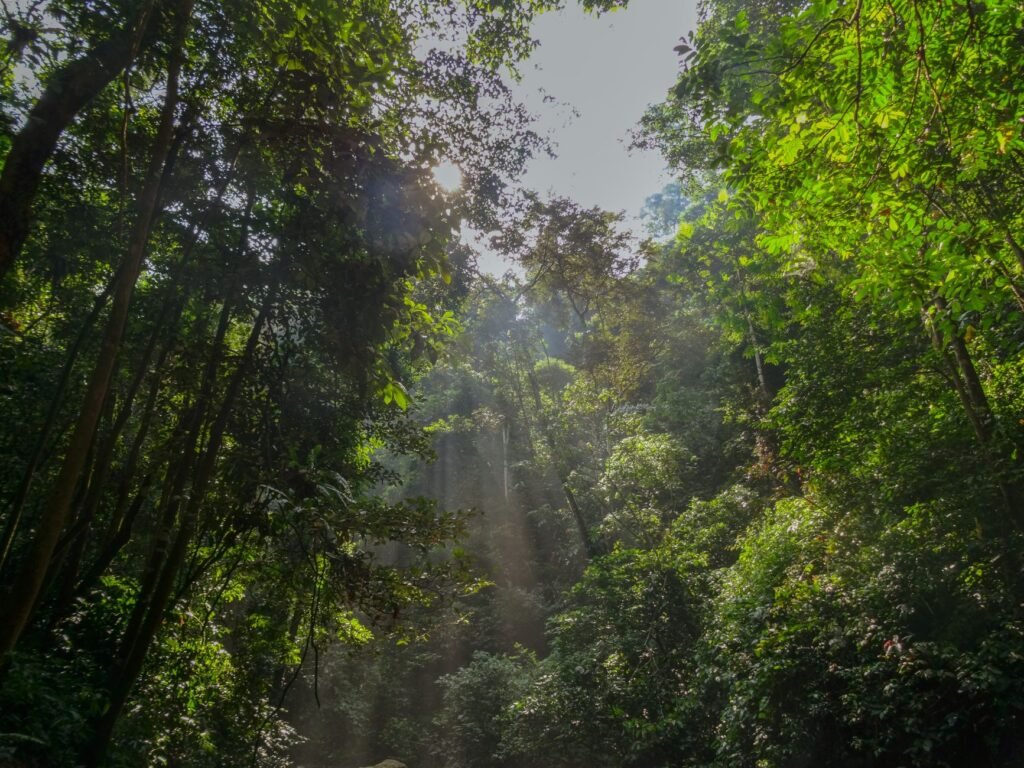
The Amazon Rainforest, often called the ‘lungs of the Earth,’ is one of the most biologically diverse regions on the planet. Spanning across several countries, including Brazil, Peru, Colombia, and Venezuela, the Amazon houses approximately 10% of all known species. It is home to over 40,000 plant species, 2.5 million insect species, and thousands of vertebrate species.
Travelers can engage in a variety of activities while visiting the Amazon:
- Guided Nature Walks: Explore the jungle with a knowledgeable guide who can point out unique flora and fauna.
- Wildlife Watching: Spot rare animals such as jaguars, sloths, and countless bird species.
- Cultural Experiences: Visit indigenous communities to learn about their relationship with the rainforest and traditional practices.
When planning a trip to the Amazon, consider the best time to visit, which is typically during the dry season from June to November. This period offers better access to trails and a higher chance of spotting wildlife.
The Coral Triangle
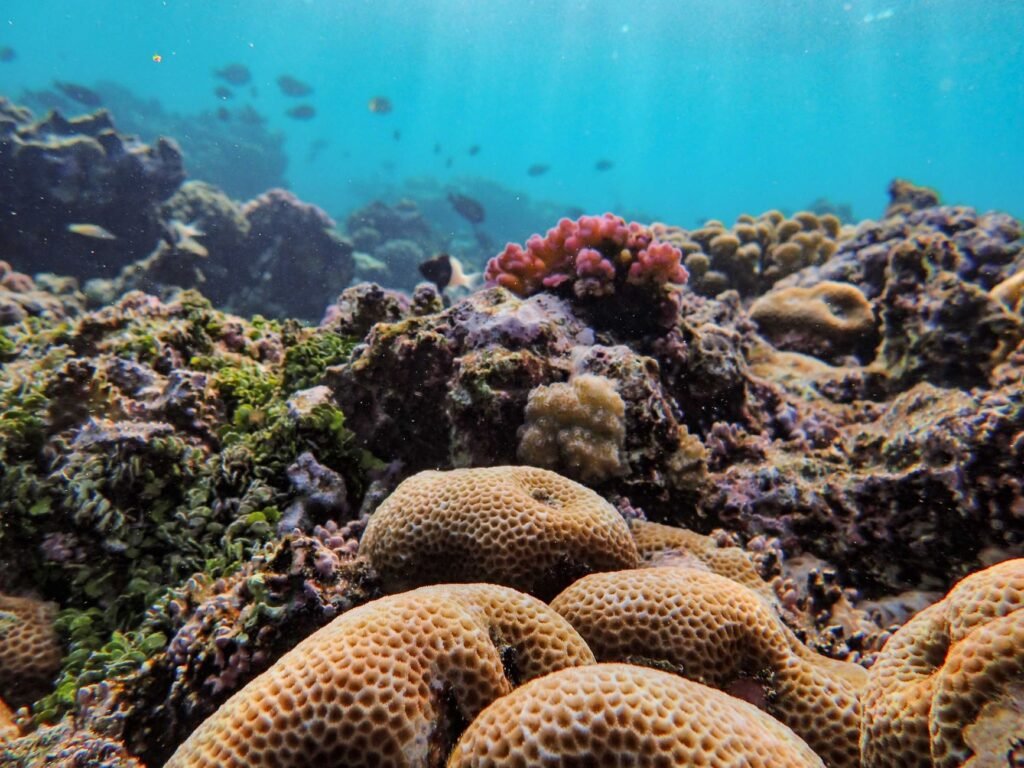
The Coral Triangle, located in the western Pacific Ocean, is widely regarded as the world’s marine biodiversity hotspot. It encompasses parts of Indonesia, Malaysia, the Philippines, Papua New Guinea, the Solomon Islands, and Timor-Leste. This area is known for its staggering variety of coral species, tropical fish, and marine life.
Some activities you can enjoy while in the Coral Triangle include:
- Snorkeling and Diving: Discover vibrant coral reefs teeming with life, including sea turtles, manta rays, and countless species of fish.
- Island Hopping: Visit various islands to experience diverse ecosystems and local cultures.
- Marine Conservation: Participate in reef restoration projects or support local conservation efforts.
To maximize your experience, choose eco-friendly tour operators committed to sustainable practices. The best time for snorkeling and diving generally falls between April and October when conditions are optimal.
Madagascar
Madagascar is an island country known for its unique biodiversity, with around 90% of its wildlife found nowhere else on Earth. The island features a variety of ecosystems, including rainforests, deserts, and coral reefs, making it a prime destination for nature enthusiasts.
While in Madagascar, consider these activities:
- Visit National Parks: Explore parks like Andasibe-Mantadia, known for its lemur species, and Isalo National Park, famous for its stunning landscapes.
- Wildlife Tours: Engage in guided tours to spot endemic species, including chameleons and baobabs.
- Cultural Experiences: Learn about the Malagasy culture and traditions through local interactions.
Timing your visit is essential; the dry season from April to November is generally the best time to explore, offering pleasant weather and better wildlife viewing opportunities.
Conservation Efforts
Conservation is critical in biodiversity hotspots as these areas face threats from deforestation, climate change, and pollution. Many organizations and governments work to protect these ecosystems through various initiatives. Travelers can play a role in these efforts by supporting ecotourism and conservation projects.
Some effective conservation strategies include:
- Protected Areas: Establishing national parks and reserves to safeguard habitats.
- Sustainable Practices: Promoting responsible tourism that minimizes environmental impact.
- Community Engagement: Involving local communities in conservation efforts to ensure sustainable development.
Many travelers choose to contribute directly by volunteering with conservation organizations or participating in eco-friendly tours that donate a portion of profits to local conservation projects.
Tips for Visiting Biodiversity Hotspots
Traveling to biologically diverse areas requires careful planning to ensure a responsible and enjoyable experience. Here are some practical tips to consider:
- Research Your Destination: Familiarize yourself with the local ecosystems, endangered species, and conservation efforts before your trip.
- Choose Eco-Friendly Accommodations: Look for lodges and hotels that prioritize sustainability and have minimal environmental impact.
- Respect Wildlife: Maintain a safe distance from animals, avoid feeding them, and follow guidelines provided by local guides.
- Minimize Waste: Carry reusable water bottles, bags, and utensils to reduce plastic waste.
Remember that the decisions you make while traveling can have a lasting impact on these precious ecosystems. By practicing responsible tourism, you contribute to the conservation of biodiversity for future generations.
The Role of Indigenous Communities in Biodiversity Conservation
Indigenous communities have long been stewards of the land, playing a critical role in preserving biodiversity within their territories. Their traditional ecological knowledge and practices often promote sustainable management of natural resources, ensuring the survival of numerous species and habitats.
Traditional Ecological Knowledge (TEK)
Traditional Ecological Knowledge encompasses the understandings, skills, and philosophies developed by indigenous peoples over generations. This knowledge often includes intricate details about species behavior, seasonal changes, and ecosystem interactions that are crucial for biodiversity conservation.
- Species Identification: Indigenous peoples often possess an extensive understanding of local flora and fauna, recognizing hundreds of species that may be overlooked by scientists.
- Sustainable Harvesting Practices: Many indigenous cultures have developed methods for harvesting resources that maintain ecological balance, such as rotational hunting, fishing, and foraging.
- Fire Management Techniques: Controlled burns, traditionally used by indigenous groups, can enhance biodiversity by maintaining habitats and preventing large-scale wildfires.
Community-Led Conservation Initiatives
Indigenous communities are increasingly leading their own conservation projects, often in collaboration with conservation organizations. These initiatives can take many forms, from establishing protected areas to restoring degraded habitats.
- Protected Areas: Many indigenous groups have successfully secured legal recognition for their lands as protected areas, which helps safeguard biodiversity.
- Restoration Projects: Communities often engage in reforestation and habitat restoration efforts, utilizing native species to restore ecological balance.
- Wildlife Corridors: Creating wildlife corridors can enhance connectivity between habitats, allowing species to migrate and thrive.
The Economic Value of Biodiversity
Biodiversity is not only crucial for ecological health but also offers significant economic benefits. Understanding these economic values can provide strong incentives for conservation efforts and sustainable practices.
Ecotourism as a Catalyst for Conservation
Ecotourism has emerged as a powerful tool for biodiversity conservation. By promoting responsible travel to natural areas, it supports conservation efforts and enhances local economies.
- Revenue Generation: Ecotourism can provide communities with a sustainable income, reducing reliance on destructive practices like logging and mining.
- Employment Opportunities: Local guides and businesses can thrive through ecotourism, creating jobs and fostering community involvement in conservation.
- Awareness and Education: Tourists often leave with a greater understanding of the importance of biodiversity, becoming advocates for conservation in their own communities.
Medicinal Resources and Biodiversity
Many modern medicines have their origins in plant and animal species found within biodiverse ecosystems. The economic potential of these natural resources is significant.
- Pharmaceuticals: Approximately 25% of modern medicines are derived from plants, and ongoing research continues to discover new compounds.
- Traditional Medicine: Indigenous communities often utilize local biodiversity for traditional healing practices, preserving knowledge that can lead to new treatments.
- Bioprospecting: The exploration of biodiversity for commercially valuable genetic and biochemical resources is a growing field, emphasizing the need for sustainable practices.
Climate Change and Its Impact on Biodiversity
Climate change poses a significant threat to biodiversity, with direct impacts on species survival, ecosystem health, and the services they provide. Understanding these impacts is essential for effective conservation strategies.
Species Distribution and Habitat Loss
As temperatures rise and weather patterns shift, many species are forced to migrate to cooler areas, leading to changes in habitat distribution. This can create competition for resources and disrupt existing ecosystems.
- Migration Patterns: Some species may migrate to higher altitudes or latitudes, while others may face extinction if they cannot adapt quickly enough.
- Habitat Fragmentation: As habitats change, fragmentation can occur, isolating populations and hindering genetic diversity.
- Invasive Species: Climate change can facilitate the spread of invasive species, further threatening native biodiversity.
Impact on Ecosystem Services
Biodiversity loss due to climate change can significantly affect ecosystem services, which are vital for human survival. These services include pollination, water purification, and carbon storage.
- Pollinator Decline: Changes in climate can affect the availability of pollinators, impacting food production and natural plant communities.
- Water Resources: Healthy ecosystems help regulate water cycles; disruptions can lead to droughts or floods, affecting agriculture and drinking water supplies.
- Carbon Sequestration: Forests play a crucial role in absorbing carbon dioxide; loss of biodiversity can impair their ability to mitigate climate change.
Unique Ecosystems Within Biodiversity Hotspots
Amazon Basin Flooded Forests
The Amazon Basin is home to unique ecosystems such as the flooded forests, also known as igapó. These forests are submerged during the wet season and rise with the water level, allowing for a distinct array of plant and animal species that are specially adapted to these conditions. This ecosystem plays a crucial role in carbon storage and water filtration, contributing to the planet’s overall health.
- Variety of fish species, including the endemic Amazonian pufferfish.
- Unique plant life, such as the water lily and various palm species.
- Habitat for endangered species like the Amazon river dolphin.
Researchers are continually studying these areas to understand their complex interactions and how they contribute to the overall biodiversity of the Amazon. Understanding these ecosystems is vital for conservationists aiming to protect the unique species that depend on them.
Mountain Ecosystems
Many biodiversity hotspots contain mountainous regions that host unique ecosystems, such as the Andes, Himalayas, and the Eastern Arc Mountains. These areas provide diverse climates and habitats, leading to a plethora of flora and fauna found nowhere else on Earth. For example, the Andes Mountains are a hotspot for endemic plant species and serve as a refuge for animals like the Andean condor.
- Special adaptations of species to high altitudes, such as lower oxygen levels.
- Unique microclimates that support diverse ecosystems.
- Threats from climate change affecting snowmelt and water sources.
Conservation efforts in mountainous ecosystems face challenges such as access and habitat fragmentation but are crucial for preserving these unique environments.
Ecotourism: A Path to Sustainable Development
Benefits of Ecotourism
Ecotourism offers a sustainable way to explore biodiversity hotspots while providing economic benefits to local communities. This type of tourism focuses on responsible travel to natural areas, conserving the environment, and improving the well-being of local people. By engaging in ecotourism, travelers can support conservation efforts and sustainable practices in these regions.
- Direct financial support for local conservation projects.
- Job creation in areas like guided tours, hospitality, and local crafts.
- Increased awareness and education about biodiversity and conservation.
Travelers can enjoy unique experiences, such as guided wildlife tours and cultural exchanges, which enhance their understanding of the area’s natural importance while benefiting local economies.
Challenges and Best Practices
While ecotourism can be beneficial, it also faces challenges such as over-tourism, which can lead to environmental degradation. To ensure that ecotourism remains sustainable, it is crucial that travelers are mindful of their impact and choose responsible tour operators. Best practices include:
- Choosing certified ecotourism providers.
- Minimizing waste and using eco-friendly products.
- Respecting wildlife and local cultures.
By adopting these practices, travelers can contribute to the preservation of biodiversity hotspots while enjoying the beauty of nature.
The Role of Technology in Biodiversity Research
Innovative Techniques for Monitoring Biodiversity
Technology is playing an increasingly important role in biodiversity research. Tools such as satellite imaging, drone technology, and environmental DNA (eDNA) analysis allow scientists to gather data on species distribution and ecosystem health more efficiently than ever before. For instance, eDNA analysis can detect the presence of species in a habitat by analyzing genetic material found in soil or water samples.
- Real-time data collection for better monitoring of ecosystems.
- Improved accuracy in species identification.
- Mapping of biodiversity hotspots to prioritize conservation efforts.
These innovations not only enhance research capabilities but also provide valuable insights into how best to protect and conserve biodiversity.
Citizen Science and Community Involvement
Citizen science projects encourage community participation in biodiversity monitoring and research. This engagement allows for more extensive data collection and raises awareness about local biodiversity issues. Community members can contribute by reporting sightings of species, participating in habitat restoration, and engaging in educational programs.
- Increased public participation in conservation efforts.
- Empowerment of local communities through education and involvement.
- Creation of a sense of stewardship towards local ecosystems.
Through technology and community engagement, researchers can create a more comprehensive understanding of biodiversity, leading to more effective conservation strategies.
Frequently Asked Questions
What is a biodiversity hotspot?
A biodiversity hotspot is a biogeographic region with significant levels of plant and animal species found nowhere else on Earth, facing threats from human activities.
Why is biodiversity important?
Biodiversity is essential for ecosystem health, providing services such as food, clean air, water, and climate regulation, and supporting resilience against environmental changes.
How can I contribute to conservation while traveling?
You can contribute by choosing eco-friendly tours, supporting local conservation projects, and practicing responsible travel habits that minimize your environmental impact.
When is the best time to visit these biodiversity hotspots?
The best time varies by location. Generally, dry seasons are ideal for visiting, but always check local conditions for the specific area you plan to explore.
The Bottom Line
The most biologically diverse area on the planet offers travelers a unique opportunity to engage with nature and contribute to conservation efforts. By understanding the importance of biodiversity and practicing responsible tourism, you can enjoy these extraordinary ecosystems while helping to protect them for the future.