Key Takeaways
- Cold plunges enhance recovery and wellbeing.
- Natural springs and ocean dips offer unique experiences.
- Safety precautions are essential for cold exposure.
- Research local regulations before visiting.
Cold plunging has gained popularity as a method for invigorating the body and mind. This practice involves immersing oneself in cold water, often for health benefits such as improved circulation, reduced muscle soreness, and enhanced mood. For travelers seeking unique experiences, finding the best places to take a cold plunge can add an exciting element to their adventures. From natural springs to coastal retreats, there are various options worldwide.
This guide will explore some of the best locations for cold plunges, providing practical information on what to expect, how to prepare, and the benefits associated with each venue. You’ll discover pristine natural settings, luxurious spa facilities, and unique environments perfect for your next cold plunge experience.
Whether you’re an experienced cold-water enthusiast or a curious traveler looking to try something new, this guide offers insights to ensure a safe and refreshing plunge. Let’s dive into the best spots to take a cold plunge!
Natural Cold Springs
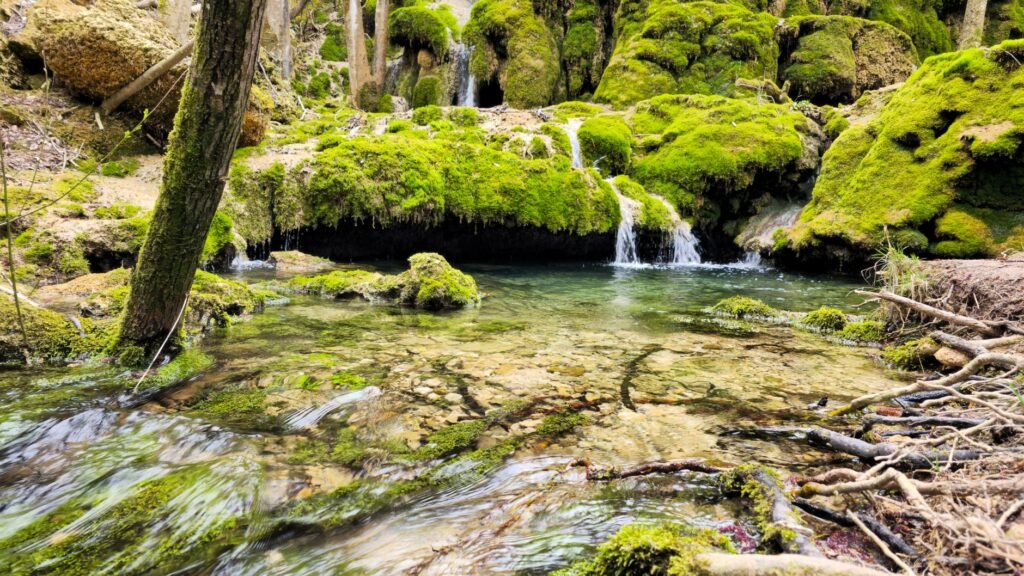
Natural cold springs are among the most rejuvenating places to take a cold plunge. These springs are often found in serene environments, providing a tranquil setting to connect with nature while benefiting from the mineral-rich waters.
Here are some notable natural cold springs around the world:
- Blue Hole, Belize: Known for its incredible blue waters, the Blue Hole offers a unique diving experience and the chance to take a refreshing plunge into its chilly depths.
- Hot Springs National Park, Arkansas: While famous for its thermal springs, there are cooler springs available for visitors looking to cool off amidst the stunning natural beauty of the park.
- Havasu Falls, Arizona: The stunning turquoise waters of Havasu Falls provide a perfect backdrop for a cold plunge, where the refreshing water cascades into natural pools.
Each of these locations offers a unique experience, allowing visitors to enjoy the natural beauty while reaping the health benefits of cold water immersion.
Coastal Cold Plunges
There’s something invigorating about taking a cold plunge in the ocean. Many coastal destinations provide opportunities for a refreshing dip in the sea, especially during the hotter months. These plunges can be both exhilarating and revitalizing.
Consider these coastal spots for your cold plunge:
- Bondi Beach, Australia: A famous surfing destination, Bondi Beach offers a refreshing plunge into the cool waters of the Pacific Ocean. The beach is equipped with amenities and lifeguards for safety.
- Reykjavik, Iceland: The dramatic landscapes of Iceland provide stunning backdrops for ocean dips, especially during the summer months when the water is relatively warmer.
- Santa Cruz, California: With its picturesque beaches and vibrant boardwalk, Santa Cruz is an ideal spot for a cold ocean plunge, particularly on a hot day.
Before plunging into the ocean, always check the local weather and water conditions to ensure safety and comfort.
Luxury Spa Facilities
For a more controlled environment, many luxury spas offer cold plunge pools as part of their wellness facilities. These pools are typically designed for relaxation and recovery, providing a tranquil atmosphere to enhance the experience.
Here are some renowned spa facilities that feature cold plunge pools:
- Terme di Saturnia, Italy: This luxurious thermal spa features natural hot springs and cold plunge pools, allowing guests to alternate between temperatures for maximum relaxation.
- Sojo Spa Club, New Jersey: This large facility includes a cold plunge pool as part of its extensive offerings, providing a refreshing option after enjoying the sauna or hot tub.
- Golden Door Spa, California: Known for its holistic approach to wellness, Golden Door features cold plunge pools designed to enhance recovery and rejuvenation.
Visiting a spa for a cold plunge can be a luxurious experience, combining wellness with relaxation in a serene setting.
Cold Plunge Events and Festivals
In addition to specific locations, certain events and festivals celebrate cold plunging as part of their activities. Participating in these events can be a fun way to experience the benefits of cold water immersion while enjoying the camaraderie of fellow enthusiasts.
Consider joining these events:
- The Polar Bear Plunge: Held in various locations worldwide during winter months, this event invites participants to jump into frigid waters to raise money for charity.
- Cold Water Swim Challenge: This event occurs in numerous countries, encouraging swimmers to take cold dips in designated areas, often with prizes for participation.
- Winter Swimming World Championships: This competition attracts swimmers from around the globe to compete in icy waters, showcasing the resilience and thrill of cold plunging.
These events not only provide a unique cold plunge experience but also foster a sense of community among participants.
Safety Considerations for Cold Plunging
While cold plunging offers numerous benefits, safety precautions are essential to ensure a positive experience. Cold water immersion can pose risks, particularly for individuals with certain health conditions.
Here are some important safety tips to consider:
- Know your limits: If you are new to cold plunging, start slowly. Gradually increase your exposure time as your body acclimates to the cold.
- Consult a healthcare professional: If you have cardiovascular issues or other health concerns, consult your doctor before attempting cold plunges.
- Warm up afterward: Ensure you have a plan to warm up after your cold plunge, whether it’s with warm clothing, a hot drink, or a sauna.
By taking these precautions, you can enjoy the refreshing benefits of cold plunging while minimizing potential risks.
[h2>Preparing for Your Cold Plunge
Preparation can enhance your cold plunging experience. Whether you’re heading to a natural spring, beach, or spa, being ready is key to maximizing the benefits.
Here are some tips to help you prepare:
- Dress appropriately: Wear a swimsuit or quick-drying clothing that allows for easy movement. Consider layers for warmth before and after your plunge.
- Hydrate: Drink plenty of water before your plunge to stay hydrated, as cold exposure can lead to increased sweating and dehydration.
- Set intentions: Think about what you hope to gain from the experience, whether it’s stress relief, improved mood, or physical recovery.
Preparing thoughtfully can make your cold plunge more enjoyable and fulfilling.
Cold Plunge at High Altitude: A Unique Experience
Benefits of Cold Plunging in High Elevations
Cold plunging at high altitudes offers a unique experience that combines the refreshing chill of cold water with the invigorating effects of thinner air. At elevated locations, the temperature difference between your body and the cold water is often more pronounced, leading to a more intense experience. This can enhance the benefits of cold plunging, such as improved circulation and reduced inflammation, as your body works harder to maintain its core temperature.
Furthermore, cold plunging in high-altitude areas can provide a sense of accomplishment and adventure. The stunning views and crisp mountain air contribute to a serene atmosphere that can be therapeutic for the mind and spirit. It’s an opportunity to connect with nature in a way that is both exhilarating and refreshing.
Top High-Altitude Cold Plunge Locations
- Lake Louise, Canada: Nestled in the heart of the Canadian Rockies, the glacier-fed waters of Lake Louise offer a breathtaking cold plunge experience surrounded by stunning mountain scenery.
- Whistler, British Columbia: Known for its skiing, Whistler also has several natural cold plunge spots, especially after a day on the slopes. The temperature drops significantly at night, making evening plunges particularly refreshing.
- Colorado’s Hot Sulphur Springs: While primarily known for hot springs, the area also features frigid river spots nearby that offer a stark contrast for those looking to enhance their cold plunging experience.
Preparing for a High-Altitude Cold Plunge
When considering a cold plunge at high altitude, preparation is crucial. Start by acclimating your body to the elevation to prevent altitude sickness. This could mean spending a few days hiking or engaging in light activities before taking the plunge.
Wearing appropriate gear is also essential. Consider thermal swimsuits or wetsuits to protect against the cold while allowing for mobility. Additionally, hydration is key; drink plenty of water to combat the dry air and maintain optimal body function. Remember to have warm clothes ready for after your plunge, as the temperature difference can be significant.
Cultural Cold Plunge Traditions Around the World
Scandinavian Sauna and Cold Plunge Rituals
In Scandinavian countries, the tradition of alternating between sauna sessions and cold plunges is deeply rooted in the culture. This ritual is believed to enhance relaxation, detoxification, and overall wellness. After spending time in a hot sauna, individuals often immerse themselves in icy waters or roll in the snow to stimulate circulation and invigorate the body.
This ritual not only provides physical benefits but also serves as a social activity. Saunas are often communal spaces where friends and family gather, making the plunge a shared experience that strengthens bonds.
Japanese Onsen: The Art of Hot and Cold
In Japan, the onsen culture embraces both hot and cold water experiences. Traditional onsen baths consist of natural hot springs, but many facilities also offer cold plunge baths. The practice of moving between hot and cold water is believed to improve blood flow and increase energy levels.
Visitors to onsens can enjoy serene outdoor settings, often surrounded by beautiful landscapes. The cold plunge baths are typically located nearby, allowing for easy transitions between temperatures. This practice not only refreshes the body but also promotes mindfulness and relaxation.
Indigenous Cold Water Practices
Many indigenous cultures have long recognized the benefits of cold water immersion. For instance, the Native American practice of cold water bathing is often linked to spiritual cleansing and renewal. Cold water is seen as a vital force that can refresh the spirit and restore balance.
These practices often involve rituals that honor nature and the water itself, fostering a deep connection to the environment. Exploring these traditions can provide insights into the holistic benefits of cold plunging and encourage a greater appreciation for the practice.
Cold Plunge Techniques for Maximum Benefits
Breathing Techniques to Enhance Your Experience
Utilizing proper breathing techniques can significantly enhance the benefits of cold plunging. When entering cold water, many individuals instinctively gasp or hyperventilate, which can be counterproductive. Instead, focus on controlled breathing. Inhale deeply through your nose, allowing your diaphragm to expand, and then exhale slowly through your mouth. This helps your body adapt to the cold more effectively, reducing the shock response.
Practicing rhythmic breathing not only calms the mind but also aids in maintaining focus and mental clarity during the plunge. Consider incorporating breathing exercises into your routine before each cold plunge to maximize the experience.
Mindfulness and Meditation While Plunging
Cold plunging can be a meditative experience when approached mindfully. As you immerse yourself, take the time to focus on the sensations in your body, the chill of the water, the rush of adrenaline, and the clarity of your mind. Engaging in mindfulness can help you embrace the moment, allowing for a deeper connection to the experience.
Consider setting intentions before your plunge, such as reflecting on what you hope to achieve or release during the session. This mental preparation can enhance the overall benefits, promoting emotional and spiritual wellness.
Creating a Cold Plunge Routine
Establishing a cold plunge routine can lead to greater consistency and improved results. Start by determining how often you want to plunge, whether daily, weekly, or bi-weekly. Track your progress to understand how your body responds over time, noting any changes in mood, energy levels, or physical well-being.
- Consistency: Aim for regular sessions to build resilience against the cold.
- Duration: Start with shorter durations, such as 30 seconds, and gradually increase as you become more comfortable.
- Environment: Choose a location that resonates with you, whether it’s a local river, lake, or designated plunge pool.
Incorporating these elements into your cold plunge routine can enhance not only the physical benefits but also the psychological and emotional aspects of the practice, creating a well-rounded experience.
Frequently Asked Questions
What are the health benefits of cold plunging?
Cold plunging is believed to improve circulation, reduce inflammation, enhance mood, and accelerate recovery after physical exertion. Many people also report increased energy levels and improved sleep quality.
How long should I stay in a cold plunge?
For beginners, it’s recommended to start with short intervals of 10 to 30 seconds. As you become accustomed to the cold, you can gradually increase your time in the water. Most experienced cold plungers stay in for 1 to 3 minutes.
Are there any risks associated with cold plunging?
Yes, cold plunging can pose risks, particularly for individuals with certain health conditions, such as heart problems. It’s essential to consult a healthcare professional if you have any concerns and to listen to your body while plunging.
Can I take a cold plunge in the winter?
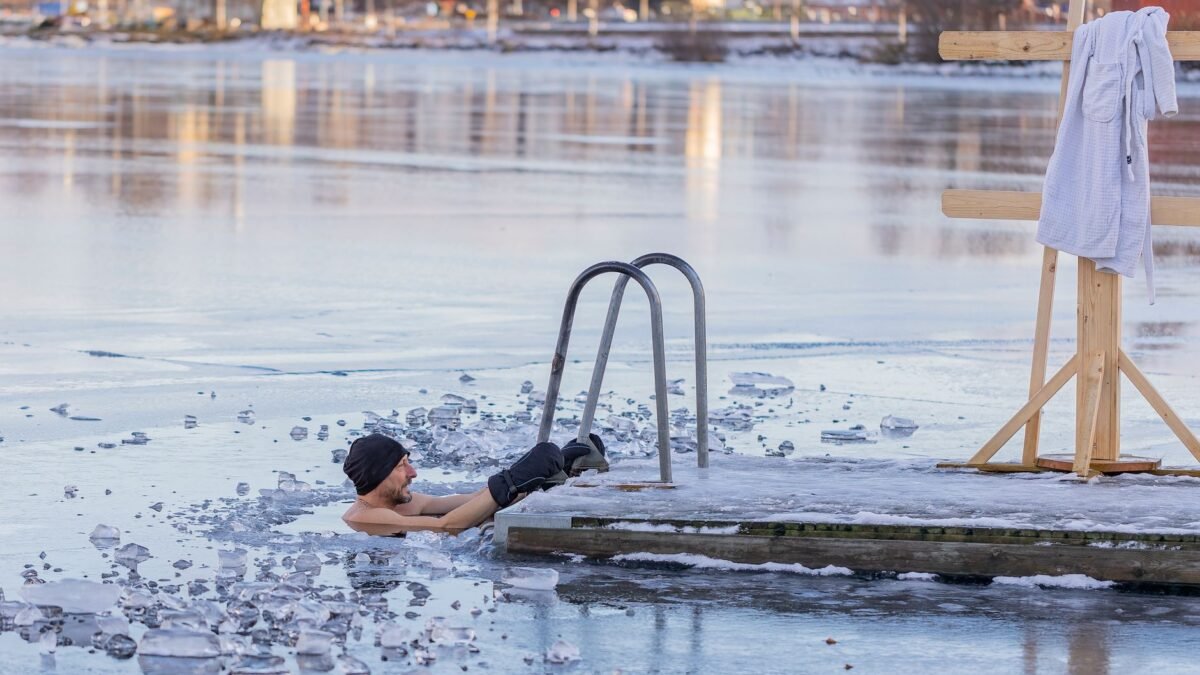
Absolutely! Many people enjoy cold plunging in winter, especially in icy waters. However, it’s essential to take extra precautions and ensure you have a safe way to warm up afterward.
The Bottom Line
Finding the best places to take a cold plunge can invigorate your travel experience while providing numerous health benefits. From natural springs to ocean dips and luxurious spa facilities, there are diverse options to explore. By considering safety and preparation, you can enjoy refreshing cold plunges that enhance your wellbeing and create lasting memories.