Key Takeaways
- Experience world-class art and architecture.
- Indulge in Milanese cuisine and shopping.
- Explore vibrant neighborhoods and hidden gems.
- Plan your visit with practical travel tips.
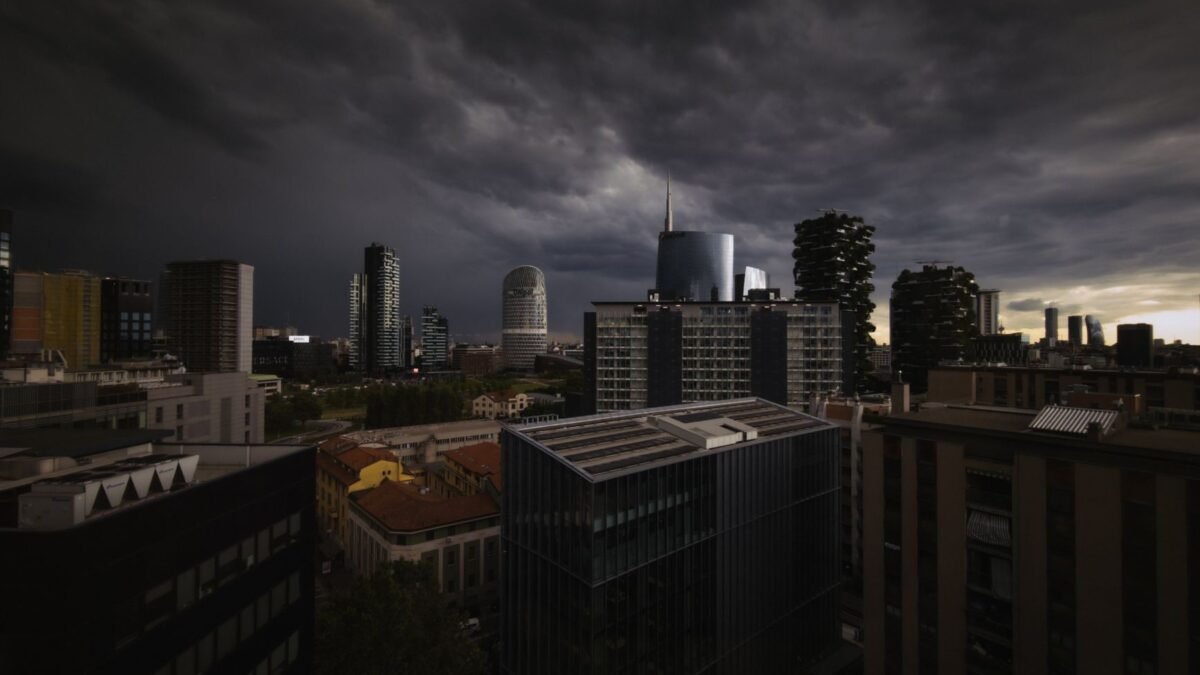
Milan, the fashion capital of the world, is often associated with high-end shopping and exquisite dining. However, this vibrant city offers much more than designer boutiques and luxurious restaurants. From its rich history, stunning architecture, and vibrant arts scene, to its charming neighborhoods and delectable cuisine, Milan is a treasure trove waiting to be explored. Whether you’re an art enthusiast, a history buff, or a foodie, there are countless experiences to enjoy here.
In this guide, we will delve into the top things to do in Milan, highlighting must-see attractions, local favorites, and practical tips for making the most of your visit. Get ready to discover the essence of Milan as we navigate through its iconic sights and hidden gems.
As you plan your trip, consider the timing of your visit. Milan’s climate can vary significantly throughout the year, influencing the activities available. Spring and fall are generally the most pleasant seasons, while summer can be hot and crowded. Winter, on the other hand, offers a unique charm, especially during the holiday season.
1. Visit the Duomo di Milano
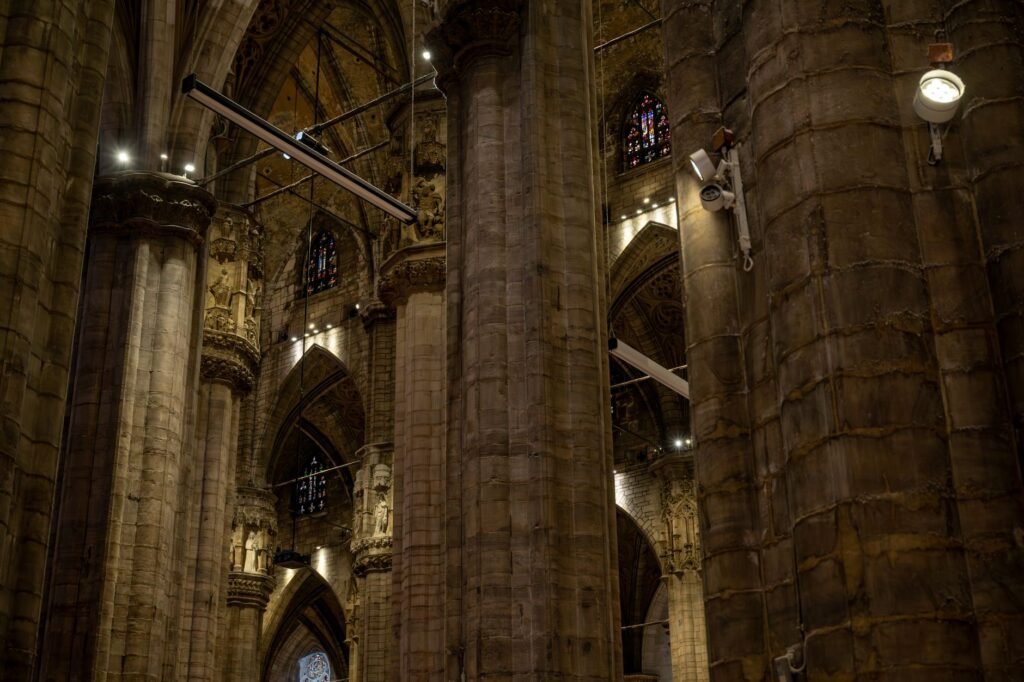
The Duomo di Milano, or Milan Cathedral, is an architectural marvel and one of the most iconic landmarks in the city. Construction of this Gothic masterpiece began in the late 14th century and took nearly six centuries to complete. The cathedral features intricate spires, stunning stained glass windows, and a magnificent façade that captivates visitors.
Visitors can explore the interior of the cathedral, which houses numerous sculptures and artworks, including a stunning altar. For an unparalleled view of the city, be sure to take the elevator or climb the stairs to the rooftop. From here, you can enjoy panoramic views of Milan and admire the intricate details of the cathedral’s architecture up close.
Tip: Arrive early in the morning to avoid crowds and consider booking a guided tour to learn about the cathedral’s history and architectural significance.
2. Explore the Galleria Vittorio Emanuele II
Adjacent to the Duomo, the Galleria Vittorio Emanuele II is a stunning shopping arcade that showcases Milan’s elegant atmosphere. Opened in 1877, this historic gallery is known for its glass ceiling, intricate mosaics, and luxurious boutiques. It’s a perfect spot for shopping or simply enjoying a leisurely stroll.
As you wander through the Galleria, you’ll find famous Italian brands alongside international luxury labels. Don’t miss the chance to stop for a coffee or gelato at one of the historic cafés, such as Caffè Camparino, where you can soak in the ambiance and enjoy people-watching.
Tip: Look for the bull mosaic on the floor; it’s said that spinning on your heel while placing your foot on the bull brings good luck!
3. Discover the Art of The Last Supper
Leonardo da Vinci’s masterpiece, The Last Supper, is housed in the refectory of the Convent of Santa Maria delle Grazie. This iconic mural, painted in the late 15th century, is considered one of the most important works of art in Western history. Due to its popularity, advance booking is essential to secure a spot for viewing.
The painting depicts the final meal Jesus shared with his disciples, capturing a moment of intense emotion and drama. The meticulous details and techniques used by Da Vinci are a testament to his genius. A guided tour can provide deeper insights into the artwork’s history and significance.
Tip: Book tickets online well in advance, as they sell out quickly, especially during peak tourist seasons.
4. Stroll Through Sforza Castle
Sforza Castle, or Castello Sforzesco, is a historic fortress that dates back to the 15th century. Once the residence of the Duke of Milan, the castle is now home to several museums and art collections. The castle’s imposing architecture and lush surrounding gardens make it a perfect place for a leisurely stroll.
Inside the castle, you can explore the various museums, which feature artworks from Renaissance masters, ancient artifacts, and even musical instruments. The castle grounds are also a great spot for a picnic, allowing you to relax amidst the beautiful scenery.
Tip: Check the museum schedules for free entry days, which often occur on the first Sunday of the month.
5. Experience Milan’s Fashion and Design Scene
Milan is synonymous with fashion and design, hosting events such as Milan Fashion Week and the Salone del Mobile design fair. To truly immerse yourself in this world, visit the Quadrilatero della Moda, Milan’s upscale shopping district. Here, you’ll find luxury boutiques from designer brands, including Gucci, Prada, and Dolce & Gabbana.
For a more casual shopping experience, explore the Brera district, known for its artistic vibe and unique boutiques. This area is perfect for finding one-of-a-kind pieces and local designers. Additionally, many shops and galleries often host exhibitions showcasing up-and-coming talents in the fashion and design industries.
Tip: Consider taking a guided fashion tour to learn about Milan’s fashion history and gain insider tips on where to shop.
6. Enjoy the Navigli District
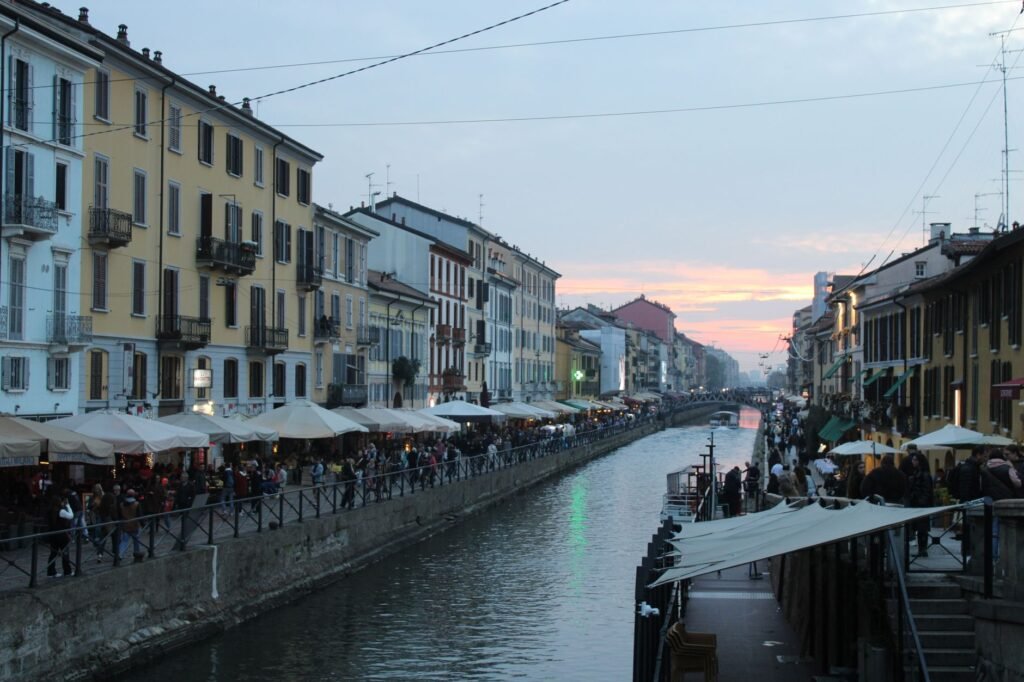
The Navigli district is famous for its picturesque canals and vibrant nightlife. This area was historically used for transport and trade, but today it’s a lively neighborhood filled with bars, restaurants, and art studios. The canals are particularly charming in the evening when the area comes alive with locals and visitors alike.
Take a leisurely walk along the canals, stopping at the various eateries offering traditional Milanese cuisine, such as risotto alla Milanese and ossobuco. The Sunday antique market along the Navigli is also a must-visit for unique souvenirs and vintage finds.
Tip: Join a canal cruise or a bike tour to explore the district from a different perspective.
7. Visit the Pinacoteca di Brera
The Pinacoteca di Brera is Milan’s premier art gallery, housing a vast collection of Italian Renaissance art. The gallery features works from renowned artists such as Caravaggio, Raphael, and Titian. The museum itself is situated in a charming historic building, adding to the overall experience.
Visitors can spend hours admiring the exquisite paintings and sculptures, and the gallery often hosts temporary exhibitions that highlight specific themes or artists. The museum also features a beautiful garden, perfect for a quiet moment after exploring the art.
Tip: Check the museum’s website for information on guided tours or workshops for a more engaging visit.
8. Experience Milanese Cuisine
No visit to Milan would be complete without indulging in its culinary delights. Milanese cuisine is characterized by hearty dishes and local ingredients. Start your culinary journey with traditional dishes like cotoletta alla Milanese, a breaded veal cutlet, or risotto alla Milanese, made with saffron.
For a more immersive experience, consider joining a cooking class where you can learn to prepare authentic Milanese dishes yourself. Many local chefs offer classes that include a market tour to select fresh ingredients, making for a memorable experience.
Tip: Explore local hidden gems like trattorias and street food stalls for an authentic taste of Milanese flavors.
Immerse Yourself in Milan’s Cultural Festivals
Annual Events to Experience
Milan is a city that thrives on cultural expression, and attending one of its many annual festivals is a fantastic way to immerse yourself in local traditions. The Milan Fashion Week, held twice a year, is an unmissable event, showcasing the latest trends and innovations in the fashion world. Another significant festival is the Milan Design Week, where designers from around the globe come to present their work, attracting millions of visitors.
Additionally, the Milano Film Festival takes place every September, focusing on independent films and providing a platform for new talent. This festival brings together filmmakers, critics, and cinema lovers, creating an atmosphere charged with creativity.
- Milan Fashion Week: February and September
- Milan Design Week: April
- Milano Film Festival: September
A Taste of Local Traditions
During these festivals, you can not only enjoy fashion and design but also taste local delicacies and witness traditional performances. For example, the Festa della Repubblica on June 2nd celebrates Italy’s Republic with parades, concerts, and fireworks. This is a perfect opportunity to experience Italian patriotism and community spirit.
Moreover, the Carnevale Ambrosiano, celebrated in February, features colorful parades and masquerade balls, allowing visitors to indulge in Milanese culture while enjoying delicious treats like chiacchiere (fried pastries) and tortelli.
Unique Venues for Cultural Events
To fully experience these festivals, consider attending events at unique venues throughout the city. The Teatro alla Scala is renowned for its opera performances and is a centerpiece of Milan’s cultural life. Similarly, the Fabbrica del Vapore offers a range of art exhibitions and performances, making it a hub for contemporary culture.
These venues not only host performances but also provide workshops and talks, giving visitors a deeper understanding of Milan’s artistic landscape.
Discover Milan’s Hidden Neighborhoods
Understanding the Charm of Isola
The Isola district is a lesser-known gem that showcases a different side of Milan. Once an industrial area, Isola has transformed into a vibrant neighborhood filled with art studios, trendy cafes, and unique boutiques. Wandering through its streets, you’ll encounter street art, organic markets, and local artisans.
One of the highlights of Isola is the Bosco Verticale (Vertical Forest), a pair of residential towers covered in trees and plants. This innovative architectural feat is not just visually stunning but also promotes biodiversity within the urban environment.
- Art galleries featuring local artists
- Popular cafes: Rita & Cocktails, Panificio Pattini
- Weekly organic markets
Explore the Vibrant Community of Navigli
While many know the Navigli district for its picturesque canals, few realize its vibrant community spirit and artistic flair. The area is home to numerous artists and craftsmen, which is evident in the many galleries and studios that dot the canalside. You can also find unique shops selling handmade goods and vintage items.
Visiting during the monthly Antiques Market is a must for collectors and vintage lovers. This market attracts vendors from all over Italy, offering everything from antique furniture to vintage clothing, making it a treasure hunt for visitors.
- Key highlights of Navigli:
- Art galleries: Galleria d’Arte Moderna, Studio d’Arte Cannaviello
- Unique shops: Il Bisonte, Funky Market
The Historical Significance of Porta Venezia
Porta Venezia is another hidden neighborhood that offers a blend of history and modernity. Known for its stunning architecture, the area features buildings from the 19th century, showcasing eclectic styles from Art Nouveau to Neoclassicism. The beautiful Indro Montanelli Public Gardens provide a tranquil escape amidst the urban hustle, with its lush greenery and serene atmosphere.
Additionally, the area is famous for its multicultural vibe, with numerous international restaurants and shops reflecting the diverse population. This makes Porta Venezia an excellent place to explore different cuisines and cultures.
Experience Milan’s Lesser-Known Museums
Explore the Museum of the Twentieth Century
While many flock to the more famous museums, the Museum of the Twentieth Century (Museo del Novecento) is a must-visit for art enthusiasts. Located in the Palazzo dell’Arengario, this museum showcases a comprehensive collection of Italian art from the 20th century, including works by renowned artists such as Umberto Boccioni and Giorgio de Chirico.
The museum is not only about the displayed art; it also offers engaging exhibitions and educational programs. Visitors can enjoy panoramic views of the Duomo from its terrace, making it a perfect spot for both art appreciation and sightseeing.
- Key features of the Museum of the Twentieth Century:
- Extensive collection of 20th-century Italian art
- Temporary exhibitions with contemporary artists
- Beautiful terrace with views of the Duomo
Visit the Museo Poldi Pezzoli
The Museo Poldi Pezzoli is an exquisite private museum that houses a remarkable collection of art and antiques gathered by the 19th-century collector Gian Giacomo Poldi Pezzoli. The museum features works by masters like Botticelli, and Mantegna, as well as an extensive collection of decorative arts.
What makes this museum special is its intimate setting, allowing visitors to appreciate the art without the crowds often found in larger institutions. The museum also offers guided tours, providing insights into the artworks and their historical context.
Uncover the Hidden Gems at the Museo del Risorgimento
The Museo del Risorgimento focuses on the Italian unification process and offers a unique perspective on Italy’s history. Housed in the Palazzo Moriggia, the museum features artifacts, documents, and multimedia displays that tell the story of Italy’s journey towards unity.
This museum is ideal for those interested in history and provides an engaging way to understand the cultural and political changes that shaped modern Italy. Its educational programs and workshops make it a great stop for families and school groups.
Frequently Asked Questions
What is the best time to visit Milan?
The best times to visit Milan are during the spring (April to June) and fall (September to October) when the weather is pleasant and the city is less crowded.
How can I get around Milan?
Milan has an efficient public transport system, including trams, buses, and the metro. Consider purchasing a travel card for unlimited rides within a specified time frame.
Are there free attractions in Milan?
Yes, several attractions are free or have free entry days, such as the Sforza Castle grounds and certain museums on specific Sundays.
What should I wear when visiting Milan?
Milan is a fashionable city, so it’s best to dress smartly. Comfortable shoes are essential for walking, especially when exploring historic sites.
The Bottom Line
Milan is a captivating city that offers a rich blend of history, art, fashion, and culinary delights. From the stunning Duomo to the vibrant Navigli district, there’s something for everyone to enjoy. With this guide, you’re now equipped to explore the top things to do in Milan, ensuring a memorable and enriching experience.