Key Takeaways
- Tokyo's food culture is diverse and rich.
- Key ingredients define the city's culinary identity.
- Local markets offer fresh, unique produce.
- Understanding ingredients enhances dining experiences.
Tokyo’s food culture is a vibrant tapestry woven from centuries of culinary tradition, innovation, and regional diversity. As one of the world’s premier gastronomic destinations, the city offers an array of flavors and dishes that reflect its rich history and modern influences. From traditional kaiseki to street food, understanding the ingredients that make up Tokyo’s culinary landscape is essential for any traveler seeking an authentic experience.
The unique ingredients used in Tokyo’s cuisine not only define the dishes but also tell the story of the city and its people. Whether it’s the fresh seafood sourced from Tokyo Bay or the seasonal vegetables cultivated in nearby prefectures, each component plays a vital role in the overall flavor profile of the food. This article will explore the key ingredients that shape Tokyo’s food culture and how they contribute to the city’s reputation as a food lover’s paradise.
For those planning a trip to Tokyo, understanding these ingredients can greatly enhance your culinary journey. Knowing what to look for in local markets, restaurants, and street stalls can lead to unforgettable dining experiences and a deeper appreciation of Japanese cuisine.
Key Ingredients in Tokyo Cuisine
Tokyo’s cuisine is characterized by a blend of traditional Japanese ingredients and modern culinary influences. Here are some of the essential ingredients that define the city’s food culture:
- Rice: The staple of Japanese cuisine, rice is the foundation for many meals in Tokyo. Varieties like Koshihikari are prized for their texture and flavor.
- Seafood: Fresh fish and seafood are central to Tokyo’s culinary scene. Tuna, mackerel, and squid are popular, often served raw as sushi or sashimi.
- Vegetables: Seasonal vegetables such as daikon, negi (green onions), and shiitake mushrooms add depth to dishes. Tokyo’s climate allows for a variety of locally grown produce.
- Tofu: A versatile ingredient, tofu is used in various dishes, providing protein and texture. Silken tofu is often featured in soups and salads.
- Miso: This fermented soybean paste is a key flavoring agent in many soups and marinades, varying in color and flavor depending on the region.
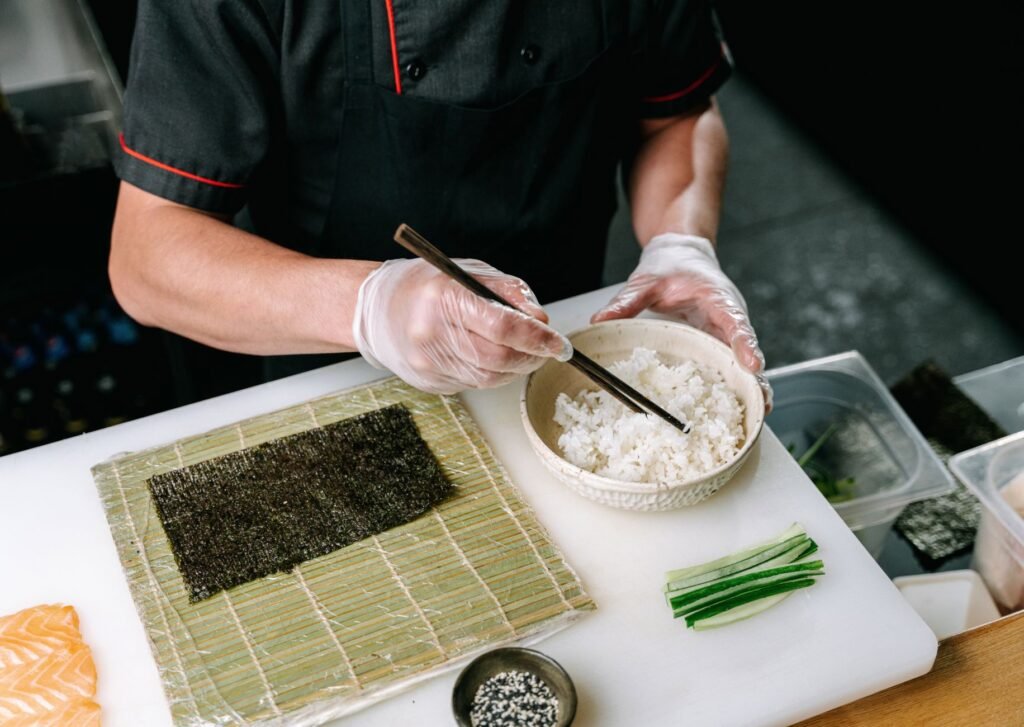
- Seaweed: Nori and kombu are essential in many dishes, providing umami flavor and nutritional benefits.
- Soy Sauce: A staple seasoning, soy sauce adds depth and saltiness to a variety of dishes, from stir-fries to marinades.
Seasonal Ingredients
Tokyo’s food culture is also heavily influenced by the seasons, with chefs emphasizing seasonal ingredients in their dishes. Here are some examples:
- Spring: Sakura (cherry blossoms) are often incorporated into desserts and teas, while fresh bamboo shoots appear in various dishes.
- Summer: Summer vegetables like eggplant and cucumber are popular, as well as seafood such as sweet shrimp and summer fish.
- Autumn: The season brings hearty ingredients like chestnuts and mushrooms, which are often featured in rice dishes.
- Winter: Root vegetables and hearty ingredients like nabe (hot pot) are commonly enjoyed during the colder months.
Exploring Local Markets
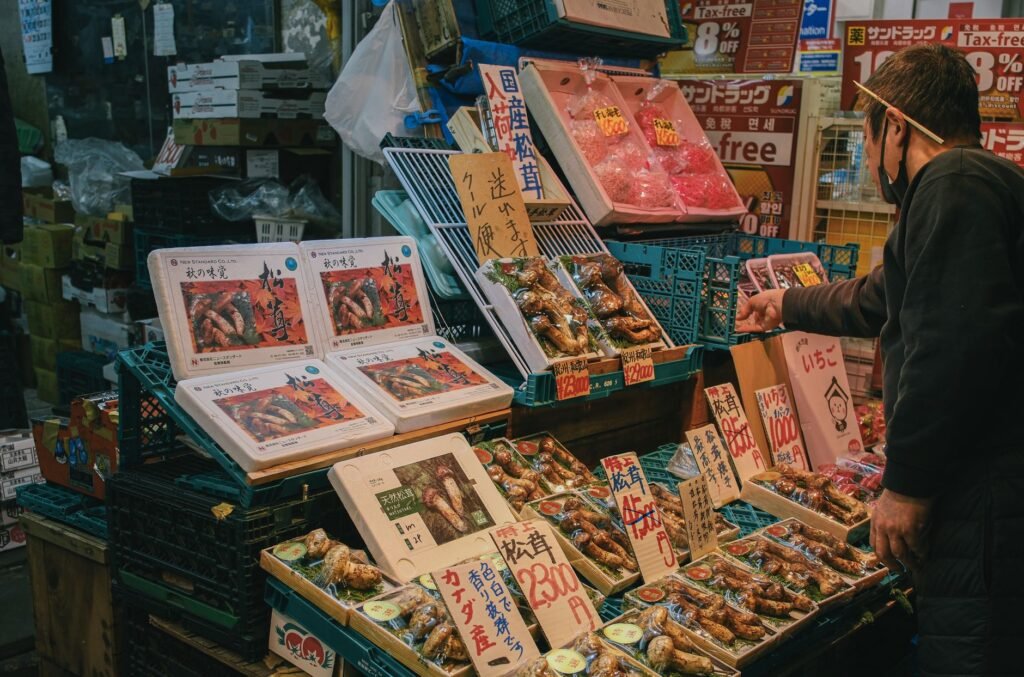
Visiting local markets is one of the best ways to experience Tokyo’s food culture firsthand. These bustling hubs offer a chance to discover fresh, high-quality ingredients and learn about their significance in Japanese cuisine. Here are some notable markets:
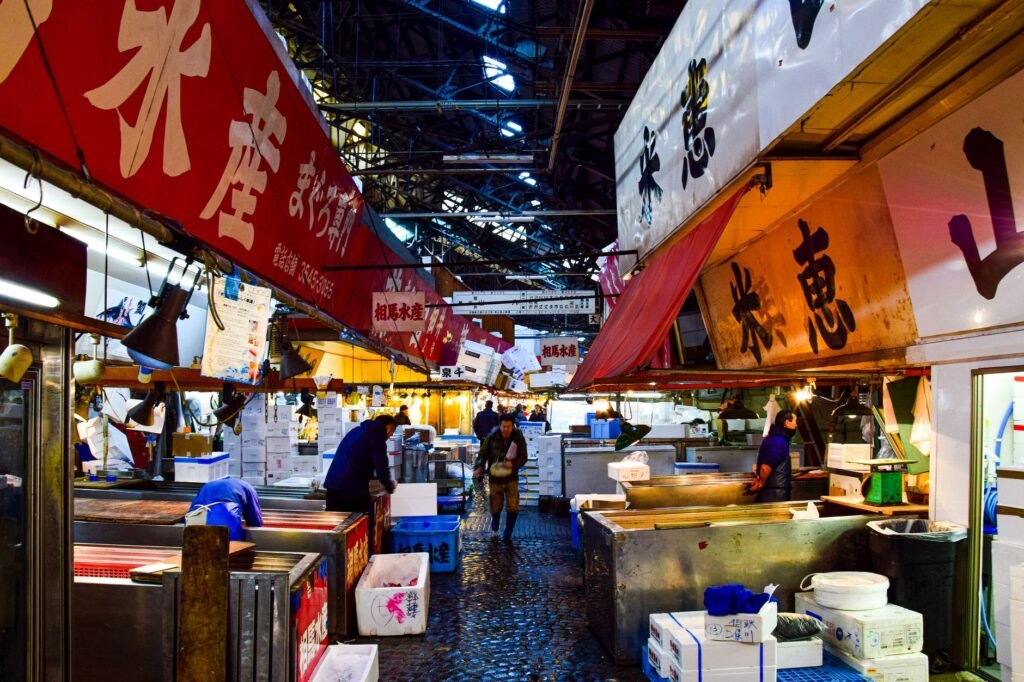
- Tsukiji Outer Market: While the inner wholesale market has moved, the outer market remains a vibrant destination for fresh seafood, produce, and street food.
- Ameya-Yokocho: Located near Ueno Station, this market features a mix of food stalls selling snacks, dried goods, and local specialties.
- Nakamise Street: Leading to Senso-ji Temple, this street is lined with shops offering traditional snacks and ingredients, perfect for sampling local flavors.
At these markets, travelers can not only purchase ingredients but also engage with local vendors. Many will share tips on how to prepare and enjoy these ingredients at home, enriching the overall experience.
Street Food Scene
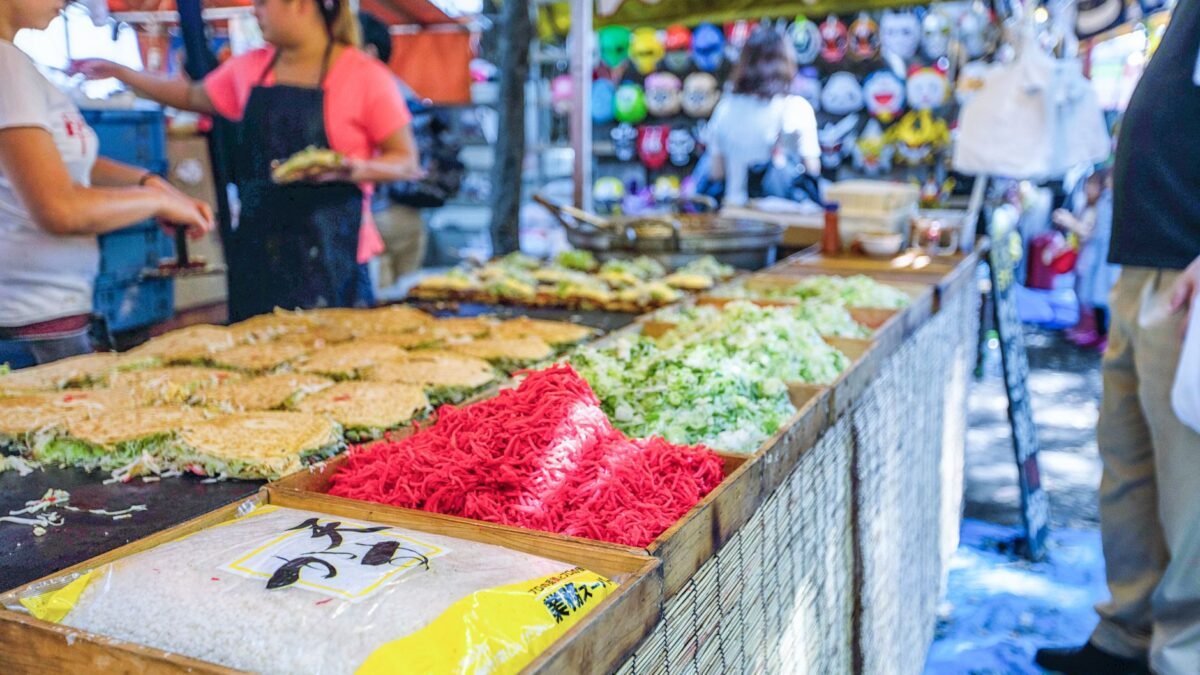
The street food scene in Tokyo is another vital aspect of its food culture, showcasing the use of fresh ingredients in simple yet flavorful dishes. Here are some popular street food items to try:
- Takoyaki: These savory balls filled with diced octopus are a must-try, often topped with takoyaki sauce and bonito flakes.
- Yaki Imo: Roasted sweet potatoes are a popular winter street snack, enjoyed for their natural sweetness and warm flavor.
- Okonomiyaki: A savory pancake made with a variety of ingredients, including cabbage and meat, cooked on a griddle and topped with sauces.
Exploring the street food stalls allows travelers to sample a wide array of flavors while appreciating the skill and creativity of local vendors.
Dining Experiences in Tokyo
Tokyo offers a range of dining experiences, from casual eateries to high-end restaurants, all showcasing the city’s diverse food culture. Here are some options to consider:
- Sushi Bars: Sushi is synonymous with Tokyo, and dining at a sushi bar can be a memorable experience. Look for places that offer seasonal fish and an omakase (chef’s choice) menu.
- Kaiseki Restaurants: For a formal dining experience, consider kaiseki, a multi-course meal that highlights seasonal ingredients and meticulous presentation.
- Izakayas: These casual pubs serve a variety of small dishes alongside drinks, offering a relaxed atmosphere to sample different foods.
Each dining option provides an opportunity to experience Tokyo’s food culture in a unique way, emphasizing the importance of ingredients in Japanese cuisine.
Influence of Globalization on Tokyo’s Food Culture
As a global city, Tokyo’s food culture has also been influenced by international cuisines. This fusion has led to the emergence of innovative dishes and culinary trends. Here are some examples:
- Ramen Variations: Originally a Chinese dish, ramen has evolved in Tokyo, with numerous shops offering unique broths and toppings, reflecting local tastes.
- Western Influences: Many restaurants serve dishes like hamburgers and pasta, often incorporating Japanese ingredients for a unique twist.
- Food Fairs and Festivals: Events celebrating international cuisine are common in Tokyo, showcasing the city’s embrace of diverse culinary traditions.
The blending of flavors and techniques has enriched Tokyo’s food culture, making it a dynamic and exciting place for food lovers.
Food Etiquette in Tokyo
Understanding food etiquette is essential for enjoying meals in Tokyo. Here are some guidelines to keep in mind:
- Chopsticks: Do not stick chopsticks upright in rice, as this resembles a funeral custom. Instead, place them on a holder when not in use.
- Slurping: Slurping noodles is considered a compliment to the chef, so feel free to enjoy your ramen or soba with gusto.
- Pacing: Meals may be served in courses, and it is polite to wait for everyone to be served before starting to eat.
Being aware of these customs can enhance your dining experience and show respect for Japanese culture.
The Role of Seasonality in Tokyo’s Cuisine
In Tokyo, the philosophy of seasonality profoundly influences the culinary landscape. Chefs and home cooks alike take great pride in sourcing ingredients that reflect the time of year, leading to dishes that not only taste fresh but are also visually appealing and culturally significant. This practice, known as ‘shun,’ emphasizes the importance of using ingredients at their peak ripeness and flavor.
Understanding Shun
Shun is a vital concept in Japanese cuisine, representing the state when an ingredient is at its best. This approach encourages chefs to adapt their menus according to the changing seasons. For example, spring brings fresh bamboo shoots, while autumn is the time for chestnuts and persimmons. By aligning cooking with seasonal availability, Tokyo’s chefs create dishes that celebrate nature’s bounty.
Seasonal Ingredients to Try
- Spring: Sakura (cherry blossoms), bamboo shoots, and green peas
- Summer: Eggplant, tomatoes, and sweet corn
- Autumn: Matsutake mushrooms, chestnuts, and persimmons
- Winter: Daikon radish, yuzu citrus, and various root vegetables
Seasonal ingredients often dictate the essence of many traditional dishes. A classic example is ‘sukiyaki,’ which showcases seasonal vegetables and thinly sliced beef simmered in a sweet soy sauce base. Such dishes are not only satisfying but also serve as a reminder of the ever-changing landscape of Tokyo’s culinary offerings.
Farm-to-Table Movement
In recent years, the farm-to-table movement has gained momentum in Tokyo, with many restaurants prioritizing direct relationships with local farmers. This practice ensures the freshest ingredients are used while supporting local agriculture. Establishments often display the names of the farms where their ingredients come from, fostering a sense of community and transparency.
Fusion Cuisine: A Melting Pot of Flavors
Tokyo is renowned for its ability to blend traditional Japanese flavors with international influences, creating unique fusion dishes that cater to a diverse palate. This culinary innovation reflects the city’s cosmopolitan nature and the willingness of chefs to experiment with new techniques and ingredients.
Popular Fusion Dishes
Fusion cuisine in Tokyo can be found in various forms, from street food to fine dining. Here are some popular fusion dishes worth trying:
- Ramen Burgers: A twist on the classic hamburger, with ramen noodles serving as the bun.
- Sushi Burritos: A portable sushi roll wrapped in seaweed, filled with various fresh ingredients.
- Curry Pizza: A savory pizza topped with Japanese curry, offering a unique flavor combination.
These dishes showcase how traditional Japanese ingredients can be reimagined to create exciting new culinary experiences. Chefs often draw inspiration from global flavors, resulting in an ever-evolving food scene that continuously attracts both locals and tourists.
The Influence of International Chefs
International chefs have made a significant impact on Tokyo’s culinary scene, bringing their unique perspectives and techniques. Many have opened restaurants that blend their native cuisines with Japanese elements, enriching the local food culture. This cross-pollination of culinary ideas results in dishes that are both innovative and reflective of Tokyo’s diverse environment.
Where to Experience Fusion Cuisine
For those eager to explore Tokyo’s fusion cuisine, several neighborhoods are renowned for their eclectic dining options:
- Shibuya: A hub for trendy cafes and restaurants offering innovative fusion dishes.
- Harajuku: Known for its whimsical cafes and unique food presentations.
- Roppongi: Home to upscale fusion restaurants that blend global flavors with Japanese techniques.
These areas are perfect for food enthusiasts looking to experience the creative side of Tokyo’s culinary landscape.
The Art of Street Food in Tokyo
Street food is an essential part of Tokyo’s food culture, offering a glimpse into the everyday eating habits of locals. From bustling markets to food stalls, Tokyo’s street food scene thrives on accessibility and variety, showcasing the best of Japanese flavors in a casual setting.
Iconic Street Food Dishes
Tokyo’s street food offerings are diverse and cater to different tastes. Here are some must-try street food dishes:
- Takoyaki: Octopus-filled batter balls that are crispy on the outside and soft within.
- Yakisoba: Stir-fried noodles topped with vegetables and savory sauce.
- Korokke: Japanese croquettes filled with meat or vegetables, typically served with tonkatsu sauce.
These dishes not only represent the flavors of Japan but also embody the creativity of street food vendors who often add their unique twists to traditional recipes.
Where to Find Street Food
Tokyo boasts numerous locations famous for street food. Here are some of the best places to indulge:
- Asakusa: Known for its historic charm, this area features many food stalls offering traditional snacks.
- Tsukiji Outer Market: Once home to the famous fish market, the outer market now offers a plethora of seafood-based street food.
- Harajuku: Famous for its trendy street food scene, where you can find colorful crepes and unique desserts.
Exploring these areas allows visitors to experience the vibrant street food culture that is integral to Tokyo’s identity.
The Future of Street Food in Tokyo
As Tokyo continues to evolve, its street food scene is also adapting to modern trends. Many vendors are incorporating health-conscious ingredients and sustainable practices into their offerings, reflecting a growing awareness of dietary preferences. Additionally, food festivals celebrating street food culture are becoming more popular, showcasing both traditional and contemporary street food innovations.
Frequently Asked Questions
What are the must-try dishes in Tokyo?
Some must-try dishes include sushi, ramen, tempura, soba, and kaiseki. Each dish highlights the use of fresh, seasonal ingredients.
Where can I find the best street food in Tokyo?
Popular areas for street food include the Tsukiji Outer Market, Ameya-Yokocho, and various festivals held throughout the city.
How can I learn more about Japanese ingredients?
Visiting local markets, taking cooking classes, or joining food tours are great ways to learn about Japanese ingredients and how to use them.
Is Tokyo food culture expensive?
Tokyo offers a range of dining options to fit various budgets, from affordable street food to high-end restaurants. You can enjoy delicious meals without breaking the bank.
The Bottom Line
Tokyo’s food culture is a rich and diverse landscape shaped by its history, geography, and seasonal ingredients. By understanding the key components of this culinary scene, travelers can enhance their dining experiences and fully appreciate the flavors of this vibrant city. From local markets to innovative restaurants, Tokyo’s food culture invites exploration and enjoyment, making it an essential part of any visit.