Key Takeaways
- Discover rich cultural heritage in Recoleta.
- Experience tango in its birthplace.
- Savor Argentine cuisine at local parrillas.
- Enjoy the vibrant nightlife in Palermo.
Buenos Aires, the bustling capital of Argentina, is a city that pulses with life, culture, and history. From the vibrant streets of La Boca to the elegant avenues of Recoleta, the city’s diverse neighborhoods offer a rich tapestry of experiences waiting to be explored. Whether you’re a foodie, art lover, or history buff, Buenos Aires has something special to offer every traveler.
This guide will delve into the top Buenos Aires experiences that will help you immerse yourself in the local culture, enjoy the unique cuisine, and discover the city’s vibrant arts scene. Each experience is curated to provide you with a memorable taste of what makes Buenos Aires a must-visit destination.
So, pack your bags and prepare for an adventure filled with rich flavors, captivating performances, and unforgettable sights.
1. Exploring the Neighborhoods
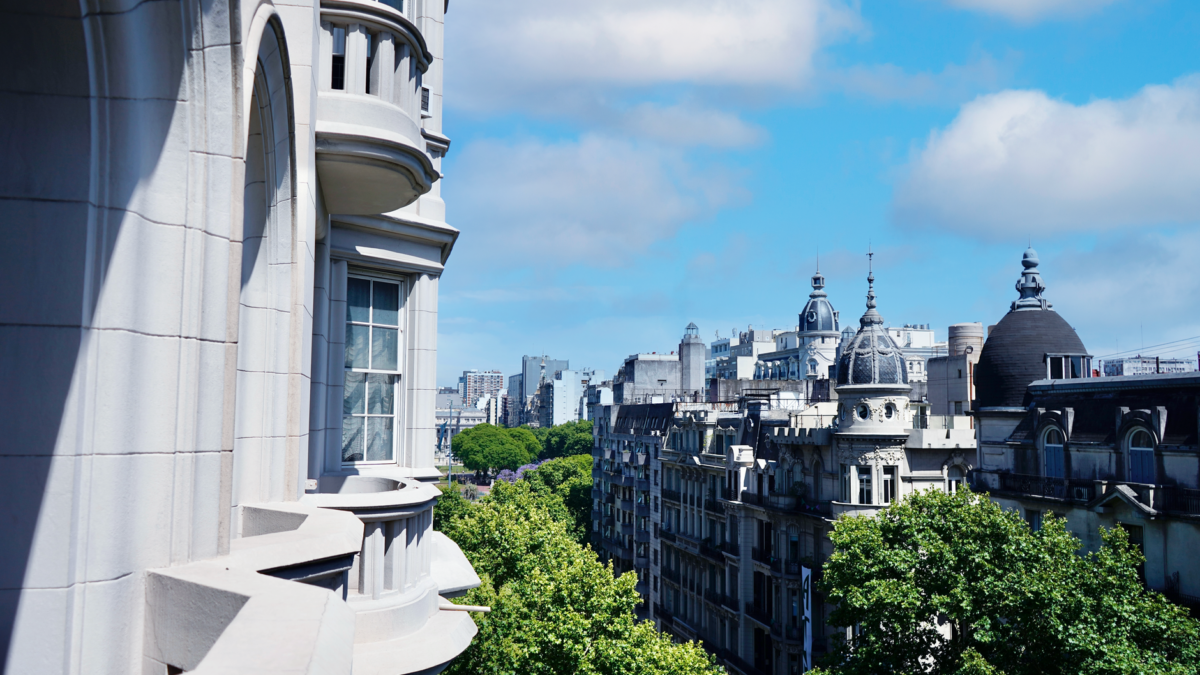
Recoleta: The Paris of South America
Recoleta’s charm lies in its stunning architecture and cultural offerings. This upscale neighborhood is renowned for its historic buildings, elegant cafes, and the famous Recoleta Cemetery, where many of Argentina’s most notable figures are buried, including Eva Perón. Walking through the tree-lined streets, you’ll find yourself surrounded by art galleries, boutiques, and lush parks.
One of the highlights of Recoleta is its weekend artisan market, where local artists display their crafts and handmade goods. This is a great opportunity to pick up unique souvenirs and experience the local atmosphere. Additionally, the area is home to several museums, such as the National Museum of Fine Arts, showcasing works from both Argentine and international artists.
Don’t forget to stop by a traditional café for a coffee and pastry while people-watching. The ambiance in Recoleta is perfect for soaking in the charm of Buenos Aires.
La Boca: A Colorful Cultural Experience
La Boca is perhaps best known for its vibrant streets and the iconic Caminito, a colorful alleyway lined with houses painted in bright hues. This neighborhood is not just a feast for the eyes; it is steeped in Argentine culture, largely influenced by Italian immigrants. You can find numerous tango dancers performing on the streets, showcasing this passionate dance that originated in Buenos Aires.
Visiting La Boca also provides an opportunity to explore the local art scene. Numerous galleries and street artists display their work, capturing the essence of Argentine life. Take a stroll through the area, and you might even find a local artist willing to share their story or demonstrate their craft.
For those interested in sports, La Boca is home to Boca Juniors, one of the most famous football clubs in the world. Consider attending a match for an electrifying experience that showcases the fervor of Argentine football culture.
Palermo: The Trendy Hotspot
Palermo is the largest neighborhood in Buenos Aires and is divided into several sub-neighborhoods, each with its own distinct character. Palermo Soho is known for its trendy boutiques and vibrant nightlife, while Palermo Hollywood is famous for its restaurants and bars. The area is also dotted with parks, making it a great place to relax and enjoy the outdoors.
One of the must-visit spots in Palermo is the Bosques de Palermo, a sprawling park that features beautiful rose gardens, lakes, and walking paths. It’s an ideal spot for picnics or leisurely strolls. On weekends, the park comes alive with local families and street performers, adding to the lively atmosphere.
As the sun sets, Palermo transforms into a nightlife hub, offering a plethora of options for dining and entertainment. From traditional parrillas to trendy wine bars and nightclubs, there’s something for everyone to enjoy.
2. Embracing Argentine Cuisine
Parrillas: The Heart of Argentine Food
Argentine cuisine is famous for its asado, a traditional barbecue that features various cuts of meat, grilled to perfection over an open flame. Visiting a parrilla (steakhouse) is a must for anyone wanting to experience authentic Argentine flavors. Popular cuts include bife de chorizo (sirloin steak) and matambre (flank steak), often served with chimichurri sauce, a zesty condiment made from parsley, garlic, and vinegar.
Many parrillas also offer side dishes like provoleta, a grilled cheese dish, and empanadas, savory pastries filled with meat, cheese, or vegetables. A meal at a parrilla is not just about the food; it’s an experience that often lasts for hours, so be prepared to relax and enjoy the company of friends and family.
For a local recommendation, consider visiting Don Julio, a renowned parrilla famous for its high-quality meat and welcoming atmosphere. It’s advisable to make a reservation as it can get quite busy, especially on weekends.
Street Food: Flavors on the Go
In addition to dining at sit-down restaurants, Buenos Aires has a thriving street food scene that offers a variety of delicious options. From choripán, a sausage sandwich served with chimichurri, to dulce de leche-filled alfajores (cookies), the street food here is both affordable and satisfying.
Head to the markets, such as the Mercado de San Telmo, where you can find a mix of local vendors selling fresh produce, meats, and ready-to-eat meals. This market is also a great place to soak up the local atmosphere, as you can often find live music and performances happening in the surrounding areas.
Don’t miss trying a slice of pizza in Buenos Aires, which has its own unique twist influenced by Italian immigrants. The thick, cheesy slices are a favorite snack for locals and visitors alike.
Wine and Dine: Argentine Wines
Argentina is famous for its Malbec wines, particularly those from the Mendoza region. No visit to Buenos Aires would be complete without sampling some of the excellent local wines. Many restaurants offer wine pairing options, allowing you to elevate your dining experience.
For wine enthusiasts, a visit to a wine bar such as Pain et Vin offers an extensive selection of both local and international wines, paired with a selection of cheeses and charcuterie. Participating in a wine tasting event can also provide a deeper understanding of the varietals and regions of Argentine wine.
Consider exploring the city’s wine culture by joining a guided wine tour or tasting event. This interactive experience will not only allow you to taste but also learn about the wine-making process and regional differences in Argentine wines.

3. Experiencing Tango: The Soul of Buenos Aires
Tango Shows and Milongas
Tango is an integral part of Buenos Aires’ identity, and experiencing it firsthand is essential for any visitor. You can find numerous tango shows throughout the city, where professional dancers perform elaborate routines that tell stories of love, passion, and heartache. Popular venues include El Querandí and Café de los Angelitos, where you can enjoy dinner and a tango show.
For a more immersive experience, consider attending a milonga, a social dance event where locals gather to dance tango. These events are often held in community centers or open-air plazas and provide a more authentic atmosphere. Don’t worry if you’re not an expert dancer; many milongas welcome beginners and often offer lessons before the dancing begins.
To truly appreciate tango, consider taking a dance class. Many studios offer lessons for all skill levels, allowing you to learn the basics of this passionate dance while mingling with locals.
Exploring Tango History
To understand the roots of tango, visiting the Museo Casa Carlos Gardel is highly recommended. This museum is dedicated to the legendary tango singer Carlos Gardel, showcasing his life and contributions to the genre. The museum features memorabilia, photographs, and audio-visual displays that highlight the evolution of tango music and dance.
Another important site is the El Viejo Almacén, a historic tango venue that has hosted some of the greatest tango performances. Here, you can learn about the history of tango while enjoying live music and dance from talented performers.
Additionally, consider joining a walking tour focused on tango history, which can provide deeper insights into the cultural significance of tango and its development in Buenos Aires.

4. Cultural Attractions and Landmarks
The Iconic Obelisco
The Obelisco, located in the heart of Buenos Aires, is one of the city’s most recognizable landmarks. Standing at 67 meters tall, this monument commemorates the city’s 400th anniversary and is a popular gathering place for both locals and tourists. It’s situated at the intersection of Avenida 9 de Julio, one of the widest avenues in the world.
Visiting the Obelisco is a great starting point for exploring the surrounding area, which is filled with shops, cafes, and theaters. Nearby, you can find the famous Teatro Colón, renowned for its stunning architecture and acoustics. Consider taking a guided tour of the theater to appreciate its history and design.
The area around the Obelisco is also home to several important buildings, including the National Palace and the Argentine Congress, both of which are worth a visit for their impressive architecture and historical significance.
Casa Rosada: The Presidential Palace
Casa Rosada, or the Pink House, is the executive mansion and office of the President of Argentina. Its distinctive pink facade makes it one of the most photographed buildings in the city. Visitors can take guided tours of the interior, which include access to historical rooms, the presidential office, and beautiful balconies overlooking Plaza de Mayo.
Plaza de Mayo itself is rich in history, being the site of many significant events in Argentine history, including protests, celebrations, and political rallies. It’s a great place to sit and reflect on the city’s vibrant past.
Be sure to check the schedule for guided tours, as they may not be available every day. Arriving early can help you secure a spot in a tour, especially during peak tourist seasons.
Art and Museums: A Cultural Hub
Buenos Aires boasts a thriving arts scene, with numerous museums and galleries showcasing both contemporary and traditional Argentine art. The MALBA (Museo de Arte Latinoamericano de Buenos Aires) is a must-visit for art lovers, featuring works by famous Latin American artists such as Frida Kahlo and Diego Rivera.
Another notable institution is the Museo Nacional de Bellas Artes, which houses an extensive collection of Argentine and European art. Admission is often free, making it an accessible option for all visitors.
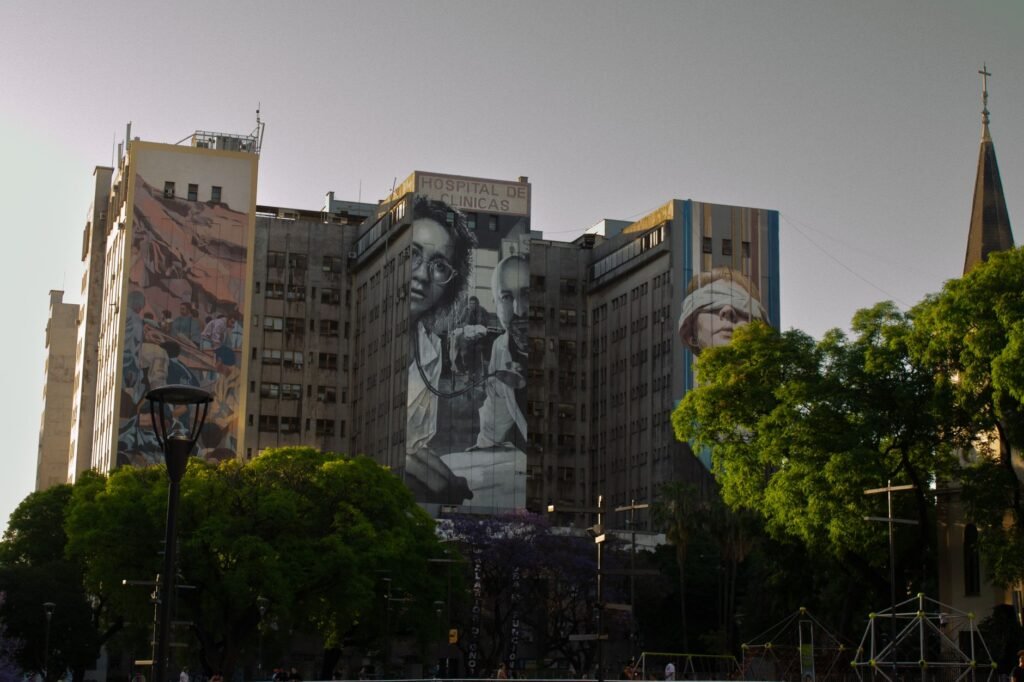
Art enthusiasts can also explore the numerous street art pieces scattered throughout the city. Consider joining a guided street art tour to gain insight into the artists and their messages, showcasing the city’s vibrant urban culture.
5. Enjoying the Nightlife
Bars and Clubs in Palermo
Palermo is famous for its nightlife, offering a range of bars, clubs, and lounges to suit every taste. From rooftop bars with stunning views to intimate speakeasies, the options are endless. Many venues host live music, ranging from jazz to electronic, creating a dynamic atmosphere that draws both locals and tourists.
For an unforgettable experience, visit a bar like Florería Atlántico, which doubles as a flower shop and cocktail bar. The creative drinks and unique ambiance make it a favorite among locals. Reservations are often recommended, especially on weekends.
As the night progresses, many clubs open their doors, with music and dancing going well into the early morning hours. Popular clubs such as Crobar and Club Niceto Vega often feature renowned DJs and live performances, making them hotspots for nightlife enthusiasts.
Live Music Venues
Buenos Aires is also known for its live music scene, ranging from tango performances to rock concerts. Venues like La Trastienda and El Teatro Gran Rex host a variety of genres, featuring both local and international artists. Check their schedules ahead of time to catch a performance that aligns with your interests.
For a more intimate experience, consider visiting a local milonga where you can enjoy live tango music while watching or participating in the dance. These events provide a unique glimpse into the Argentine cultural experience.
Additionally, many bars and cafes host open mic nights and jam sessions, allowing you to discover emerging talent in the vibrant music scene.
Frequently Asked Questions
What is the best time to visit Buenos Aires?
The best time to visit Buenos Aires is during the spring (September to November) and fall (March to May) when the weather is mild and pleasant. These seasons also host various cultural events and festivals.
Do I need to speak Spanish to navigate Buenos Aires?
While speaking Spanish can enhance your experience, many locals in tourist areas speak English. Basic Spanish phrases can be helpful, especially in more traditional neighborhoods.
Is Buenos Aires safe for tourists?
Buenos Aires is generally safe for tourists, but like any major city, it’s essential to stay aware of your surroundings and take common-sense precautions, especially in crowded areas.
What currency is used in Buenos Aires?
The official currency of Argentina is the Argentine peso (ARS). It’s advisable to have some cash on hand for small purchases, though credit cards are widely accepted in most establishments.
The Bottom Line
Buenos Aires is a city that offers a wealth of experiences for travelers, from its rich cultural heritage and vibrant neighborhoods to its delicious cuisine and lively nightlife. By embracing the top Buenos Aires experiences highlighted in this guide, you’ll ensure a memorable trip filled with unforgettable moments. Whether you’re dancing tango, savoring an asado, or exploring the city’s art scene, Buenos Aires invites you to discover its unique charm and spirit.