Key Takeaways
- Experience the vibrant cultural scene in Sao Paulo.
- Explore unique neighborhoods and their attractions.
- Indulge in the city's diverse culinary offerings.
- Enjoy outdoor spaces and parks for relaxation.
Sao Paulo, Brazil’s largest city, is a bustling metropolis known for its vibrant culture, diverse neighborhoods, and rich history. Whether you’re an art lover, a foodie, or someone seeking adventure, this city has something for everyone. In this guide, we’ll explore the top things to do in Sao Paulo, ensuring you make the most out of your visit.
The city’s dynamic atmosphere is palpable as you navigate through its streets, experiencing the sounds, smells, and sights that define its unique character. From world-class museums to lively markets and stunning parks, Sao Paulo is a destination that promises to enchant and surprise. Each neighborhood offers its own flavor, making it an ideal place for exploration.
As you plan your trip, consider the diverse range of activities available. This guide will cover cultural sites, local cuisine, outdoor recreation, and vibrant nightlife, providing practical tips to enhance your experience in this incredible city.
1. Explore the Cultural Landmarks
Sao Paulo is a cultural hub, boasting numerous museums, theaters, and historical sites. One of the must-visit spots is the São Paulo Museum of Art (MASP), renowned for its impressive collection of Western art, featuring works by Van Gogh, Rembrandt, and Picasso. The museum’s striking architecture, designed by Lina Bo Bardi, makes it a landmark in itself.
Another significant cultural site is the Pinacoteca do Estado de São Paulo, which houses Brazilian art from the 19th century to contemporary works. Located in a beautifully restored building, the museum offers a glimpse into the nation’s artistic evolution. Don’t miss the surrounding Jardim da Luz, a landscaped park perfect for a leisurely stroll.
For a taste of local history, visit the Municipal Market of São Paulo. This bustling market is famous for its vibrant atmosphere and delicious food offerings. Try the iconic mortadella sandwich and indulge in the fresh fruits and local delicacies available from various vendors.
Key Cultural Sites to Visit
- São Paulo Museum of Art (MASP) – Western art masterpieces and stunning architecture.
- Pinacoteca do Estado de São Paulo – A deep dive into Brazilian art history.
- Municipal Market of São Paulo – A culinary haven with local flavors.
2. Experience Sao Paulo’s Neighborhoods
Sao Paulo’s neighborhoods are as diverse as its population. Each area has its unique charm and attractions. The Vila Madalena neighborhood is a vibrant arts district known for its colorful street art and bohemian atmosphere. The famous Beco do Batman alley is a must-see, showcasing impressive graffiti by local artists.
If you’re looking for a more upscale experience, head to the Jardins district. This area is filled with designer boutiques, high-end restaurants, and chic cafes. It’s a great place to shop or simply enjoy a coffee while people-watching.
For a historical perspective, visit the Liberdade neighborhood, home to the largest Japanese community outside Japan. Here, you can explore unique shops, markets, and traditional Japanese restaurants. The area comes alive during festivals, especially the Tanabata Matsuri, which celebrates Japanese culture.
Neighborhood Highlights
- Vila Madalena – Artsy vibe with street art and galleries.
- Jardins – Upscale shopping and dining experiences.
- Liberdade – A glimpse into Japanese culture in Brazil.

3. Savor the Culinary Delights
Sao Paulo is often hailed as the culinary capital of Brazil, with a food scene that reflects its cultural diversity. From traditional Brazilian dishes to international cuisine, the city offers an endless array of flavors. A visit to Sao Paulo would be incomplete without trying the famous feijoada, a hearty black bean stew with pork, typically served with rice, collard greens, and orange slices.
For seafood lovers, the restaurantes de frutos do mar (seafood restaurants) are plentiful. Many locals recommend Olimpo, known for its fresh fish and delicious moqueca, a traditional Brazilian fish stew. Additionally, the city’s vibrant street food scene is worth exploring. Vendors offer everything from pastel (fried pastries) to coxinha (chicken croquettes).
Vegetarians will also find plenty of options, with many restaurants catering to diverse dietary preferences. The Vegan Vegan restaurant in Vila Madalena is a favorite for plant-based dishes that showcase local ingredients. Consider joining a food tour to experience the best of Sao Paulo’s culinary offerings.
Must-Try Foods
- Feijoada – A traditional black bean stew.
- Moqueca – A Brazilian fish stew with coconut milk.
- Pastel – Fried pastries filled with various ingredients.
- Coxinha – Chicken croquettes, a popular street food.
4. Enjoy the Green Spaces
Despite being a bustling metropolis, Sao Paulo is home to numerous parks and green spaces that provide a welcome escape from the urban hustle. Ibirapuera Park is one of the largest and most popular parks in the city, offering a range of activities and attractions. Visitors can stroll around its beautiful gardens, rent a pedal boat on the lake, or visit the various museums located within the park.
Another notable green space is Parque da Juventude, which is designed as a recreational area for youth. It features sports facilities, a library, and areas for picnics, making it a great spot for families. The park’s modern design and engaging activities attract visitors of all ages.
For a more tranquil experience, consider visiting Villa-Lobos Park. This park is known for its extensive walking and biking trails, as well as areas for jogging and outdoor exercises. The park often hosts cultural events and concerts, adding to its charm.
Popular Parks to Visit
- Ibirapuera Park – A cultural and recreational hub.
- Parque da Juventude – Designed for youth with various activities.
- Villa-Lobos Park – Ideal for outdoor exercise and tranquility.
5. Experience the Nightlife
Sao Paulo’s nightlife is as diverse as the city itself, offering something for everyone, whether you prefer lively bars, nightclubs, or cultural performances. The Vila Madalena neighborhood comes alive at night, with numerous bars and live music venues. It’s the perfect place to enjoy a caipirinha while listening to local bands perform.
If you’re in the mood for dancing, head to D-Edge, a popular nightclub known for its electronic music and vibrant atmosphere. The club features both local and international DJs, ensuring a memorable night out. Another notable venue is Casa de Francisca, which offers an intimate setting for live music, showcasing a variety of genres from samba to rock.
For a unique experience, consider attending a cultural performance at the Theatro Municipal, where you can enjoy opera, ballet, or classical music concerts. The theater itself is an architectural gem, adding to the overall experience.
Nightlife Highlights
- Vila Madalena – Lively bars and local music.
- D-Edge – A premier nightclub for electronic music.
- Casa de Francisca – Intimate live music performances.

6. Attend Festivals and Events
Sao Paulo hosts numerous festivals and events throughout the year, celebrating its cultural diversity and vibrant spirit. One of the largest events is the São Paulo Fashion Week, attracting fashion enthusiasts, designers, and celebrities. This event showcases the latest trends and innovations in the fashion industry, making it a must-see for style aficionados.
Another significant event is the Virada Cultural, a 24-hour cultural festival featuring music, dance, theater, and art exhibitions. It takes place in various locations across the city, showcasing local talent and providing entertainment for all ages. The festival is a fantastic opportunity to experience Sao Paulo’s artistic community.
During the months of June and July, the Festas Juninas celebration takes over the city, marking the traditional Brazilian harvest festival. Expect lively music, dance, and delicious food, including traditional treats like pamonha (corn pudding) and quentão (hot spiced wine).
Notable Events in Sao Paulo
- São Paulo Fashion Week – A showcase of fashion trends.
- Virada Cultural – A 24-hour cultural festival.
- Festas Juninas – Celebrating traditional harvest festivities.
Discover the Art Scene Beyond the Obvious
Street Art Tours
Sao Paulo is renowned for its vibrant street art, often overshadowed by its more prominent galleries. Taking a guided street art tour can reveal the city’s hidden masterpieces tucked away in alleyways and lesser-known neighborhoods. Renowned street artists like Os Gêmeos and Eduardo Kobra have left their marks on the urban canvas, providing insights into contemporary Brazilian culture.
- Beco do Batman: Known for its colorful murals, it’s a must-visit spot for street art enthusiasts.
- Graffiti Museum: A dedicated space highlighting the evolution of street art in Brazil.
- Local Artists: Many tours include interactions with local artists, offering a unique perspective on their creative process.
These tours often last a few hours, combining walking with storytelling. They not only showcase the art but also discuss the socio-political messages often embedded within. Engaging with the local art community can deepen your understanding of Sao Paulo’s cultural landscape.
Alternative Galleries and Art Spaces
While institutions like the São Paulo Museum of Art (MASP) are famous, exploring alternative galleries can uncover emerging talent. Spaces like Casa Triângulo and Galeria Fortes Vilaça focus on contemporary art and often host exhibitions featuring up-and-coming artists. These galleries often provide a more intimate viewing experience, allowing for closer interactions with the art.
- Casa Triângulo: Known for its experimental exhibitions and local artist showcases.
- Galeria Fortes Vilaça: A platform for innovative contemporary art, often featuring installations and performances.
- Instituto Tomie Ohtake: Dedicated to modern art, architecture, and design, it often hosts cutting-edge exhibitions.
Visiting these spaces can lead to delightful discoveries, making for a more personalized and enriching experience of Sao Paulo’s art scene.
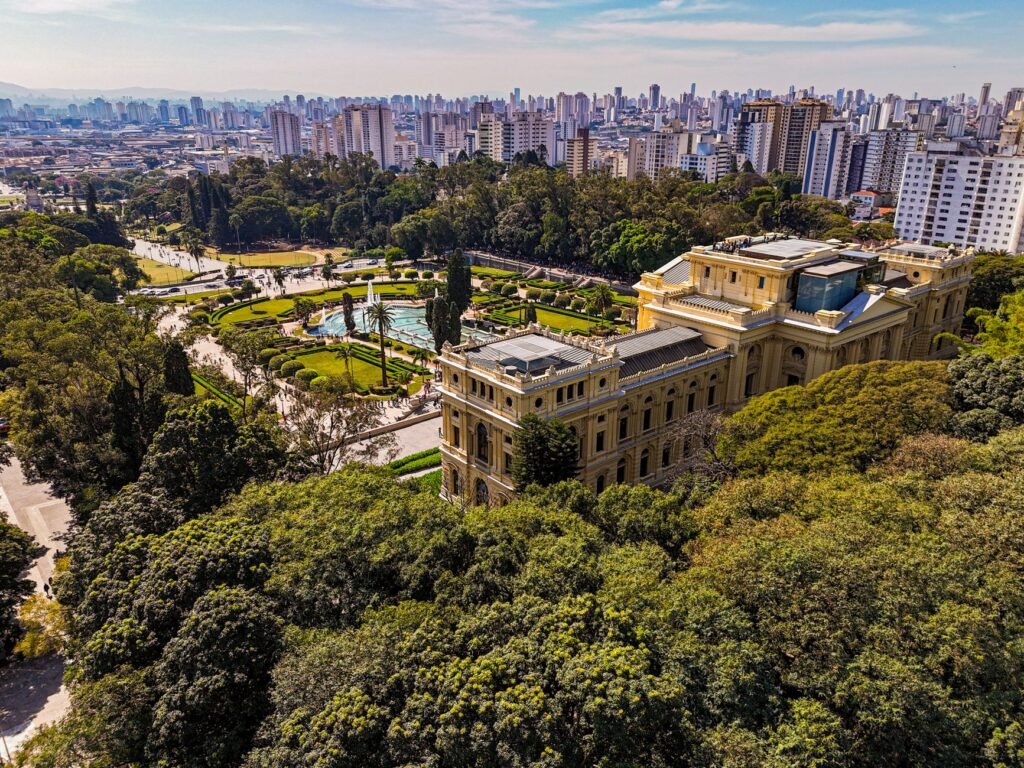
Unearth the Historical Depth of Sao Paulo
Historic Downtown Walking Tours
Exploring historic downtown Sao Paulo is a journey through time. The region is home to several architectural gems that showcase the city’s evolution. A guided walking tour can lead you through key sites like the Theatro Municipal and the Martinelli Building, providing context about their significance and the stories behind them.
- Theatro Municipal: An iconic performance venue, showcasing the city’s cultural heritage.
- Praça da Sé: The heart of the city, it boasts the stunning São Paulo Cathedral.
- Edifício Copan: A modernist masterpiece designed by Oscar Niemeyer, it’s a symbol of Brazilian architecture.
These tours often include narratives about the city’s development, including the influence of immigrants and the industrial boom. By understanding these historical contexts, visitors can appreciate Sao Paulo’s complexity and character.
Local Museums and Historical Exhibits
Beyond mainstream museums, Sao Paulo offers a wealth of local history at smaller institutions. The Museum of the Portuguese Language is particularly noteworthy, celebrating the language’s evolution and its cultural significance in Brazil. Meanwhile, the Museum Afro Brasil highlights the contributions of Afro-Brazilians to the country’s history and culture.
- Museum of the Portuguese Language: An interactive experience that delves into the richness of the Portuguese language.
- Museum Afro Brasil: Showcases African heritage and its impact on Brazilian culture.
- Pinacoteca do Estado: Focuses on Brazilian art, providing insights into the nation’s artistic heritage.
These museums often host workshops and events that further immerse visitors in the local culture. They serve as educational hubs where one can learn about Sao Paulo’s diverse history and its influence on contemporary society.
Engage with Sao Paulo’s Local Communities
Volunteering Opportunities
For those looking to connect with the local community, volunteering is a rewarding way to do so. Various organizations in Sao Paulo welcome international volunteers, providing opportunities to engage with social issues while making a difference. Whether it’s tutoring children, aiding in community gardens, or participating in conservation efforts, there are numerous avenues to contribute.
- Education Programs: Help children learn English or other subjects in under-resourced neighborhoods.
- Environmental Initiatives: Join projects focused on urban gardening or sustainability efforts.
- Social Outreach: Work with organizations that provide support to marginalized communities.
Volunteering not only benefits the community but also allows visitors to form genuine connections with locals, enhancing their travel experience.
Local Workshops and Classes
Participating in workshops can provide a hands-on experience of Sao Paulo’s rich culture. Whether it’s a cooking class focusing on traditional Brazilian dishes or a samba dance lesson, these activities offer an immersive way to learn. Local artisans often conduct these workshops, sharing their skills and stories.
- Culinary Classes: Learn to make feijoada or brigadeiro from local chefs.
- Samba Dance Lessons: Experience the rhythm of Brazil with a local dance instructor.
- Artisan Crafts: Engage in pottery or weaving workshops led by skilled artisans.
These experiences not only enrich your understanding of Sao Paulo’s culture but also support local economies by promoting craftsmanship and traditional practices.
Frequently Asked Questions
What is the best time to visit Sao Paulo?
The best time to visit Sao Paulo is during the dry season, from May to September, when temperatures are mild and rainfall is minimal. This makes it ideal for outdoor activities and sightseeing.
Is Sao Paulo safe for tourists?
While Sao Paulo is generally safe for tourists, it’s crucial to remain vigilant and take common safety precautions, such as avoiding poorly lit areas at night and securing your belongings.
What transportation options are available in Sao Paulo?
Sao Paulo has an extensive public transportation system, including buses and a metro network. Ridesharing services are also popular, providing convenient options for getting around the city.
How can I learn about local culture in Sao Paulo?
Engaging with local guides, attending cultural events, and visiting museums can enhance your understanding of Sao Paulo’s rich culture and history.
The Bottom Line
Sao Paulo is a city that captivates with its blend of culture, cuisine, and vibrant neighborhoods. From exploring iconic landmarks to indulging in the culinary scene and enjoying the nightlife, there’s no shortage of things to do. Planning your itinerary around the diverse experiences available will ensure a memorable visit to this dynamic Brazilian city.