Key Takeaways
- Germany offers a rich blend of history and modernity.
- Explore stunning castles and scenic landscapes.
- Experience diverse cultural events and festivals.
- Enjoy local cuisine and vibrant nightlife.
Germany is a country that seamlessly blends rich history with modern innovation, offering travelers a plethora of experiences. From its iconic castles and historic cities to its picturesque countryside and vibrant cultural scene, Germany has something for everyone. This guide will delve into the top things to do in Germany, ensuring you make the most of your visit.
Whether you are an adventurous traveler, a history buff, or a foodie, Germany’s diverse attractions cater to all interests. Get ready to explore its stunning landscapes, bustling cities, and unique traditions. Let’s uncover the must-see destinations and activities that should top your itinerary.
As you plan your trip, you’ll find that Germany is not just about sightseeing; it’s also about experiencing the local culture, enjoying delectable cuisine, and immersing yourself in its vibrant nightlife. Each region of Germany offers distinct experiences, making it essential to know what to prioritize during your visit.
Berlin: The Heart of Germany
Berlin, the capital city, is a bustling metropolis known for its rich history and dynamic culture. The city is a hub for art, music, and politics, with a vibrant nightlife and an eclectic mix of neighborhoods. Here are some top attractions in Berlin:
- The Brandenburg Gate: An iconic symbol of Berlin, this neoclassical monument is a must-visit. It has witnessed significant historical events and stands as a reminder of the city’s tumultuous past.
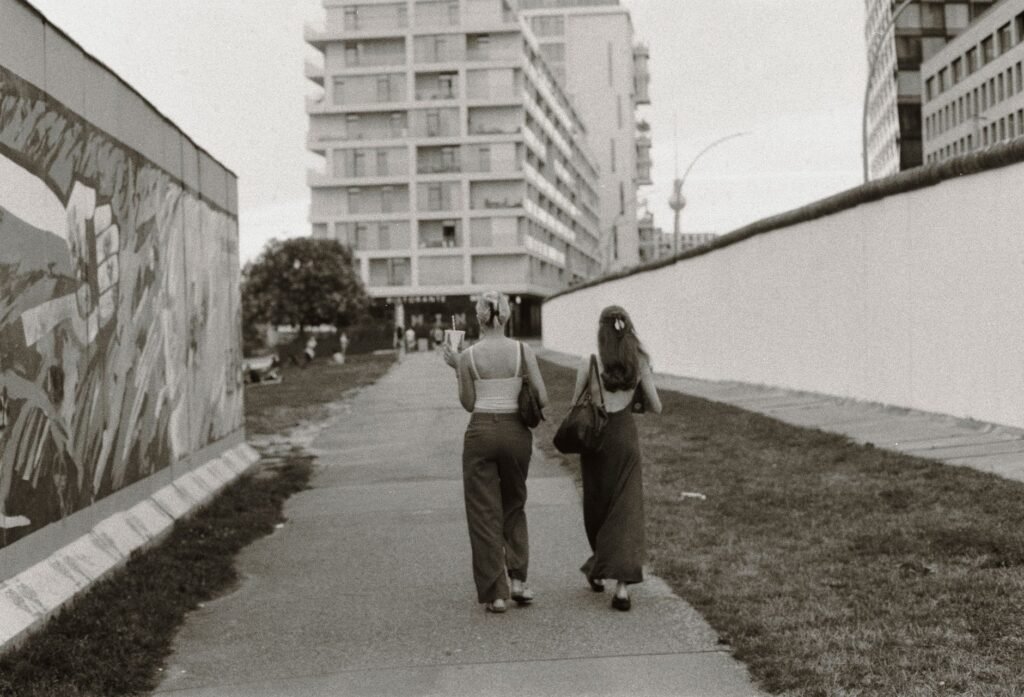
- The Berlin Wall: The remnants of the Berlin Wall offer a poignant glimpse into Germany’s division during the Cold War. Visit the East Side Gallery, where artists have transformed the wall into a vibrant canvas of murals.
- Berlin Museums: The Museum Island, a UNESCO World Heritage site, hosts five world-renowned museums. The Pergamon Museum is particularly famous for its ancient artifacts.
Additionally, take a stroll through the historic Nikolaiviertel, where you can enjoy quaint cafes and shops. If you’re in Berlin during summer, don’t miss out on the various open-air festivals that showcase local talent and culture.
Experience Berlin’s Nightlife
Berlin is famous for its nightlife, with countless bars, clubs, and live music venues. Areas like Kreuzberg and Friedrichshain are known for their alternative scene, featuring everything from techno clubs to cozy pubs. For a more upscale experience, check out the rooftop bars that offer stunning views of the city’s skyline.
Munich: Culture and Beer
Munich, the capital of Bavaria, is renowned for its beer culture, historic architecture, and beautiful parks. A visit to Munich offers a blend of traditions and modernity, making it an essential stop on your German adventure. Key attractions include:
- Marienplatz: The central square of Munich is home to the famous Glockenspiel, which performs daily at 11 a.m. and noon, delighting visitors with its animated figures.
- Englischer Garten: One of the largest urban parks in the world, the Englischer Garten is perfect for a leisurely stroll, a picnic, or even surfing on the Eisbach wave.
- Oktoberfest: If you visit in late September to early October, don’t miss this world-famous beer festival. Experience traditional Bavarian culture, food, and, of course, beer in massive tents.
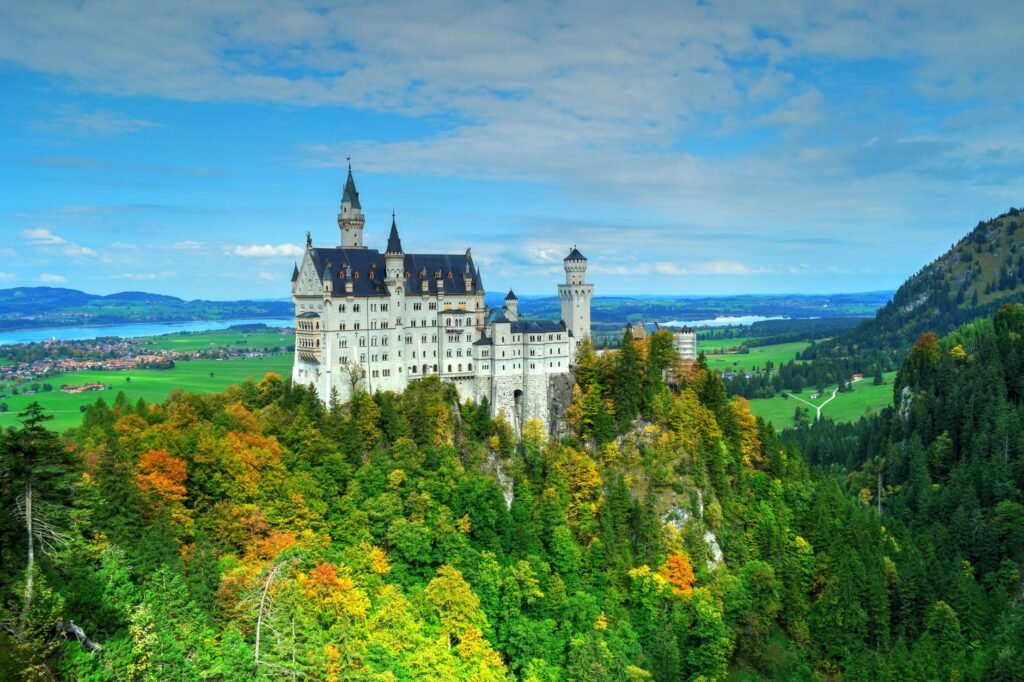
Munich is also a great base for day trips to nearby attractions like Neuschwanstein Castle, which inspired Disney’s Sleeping Beauty Castle. The castle’s fairy-tale architecture and stunning mountain backdrop make it a photographer’s paradise.
Local Cuisine
No trip to Munich is complete without sampling local dishes. Try Weisswurst (white sausage) with sweet mustard, Brezn (pretzels), and various types of schnitzel. Pair your meal with a refreshing pint of local beer for an authentic Bavarian experience.
Hamburg: The Gateway to the World
Hamburg is Germany’s second-largest city and an important port. It boasts a rich maritime history and a vibrant cultural scene. Key sites to explore in Hamburg include:
- Speicherstadt: This UNESCO World Heritage site is the world’s largest warehouse district, known for its red brick buildings and canals. It’s a picturesque area for a walk and offers various museums.
- Elbphilharmonie: A stunning concert hall that has become a symbol of Hamburg, the Elbphilharmonie offers tours and concerts with breathtaking views over the harbor.
- Reeperbahn: Known as the city’s nightlife district, the Reeperbahn is famous for its bars, clubs, and live music venues. It’s a lively area to experience Hamburg’s nightlife.
Hamburg is also home to several beautiful parks and gardens, ideal for relaxing after a day of sightseeing. The city’s diverse culinary scene is worth exploring, with options ranging from traditional German fare to international cuisine.
Shopping and Culture
For shopping enthusiasts, head to the Jungfernstieg area, where you can find luxury boutiques and department stores. Don’t forget to check out the local markets, such as the historic Fish Market, where you can sample fresh seafood and local delicacies.
Cologne: A City of Cathedrals
Cologne is famous for its stunning Gothic cathedral, which is a UNESCO World Heritage site. The city is a cultural hub with numerous museums, galleries, and event spaces. Key attractions include:
- Cologne Cathedral: The Kölner Dom is one of the tallest cathedrals in Europe and offers breathtaking views from its tower. Don’t miss the opportunity to explore its stunning architecture and rich history.
- Old Town (Altstadt): Wander through the charming streets of the Old Town, where you can find traditional breweries and quaint shops. The area is perfect for a leisurely stroll and enjoying local cuisine.
- Cologne Carnival: If you visit during the carnival season, join the locals in celebrating this vibrant festival with parades, costumes, and street parties.
Cologne is also known for its vibrant arts scene. The city hosts various festivals throughout the year, celebrating everything from music to film, making it a lively destination for culture lovers.
Festivals and Events
Cologne hosts numerous events that showcase its culture. The Christmas markets in December are particularly enchanting, with festive lights, local crafts, and delicious seasonal treats.
Heidelberg: A Romantic Getaway
Heidelberg is known for its picturesque old town and historic university. It’s a charming city that embodies the romantic spirit of Germany. Highlights include:
- Heidelberg Castle: Perched on a hilltop, this castle offers stunning views of the city and the Neckar River. Take a guided tour to learn about its fascinating history.
- Philosopher’s Walk: This scenic path provides breathtaking views of Heidelberg and is perfect for a leisurely stroll. It’s named after the philosophers who once walked there to contemplate.
- Old Bridge: The historic bridge connects the old town with the opposite bank and offers a lovely backdrop for photos.
Heidelberg’s vibrant student population ensures a lively atmosphere, with plenty of cafes and bars to enjoy. The city also hosts various cultural events, including music festivals and open-air markets.
A Taste of Local Cuisine
While in Heidelberg, try local specialties like sausages, potato salad, and delicious pastries from local bakeries. The city’s restaurant scene offers a mix of traditional and modern cuisine, perfect for food lovers.
Romantic Road: A Scenic Journey
The Romantic Road is a famous scenic route that runs through southern Germany, connecting several charming towns and picturesque landscapes. Highlights along the route include:
- Rothenburg ob der Tauber: This medieval town is famous for its well-preserved architecture and charming streets. Don’t miss the Night Watchman tour for an entertaining history lesson.
- Dinkelsbühl: Another beautiful medieval town, Dinkelsbühl features colorful half-timbered houses and a lovely town square.
- Füssen: At the southern end of the Romantic Road, Füssen is the gateway to Neuschwanstein Castle and offers stunning alpine scenery.
Traveling the Romantic Road allows you to experience the heart of Bavaria, with opportunities to sample local wines, cheeses, and other culinary delights along the way.
Tips for Driving the Romantic Road
Consider renting a car for the most flexibility and convenience. The route is well-marked, and stopping at small towns along the way can enhance your experience. Plan your stops in advance to make the most of your journey.
Exploring Bavaria: Beyond Munich
1. Nuremberg: A Blend of History and Modernity
Nuremberg, known for its rich history and vibrant culture, is a must-visit city in Bavaria. The city is famous for its medieval architecture and significant role in WWII history. Start your journey at the Nuremberg Castle, which offers stunning views of the city and a glimpse into its past through various exhibitions. Another highlight is the Documentation Center Nazi Party Rally Grounds, which provides a sobering insight into the historical events that shaped modern Germany.
Aside from history, Nuremberg is renowned for its culinary delights, particularly its gingerbread and sausages. Don’t miss trying the Nuremberg bratwurst, which is typically served in groups of three and is a local favorite. Additionally, the city hosts the famous Christkindlesmarkt, one of the oldest Christmas markets in the world, attracting visitors with its festive cheer and handcrafted goods.
- Nuremberg Castle
- Documentation Center Nazi Party Rally Grounds
- Nuremberg bratwurst
- Christkindlesmarkt
2. Regensburg: A UNESCO World Heritage Site
Regensburg is a charming city that boasts one of the best-preserved medieval town centers in Germany, making it a UNESCO World Heritage Site. The city’s Old Town features narrow streets lined with colorful buildings, offering a delightful atmosphere for a leisurely stroll. Key attractions include the Stone Bridge, which dates back to the 12th century, and the Regensburg Cathedral, an impressive Gothic structure that towers over the city.
Regensburg is also known for its vibrant cultural scene. The annual Regensburger Jazzweek and the Christmas market attract numerous visitors, showcasing local talent and festive traditions. Food lovers can delve into the local cuisine at one of the many traditional restaurants, where you can savor dishes such as sausages and sauerkraut, or indulge in a pint of Regensburger beer.
- Stone Bridge
- Regensburg Cathedral
- Regensburger Jazzweek
- Local cuisine
3. Zugspitze: Germany’s Highest Peak
For those seeking adventure and breathtaking views, Zugspitze is not to be missed. At 2,962 meters, it is the highest peak in Germany and offers a variety of outdoor activities year-round. Visitors can take a cable car to the summit, where panoramic views of the Alps await. In the winter, Zugspitze transforms into a snow-covered paradise, perfect for skiing and snowboarding.
During the summer months, hiking trails cater to all skill levels, allowing you to explore the stunning alpine landscape. The area is also home to the Eibsee, a picturesque lake at the foot of Zugspitze, where you can enjoy swimming, paddle boating, or simply relaxing by the shore. Don’t forget to stop by the summit restaurant for a meal with a view.
- Cable car to the summit
- Skiing and snowboarding in winter
- Hiking trails in summer
- Eibsee lake
The Romantic Road: Charming Towns and Villages
1. Rothenburg ob der Tauber: A Fairy Tale Town
Rothenburg ob der Tauber is often considered the jewel of the Romantic Road. This well-preserved medieval town is characterized by its half-timbered houses, cobblestone streets, and enchanting atmosphere. A stroll through the town’s market square is a must, where you can admire the impressive Town Hall and the ornate fountain.
One of the unique experiences in Rothenburg is the Night Watchman Tour, which takes you through the town’s history by lantern light, offering a captivating glimpse into its medieval past. Additionally, be sure to try the local specialty, Schneeballen, a sweet pastry that comes in various flavors and is a favorite among visitors. The town’s Christmas market is also a highlight, attracting tourists with its festive decorations and handmade crafts.
- Market square
- Night Watchman Tour
- Schneeballen pastry
- Christmas market
2. Dinkelsbühl: A Hidden Gem
Dinkelsbühl is another charming stop along the Romantic Road, often overshadowed by its more famous neighbors. This picturesque town is surrounded by well-preserved medieval walls and features beautiful buildings that date back to the 14th century. Take a leisurely walk along the town’s ramparts for stunning views of the surrounding countryside.
The town is famous for its annual Kinderzeche festival, which celebrates its history and traditions with parades and performances. Dinkelsbühl also offers a variety of cozy guesthouses and restaurants where you can enjoy local cuisine, including hearty German fare. Exploring this hidden gem is a delightful way to experience the authentic charm of Bavaria.
- Medieval walls
- Kinderzeche festival
- Cozy guesthouses
- Local cuisine
3. Füssen: Gateway to Neuschwanstein Castle
Füssen serves as the gateway to the iconic Neuschwanstein Castle, one of the most photographed castles in the world. Nestled in the Bavarian Alps, this fairy-tale castle was commissioned by King Ludwig II and offers breathtaking views and stunning architecture. Visitors can take a guided tour to learn about the castle’s history and its inspiration.
Beyond the castle, Füssen itself is a charming town with a rich musical heritage. The Hohes Schloss, a medieval castle in the town center, hosts art exhibitions and offers panoramic views of the surrounding area. The nearby Forggensee lake provides opportunities for outdoor activities, such as boating and hiking, making Füssen a perfect blend of culture and nature.
- Neuschwanstein Castle
- Hohes Schloss
- Forggensee lake
- Outdoor activities
Frequently Asked Questions
What is the best time to visit Germany?
The best time to visit Germany is during the spring (April to June) and fall (September to October) when the weather is mild and many festivals take place.
Is Germany an expensive country to visit?
Germany can be budget-friendly, especially if you take advantage of public transportation and enjoy local street food. Accommodation prices vary, so booking in advance can help you find good deals.
What are some traditional German dishes to try?
Be sure to try dishes like Bratwurst, Sauerkraut, Pretzels, and regional specialties such as Black Forest cake and Sauerbraten.
Is it easy to get around Germany?
Yes, Germany has an extensive and efficient public transportation system, including trains, trams, and buses, making it easy to travel between cities and towns.
The Bottom Line
Germany is a country rich in history, culture, and natural beauty, offering countless experiences for travelers. From the vibrant streets of Berlin to the romantic landscapes along the Romantic Road, Germany is filled with attractions that cater to all interests. Whether you’re exploring the bustling cities, savoring local cuisine, or enjoying festive events, Germany promises an unforgettable travel experience.