Key Takeaways
- Experience Hawaii's stunning natural landscapes.
- Find practical tips for visiting each vista.
- Enjoy diverse activities from hiking to photography.
- Capture unforgettable memories in Hawaii's scenic spots.
Hawaii, an archipelago of stunning islands, offers some of the most breathtaking vistas in the world. From dramatic cliffs that plunge into the ocean to serene beaches framed by swaying palm trees, the Hawaiian islands are a paradise for nature lovers and photographers alike. This article explores the top 20 Hawaiian vistas that you must visit, ensuring you experience the beauty that Hawaii has to offer.
Each vista presents a unique perspective of Hawaii’s diverse landscapes and ecosystems. Whether you’re looking for a challenging hike or a leisurely stroll with picturesque views, this guide will help you discover the best spots across the islands. Remember, many of these locations require a bit of travel and preparation; thus, be sure to plan ahead.
Let’s embark on an exploration of Hawaii’s top vistas, each promising stunning views and unforgettable experiences.
1. Haleakalā National Park, Maui
Haleakalā National Park is renowned for its stunning sunrises and sunsets viewed from the summit of the dormant volcano. At an elevation of 10,023 feet, the views from the top are nothing short of spectacular. The landscape features unique geological formations, which have been shaped by volcanic activity over the centuries.
Visitors often arrive early to witness the sunrise, which paints the sky in vibrant hues of orange, pink, and purple. The experience is enhanced by the cool morning air and the tranquility of the environment. For those interested in a different perspective, sunset views are equally breathtaking and often less crowded.
Be mindful that temperatures can be quite chilly at the summit, so dress in layers. There are also various hiking trails in the park that lead to different lookout points, providing ample opportunity to explore the volcanic terrain.
2. Nā Pali Coast, Kauai
The Nā Pali Coast is one of Hawaii’s most iconic vistas, featuring dramatic sea cliffs, lush valleys, and cascading waterfalls. Accessible primarily by boat, helicopter, or hiking, the coastline offers breathtaking views that are unlike any other. The rugged terrain and the vibrant greens of the valleys create a stunning contrast against the deep blue ocean.
- Boat Tours: Consider taking a boat tour along the coastline for a unique vantage point of the cliffs and hidden beaches.
- Hiking: The Kalalau Trail is a popular hiking route that gives trekkers the chance to experience the coast up close. Just be prepared for steep and challenging sections.
- Helicopter Rides: For those seeking a bird’s-eye view, helicopter tours reveal the full splendor of the Nā Pali Coast.
Regardless of how you choose to experience the Nā Pali Coast, ensure your camera is ready to capture this unmatched beauty.

3. Waimea Canyon, Kauai
Often referred to as the
4. The Road to Hana, Maui
The Road to Hana is one of the most iconic drives in the Hawaiian Islands, offering breathtaking views of lush rainforests, cascading waterfalls, and dramatic coastal cliffs. This scenic route stretches approximately 64 miles along the northeastern coast of Maui, winding through 620 curves and crossing 59 bridges. The journey itself is a significant part of the experience, as numerous lookout points and attractions invite travelers to stop and explore.
4.1 Must-See Stops Along the Route
While the entire drive is stunning, several key stops are essential for anyone traversing the Road to Hana. Here are some highlights:
- Twin Falls: Just a short distance from the start of the road, this easily accessible waterfall offers a refreshing swim and lush scenery.
- Waikamoi Ridge: A beautiful nature preserve where visitors can embark on short hiking trails surrounded by native Hawaiian plants.
- Wai’anapanapa State Park: Famous for its black sand beach and sea caves, this park is perfect for picnicking and exploring the coastline.
- Ohe’o Gulch: Also known as the Seven Sacred Pools, this area features a series of pools and waterfalls, ideal for a scenic hike.
4.2 Tips for a Successful Drive
Driving the Road to Hana requires some preparation to ensure a smooth and enjoyable experience. Here are some tips:
- Start Early: Begin your journey early in the morning to avoid heavy traffic and have ample time to stop at attractions.
- Pack Essentials: Bring water, snacks, and sunscreen, as amenities can be sparse along the route.
- Respect Local Guidelines: Follow posted signs and guidelines, particularly regarding parking and trail access, to preserve the natural beauty of the area.
4.3 Where to Stay for the Best Experience
To fully appreciate the Road to Hana, consider staying overnight in Hana. This allows you to explore the area without rushing. Here are a few accommodation options:
- Hana-Maui Resort: A beautiful resort with ocean views, pools, and access to nearby beaches.
- Travaasa Hana: An upscale resort offering luxurious accommodations and a range of activities like yoga and cultural experiences.
- Hana Paradise Bungalows: A more budget-friendly option, these bungalows provide a cozy atmosphere with easy access to local sights.
5. Volcanoes National Park, Big Island
Volcanoes National Park on the Big Island is a UNESCO World Heritage Site and home to two of the world’s most active volcanoes: Kīlauea and Mauna Loa. The park encompasses a diverse landscape that includes lava tubes, craters, and unique ecosystems. Visitors can witness the power of nature up close and learn about volcanic activity and its impact on Hawaii’s geography.
5.1 Highlights of the Park
Exploring Volcanoes National Park offers a variety of experiences, from hiking to scenic drives. Here are some must-see attractions:
- Kīlauea Visitor Center: The starting point for many visitors, offering educational exhibits and information on trails.
- Chain of Craters Road: A scenic drive that descends from the summit of Kīlauea to the coastal lava fields, showcasing stunning views and unique geological features.
- Thurston Lava Tube: An impressive natural tunnel formed by flowing lava, allowing visitors to walk through a part of Hawaii’s volcanic history.
5.2 Safety Precautions in the Park
While the park is an exciting destination, safety should be a top priority. Here are some key precautions to consider:
- Stay on Designated Trails: Avoid venturing off marked paths to protect both yourself and the fragile ecosystems.
- Check for Alerts: Before your visit, check the park’s website for any volcanic activity updates or closures.
- Be Prepared for Weather Changes: The weather can change rapidly, so dress in layers and be ready for rain.
5.3 Exploring Cultural Significance
Volcanoes National Park is not only a geological wonder but also holds cultural significance for Native Hawaiians. The park is steeped in mythology and history, with many sites considered sacred. Visitors can learn about the cultural importance of the land through interpretative programs and guided tours:
- Hula Performances: Attend cultural demonstrations that showcase traditional Hawaiian dance and storytelling.
- Guided Tours: Local guides can provide insights into the cultural history of the area and its connection to the volcanoes.
- Native Plant Restoration: Participate in volunteer programs aimed at restoring native flora and understanding its significance to Hawaiian culture.
6. Mauna Kea, Big Island
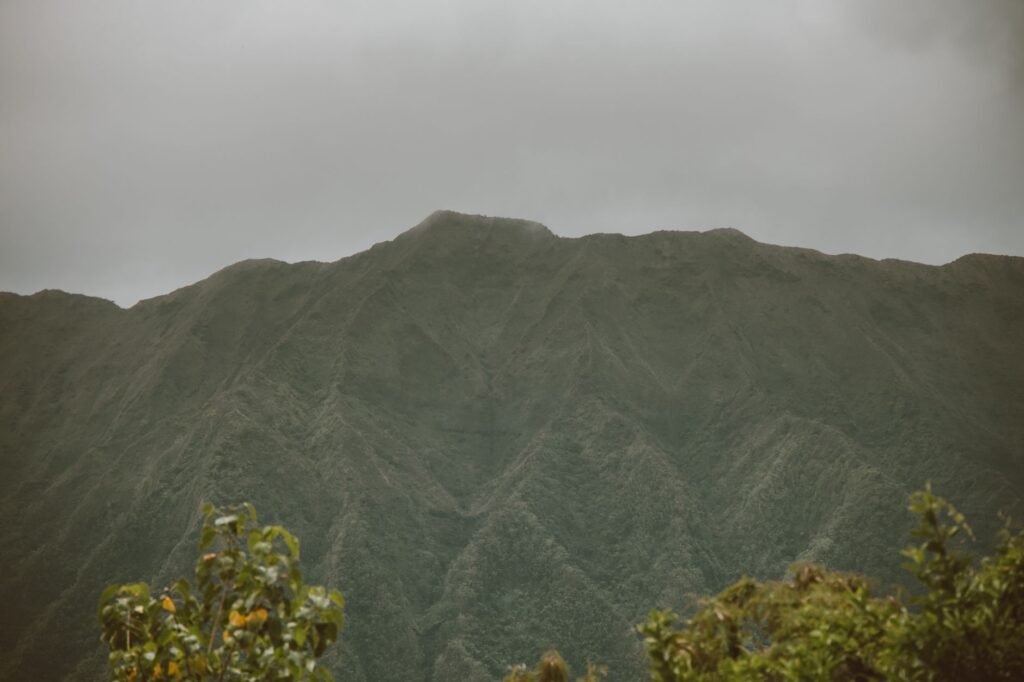
Mauna Kea, the tallest mountain in Hawaii, stands at an impressive 13,796 feet above sea level. Known for its astronomical observatories and stunning sunsets, it offers a unique experience for travelers seeking natural beauty and scientific exploration. The summit is often considered one of the best spots in the world for stargazing due to its high elevation and clear skies.
6.1 Preparing for the Summit
Visiting Mauna Kea requires some preparation to ensure a safe and enjoyable experience. Here are essential tips:
- Acclimatize: Spend time at lower elevations to help your body adjust to the altitude before heading to the summit.
- Dress Appropriately: Temperatures can drop significantly, so layers and warm clothing are essential, along with sturdy shoes.
- Check Conditions: Weather conditions can change rapidly, so check forecasts and road conditions before your trip.
6.2 Stargazing Experiences
Mauna Kea is renowned for its stargazing opportunities, attracting astronomy enthusiasts from around the globe. Here are some ways to experience the night sky:
- Guided Stargazing Tours: Many local companies offer guided tours that include telescope viewing and expert insights into celestial bodies.
- Visitor Information Station: Located at 9,200 feet, this station provides information on the night sky and often hosts educational talks.
- Sunset Viewing: Arrive in time for sunset, which provides a breathtaking view of the landscape before the stars emerge.
6.3 Cultural Significance of Mauna Kea
Mauna Kea holds deep cultural significance for Native Hawaiians, who consider it a sacred place. Understanding this cultural context enhances the visitor experience:
- Historical Sites: Explore ancient Hawaiian sites and structures that highlight the mountain’s importance in Hawaiian culture.
- Protocols: Be mindful of cultural practices and respect the land, as many view the mountain as a living entity.
- Community Engagement: Participate in local events or discussions to learn more about the relationship between the mountain and the Hawaiian people.
Hidden Gems of Oahu’s North Shore
1. Mokuleia Beach
Mokuleia Beach, less crowded than its counterparts, offers a serene atmosphere for relaxation and enjoyment. Located at the western end of Oahu, this beach flaunts expansive sand stretches and striking views of the distant Ka’ena Point. The soft waves make it a favorite spot for swimming and paddleboarding, while the picturesque sunsets create a perfect backdrop for evening strolls.
Visitors can also explore nearby hiking trails that lead to the rugged coastline, providing opportunities for wildlife observation, particularly the endangered Hawaiian monk seals that often bask on the shore. Amenities include picnic areas and restrooms, ensuring a comfortable beach day.
- Location: Mokuleia, Oahu
- Activities: Swimming, paddleboarding, hiking
- Best Time to Visit: Late afternoon for sunset views
2. Ka’ena Point State Park
Ka’ena Point State Park is a remarkable natural area that showcases the rugged beauty of Oahu’s coastline. The hike to Ka’ena Point is a favorite among locals, as it offers breathtaking views of the ocean and surrounding landscapes. Along the trail, hikers can spot seabirds, including the native Hawaiian Laysan albatross, making it a prime location for birdwatching enthusiasts.
The park is also significant for its cultural history, as it is believed to be a sacred place in Hawaiian mythology. Visitors are encouraged to respect the land and its history while enjoying the scenic views. The area has limited facilities, so hikers should bring water and snacks for the journey.
- Location: Western tip of Oahu
- Highlights: Seabird watching, cultural history
- Trail Length: Approximately 5 miles round trip
3. Sunset Beach
Famous for its massive winter waves, Sunset Beach is a must-visit for both surfers and beachgoers. During the summer months, the waves calm down, making it an excellent spot for swimming and sunbathing. The beach is part of the North Shore’s renowned surf culture, and visitors can often watch professional surfers take on the big waves during competition season.
The beach is family-friendly, with plenty of space for kids to play and build sandcastles. Nearby food trucks and local eateries offer delicious options for a mid-day snack or meal after a day in the sun. Make sure to check the surf conditions before you go, as it can be dangerous during the winter swells.
- Location: North Shore, Oahu
- Activities: Surfing, swimming, sunbathing
- Best Time to Visit: Late winter for surf competitions
Scenic Drives Beyond the Popular Routes
1. The Hamakua Coast, Big Island
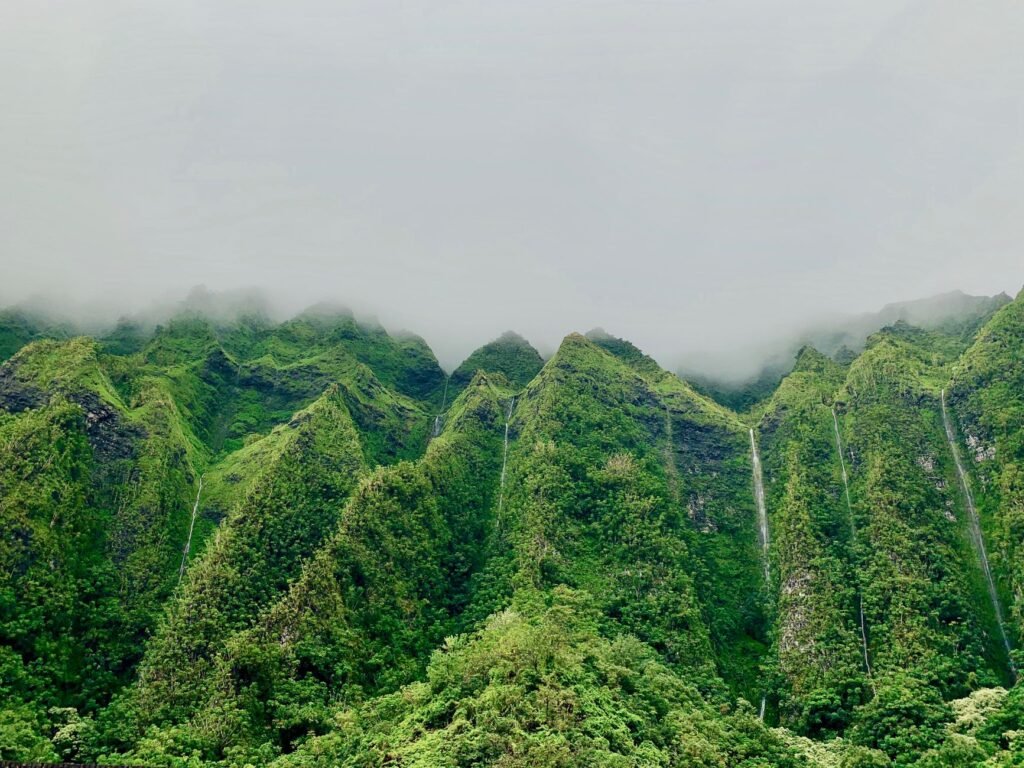
Driving along the Hamakua Coast offers travelers a less-traveled route filled with stunning vistas of lush greenery, cliffs, and cascading waterfalls. The drive from Hilo to Waimea presents countless opportunities for breathtaking views and roadside stops. Travelers can explore the charming town of Honoka’a, known for its historic buildings and local shops.
One of the highlights along this route is the famous Akaka Falls State Park, where visitors can witness the majestic 442-foot waterfall amidst a tropical landscape. The park features a short, well-maintained trail that leads to the falls, making it accessible for all ages. Along the drive, travelers can also enjoy views of the ocean, making it a true visual feast.
- Location: Northeastern coast of the Big Island
- Must-See: Akaka Falls State Park
- Scenic Points: Dramatic cliffs and ocean views
2. The Drive to Pololu Valley
For those seeking a more adventurous drive, the road leading to Pololu Valley offers an unforgettable experience. This scenic route is known for its winding roads that descend into the valley, providing panoramic views of the lush landscape and the rugged coastline. Once at the valley, visitors can enjoy the black sand beach and take in the stunning cliffs that surround the area.
Hiking trails in Pololu Valley lead to breathtaking lookout points and secluded beaches, perfect for a day of exploration. The area is less frequented by tourists, allowing for a more personal connection with Hawaii’s natural beauty. Remember to bring appropriate gear for the hike and take care while driving the narrow roads.
- Location: Northern coast of the Big Island
- Experience: Scenic views, hiking trails
- Trail Difficulty: Moderate
3. The Scenic Loop Around Kilauea
The Kilauea Scenic Loop provides an exceptional opportunity to view the stunning landscapes surrounding one of the world’s most active volcanoes. This drive takes visitors through lush rainforests, lava fields, and overlooks with sweeping views of the island. Along the way, travelers will find various interpretative signs that explain the geology and ecology of the region.
Stops along the loop include the Kilauea Overlook, where visitors can see the vast caldera, and the Steam Vents, where steam escapes from the ground, showcasing the volcano’s active nature. This scenic drive is best enjoyed at sunrise or sunset, when the lighting enhances the dramatic scenery.
- Location: Hawaii Volcanoes National Park
- Highlights: Kilauea Overlook, Steam Vents
- Best Time to Visit: Early morning or late afternoon
Unique Cultural Experiences
1. Visiting the Hawaiian Islands’ Cultural Centers
Hawaii is rich in history and culture, with several cultural centers that provide insight into the traditions and practices of the Hawaiian people. The Polynesian Cultural Center on Oahu is one of the most well-known, offering immersive experiences that showcase the culture, music, and dance of the Pacific Islands. Visitors can participate in traditional crafts, watch live performances, and enjoy a luau featuring authentic Hawaiian cuisine.
Another notable center is the Bishop Museum in Honolulu, which houses an extensive collection of Hawaiian artifacts and historical exhibits. The museum provides a deeper understanding of Hawaii’s unique cultural heritage and its impact on the world. Engaging with these cultural centers allows travelers to appreciate the islands’ rich history beyond their natural beauty.
- Locations: Oahu (Polynesian Cultural Center), Honolulu (Bishop Museum)
- Experiences: Traditional crafts, live performances, historical exhibits
- Best Time to Visit: Check schedules for events and performances
2. Attending a Traditional Luau
Experiencing a traditional luau is a must for travelers wanting to immerse themselves in Hawaiian culture. Luaus are festive gatherings featuring traditional music, hula dancing, and a feast of local dishes such as kalua pig, poi, and fresh fish. Events like the Old Lahaina Luau on Maui and the Smith Family Garden Luau on Kauai are popular choices for an authentic experience.
These events often include storytelling through dance, showcasing the history and legends of the Hawaiian Islands. It is advisable to book tickets in advance, especially during peak tourist season, as luaus can sell out quickly. Attending a luau not only provides a delicious meal but also a cultural experience that leaves lasting memories.
- Locations: Maui (Old Lahaina Luau), Kauai (Smith Family Garden Luau)
- Activities: Hula dancing, traditional music, local cuisine
- Booking: Reserve in advance for peak seasons
3. Engaging with Local Artisans
Supporting local artisans is a great way to experience Hawaii’s vibrant crafts and culture. Many islands host artisan markets where visitors can purchase handmade goods directly from the creators. These markets often feature jewelry, clothing, artwork, and traditional Hawaiian crafts like lei-making and quilt-making.
Additionally, some artisans offer workshops where travelers can learn their craft. This hands-on experience not only enriches your understanding of Hawaiian traditions but also allows you to take home a unique souvenir made by your own hands. Exploring local artisans contributes to the sustainability of the community and enhances your travel experience.
- Activities: Artisan markets, workshops
- Types of Crafts: Jewelry, clothing, traditional crafts
- Support: Buying directly from local artisans
Frequently Asked Questions
What is the best time to visit Haleakalā National Park for sunrise?
The best time to visit Haleakalā National Park for sunrise is early in the morning, typically around 5:30 AM to 6:00 AM, depending on the season. Arriving early allows you to secure a good viewing spot and enjoy the tranquil atmosphere.
Are there guided tours available for the Nā Pali Coast?
Yes, there are various guided boat and helicopter tours available for the Nā Pali Coast. These tours provide unique perspectives of the coastline and often include knowledgeable guides who can share insights about the area.
How can I ensure my safety while visiting Volcanoes National Park?
To ensure safety while visiting Volcanoes National Park, always stay on designated trails, check for alerts related to volcanic activity, and dress appropriately for changing weather conditions. It's also wise to carry water and snacks.
What should I know before hiking the Kalalau Trail?
Before hiking the Kalalau Trail, be prepared for steep and challenging sections of the trail. It's essential to start early, bring plenty of water, and check weather conditions, as the trail can become treacherous during rain.
The Bottom Line
Hawaii's stunning vistas offer breathtaking views and unique experiences for every traveler. From the volcanic landscapes of Big Island to the lush cliffs of Kauai, each location has its charm. With careful planning and respect for the natural environment, you can fully enjoy the beauty of these iconic sites.