Key Takeaways
- Explore the stunning Picos de Europa National Park.
- Visit charming towns like Cangas de Onís and Llanes.
- Savor local cuisine including fabada and cider.
- Experience the unique Asturian culture and festivals.
Asturias, a region located in northern Spain, is often overshadowed by its more famous neighbors like Barcelona and Madrid. However, this hidden gem boasts breathtaking landscapes, rich cultural heritage, and mouthwatering cuisine that make it a must-visit destination. Whether you’re an outdoor enthusiast, a history buff, or a foodie, Asturias offers a diverse range of activities and attractions.
From the rugged peaks of the Picos de Europa National Park to the charming coastal towns along the Bay of Biscay, there’s no shortage of things to do in Asturias. This article will guide you through the top experiences you shouldn’t miss while exploring this remarkable region.
Prepare to immerse yourself in stunning natural beauty, delightful local flavors, and a vibrant cultural scene that defines Asturias.
Exploring Picos de Europa National Park
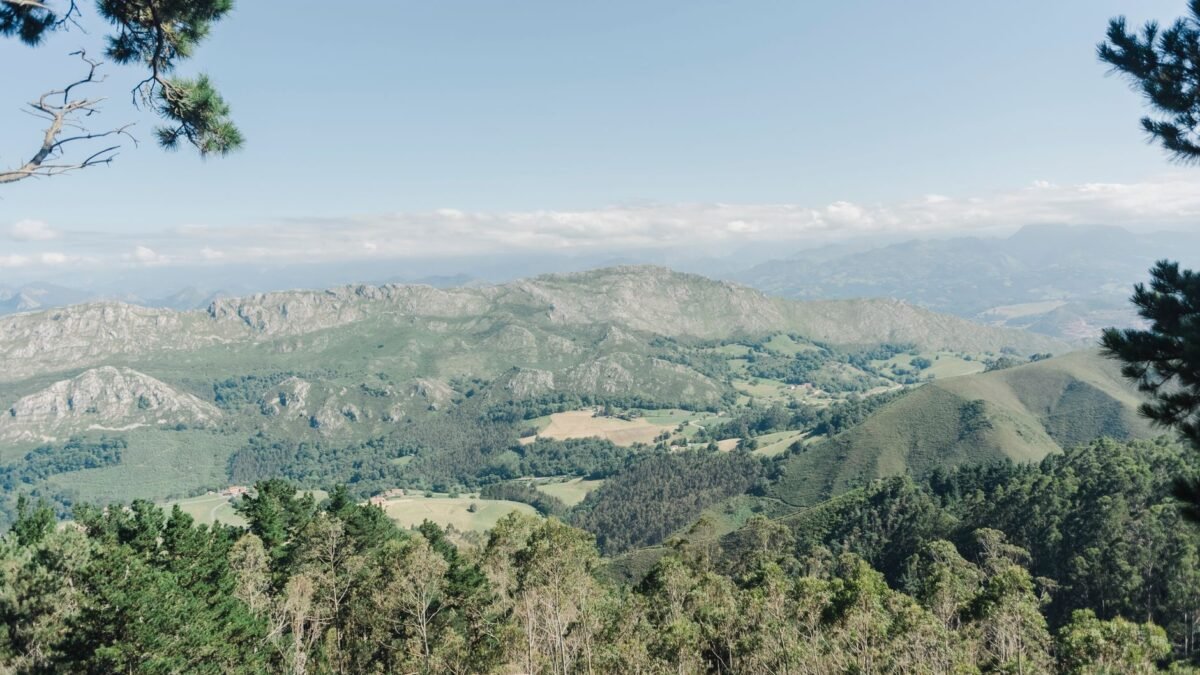
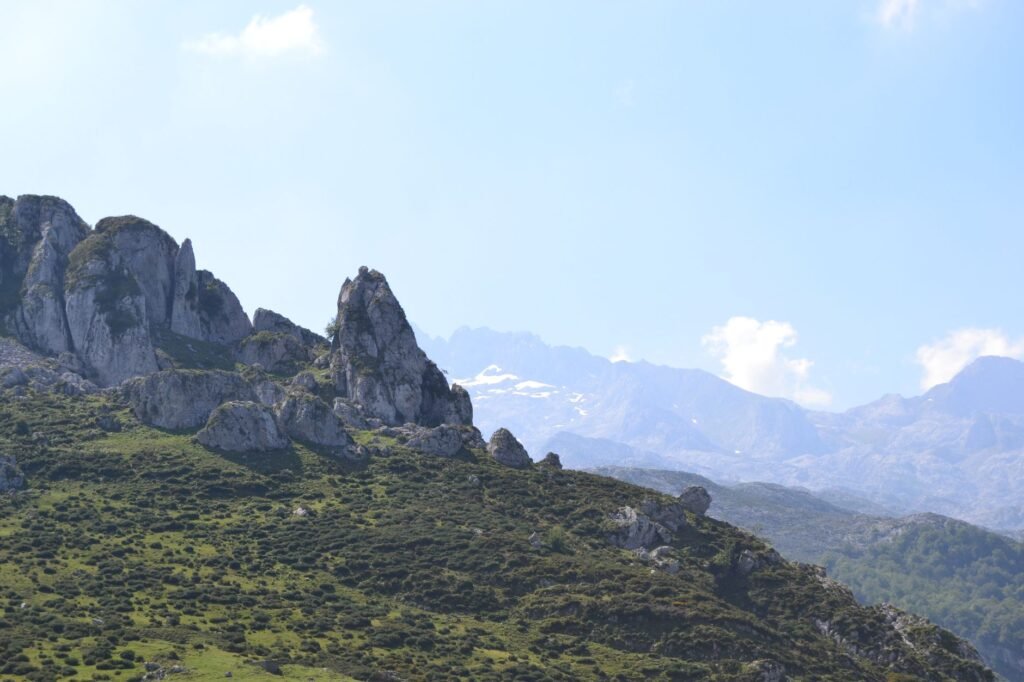
Picos de Europa National Park is one of the most breathtaking natural wonders in Spain. Spanning across three provinces, this park is characterized by its dramatic limestone peaks, deep gorges, and lush valleys. It offers a variety of outdoor activities that cater to all levels of experience.
For hiking enthusiasts, the park features numerous trails, ranging from easy walks to challenging routes. The most popular hike is the “Ruta del Cares,” a stunning 12-kilometer trail that takes you through a gorge with breathtaking views of the surrounding mountains. Along the way, you can enjoy the sound of the Cares River flowing beneath you, which adds to the serene atmosphere.
If you’re into rock climbing, Picos de Europa offers some of the best climbing routes in Spain. The limestone cliffs provide a variety of grades, making it suitable for both beginners and experienced climbers. Don’t forget to pack your gear and ensure you have the required permits where necessary.
Wildlife and Flora
The park is also home to a diverse range of flora and fauna, making it a paradise for nature lovers. Keep an eye out for wildlife such as chamois, deer, and the majestic Spanish ibex. Birdwatchers can spot various species, including the golden eagle and the griffon vulture soaring above the cliffs.
In terms of flora, the park’s varying altitudes mean that you can find a wide range of plant species. From alpine flowers to lush green forests, the biodiversity is impressive. Guided nature walks are available if you want to learn more about the local ecosystem.
Visiting the Covadonga Sanctuary
Located within the national park, the Covadonga Sanctuary is a significant pilgrimage site. It features a stunning basilica and the famous Covadonga Lakes. The lakes, Enol and Ercina, are stunning glacial lakes surrounded by mountains, perfect for a peaceful day of reflection and nature appreciation.
The basilica, with its neo-Romanesque architecture, is an iconic symbol of Asturias. Visitors can explore the beautiful interior and enjoy the serene surroundings. Make sure to try the local pastries at the nearby café, which are a treat after your visit.
Charming Coastal Towns
Asturias is dotted with picturesque coastal towns that offer a blend of stunning views and rich local history. Two of the most notable towns are Llanes and Cangas de Onís, each with unique attractions and charm.
Llanes is known for its beautiful beaches and vibrant promenade. The town’s historical center, with its medieval architecture, invites you to wander through its narrow streets. Don’t miss the chance to visit the “Cubos de la Memoria,” a series of colorful sculptures along the coast that reflect the region’s maritime heritage.
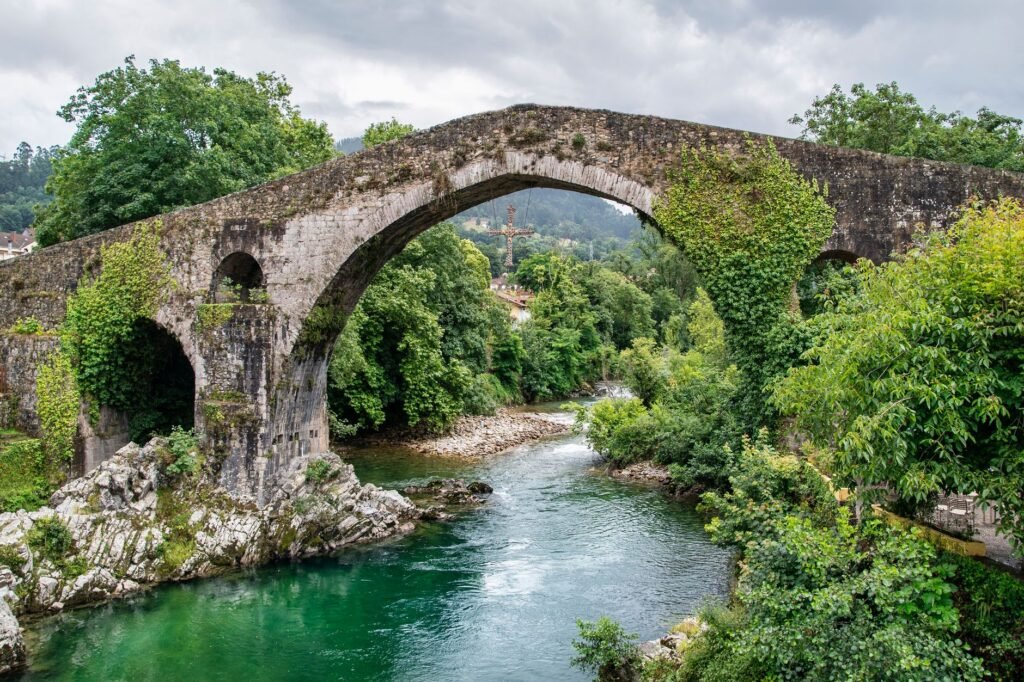
Another must-visit is Cangas de Onís, famous for its Roman bridge, which is a symbol of the town. The area is steeped in history and serves as the gateway to the Picos de Europa. You can also explore the nearby Covadonga Lakes from here, making it a perfect base for outdoor adventures.
Local Beaches
The beaches in Asturias are some of the most pristine in Spain. Playa de Gulpiyuri, a unique inland beach, is famous for its crystal-clear waters and stunning scenery. This beach, although small, is surrounded by cliffs and offers a peaceful retreat.
Playa de Torimbia, another popular beach, is known for its golden sand and dramatic cliffs. The beach is relatively uncrowded, making it ideal for sunbathing and enjoying the waves. Both beaches have nearby facilities, including beach bars and restaurants, where you can enjoy local seafood dishes.
Engaging in Water Sports
For those seeking adventure, the coastal area offers a variety of water sports. Surfing is particularly popular in towns like Llanes, where you can find surf schools catering to both beginners and experienced surfers. Kayaking and paddleboarding are also great options, allowing you to explore the coastline from a different perspective.
Fishing enthusiasts can enjoy both deep-sea and river fishing in Asturias. Local guides can take you to some of the best spots, and you might even catch some of the region’s famous species such as trout and sea bass.
Immersing in Asturian Culture
The culture of Asturias is rich and diverse, influenced by its history, geography, and traditions. One of the best ways to immerse yourself in the local culture is by attending a traditional Asturian festival, which showcases music, dance, and cuisine.
The “Fiesta de la Sidra” (Cider Festival) is one of the most famous events. Held in various towns throughout the year, this festival celebrates the region’s cider-making heritage. You can taste different varieties of cider, watch traditional pouring techniques, and enjoy live music and dance performances.
Another highlight is the “Fiestas de San Juan,” celebrated in late June. This festival features bonfires on the beach, fireworks, and plenty of local food. Participating in these events provides a unique insight into the vibrant spirit of the Asturian people.
Traditional Cuisine
Asturias is renowned for its culinary offerings, with a strong emphasis on local ingredients. One of the must-try dishes is “fabada asturiana,” a hearty bean stew made with chorizo, morcilla (blood sausage), and bacon. This dish is a staple of Asturian cuisine and is perfect for warming up after a day of exploring.
Seafood is another highlight, thanks to Asturias’s proximity to the ocean. Dishes like “pixin” (cabezon fish) and octopus are popular in coastal restaurants. Pair your meal with traditional Asturian cider, which is slightly sparkling and has a distinct flavor profile. The unique way of pouring cider from a height adds an interactive element to your dining experience.
Art and Architecture
Asturias is home to various architectural styles, from Romanesque churches to modernist buildings. The “Church of Santa María del Naranco,” a UNESCO World Heritage site, is a remarkable example of pre-Romanesque architecture. Its historical significance and stunning views make it a worthwhile visit.
Art lovers should explore the town of Oviedo, where you can find the “Museum of Fine Arts of Asturias.” This museum showcases works from both Spanish and international artists, providing a glimpse into the region’s artistic heritage. The museum also hosts temporary exhibitions, so check their schedule for events during your visit.
Outdoor Adventures Beyond the Coast
Beyond the coastline, Asturias offers a wealth of outdoor activities for nature lovers and adventure seekers. The region is crisscrossed with hiking trails and biking paths, suitable for all levels of fitness.
The area around the town of Cangas de Onís is particularly popular for activities such as trekking, canyoning, and mountain biking. The diverse landscape means you can enjoy everything from serene lakes to challenging mountain trails. Guided tours are available if you prefer to explore with a local expert.
For those interested in more extreme sports, paragliding is an exhilarating option. The high peaks of the Picos de Europa provide ideal conditions for this activity, allowing you to soar above the stunning landscape and take in the breathtaking views from above.
Exploring the Asturian Countryside
The Asturian countryside is dotted with charming villages and farms, making it a delightful area to explore. Renting a car is a convenient way to discover the hidden gems of the region at your own pace.
Visit the village of Lastres, known for its stunning views of the coast and traditional fishing architecture. The village has narrow streets and offers opportunities to sample fresh seafood at local restaurants.
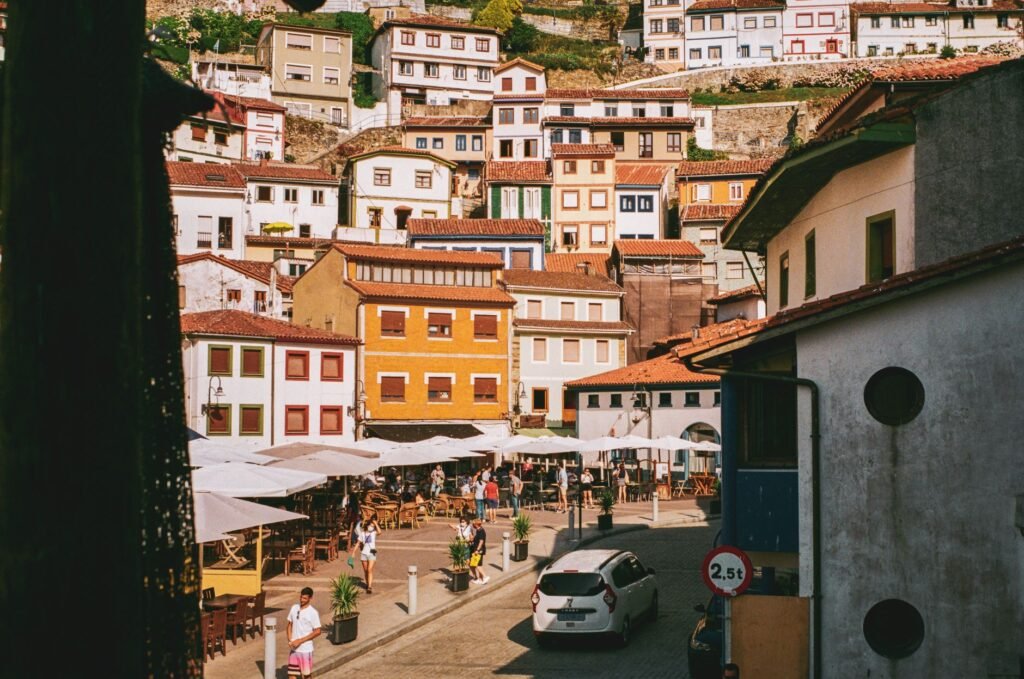
Another interesting stop is the village of Cudillero, famous for its colorful houses built on the cliffside. The views from the highest points are breathtaking, and the local market is a great place to experience the region’s culinary delights.
Gastronomic Delights of Asturias
Traditional Asturian Cuisine
Asturias is renowned for its rich culinary heritage, which reflects the region’s natural bounty and cultural influences. One of the most iconic dishes is Fabada Asturiana, a hearty bean stew made with large white beans, chorizo, morcilla (blood sausage), and pork. This dish is a staple in local households, especially during cooler months, and is best enjoyed with a glass of local cider.
Another must-try is the Queso de Cabrales, a blue cheese that is aged in natural caves in the Picos de Europa mountains. Its strong flavor and creamy texture make it a perfect accompaniment to Asturian cider, known as sidra. The cider houses, or sidrerías, are an essential part of the Asturian experience, where visitors can learn about the cider-making process and enjoy tastings.
Local Markets and Food Tours
For food enthusiasts, visiting local markets is a highlight. The Mercado de El Fontán in Oviedo is a vibrant place where you can find fresh produce, local cheeses, and artisan products. Engaging with local vendors provides insights into Asturian culinary traditions and the importance of seasonal ingredients.
- Try fresh seafood from the Cantabrian Sea, including anchovies and octopus.
- Sample Asturian honey, often used in desserts or paired with cheese.
- Don’t miss out on homemade pastries like Carbayones, sweet pastries filled with almond cream.
Joining a food tour can enhance your culinary experience, allowing you to visit several eateries and markets while learning about the region’s gastronomy from expert guides.
Asturias’ Architectural Wonders
Pre-Romanesque Churches
Asturias is home to a unique architectural style known as Pre-Romanesque, which dates back to the 8th and 9th centuries. These churches are characterized by their simple yet elegant designs, often adorned with intricate carvings and frescoes. Some notable examples include Santa María del Naranco and San Miguel de Lillo, both located near Oviedo. These sites are not only visually stunning but also significant for understanding the early Christian history of the region.
Charming Villages with Historical Significance
Exploring the picturesque villages of Asturias offers a glimpse into the region’s history and architecture. Cudillero, a fishing village, features colorful houses cascading down to the harbor, making it a photographer’s paradise. Its narrow streets and traditional maritime architecture reflect the village’s longstanding relationship with the sea.
Another village worth visiting is Lastres, known for its steep streets and stunning views of the coast. The Casa del Mar museum in Lastres provides insight into the local fishing industry and maritime history.
Adventure Beyond the Usual
Hidden Natural Wonders
While many visitors flock to the popular sites, Asturias is also home to lesser-known natural wonders. The Bufones de Pría are spectacular blowholes located along the coast that shoot seawater high into the air during high tide. This natural phenomenon is best experienced during stormy weather, when the waves create an impressive show.
Unique Activities and Experiences
For those seeking adventure beyond the typical hiking and beach outings, Asturias offers unique experiences such as caving in the numerous limestone caves scattered throughout the region. The La Cueva del Toro and La Cueva de los Lagos are popular among spelunkers, showcasing stunning rock formations and underground rivers.
- Participate in a surfing lesson at Playa de Rodiles, ideal for beginners.
- Experience the thrill of paragliding over the scenic landscapes of the Picos de Europa.
- Join a wildlife watching tour to spot local fauna such as deer, wolves, and various bird species.
These activities not only provide excitement but also allow visitors to appreciate the natural beauty and biodiversity of Asturias in a more intimate way.
Frequently Asked Questions
What is the best time to visit Asturias?
The best time to visit Asturias is during the spring (April to June) and autumn (September to October) when the weather is mild, and the landscapes are vibrant. Summer can be crowded, especially at the beaches.
Are there any safety concerns for travelers in Asturias?
Asturias is generally safe for travelers. Standard precautions should be taken, such as safeguarding personal belongings and being aware of your surroundings, especially in crowded areas.
What local dishes should I try in Asturias?
You should try fabada asturiana, fresh seafood, and traditional Asturian cider. Each dish provides insight into the region’s rich culinary tradition.
Is public transportation reliable in Asturias?
Yes, public transportation in Asturias is generally reliable, with regular bus services connecting major towns and cities. However, renting a car can provide more flexibility for exploring remote areas.
The Bottom Line
Asturias offers a unique blend of stunning natural beauty, rich cultural experiences, and delicious cuisine that is sure to captivate any traveler. From the breathtaking peaks of Picos de Europa to the charming coastal towns and vibrant festivals, there are countless things to do in Asturias. With this guide, you’ll be well-prepared to explore this remarkable region and create unforgettable memories.