Key Takeaways
- Explore stunning landscapes and unique wildlife.
- Engage with local culture through festivals and food.
- Enjoy various outdoor activities for all skill levels.
- Discover historical sites and charming villages.
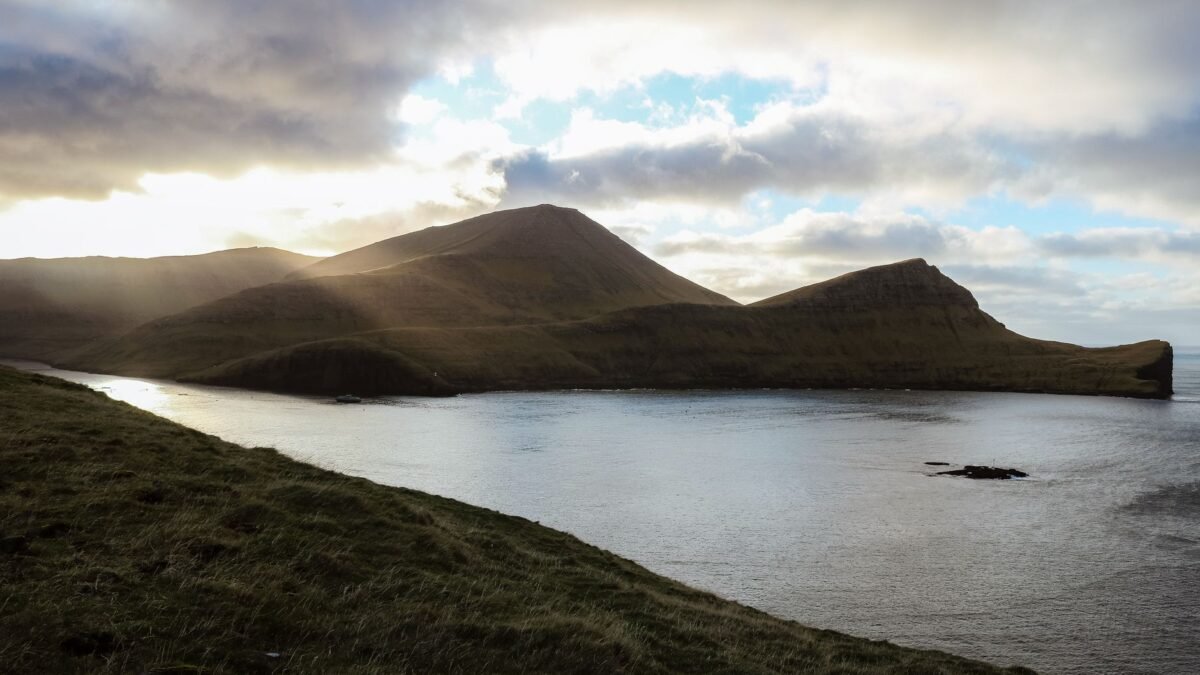
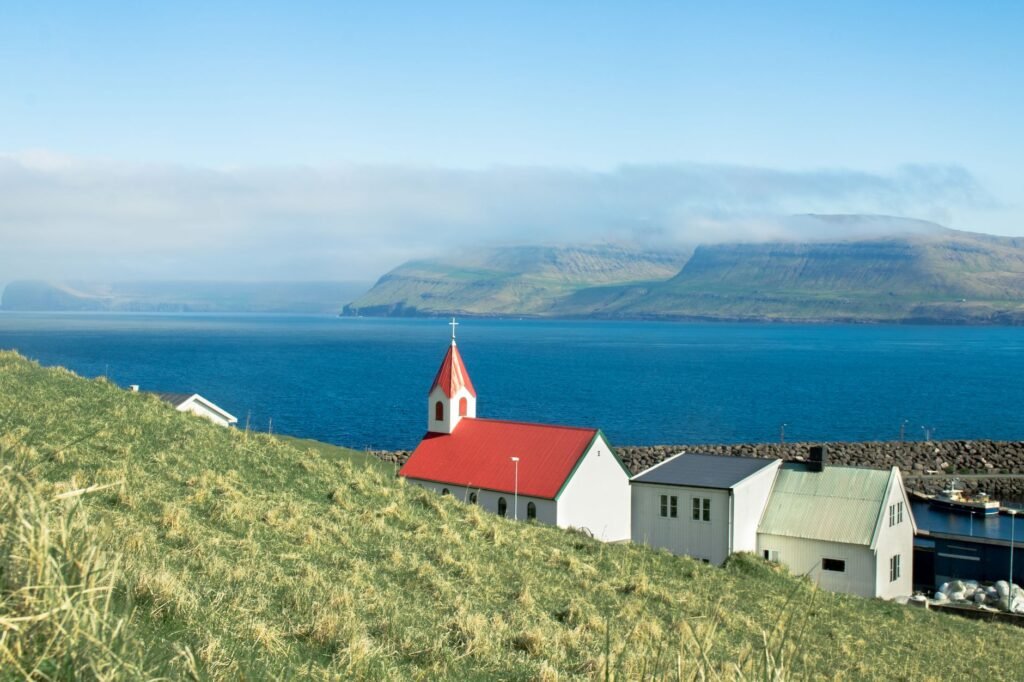
The Faroe Islands, an archipelago located between Iceland and Norway, offer a unique blend of stunning natural beauty, rich culture, and adventure. With rugged cliffs, vibrant green valleys, and picturesque villages, this destination is perfect for travelers seeking both relaxation and exploration. Whether you are hiking to remote locations or enjoying the local cuisine, the Faroe Islands promise a memorable experience. Here are the top things to do in Faroe Islands that will help you make the most of your visit.
1. Hike to the Cliffs of Slættaratindur
Slættaratindur, the highest peak in the Faroe Islands, stands at 880 meters and provides breathtaking views of the surrounding landscapes. The hike to the summit is popular among outdoor enthusiasts and offers a challenging yet rewarding experience for those who undertake it. The trail is well-marked and takes approximately 4 to 5 hours to complete, making it a feasible day trip.
Along the way, you’ll encounter varying terrains, including rocky paths and grass-covered slopes, which add to the adventure. Once you reach the summit, the panoramic views of the islands and the ocean below are absolutely stunning. It’s an ideal spot for photography or simply soaking in the majestic scenery.
Before embarking on the hike, ensure you are well-prepared with appropriate gear, plenty of water, and snacks. Weather conditions can change rapidly in the Faroe Islands, so it’s essential to check the forecast and be ready for possible rain or wind.
2. Visit the Village of Gásadalur
Gásadalur is one of the most picturesque villages in the Faroe Islands. Nestled between steep mountains and overlooking the ocean, it was once isolated from the rest of the islands until a tunnel was constructed in 2006. The village is famous for its stunning waterfall, Múlagljúfur, which cascades dramatically into the ocean.
Walking through Gásadalur, you’ll notice the charming turf-roofed houses and the inviting atmosphere of the local community. There are several viewpoints around the village where you can capture the beauty of the waterfall and the surrounding landscape. It’s also a fantastic place for birdwatching, as the cliffs nearby serve as nesting sites for various seabird species.
Aside from its natural beauty, Gásadalur is a great spot to sample local cuisine. Many visitors enjoy trying traditional Faroese dishes at local eateries, where you can find fresh fish and lamb, prepared using time-honored methods.
3. Experience the Vibrant Culture in Tórshavn
Tórshavn, the capital city of the Faroe Islands, is rich in history and culture. With its colorful wooden houses and bustling harbor, it’s a delightful place to explore. The city offers several museums, including the National Museum of the Faroe Islands, where you can learn about the islands’ history, culture, and traditions.
Another highlight of Tórshavn is the old town, known as Tinganes, which features narrow streets and charming buildings that date back to the 14th century. Here, you can stroll through the picturesque streets and appreciate the unique architecture.
The city is also a hub for festivals and events throughout the year, including the famous Ólavsøka, a cultural festival that celebrates the islands’ heritage. During this event, you can participate in local traditions, enjoy live music, and taste delicious Faroese foods.

4. Explore the Island of Mykines
Mykines is often referred to as the most beautiful island in the archipelago. Known for its dramatic cliffs and diverse wildlife, particularly puffins, Mykines attracts nature lovers and photographers alike. The island is accessible by ferry, and day trips are a common way to explore its stunning landscapes.
Once on the island, you can take a leisurely hike to the Mykines Lighthouse, which offers breathtaking views of the surrounding ocean. The hike is relatively easy and takes about 2-3 hours, making it suitable for families and casual hikers. Along the way, keep an eye out for puffins, which nest in the cliffs during the summer months.
In addition to hiking, Mykines is a great place to enjoy the fresh seafood caught by local fishermen. Many visitors recommend trying the fish soup or fresh catch at the local café, which adds to the island’s charm.
5. Discover the Waterfalls of Múlagljúfur
One of the most iconic natural features of the Faroe Islands is the stunning waterfalls found throughout the landscape. Múlagljúfur, in particular, is renowned for its dramatic cascades and scenic beauty. The area is perfect for hiking and photography, with several trails that allow you to explore the waterfalls up close.
The best time to visit Múlagljúfur is during the spring and summer months when the waterfalls are at their fullest due to melting snow. The sound of rushing water and the vibrant green surroundings create a serene and peaceful atmosphere.
For those who enjoy a more adventurous experience, consider joining a guided tour that includes hiking to multiple waterfalls. These tours often provide insights into the flora and fauna of the region, as well as the geological features that make the Faroe Islands unique.
6. Experience Birdwatching on Vestmanna
Vestmanna is famous for its towering cliffs, which are home to a variety of seabirds, including puffins, guillemots, and kittiwakes. Birdwatching tours are popular here, allowing visitors to get up close to these magnificent birds while enjoying the stunning coastal scenery.
These tours typically take visitors on a boat ride along the cliffs, providing opportunities to see the birds nesting in their natural habitats. The best time for birdwatching in Vestmanna is during the summer months when the birds are most active. Make sure to bring binoculars and a camera to capture the incredible sights.
In addition to birdwatching, the area around Vestmanna offers excellent hiking trails with breathtaking views of the ocean and cliffs. It’s a great way to combine adventure and wildlife observation in one visit.
7. Visit the Historical Site of Kirkjubøur
Kirkjubøur is known as the historical heart of the Faroe Islands. This charming village is home to several significant sites, including the oldest wooden house still inhabited in the world, Kirkjubøargarður, which dates back to the 11th century. This site offers a glimpse into the traditional Faroese way of life.
While in Kirkjubøur, be sure to visit the ruins of the medieval church, which adds to the village’s historical significance. The church is a perfect spot for photography, with its picturesque surroundings and rich history.
Kirkjubøur is also a great place to learn about local crafts and traditions. Many visitors enjoy sampling traditional Faroese food at local eateries, where you can find hearty dishes made from locally sourced ingredients.
8. Enjoy Whale Watching Tours
The waters around the Faroe Islands are rich in marine life, making it a prime location for whale watching. Several companies offer guided tours that allow visitors to observe various species of whales, including orcas, minke whales, and humpback whales.
These tours often provide an educational experience, with guides sharing information about the whales and their habitats. The best time for whale watching in the Faroe Islands is during the summer months when the whales are more commonly spotted.
For a truly memorable experience, consider joining a tour that combines whale watching with fishing or hiking. This allows you to enjoy multiple facets of the Faroe Islands in one day.
9. Sample Local Cuisine
The Faroe Islands boast a unique culinary scene that reflects the islands’ culture and traditions. Visitors should not miss the opportunity to sample local dishes, which often feature fresh seafood, lamb, and foraged ingredients.
One popular dish is ræst kjøt, which is fermented lamb that has been air-dried. This traditional method of preservation adds a distinct flavor that many travelers find intriguing. Another must-try dish is skerpikjøt, which is fermented mutton, typically served with potatoes and vegetables.
For seafood lovers, there are numerous restaurants across the islands offering fresh fish caught by local fishermen. Many dining establishments also provide farm-to-table experiences, allowing you to taste dishes made from locally sourced ingredients.
10. Explore the Islands’ Unique Geological Features
The Faroe Islands are home to unique geological features created by volcanic activity and erosion over millennia. One of the most notable features is the sea stacks, or bird cliffs, which rise dramatically from the ocean. These formations provide stunning views and are often teeming with birdlife.
Another fascinating geological site is the Lake Sørvágsvatn, which appears to be perched high above the ocean. However, due to optical illusions, it is actually situated 68 meters above sea level. This lake is a popular hiking destination, and many visitors enjoy capturing photographs of the breathtaking views.
For those interested in geology, guided tours are available that explain the unique formations and their significance. This is a great opportunity to learn about the natural history of the islands while exploring their stunning landscapes.
Discover the Enigmatic Lakes of the Faroe Islands
Lake Sørvágsvatn: The Optical Illusion
One of the most famous lakes in the Faroe Islands is Sørvágsvatn, known for its stunning optical illusion where the lake appears to be perched high above the ocean. In reality, it is about 66 meters above sea level, yet it offers breathtaking views of the surrounding cliffs and ocean below. The lake is accessible via a relatively easy hike that takes roughly 40 minutes from the nearest road. As you walk, you will encounter dramatic landscapes that change with the weather, making each visit unique.
To enhance your visit, consider these tips:
- Bring a camera to capture the incredible vistas.
- Wear sturdy footwear, as the terrain can be uneven.
- Check weather conditions before heading out, as fog can limit visibility.
Lake Fossa: A Hidden Gem
While Sørvágsvatn often steals the spotlight, Lake Fossa is another breathtaking lake that deserves attention. Located near the village of Funningur, it is often less crowded, providing a serene atmosphere for visitors. The lake is surrounded by steep mountains and lush greenery, making it a perfect spot for a peaceful day of reflection or a picnic. The hike to Lake Fossa can be challenging but rewarding, offering stunning panoramic views of the islands.
Consider these activities while at Lake Fossa:
- Photography of the striking landscapes.
- Birdwatching; the area is home to various bird species.
- Settle down for a picnic with local delicacies.

Unwind at the Secluded Beaches
Skálavík Beach: A Tranquil Escape
Skálavík Beach offers a tranquil escape from the more tourist-heavy areas. Nestled on the island of Vágar, this beach boasts fine sand and stunning views of the surrounding mountains. The beach is an ideal location for sunbathing, swimming, or simply relaxing with a book. During the summer months, the weather can be pleasantly warm, and the sunsets are particularly beautiful.
Make the most of your visit to Skálavík Beach with these tips:
- Bring a beach umbrella for shade.
- Pack a picnic to enjoy while taking in the scenery.
- Keep an eye out for seals, which are occasionally spotted in the waters nearby.
Sandavágur Beach: Adventure Awaits
Located near the village of Sandavágur, Sandavágur Beach is another hidden gem worth exploring. This beach is not only picturesque but also serves as a launching point for various water sports. Kayaking and paddleboarding are popular activities here, allowing you to explore the nearby coastline and admire the rugged cliffs up close. The beach is also a great spot for windsurfing, thanks to the favorable winds.
Visitors to Sandavágur Beach can enjoy:
- Renting equipment for water sports.
- Guided tours that explore the coastal fjords.
- Beach bonfires during the summer months.
Engage with Local Traditions and Folklore
Experience the Faroe Islands’ Unique Festivals
The Faroe Islands are known for their vibrant festivals that celebrate local culture and traditions. One of the most famous is the Ólavsøka, which takes place every July, honoring St. Olav, the patron saint of the Faroes. This festival features traditional music, dancing, and local food, giving visitors a genuine taste of Faroese culture. Participating in such local events is an excellent way to connect with the community and learn about their way of life.
Folklore and Legends: The Land of the Hidden People
Delve into the enchanting folklore of the Faroe Islands, where tales of hidden people, elves, and trolls abound. The locals have a rich tradition of storytelling, passed down through generations, which often reflects their deep connection with nature. Engaging with these stories can provide a deeper understanding of the Faroese way of life. Many guided tours include folklore tales, offering an entertaining and educational experience.
To explore this fascinating aspect of Faroese culture, consider:
- Visiting local museums that feature folklore exhibits.
- Attending storytelling events in villages.
- Reading books on Faroese legends before your trip.
Frequently Asked Questions
What is the best time to visit the Faroe Islands?
The best time to visit the Faroe Islands is during the summer months from June to August when the weather is milder, and the days are longer. This is also when most outdoor activities and festivals take place.
How do I get around the Faroe Islands?
Getting around the Faroe Islands can be done by car, as rental services are available, or by using public transportation, including buses and ferries. The islands are well-connected, making it easy to explore.
Are there accommodations available in the Faroe Islands?
Yes, the Faroe Islands offer a range of accommodations, including hotels, guesthouses, and hostels. It’s advisable to book in advance, especially during peak tourist seasons.
What outdoor activities can I do in the Faroe Islands?
Outdoor activities in the Faroe Islands include hiking, birdwatching, fishing, and whale watching. The islands’ diverse landscapes provide plenty of opportunities for adventure enthusiasts.
The Bottom Line
The Faroe Islands are a treasure trove of natural beauty, culture, and adventure waiting to be explored. From breathtaking hikes and charming villages to rich culinary experiences, there are countless things to do in the Faroe Islands that will leave you with lasting memories. Whether you are an outdoor enthusiast, a culture lover, or simply in search of tranquility, the Faroe Islands have something to offer everyone.