Key Takeaways
- Understand ticket purchasing options for the event.
- Learn about seating arrangements and prices.
- Find tips for enjoying the Rio Olympics experience.
- Get practical advice for planning your trip.
The men’s 100 metre final at the Rio Olympic Games is one of the most anticipated events in sports history, showcasing the speed and skill of the world’s top sprinters. As a traveler planning to attend this exhilarating race, securing your tickets is essential. In this guide, we will explore everything you need to know about obtaining tickets for this iconic event, including the best ways to purchase them, seating options, and tips to enhance your overall experience at the Olympics.
From the moment the flame is lit to the final lap of the race, the atmosphere at the Olympic Games is electric. The men’s 100 metre final, often considered the highlight of the athletics program, draws massive crowds and is watched by millions worldwide. To ensure you are part of this unforgettable moment, it is crucial to understand the ticketing process and what to expect when attending the Games in Rio.
This comprehensive guide will cover practical information regarding ticket purchases, seating arrangements, transportation tips, and the overall experience of attending the Rio Olympics. Whether you are a die-hard athletics fan or a casual observer, this event promises excitement and unforgettable memories.
Understanding the Ticket Purchasing Process
Purchasing tickets for significant events like the men’s 100 metre final requires careful planning and timely action. The ticketing process for the Rio Olympic Games was organized through the official Olympic ticketing website, where fans could buy tickets directly. Here are the key steps you should have followed:
- Register Early: To access tickets, potential attendees needed to register on the official Olympic ticketing site well in advance. This allowed for quicker purchasing once tickets were released.
- Be Aware of Release Dates: Tickets for the Rio Olympics were released in various phases. It was essential to stay updated on these dates to grab tickets as soon as they became available.
- Choose Your Events: Fans could select from various sessions and events, including heats leading up to the final. Prioritizing different events could increase your chances of obtaining tickets.
Ticket Types and Pricing
There were several types of tickets available for the men’s 100 metre final, each offering different seating options and prices:
- Category 1 Tickets: These were the most expensive and offered the best views of the track, often located near the finish line. Prices for these tickets could go as high as several hundred dollars.
- Category 2 Tickets: These tickets provided good views but were located further from the track. They were more affordable and catered to fans on a budget. Prices typically ranged from moderate to high.
- Category 3 Tickets: These were the least expensive and were situated in the upper tiers of the stadium. While views were not optimal, they allowed access to the event for those with limited budgets.
Seating Arrangements for the Final
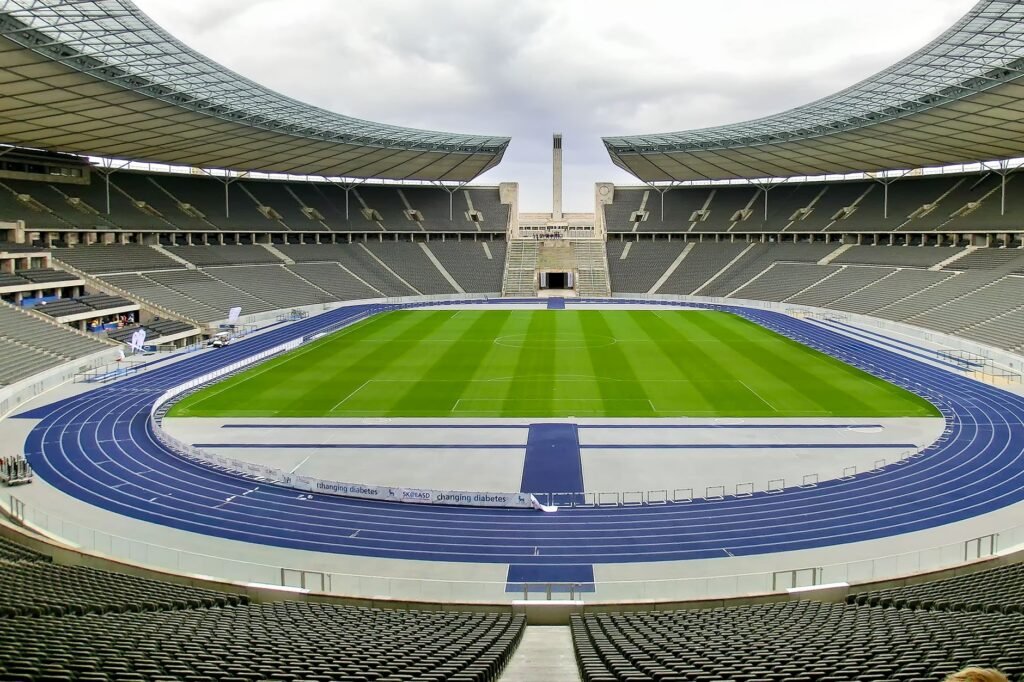
Understanding the seating arrangements in the stadium is crucial for a successful viewing experience. The Olympic Stadium in Rio de Janeiro was designed to accommodate thousands of spectators, providing various seating options:
- Lower Tier: Seats in the lower tier offered close proximity to the track and allowed fans to see the athletes’ expressions as they raced. This area was in high demand and often sold out quickly.
- Middle Tier: These seats provided a balance of proximity and price, allowing fans to enjoy a good view without breaking the bank. Many attendees preferred this section for its combination of affordability and visibility.
- Upper Tier: While the upper tier had the most affordable tickets, the distance from the track meant that some details of the race may be missed. However, the atmosphere in this section remained vibrant, with fans cheering for their favorite athletes.
Accessibility Considerations
The Olympic Committee took measures to ensure that the event was accessible to all attendees, including those with disabilities. Accessible seating was available in various sections, and venues provided assistance for navigating the stadium. Here are a few key points to consider:
- Wheelchair Access: Most seating areas included designated spots for wheelchair users, ensuring they had a view of the event.
- Companion Seating: Individuals requiring assistance could purchase tickets for their companions to sit nearby, facilitating a more enjoyable experience.
- Transportation Services: Services were put in place to assist those with mobility challenges, including shuttle buses that could transport attendees from designated drop-off points to the stadium entrance.
Transportation to the Olympic Stadium
Getting to the Olympic Stadium was a critical aspect of planning your visit. Depending on your accommodation’s location, various transportation options were available:
- Public Transportation: Rio’s public transit system included buses and a metro line that connected to the stadium. This was often the most affordable option, but it required planning to ensure timely arrival.
- Ride-Sharing Services: Services like Uber were popular among attendees, providing a convenient way to reach the stadium without the hassle of parking.
- Taxis: Traditional taxis were available throughout the city, but it was essential to use licensed services to ensure safety.
Traveling from Accommodations
Depending on where you stayed in Rio, the travel time to the Olympic Stadium might vary significantly. Popular neighborhoods for visitors included Copacabana and Ipanema, which were relatively close to the stadium.
- Copacabana: This vibrant area was about a 20-minute drive from the stadium, making it a popular choice for those wanting to be near the beach.
- Ipanema: Located slightly further, Ipanema offered a scenic route to the stadium, which could take up to 30 minutes by car.
- Downtown Rio: For those staying in the city center, travel time could fluctuate based on traffic, especially during peak hours.
Enhancing Your Olympic Experience
Attending the men’s 100 metre final is only part of the Olympic experience. To make the most of your visit, consider the following suggestions:
- Explore Olympic Park: Beyond just the events, Olympic Park featured exhibitions, entertainment, and food stalls. Allow time to wander and soak in the international atmosphere.
- Try Local Cuisine: Sample Brazilian dishes from local vendors at the stadium or nearby restaurants. Dishes such as feijoada and pão de queijo provide a taste of Rio’s culinary heritage.
- Engage with Fans: Interact with fellow fans from around the world, share your excitement, and create lasting connections during the event.
Accessibility Options for Attendees
Wheelchair Accessibility
The Rio Olympic Stadium takes pride in offering a variety of accessibility options for attendees with disabilities. Wheelchair ramps are strategically placed throughout the venue, ensuring that all areas are accessible. Additionally, designated seating areas are available for individuals using wheelchairs, allowing for a clear view of the events.
If you require assistance, the stadium staff is trained to help you navigate the venue. It is advisable to arrive early to avoid any last-minute rush and to ensure you receive the assistance you need.
Assistive Listening Devices
For those who are hard of hearing, the Olympic Stadium provides assistive listening devices. These devices enhance the audio quality of announcements and commentary during events, ensuring that all spectators can fully engage with the experience. It is recommended to request these devices at the guest services desk upon arrival.
Guide Services
The stadium offers guide services for visually impaired attendees, which can be reserved in advance. Trained guides will assist you in navigating the venue, finding your seat, and providing information about the event. If you are interested in this service, make sure to contact the venue ahead of time to ensure availability.

What to Bring on Event Day
Essential Items to Pack
Preparing for a day at the Olympic Stadium involves careful planning about what to bring. Here is a list of essential items you should consider taking with you:
- Tickets (printed or mobile)
- Valid ID for entry verification
- Comfortable clothing and footwear
- Sun protection (sunscreen, hat, sunglasses)
- Water bottle (check if permitted)
- Small snacks (if allowed)
- Portable charger for electronic devices
When packing, remember that large bags and backpacks may not be permitted, so opt for a smaller bag that fits within the venue’s size guidelines. Check the official Olympic website for the most up-to-date information on prohibited items.
Clothing Considerations
The weather in Rio during the Olympic Games can be quite variable, so dressing appropriately is crucial. Lightweight, breathable fabrics are recommended for daytime events, while a light jacket or sweater can be helpful for cooler evenings. Additionally, consider wearing comfortable shoes, as you may be standing or walking for extended periods.
Photography and Videography Guidelines
Capturing memories of the Men’s 100 Metre Final is a given for many attendees. However, it’s essential to be aware of the event’s photography and videography policies. While personal cameras are typically allowed, professional equipment such as tripods and large lenses may be prohibited. Always check with the venue’s guidelines before bringing your camera equipment.
Local Culture and Etiquette
Understanding Brazilian Customs
Engaging with the local culture can enhance your Olympic experience. Brazil has a rich cultural heritage, and showing respect for local customs is essential. Greeting locals with a smile and a friendly “Olá” can go a long way in bridging cultural gaps. Moreover, Brazilians are known for their warmth and hospitality, so don’t hesitate to strike up a conversation.
Dining Etiquette
If you plan to dine at local restaurants before or after the events, understanding dining etiquette is beneficial. Here are some tips to keep in mind:
- It is customary to wait to be seated by the host.
- Always say “obrigado” (thank you) when receiving service.
- Leave a tip of about 10-15% if service is not included in the bill.
- Try to enjoy meals at a leisurely pace, as dining is a social event.
Being considerate of these customs will not only enrich your experience but also leave a positive impression of your visit.
Language Tips
While many locals in Rio speak English, learning a few basic Portuguese phrases can enhance your interactions and show respect for the culture. Here are some useful phrases to know:
- “Por favor” (Please)
- “Desculpe” (Excuse me/Sorry)
- “Quanto custa?” (How much does it cost?)
- “Onde fica…?” (Where is…?)
Familiarizing yourself with these phrases can make navigating through the city and communicating with locals much easier and more enjoyable.
Accommodations Near the Olympic Stadium
Choosing the Right Hotel
When attending the Men’s 100 Metre Final, selecting a hotel that best suits your needs can significantly enhance your experience. Consider proximity to the Olympic Stadium, allowing you to minimize travel time on event day. Look for hotels in neighborhoods like Barra da Tijuca or Copacabana, where you will find a range of options from luxury resorts to budget-friendly hostels.
Additionally, check for amenities such as free breakfast, shuttle services to the stadium, and Wi-Fi. Reviews from previous visitors can provide insights into the quality of services offered. Booking well in advance is also advisable, as hotels tend to fill up quickly during major events.
Alternative Accommodation Options
If traditional hotels are not your preference, consider alternative lodging options like vacation rentals or hostels. Websites such as Airbnb and Booking.com offer a myriad of choices that can cater to various budgets and group sizes. Staying in a local apartment can provide a more authentic experience of Rio de Janeiro.
- Search for accommodations with flexible cancellation policies.
- Look for places that offer local experiences or guided tours.
- Read guest reviews to gauge the quality of the stay.

What to Expect on Event Day
Security Measures
As with all major sporting events, security is a top priority at the Rio Olympic Games. Expect to undergo thorough security checks before entering the stadium. This includes metal detectors and bag inspections, so plan to arrive early to avoid missing any of the action.
Be mindful of the items you bring; large bags, professional cameras, and outside food or beverages are typically not allowed. Familiarize yourself with the specific regulations regarding prohibited items on the official Olympic website to ensure a smooth entry.
Fan Engagement Activities
On the day of the Men’s 100 Metre Final, various fan engagement activities will be available around the Olympic Stadium. These activities may include interactive exhibits, athlete meet-and-greets, and merchandise booths where you can purchase souvenirs. Engaging in these activities can enhance your overall Olympic experience.
- Participate in fan zones with games and contests.
- Enjoy live music and performances from local artists.
- Take advantage of photo opportunities with Olympic mascots.
Dining Options for Attendees
Food and Beverage at the Stadium
Inside the Olympic Stadium, you can find a variety of food and beverage options catering to different tastes. From local Brazilian cuisine such as feijoada and pão de queijo to international fast-food chains, there is something for everyone. Prices can be higher than usual, so budget accordingly.
Stay hydrated, especially if attending an outdoor event in Rio’s warm climate. Vendors typically offer water bottles, soft drinks, and alcoholic beverages, but be aware of the limitations on bringing outside food and drink into the stadium.
Local Restaurants Worth Visiting
If you want to explore local dining options outside the stadium, Rio de Janeiro boasts a vibrant culinary scene. Consider visiting restaurants that specialize in traditional Brazilian dishes or seafood. Some popular choices include:
- Oro – A Michelin-starred restaurant known for its innovative cuisine.
- Churrascaria Palace – Famous for its all-you-can-eat Brazilian barbecue.
- Aconchego Carioca – Offers a blend of traditional and contemporary dishes.
Frequently Asked Questions
How do I buy tickets for the men’s 100 metre final?
Tickets were available through the official Olympic ticketing website. It was essential to register in advance and be aware of the ticket release dates.
What types of tickets are available?
The tickets were categorized into different price levels, including Category 1 (best views), Category 2 (good views), and Category 3 (affordable options).
Can I access the stadium with a disability?
Yes, the stadium provided accessible seating and services for individuals with disabilities, including wheelchair access and companion seating options.
What transportation options are available to the stadium?
Attendees could use public transportation, ride-sharing services, or taxis to reach the stadium, depending on their location in Rio.
The Bottom Line
Attending the men’s 100 metre final at the Rio Olympic Games was an unforgettable experience. By understanding the ticket purchasing process, seating arrangements, and transportation options, fans could ensure a smooth and enjoyable trip. For those planning to attend future Olympic Games, these insights remain relevant and useful, providing a foundation for an incredible sports adventure.