Key Takeaways
- Explore ancient ruins and archaeological sites.
- Relax on some of the world's most beautiful beaches.
- Experience vibrant local culture and delicious cuisine.
- Enjoy outdoor adventures in stunning natural landscapes.
Cyprus, an island located in the eastern Mediterranean, is known for its rich history, stunning landscapes, and vibrant culture. Travelers flock to this beautiful destination to experience its unique blend of ancient sites, picturesque beaches, and delicious cuisine. This article highlights the top things to do in Cyprus, ensuring you make the most of your visit.
Whether you are a history buff, a beach lover, or an adventure seeker, Cyprus has something to offer everyone. From exploring the ancient ruins of Paphos to relaxing on the golden sands of Ayia Napa, you will find diverse activities that cater to all interests. Let’s take a closer look at some of the must-see attractions and activities that will make your trip to Cyprus memorable.
As you plan your trip, consider the best times to visit Cyprus. The island enjoys a Mediterranean climate, making it an ideal destination year-round. However, if you prefer warm weather and outdoor activities, the summer months from June to September are perfect. For a less crowded experience, consider visiting in the shoulder seasons of spring (April-May) or autumn (September-October).
1. Explore the Ancient Ruins of Paphos
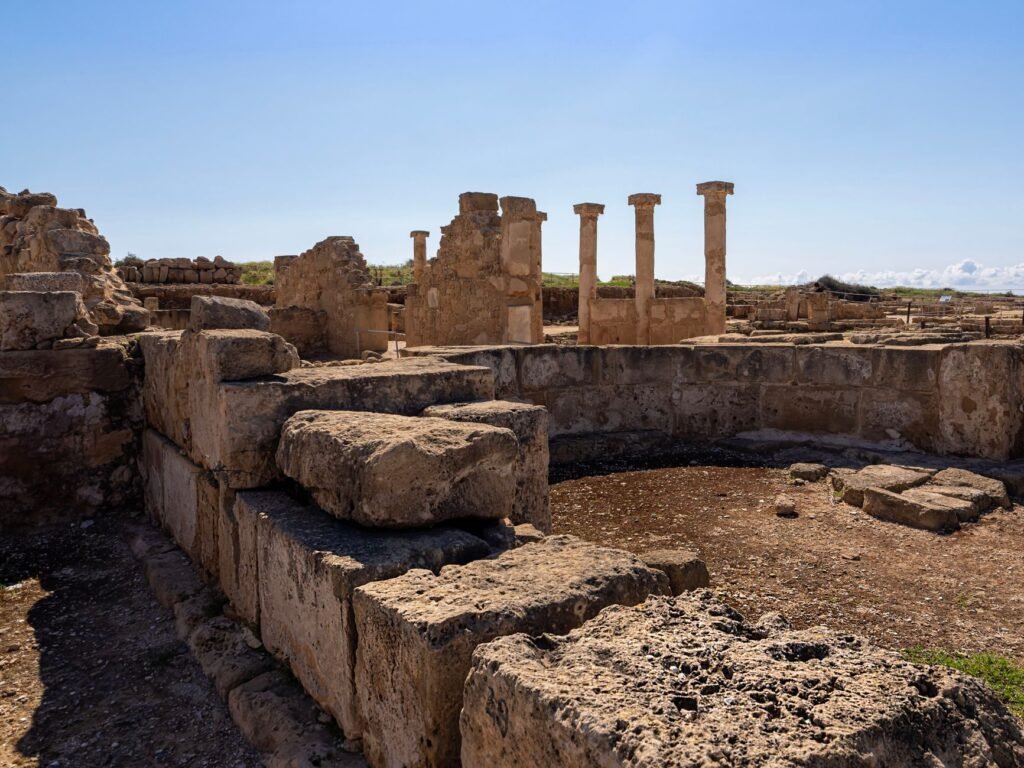
Paphos, a UNESCO World Heritage Site, is home to some of the most significant archaeological sites in Cyprus. The Paphos Archaeological Park features stunning mosaics dating back to the Roman period, showcasing intricate designs and vibrant colors. A visit here is essential for anyone interested in history and culture.
Another highlight in Paphos is the Tombs of the Kings, a magnificent burial site that dates back to the 4th century BC. The tombs are carved from solid rock and feature impressive architecture, including columns and underground chambers. It’s a fascinating site that provides insight into the funerary practices of ancient Cyprus.
While in Paphos, take a stroll along the picturesque harbor, where you can enjoy local seafood at waterfront restaurants or simply relax and take in the views of the Mediterranean.
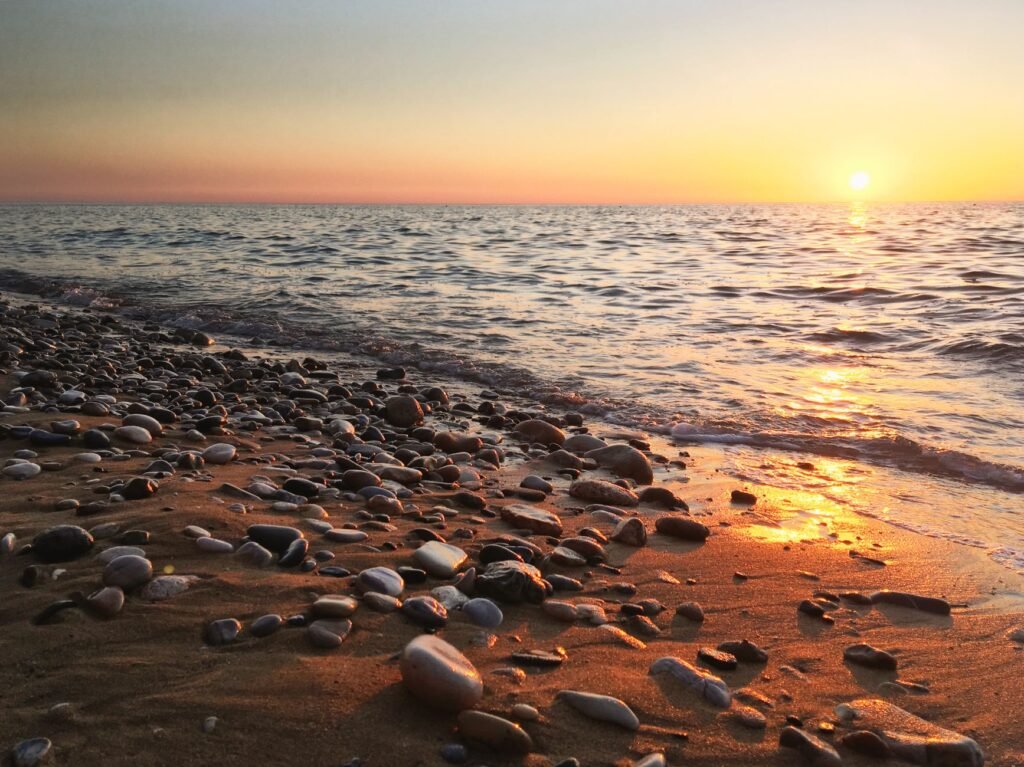
2. Unwind on Cyprus’ Stunning Beaches
With over 600 miles of coastline, Cyprus boasts some of the most beautiful beaches in Europe. One of the most popular is Nissi Beach in Ayia Napa, known for its crystal-clear waters and vibrant beach bars. Here, you can soak up the sun, enjoy water sports, or dance the day away at beach parties.
Another must-visit is Fig Tree Bay in Protaras, famous for its soft sand and calm waters. This beach is perfect for families and offers various amenities, including sunbeds, umbrellas, and nearby cafes. The picturesque view of the surrounding cliffs makes it a great spot for photos.
For those looking for a more secluded experience, head to Konnos Bay, a hidden gem located between Ayia Napa and Protaras. Surrounded by lush greenery, this beach offers tranquility and stunning views, making it an excellent choice for a peaceful day by the sea.
3. Discover the Troodos Mountains
The Troodos Mountains provide a beautiful contrast to the coastal areas of Cyprus, offering a diverse landscape of pine forests, charming villages, and hiking trails. The area is perfect for outdoor enthusiasts, with numerous trails ranging from easy walks to more challenging hikes.
Visit the picturesque village of Omodos, known for its cobbled streets and traditional wine-making. Here, you can explore local shops, taste Cypriot wines, and enjoy a meal at a taverna. Don’t miss the opportunity to see the historic Monastery of Timios Stavros, located in the village.
If you’re visiting in winter, the Troodos Mountains become a skiing destination, with several ski resorts available for winter sports enthusiasts. Skiing or snowboarding in Cyprus is a unique experience that many travelers don’t expect!
4. Experience Cypriot Cuisine
No trip to Cyprus is complete without indulging in its delicious local cuisine. Traditional Cypriot food is a blend of Greek, Turkish, and Middle Eastern influences, featuring fresh ingredients and bold flavors. A popular dish to try is meze, a selection of small dishes served as a feast. This allows you to sample various flavors and textures, from grilled meats to fresh salads.
For a taste of authentic Cypriot kebabs, head to a local taverna where you can savor flavors like souvlaki or sheftalia, a traditional sausage made with minced meat and spices. Pair your meal with local wines or the famous zivania, a strong Cypriot spirit.
Don’t forget to leave room for dessert! Loukoum, a sweet jelly made from sugar and starch, is a popular treat, often served with nuts and flavored with rosewater. It’s a delightful way to end your meal.
5. Visit the Capital City, Nicosia
Nicosia, the capital city of Cyprus, is unique as it is the last divided capital in Europe. The city offers a fascinating blend of history, culture, and modernity. Start your visit in the Old Town, surrounded by Venetian walls, where you can explore narrow streets lined with shops, cafes, and historical sites.
One of the main attractions is the Cyprus Museum, which showcases an extensive collection of artifacts from the island’s ancient history. It’s an excellent opportunity to learn about the rich cultural heritage of Cyprus.
Don’t miss the chance to visit the Green Line, the buffer zone that separates the Greek and Turkish sides of the city. Here, you can witness the impact of division and explore areas that reflect the island’s complex history.
6. Enjoy Outdoor Adventures
For those seeking adventure, Cyprus offers numerous outdoor activities to get your adrenaline pumping. Water sports are popular along the coast, with options like scuba diving, windsurfing, and jet skiing available at many beaches. The clear waters provide excellent visibility for diving enthusiasts to discover vibrant marine life.
Hiking is another fantastic way to explore the island’s natural beauty. The Akamas Peninsula, a protected area, features stunning trails with breathtaking views of the coastline and unique flora and fauna. The Blue Lagoon is a popular hiking destination, perfect for a swim after a long trek.
Cycling is also a great way to experience Cyprus. Many scenic routes are available, ranging from leisurely rides along the coast to more challenging trails in the mountains. Bike rental services are widely available, making it easy to explore at your own pace.
7. Explore Local Villages
Venturing into the countryside allows you to experience authentic Cypriot life. Many villages, such as Lefkara and Kalopanayiotis, offer a glimpse into traditional craftsmanship and local culture. Lefkara is famous for its lace-making and silverwork, where you can watch artisans at work and purchase unique handmade souvenirs.
Kalopanayiotis, nestled in the mountains, is known for its charming architecture and beautiful churches. Spend some time wandering the quiet streets and enjoy the stunning views of the surrounding landscapes.
Visit local markets to sample fresh produce and homemade goods, or stop by a coffee shop to enjoy a traditional Cypriot coffee while mingling with locals. These experiences provide a deeper understanding of the island’s culture and traditions.
Immerse Yourself in Cyprus’ Cultural Festivals
Annual Events Celebrating Tradition
Cyprus is rich in cultural traditions that are beautifully showcased through its numerous festivals throughout the year. Each festival offers a unique glimpse into the island’s heritage, from music and dance to food and crafts. The Limassol Carnival, for instance, is a vibrant celebration that takes place in February or March, attracting both locals and tourists with its lively parades, costumes, and parties. This event is a testament to the island’s artistic spirit and provides an excellent opportunity to experience Cypriot culture firsthand.
Another significant festival is the Wine Festival in Limassol, held annually in September. This festival celebrates the grape harvest and Cyprus’s winemaking tradition. Visitors can enjoy tastings of local wines, traditional music, and dance performances, as well as participate in workshops that teach about the winemaking process. The festival atmosphere is festive, with numerous stalls offering regional delicacies.
- Limassol Carnival: Celebrated with parades and parties.
- Wine Festival: Focused on local wines and food.
- Folk Dance Festivals: Showcasing traditional Cypriot dances.
Experience Religious Festivals
Religious festivals in Cyprus provide insight into the island’s spiritual life and cultural diversity. One of the most important is the Feast of Saint Barnabas, which takes place in June. This festival includes a procession to the monastery of Saint Barnabas, where visitors can witness traditional rituals and enjoy local delicacies. The event is a mix of spirituality and community celebration, attracting pilgrims and tourists alike.
Another notable event is the Feast of the Assumption, celebrated in mid-August. This festival is marked by church services, processions, and various local festivities. The celebrations often include fireworks, traditional music, and food stalls offering local dishes, allowing visitors to immerse themselves in the lively atmosphere.
- Feast of Saint Barnabas: Processions and traditional rituals.
- Feast of the Assumption: Church services and community celebrations.
- Christmas and Easter Celebrations: Rich in traditions and customs.

Adventure Through Cyprus’ Natural Wonders
Explore Unique Geological Formations
Cyprus is home to stunning natural landscapes and unique geological formations that are a must-see for any visitor. One of the most famous sites is the Akamas Peninsula, a nature reserve known for its dramatic cliffs, secluded beaches, and diverse biodiversity. Hiking trails lead to breathtaking viewpoints where visitors can enjoy panoramic views of the Mediterranean Sea. The area is also perfect for nature enthusiasts looking to spot rare flora and fauna.
The Troodos Mountains house the captivating Caledonia Waterfall, which is accessible via a scenic hiking trail. This picturesque waterfall cascades down rocky cliffs, creating a serene environment ideal for relaxation and picnicking. The lush surroundings are home to various wildlife, making it a perfect spot for birdwatching and photography.
- Akamas Peninsula: Dramatic cliffs and hidden beaches.
- Caledonia Waterfall: Scenic hiking and picnicking opportunities.
- Avakas Gorge: A stunning canyon ideal for hiking.
Discover Underwater Treasures
The waters surrounding Cyprus are teeming with marine life and offer some of the best diving spots in the Mediterranean. One of the most popular sites is the Zenobia wreck, an underwater shipwreck that attracts divers from around the world. The wreck, which lies off the coast of Larnaca, is renowned for its well-preserved condition and the abundance of marine life that has made it their home.
For those less experienced in diving, there are many snorkeling opportunities available along the coast, particularly at Coral Bay and Fig Tree Bay. These locations boast clear waters filled with colorful fish and vibrant coral reefs, making them perfect for families and beginners. Local dive shops offer guided tours and equipment rentals, ensuring a safe and enjoyable experience.
- Zenobia Wreck: A must-see for experienced divers.
- Coral Bay: Ideal for snorkeling and family outings.
- Fig Tree Bay: Known for its clear waters and marine life.
Engage with Local Art and Craft
Visit Art Galleries and Studios
Cyprus is home to a thriving art scene that reflects its rich cultural heritage. Visitors can explore numerous art galleries showcasing the works of local and international artists. The Leventis Gallery in Nicosia is one such venue, featuring an extensive collection of Cypriot art and historical artifacts. The gallery regularly hosts exhibitions and events that provide insight into Cyprus’s artistic evolution.
In addition to galleries, many artists in Cyprus operate their studios where visitors can observe the creative process. In villages like Lefkara, known for its traditional lace-making, visitors can watch artisans at work, learning about the techniques passed down through generations. This hands-on experience provides a deeper appreciation for the craftsmanship involved in local arts.
- Leventis Gallery: Features Cypriot art and historical artifacts.
- Lefkara: Famous for lace-making and local artisans.
- Limassol’s Art District: Home to contemporary art galleries.
Participate in Local Workshops
For those looking to immerse themselves in Cypriot culture, participating in local workshops is a fantastic way to learn traditional crafts. Many towns offer classes in pottery, weaving, and painting, allowing visitors to create their own souvenirs while gaining insights into local techniques. Workshops often emphasize traditional methods, providing a unique perspective on Cypriot culture.
Cooking classes are also popular, where visitors can learn to prepare traditional dishes using local ingredients. These classes often conclude with a communal meal, allowing participants to enjoy the fruits of their labor while mingling with locals and other travelers.
- Pottery Workshops: Hands-on experience in traditional ceramics.
- Cooking Classes: Learn and enjoy Cypriot cuisine.
- Weaving Workshops: Discover the art of traditional weaving.
Frequently Asked Questions
What is the best time to visit Cyprus?
The best time to visit Cyprus is during the spring (April-May) and autumn (September-October) months when the weather is warm, and the tourist crowds are smaller. Summer is also popular but can be hot and crowded.
Is Cyprus safe for travelers?
Yes, Cyprus is generally considered safe for travelers. Petty crime exists, as in most tourist destinations, so it’s advisable to take standard precautions, such as avoiding poorly lit areas at night and securing your belongings.
What currency is used in Cyprus?
The currency used in Cyprus is the Euro (EUR). Credit cards are widely accepted, but it’s a good idea to have some cash on hand for smaller establishments.
Do I need a visa to visit Cyprus?
Visa requirements depend on your nationality. Many travelers from the EU and certain countries can enter Cyprus visa-free for short stays. Check with the local embassy or consulate for specific requirements.
The Bottom Line
Cyprus is a captivating destination with diverse attractions ranging from ancient ruins to stunning natural landscapes. Whether you are looking to relax on the beach, explore historical sites, or indulge in delicious local cuisine, the island has something for everyone. Planning your itinerary around these top things to do in Cyprus will ensure a memorable experience.