Key Takeaways
- Experience the vast beauty of Mongolia's landscapes.
- Engage with the rich cultural heritage of nomadic tribes.
- Explore historical sites and natural wonders.
- Plan your trip with practical tips for a smooth experience.
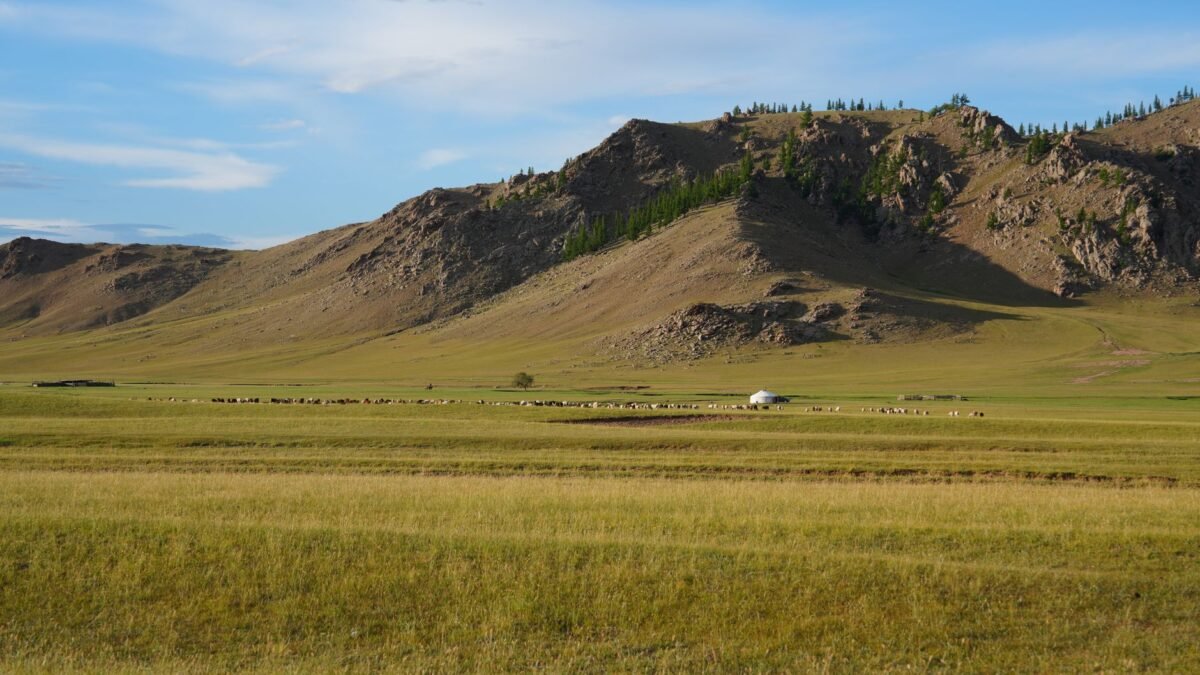
Mongolia, a land of vast steppes, rugged mountains, and rich cultural heritage, offers an unparalleled travel experience. Known for its nomadic lifestyle and breathtaking landscapes, the country is a haven for adventurers and culture enthusiasts alike. Whether you’re trekking through the Gobi Desert or experiencing the hospitality of a traditional ger camp, Mongolia provides a unique blend of nature and tradition.
This guide will walk you through the top things to do in Mongolia, ensuring you make the most of your trip. From exploring ancient cities to immersing yourself in local customs, there is something for every traveler in this remarkable country.
As you plan your journey, consider the time of year you’ll be visiting. Mongolia experiences extreme seasonal variations, which can significantly affect your travel experience. Spring and autumn are ideal for trekking, while summer offers vibrant festivals and winter showcases Mongolia’s stunning snowy landscapes.
1. Explore Ulaanbaatar
Ulaanbaatar, the capital city, serves as the starting point for many travelers. This bustling metropolis blends modern development with rich history. Key attractions include:
- Genghis Khan Square: Located in the heart of the city, this expansive square is home to a large statue of Genghis Khan, Mongolia’s most famous historical figure. The square is surrounded by government buildings and offers a great place for people-watching.
- National Museum of Mongolia: To understand the country’s history, a visit to this museum is essential. It showcases artifacts from Mongolia’s prehistoric times through its socialist era.
- Choijin Lama Temple: This beautifully preserved Buddhist temple complex features stunning architecture and intricate wood carvings. It is a peaceful place to learn about Mongolia’s Buddhist heritage.
Spending a day in Ulaanbaatar allows you to acclimate before heading into the vast wilderness. Make sure to try local dishes at restaurants like Modern Nomads or The Bull, where you can sample traditional Mongolian cuisine.
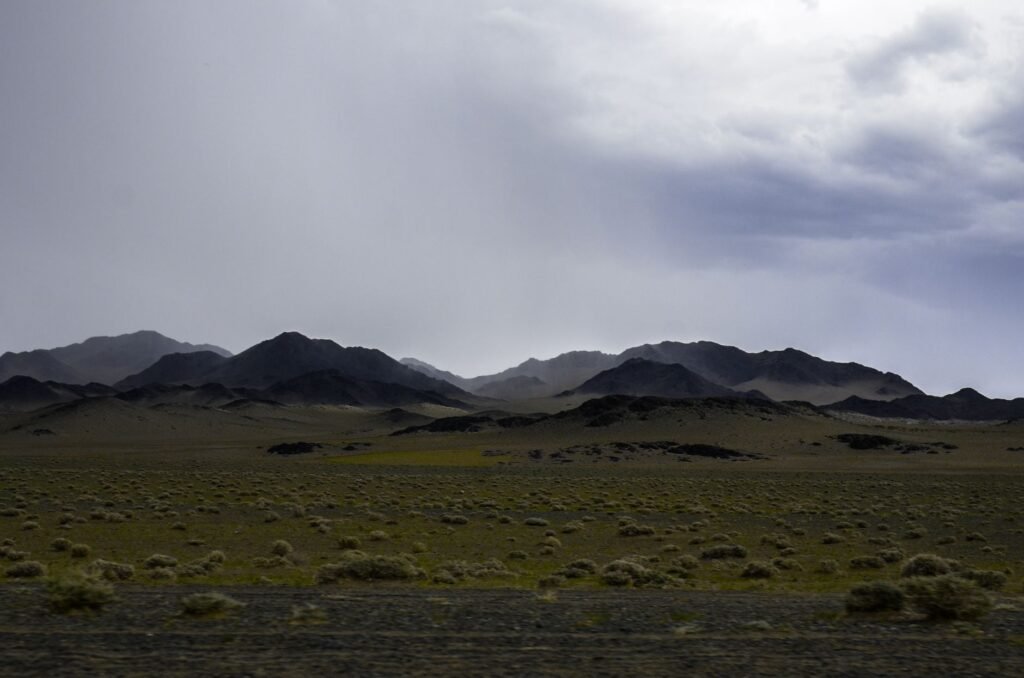
2. Visit the Gobi Desert
The Gobi Desert is one of the world’s largest deserts, known for its stark beauty and unique wildlife. It offers a range of activities for adventurous travelers:
- Sand Dunes: The Khongoryn Els, or Singing Dunes, are a must-visit. The dunes stretch over 100 kilometers and are known for the sound they make when the wind blows over them. Climbing to the top rewards you with stunning views of the desert landscape.
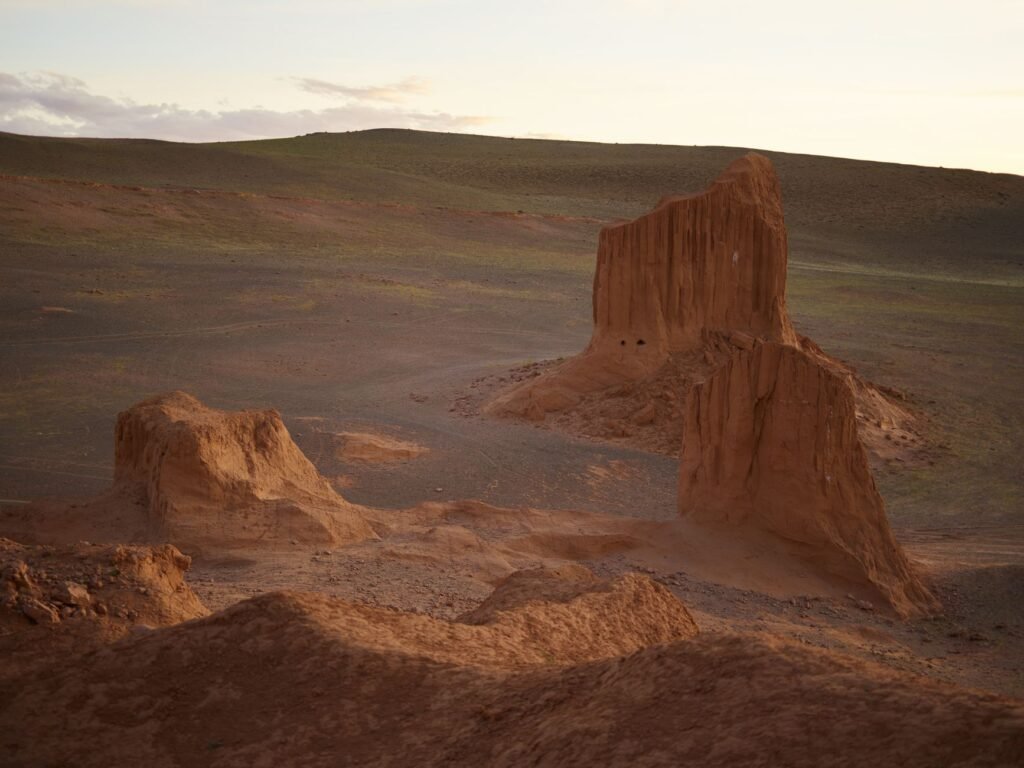
- Flaming Cliffs: Known for the discovery of dinosaur eggs, this area is famous for its red sandstone formations. Visit at sunset for breathtaking views as the cliffs glow in the fading light.
- Wildlife Watching: The Gobi is home to unique species like the Bactrian camel and snow leopards. Consider joining a guided tour for the best chance to see these animals in their natural habitat.
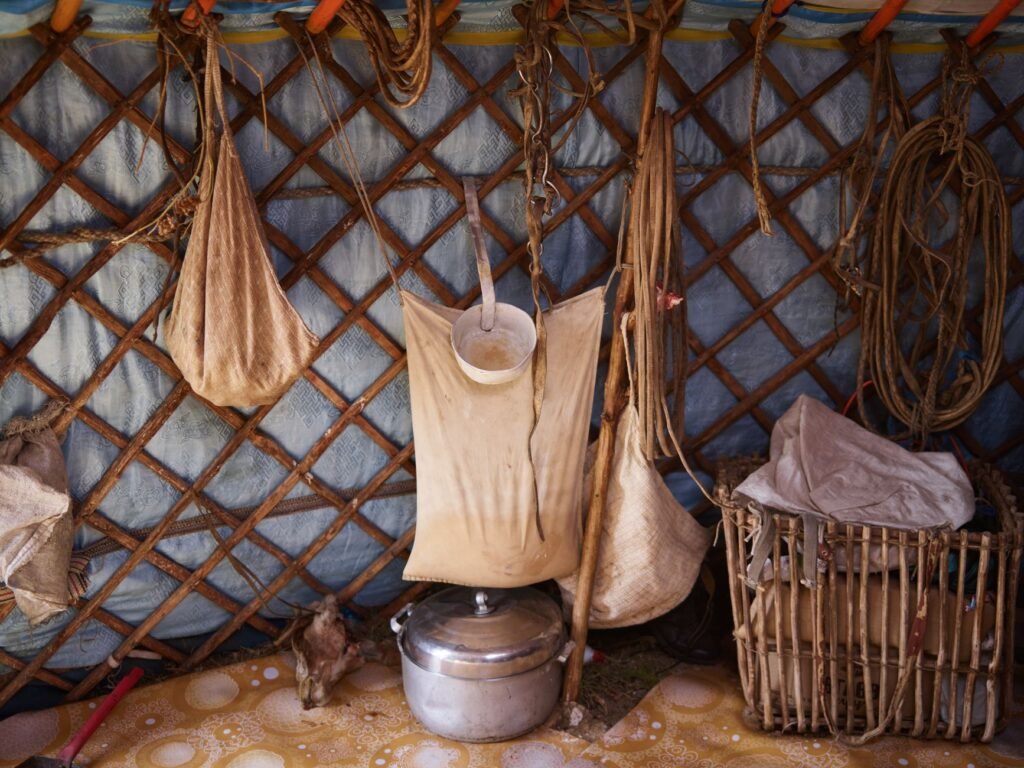
Traveling through the Gobi Desert often involves staying in traditional ger camps, where you can experience nomadic life firsthand. These camps typically offer meals and guided tours, making it a convenient base for exploring the area.
3. Discover the Khuvsgul Lake
Khuvsgul Lake, often referred to as the ‘Blue Pearl’ of Mongolia, is a stunning freshwater lake located in the north. The area is perfect for outdoor activities and offers breathtaking scenery:
- Trekking and Hiking: There are numerous trails around the lake, suitable for various fitness levels. The landscapes vary from forested mountains to open plains, providing a perfect backdrop for photography.
- Canoeing and Kayaking: The clear waters of Khuvsgul Lake are ideal for paddling. Rentals are available, allowing you to explore the lake at your own pace.
- Visit Local Nomads: Engage with the local Tsaatan people, who still practice reindeer herding. This interaction offers insight into a unique way of life.
For an unforgettable experience, consider camping near the lake. This allows you to enjoy the tranquility of nature and stargazing at night.
4. Experience the Naadam Festival
The Naadam Festival, held annually in July, is a celebration of Mongolia’s cultural heritage. It features three traditional sports: wrestling, horse racing, and archery. The festival is a vibrant display of Mongolian pride and offers visitors a chance to engage with local customs:
- Wrestling: Known as ‘the Great National Games’, wrestling matches are a highlight. Wrestlers wear traditional costumes and compete in an arena filled with enthusiastic spectators.
- Horse Racing: Horse races take place on the steppe, with young jockeys riding bareback. The races can be quite exhilarating, and attending one provides a glimpse into the importance of horses in Mongolian culture.
- Archery: Archers of all ages participate, showcasing their skills in a traditional setting. Watching the competition is a fascinating experience.
Travelers planning to visit during Naadam should book accommodations well in advance, as it is a popular time for both locals and tourists.
5. Explore the Orkhon Valley
The Orkhon Valley is a UNESCO World Heritage site that showcases Mongolia’s historical significance. The valley is rich in archaeological sites and offers a glimpse into the life of ancient nomadic tribes:
- Historical Sites: Visit the ruins of Karakorum, the ancient capital of the Mongol Empire. The area includes the Erdene Zuu Monastery, one of Mongolia’s oldest Buddhist monasteries.
- Natural Beauty: The valley is characterized by stunning landscapes, including rolling hills and the Orkhon River. It’s an excellent area for hiking and camping.
- Local Culture: Engage with local herders and learn about their way of life. Many families are welcoming to visitors and offer insights into traditional Mongolian customs.
Consider hiring a local guide to enhance your experience in the Orkhon Valley. They can provide context to the historical sites and help you navigate the landscapes.
6. Trek in the Altai Mountains
The Altai Mountains in western Mongolia are known for their dramatic peaks and diverse wildlife. This region offers some of the best trekking experiences in the country:
- Scenic Trails: Trails vary in difficulty, with options for both novice and experienced hikers. The breathtaking views include glacial lakes, alpine meadows, and stunning mountain ranges.
- Kazak Eagle Hunters: Meet the local Kazak people, known for their traditional eagle hunting. You can witness demonstrations and learn about this ancient practice.
- Wildlife Watching: The Altai Mountains are home to unique species, including snow leopards, ibex, and various bird species. Guided tours offer the best chance to encounter this wildlife.
When trekking in the Altai Mountains, it’s advisable to prepare for varying weather conditions. Layered clothing and proper hiking gear are essential for safety and comfort.
7. Visit the Khustain Nuruu National Park
Khustain Nuruu National Park is a conservation area dedicated to protecting the endangered Przewalski’s horse. The park is also known for its diverse ecosystems and beautiful landscapes:
- Wild Horse Watching: The park is one of the best places in the world to see Przewalski’s horse in the wild. Guided tours can enhance your chances of spotting these rare animals.
- Hiking Opportunities: There are numerous trails in the park that cater to different skill levels. Hiking through the park allows you to enjoy its natural beauty and encounter local wildlife.
- Cultural Engagement: The park often hosts local events and activities, providing visitors with a chance to engage with Mongolian culture and traditions.
Make sure to check the weather and park regulations before your visit. It’s a good idea to carry sufficient water and snacks while hiking.
8. Immerse Yourself in Mongolian Culture
Mongolia’s rich culture is deeply tied to its nomadic lifestyle. Engaging with local customs offers a unique experience:
- Stay in a Ger: Consider spending a night in a ger camp, where you can experience traditional hospitality. Many camps offer cultural performances, local cuisine, and activities like horseback riding.
- Learn Traditional Crafts: Participate in workshops that teach traditional Mongolian crafts, such as felt making or throat singing. These hands-on experiences provide insight into the local way of life.
- Attend Local Markets: Visit local markets to sample traditional foods and purchase handmade crafts. Engaging with locals at these markets can offer a deeper understanding of Mongolian culture.
Be respectful of local customs, especially when visiting rural areas. Learning a few basic Mongolian phrases can enhance your interactions with locals.
Journey Through the Historical Sites of Mongolia
Visit the Erdene Zuu Monastery
Erdene Zuu Monastery, located near the ancient capital of Karakorum, is one of the oldest and most significant Buddhist monasteries in Mongolia. Founded in 1586, this UNESCO World Heritage Site is a must-visit for those interested in the spiritual history of the region. The monastery complex features a stunning array of temples, stupas, and walls adorned with intricate carvings and paintings. Visitors can explore the rich heritage of Buddhism in Mongolia and participate in meditation sessions or rituals conducted by resident monks.
When planning your visit, consider taking a guided tour to understand the historical context and significance of this site. The atmosphere is serene, making it an ideal spot for reflection and photography. Don’t forget to check out the nearby Kharkhorin Museum, which showcases artifacts from the Mongolian Empire.
- Plan your visit during the morning for a peaceful experience.
- Respect local customs and dress modestly while inside the monastery.
- Engage with the monks for a deeper understanding of their practices.
Explore the Ruins of Karakorum
The legendary city of Karakorum, once the capital of the Mongol Empire under Genghis Khan, is now a fascinating archaeological site. Visitors can wander through the remnants of this historic city, which was strategically located at the crossroads of trade routes. The site includes the ruins of ancient buildings, a reconstructed temple, and informative exhibits that recount the history of the Mongolian Empire.
While exploring, take your time to imagine the bustling life that once thrived here, with merchants and travelers from various cultures converging in this vibrant hub. Guided tours often provide insights into the daily life of its inhabitants and the significance of Karakorum in shaping Mongolian history. A visit to this site is essential for history buffs and anyone interested in the legacy of Genghis Khan.
- Wear comfortable shoes as you will be walking on uneven terrain.
- Bring a camera to capture the stunning landscapes surrounding the ruins.
- Consider visiting during the shoulder seasons for fewer crowds.
Discover Tsetserleg and the Arhangai Province
Tsetserleg, the capital of the Arhangai Province, is a picturesque town that offers a glimpse into rural Mongolian life. Nestled in the Khangai Mountains, Tsetserleg is known for its beautiful landscapes and traditional architecture. The town is home to the Tsetserleg Museum, which showcases the region’s history, culture, and natural environment, making it an excellent starting point for adventures in the surrounding areas.
From Tsetserleg, adventurers can easily access hiking trails, hot springs, and nomadic families. The nearby Khorgo-Terkhiin Tsagaan Nuur National Park is a popular destination for those looking to hike, camp, or simply enjoy the stunning scenery of volcanic lakes and craters. The park is rich in biodiversity, making it an excellent spot for wildlife watching and photography.
- Try local dishes at family-run guesthouses for an authentic experience.
- Hire local guides for trekking to discover less-explored trails.
- Visit during the summer months for the best weather and activities.
Adventure Sports and Activities in Mongolia
White Water Rafting in the Onon River
The Onon River, known for its thrilling rapids and breathtaking scenery, offers an exhilarating white-water rafting experience for adventure seekers. Stretching through the picturesque landscapes of Khentii Province, this river provides a unique opportunity to combine adrenaline-pumping action with the beauty of nature. Various tour operators offer guided rafting trips, accommodating different skill levels from beginners to experts.
Rafting trips typically include not just the adrenaline rush but also the chance to see wildlife, such as deer and various bird species along the riverbanks. Most tours provide safety gear and experienced guides to ensure a safe and enjoyable experience. To make the most of your rafting adventure, consider extending your trip to include camping by the riverside, where you can enjoy stargazing and traditional Mongolian meals.
- Ensure you have proper rafting gear, including a wetsuit and shoes.
- Stay hydrated and bring snacks for energy during long trips.
- Follow the safety instructions provided by your guides.
Horseback Riding Across the Steppe
No trip to Mongolia is complete without experiencing the vast steppe on horseback. Horseback riding is an integral part of Mongolian culture, and various tours cater to riders of all levels. Whether you are a novice or an experienced rider, you can find a suitable program that allows you to explore the stunning landscapes and meet local nomadic families.
Many equestrian tours include multi-day excursions that take you through rolling hills, lush valleys, and alongside pristine lakes. Riders can engage in traditional games like horse racing and learn about the significance of horses in Mongolian culture. It’s advisable to bring a good pair of riding boots and wear layers, as temperatures can fluctuate throughout the day.
- Book your horseback riding tour in advance to secure your spot.
- Take riding lessons if you are a beginner to build confidence.
- Respect the horses and follow your guide’s instructions for safety.
Rock Climbing in the Bayanzag Region
Famous for its flaming cliffs and rich fossil beds, the Bayanzag region is also an emerging destination for rock climbing enthusiasts. The unique sandstone formations provide varied climbing routes suitable for different skill levels, from beginner-friendly climbs to more challenging ascents. The stunning desert scenery adds to the appeal, making it an unforgettable experience.
Climbing in Bayanzag is not just about the challenge; it also offers a chance to connect with nature and appreciate the geological wonders of Mongolia. Many local climbing guides provide equipment and expertise to ensure a safe climbing experience. After a day of climbing, take some time to explore the area’s paleontological significance, as it is known for the discovery of dinosaur eggs and fossils.
- Check weather conditions before planning your climbing trip.
- Bring plenty of water and sun protection.
- Consider hiring a local climbing guide for insights and safety.
Frequently Asked Questions
What is the best time to visit Mongolia?
The best time to visit Mongolia is during the late spring (May to June) and early autumn (September to October) when the weather is mild and suitable for outdoor activities.
Do I need a visa to enter Mongolia?
Visa requirements vary by nationality. Some travelers can enter Mongolia visa-free for short stays, while others may need to apply for a visa in advance. Check with your local Mongolian consulate for specifics.
Are there any safety concerns in Mongolia?
Mongolia is generally safe for travelers, but it’s wise to take standard precautions, especially in remote areas. Be aware of your surroundings and avoid isolated locations at night.
What is the currency used in Mongolia?
The currency of Mongolia is the Mongolian Tögrög (MNT). It’s advisable to exchange some currency before your trip or withdraw cash from ATMs in Ulaanbaatar.
The Bottom Line
Mongolia is a destination filled with adventure, culture, and breathtaking landscapes. From exploring the capital city of Ulaanbaatar to trekking through the Altai Mountains, the top things to do in Mongolia offer a diverse range of experiences. By planning ahead and engaging with local customs, you can create an unforgettable journey in this remarkable country.