
Key Takeaways
- Visit significant sites that shaped civil rights history.
- Learn about the struggles and triumphs of the movement.
- Get practical tips for visiting these historic locations.
- Engage with local guides for deeper insights.
The civil rights movement was a pivotal series of events that shaped American history, particularly in the Southern United States. This guide covers the top civil rights sites in the South, highlighting their significance and what visitors can expect when they arrive. From museums to memorials, these locations serve as reminders of the struggle for equality and justice.
Traveling to these historical sites not only provides a glimpse into the past but also fosters understanding and dialogue about the ongoing issues of race and social justice in America. This article aims to guide you through some of the most important locations, offering practical tips for your visit and insights into their historical context.
Whether you are a history buff, a student, or simply someone looking to learn more about America’s civil rights legacy, this guide will help you plan a meaningful trip to these essential sites.
1. The National Civil Rights Museum – Memphis, Tennessee
The National Civil Rights Museum is located at the former Lorraine Motel, where Dr. Martin Luther King Jr. was assassinated in 1968. This museum provides a comprehensive overview of the civil rights movement, featuring powerful exhibits that chronicle the struggle for equality from the 17th century to the present.
Visitors can expect to see artifacts, multimedia presentations, and interactive displays that engage all ages. The museum covers significant milestones, including the Montgomery Bus Boycott, the March on Washington, and the Freedom Rides. Moreover, the museum’s architecture reflects the historical significance of the site, preserving the Lorraine Motel as a solemn reminder of the sacrifices made during the movement.
For those planning to visit, consider purchasing tickets online to avoid long lines. The museum typically opens at 9 AM, but hours may vary, so check the official website for the most current information.
2. The Birmingham Civil Rights Institute – Birmingham, Alabama
The Birmingham Civil Rights Institute is a vital educational and cultural center that interprets the significance of the civil rights movement in Birmingham and the nation. The institute employs a variety of exhibits to illustrate the struggle for civil rights through the lens of Birmingham’s experiences during the 1960s.
Key features include a replica of the infamous 16th Street Baptist Church, where a tragic bombing occurred in 1963, killing four young girls. The institute also offers guided tours that deepen the understanding of the exhibits, making it a profound educational experience for visitors.
Before visiting, check their website for special programs or events. The institute is situated in the heart of Birmingham, making it accessible for those exploring the area.
3. Selma to Montgomery National Historic Trail – Alabama
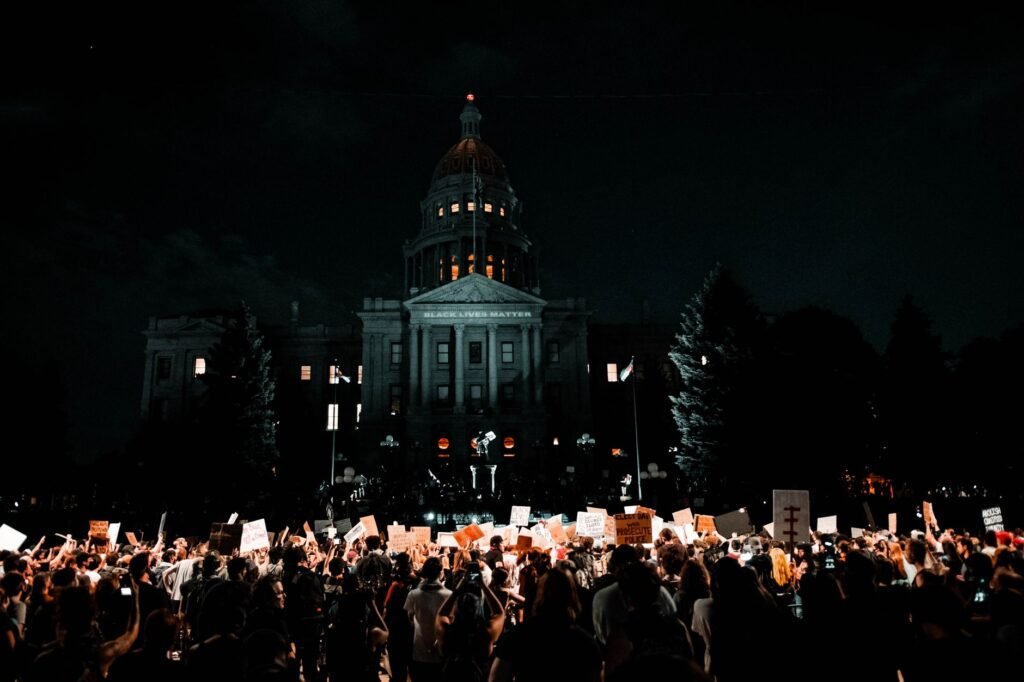
The Selma to Montgomery National Historic Trail marks the route taken by civil rights marchers in 1965 as they protested for voting rights. This historic trail encompasses significant sites, including the Edmund Pettus Bridge, which became a symbol of the struggle for civil rights.
Visitors can walk across the bridge and reflect on its historical importance. Informational plaques line the trail, providing context to the events that unfolded during the march. The route is approximately 54 miles long, and while many choose to drive, walking segments of the trail can be a poignant way to connect with history.
For those interested in more immersive experiences, consider timing your visit to coincide with the annual Selma Bridge Crossing Jubilee, which commemorates the march and includes various events and activities.
4. The Civil Rights Memorial Center – Montgomery, Alabama
The Civil Rights Memorial Center honors the activists who lost their lives in the struggle for civil rights. Located adjacent to the Southern Poverty Law Center, the memorial features a striking black granite table engraved with the names of martyrs. The center provides an engaging overview of the civil rights movement through exhibits and educational programs.
One highlight of the center is the interactive component that allows visitors to learn about the ongoing fight for justice and equality. The combination of history and contemporary issues makes this site a powerful place to reflect on the past and its relevance today.
Visitors should allow time to explore both the memorial and the accompanying exhibits. The center often hosts educational workshops and community events, so check the calendar before your visit.
5. The Freedom Center – Cincinnati, Ohio
While not traditionally considered part of the South, the National Underground Railroad Freedom Center in Cincinnati plays a crucial role in the civil rights narrative. This museum focuses on the history of the Underground Railroad and the ongoing fight for freedom and justice. It highlights the connections between past struggles and current human rights issues.
Exhibits include artifacts from the Underground Railroad, personal stories of enslaved individuals, and information on contemporary slavery and human trafficking. The museum’s location along the Ohio River links it to the geography of the Underground Railroad, making it an essential stop for understanding the broader context of civil rights.
Plan to spend a few hours here as the depth of exhibits and educational programs offer rich insights into the themes of freedom and justice.
6. The Rosa Parks Museum – Montgomery, Alabama
The Rosa Parks Museum is dedicated to the legacy of Rosa Parks and her pivotal role in the Montgomery Bus Boycott. Located on the site of the former Montgomery Bus Station, the museum features exhibits that recount the story of Parks’ courageous act of civil disobedience and its impact on the civil rights movement.
One of the most moving experiences is the interactive exhibit that allows visitors to sit on a bus and reflect on the segregation laws that existed at the time. The museum also offers guided tours that provide valuable context and historical background.
When visiting, check for any special events or educational programs that might be taking place, as these can enhance the experience significantly.
7. The African American Civil War Memorial – Washington, D.C.
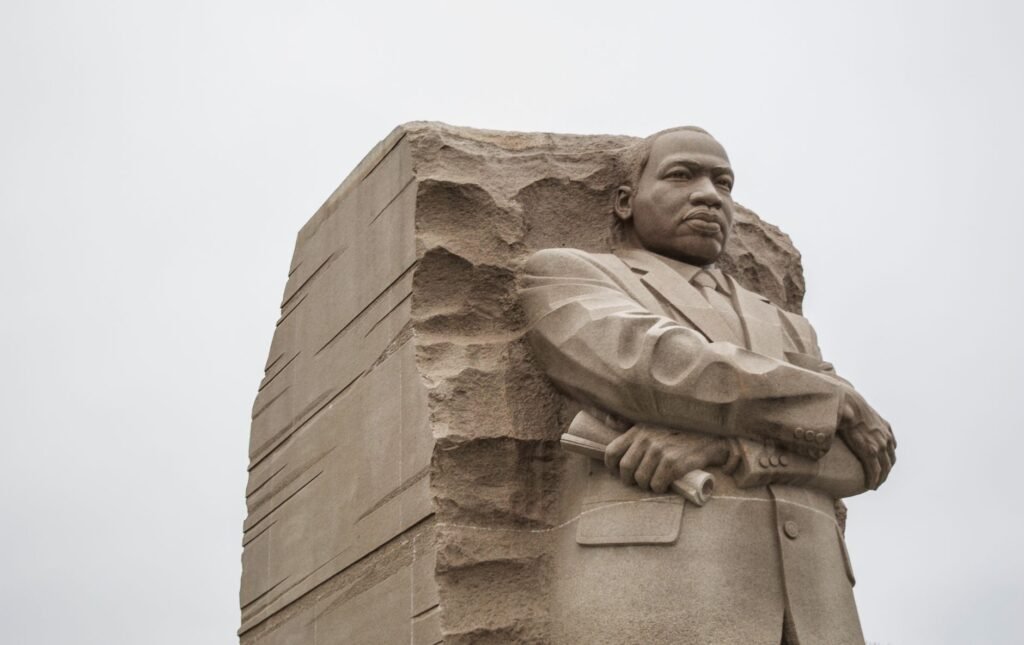
While Washington D.C. is not part of the traditional South, the African American Civil War Memorial is vital to understanding the broader history of African Americans in the civil rights movement. This memorial honors the contributions of African American soldiers during the Civil War and their fight for freedom and equality.
The memorial features a striking statue and an accompanying visitor center that provides insight into the role of African Americans in the Civil War. Educational programs and guided tours are also available, making it a meaningful stop for those interested in understanding the historical context of civil rights.
When visiting, check the hours of the visitor center and any special exhibitions that may be open during your stay.
8. The Civil Rights Trail – Various Locations
The Civil Rights Trail is an extensive route that spans several Southern states, linking key historical sites associated with the civil rights movement. This trail provides a comprehensive overview of the movement and allows travelers to explore various locations at their own pace.
Key stops along the trail include the aforementioned National Civil Rights Museum, Birmingham Civil Rights Institute, and the Selma to Montgomery National Historic Trail. The trail is well marked and offers resources for travelers, including maps and suggested itineraries.
For a more structured experience, consider engaging a local guide who can provide deeper insights into the significance of each location. This can enhance your understanding of the historical context and the ongoing impact of these events.
Historic Black Colleges and Universities (HBCUs)
Legacy of Education
Historically Black Colleges and Universities (HBCUs) play a pivotal role in the civil rights movement and the education of African Americans. These institutions were established to provide opportunities for higher education to Black students during a time when segregation and discrimination barred them from attending predominantly white universities. Some of the most significant HBCUs include Howard University, Spelman College, and Morehouse College, each with its own legacy of activism and leadership.
Visiting HBCUs provides a rich experience in understanding the educational foundations laid for future generations. Many of these campuses host museums, archives, and events that commemorate their historical significance.
- Howard University, Washington, D.C. – Known for its influential alumni, including civil rights leaders like Thurgood Marshall.
- Spelman College, Atlanta, Georgia – An all-women’s college that has produced numerous scholars and activists.
- Morehouse College, Atlanta, Georgia – The only all-male HBCU and the alma mater of Martin Luther King Jr.
Cultural Events and Celebrations
Many HBCUs host annual events that celebrate their history and contributions to civil rights. These events often include lectures, panel discussions, and cultural showcases that engage students and the community at large. For instance, Howard University holds its Homecoming celebration, which attracts thousands of alumni and showcases the university’s rich heritage.
Attending these events not only offers a glimpse into the ongoing legacy of HBCUs but also fosters connections with current students and faculty who continue the fight for equality and justice.
- Homecoming celebrations
- Annual civil rights symposiums
- Black History Month events
Campus Museums and Archives
Many HBCUs feature on-campus museums or archives dedicated to preserving the history of African American education and civil rights. For example, the National Great Blacks in Wax Museum at Morgan State University in Baltimore highlights significant figures in Black history through lifelike wax sculptures.
These museums often provide educational resources and guided tours that enrich visitors’ understanding of the struggles and triumphs of African Americans in their pursuit of equality.
- National Great Blacks in Wax Museum – Baltimore, Maryland
- Spelman College Museum of Fine Art – Atlanta, Georgia
- Morehouse College Martin Luther King Jr. Collection – Atlanta, Georgia

Art and Cultural Centers
Expressing the Movement
Art has long been a means of expression within the civil rights movement. Various art centers and galleries across the South showcase works that highlight the struggle for equality. These spaces often feature the works of both historical and contemporary artists who interpret the civil rights era through their unique lenses.
Visiting these art centers provides an opportunity to engage with narratives that are often overlooked in traditional historical accounts. They serve as a reminder of the importance of creativity in activism and social justice.
- The Museum of African American History – Boston, Massachusetts
- The Contemporary Arts Center – New Orleans, Louisiana
- The Studio Museum in Harlem – New York, New York
Public Murals and Installations
Throughout cities in the South, public murals and installations dedicated to civil rights themes can be found. These works of art not only beautify the urban landscape but also serve as poignant reminders of the ongoing struggle for justice. Artists often collaborate with communities to create pieces that speak to local histories and experiences.
Visitors can explore these murals through guided walking tours, which often provide context and stories behind the artwork, enriching the overall experience.
- “The Movement” mural in Birmingham, Alabama
- “I Am a Man” plaza installation in Memphis, Tennessee
- “Black Lives Matter” mural in Washington, D.C.
Film and Documentary Screenings
Cultural centers often host screenings of films and documentaries that focus on civil rights history. These events provide a platform for discussions and reflections on the impact of the civil rights movement. Films such as “Selma” and “13th” initiate critical conversations about race relations and social justice in contemporary America.
Attending these screenings can be an enlightening experience, allowing audiences to engage with the material and participate in discussions that follow.
- Film series focusing on civil rights history
- Documentary screenings featuring interviews with activists
- Q&A sessions with filmmakers and historians
Memorials and Historic Sites
Commemorating the Lives Lost
Throughout the South, various memorials and historic sites commemorate the lives lost during the civil rights struggle. These sites often serve as places of reflection and education, reminding visitors of the sacrifices made for the cause of justice. One notable site is the 16th Street Baptist Church in Birmingham, where four young girls were killed in a racially motivated bombing in 1963.
Visitors can learn about the events leading up to the bombing and its aftermath, making it a powerful place to reflect on the ongoing fight against hate and discrimination.
- 16th Street Baptist Church – Birmingham, Alabama
- The National Memorial for Peace and Justice – Montgomery, Alabama
- The Emmett Till Interpretive Center – Sumner, Mississippi
Historic Homes and Landmarks
Many prominent figures in the civil rights movement have homes, churches, or landmarks dedicated to their legacy. For example, the home of Martin Luther King Jr. in Atlanta is part of the Martin Luther King Jr. National Historical Park, which includes his church and the Ebenezer Baptist Church where he preached.
Visiting these sites allows individuals to walk in the footsteps of the leaders who fought for civil rights, offering a personal connection to history.
- Martin Luther King Jr. National Historical Park – Atlanta, Georgia
- Rosa Parks’ home – Detroit, Michigan
- Malcolm X’s childhood home – Lansing, Michigan
Guided Tours and Educational Programs
Many memorials and historic sites offer guided tours and educational programs that provide in-depth insights into their significance. These programs often include expert-led discussions that explore the broader context of the civil rights movement and its impact on American society.
Participating in these tours can deepen one’s understanding of the historical events and encourage meaningful dialogue about the ongoing challenges faced by marginalized communities.
- Guided tours of the National Civil Rights Museum
- Educational programs at the Civil Rights Memorial Center
- Workshops at the Birmingham Civil Rights Institute
Frequently Asked Questions
What are some key themes in civil rights history?
Key themes in civil rights history include racial segregation, voting rights, nonviolent protest, and the role of African Americans in shaping American democracy. These themes are explored through various exhibits at the sites mentioned above.
How can I engage with local history at these sites?
Many civil rights sites offer guided tours led by knowledgeable local historians. Engaging in these tours can provide valuable perspectives and personal stories that enrich your visit.
Are there any events commemorating civil rights history?
Yes, many sites host annual events, including memorials, reenactments, and educational programs. Checking the official websites of each location can provide information on upcoming events and activities.
What is the best way to plan a trip to these sites?
Start by researching each site and creating a route that allows you to visit multiple locations. Consider factors such as travel distance, local accommodations, and the time you want to spend at each site. Make sure to check for any special events or seasonal programs.
The Bottom Line
Exploring the top civil rights sites in the South offers a profound opportunity to reflect on America’s history and the ongoing struggles for justice and equality. Each location provides unique insights and stories that contribute to a deeper understanding of the civil rights movement. By visiting these sites, travelers can engage with the past and consider its relevance to contemporary issues, making it a meaningful journey for all.