Key Takeaways
- Discover diverse landscapes from mountains to glaciers.
- Experience unique wildlife in their natural habitats.
- Engage in a variety of outdoor activities year-round.
- Plan practical tips for a smooth travel experience.
Introduction to Patagonia
Patagonia is a strikingly beautiful region located at the southern end of South America, spanning both Chile and Argentina. Known for its rugged mountains, stunning glaciers, and diverse wildlife, it has become a bucket-list destination for travelers seeking adventure and natural beauty. This guide covers the top things to do in Patagonia, helping you plan an unforgettable trip.
The region is characterized by its dramatic landscapes, from the towering peaks of the Andes Mountains to the expansive ice fields of Glacier National Park. Whether you are a hiker, wildlife enthusiast, or simply looking to enjoy the serene beauty of nature, Patagonia offers something for everyone. With this guide, you’ll discover the must-see sites and activities to make the most of your visit.
As you explore Patagonia, remember that the weather can be unpredictable, and conditions can change rapidly. It’s essential to prepare appropriately for your adventures, ensuring you have the right gear and knowledge of the area.
1. Visit Torres del Paine National Park
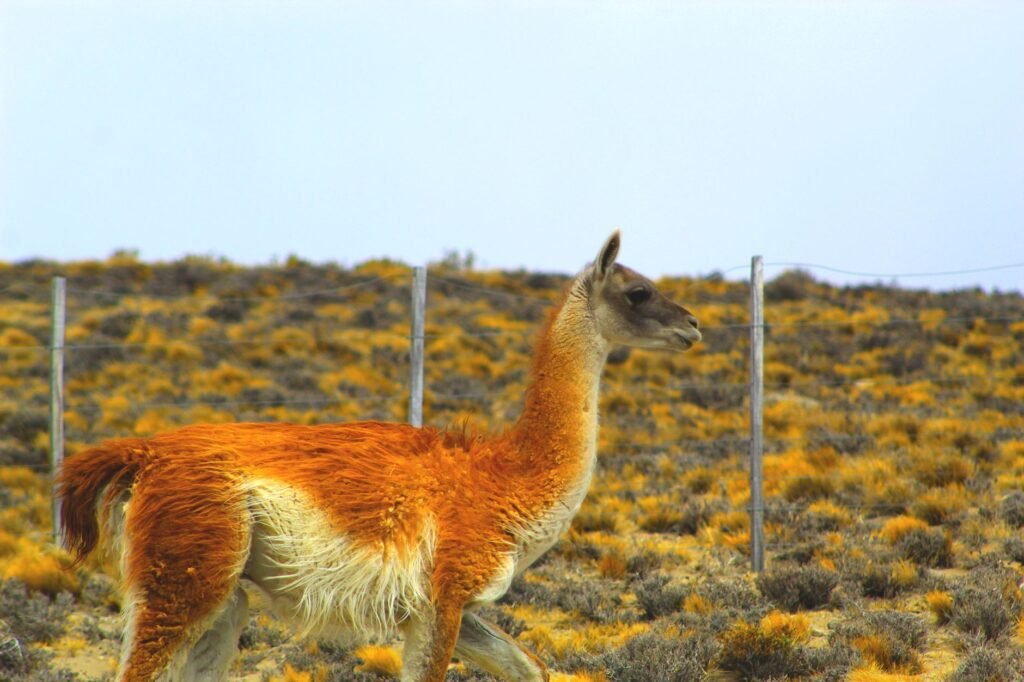
One of the crown jewels of Patagonia, Torres del Paine National Park in Chile is renowned for its breathtaking scenery and diverse ecosystems. The park features granite peaks, azure lakes, and vast pampas inhabited by guanacos and condors.
The park offers numerous hiking trails, catering to different skill levels. The famous W Trek takes about four days to complete and covers some of the most iconic landscapes, including the Torres themselves, the French Valley, and the Grey Glacier. For those short on time, day hikes to viewpoints like Mirador Las Torres provide stunning vistas without the commitment of a multi-day trek.
- Visitor Center: Start at the park’s visitor center to get maps and advice on trails.
- Guided Tours: Consider joining a guided tour for a more informative experience.
- Camping: Campsites and refugios are available if you plan to hike longer trails.
2. Explore the Perito Moreno Glacier
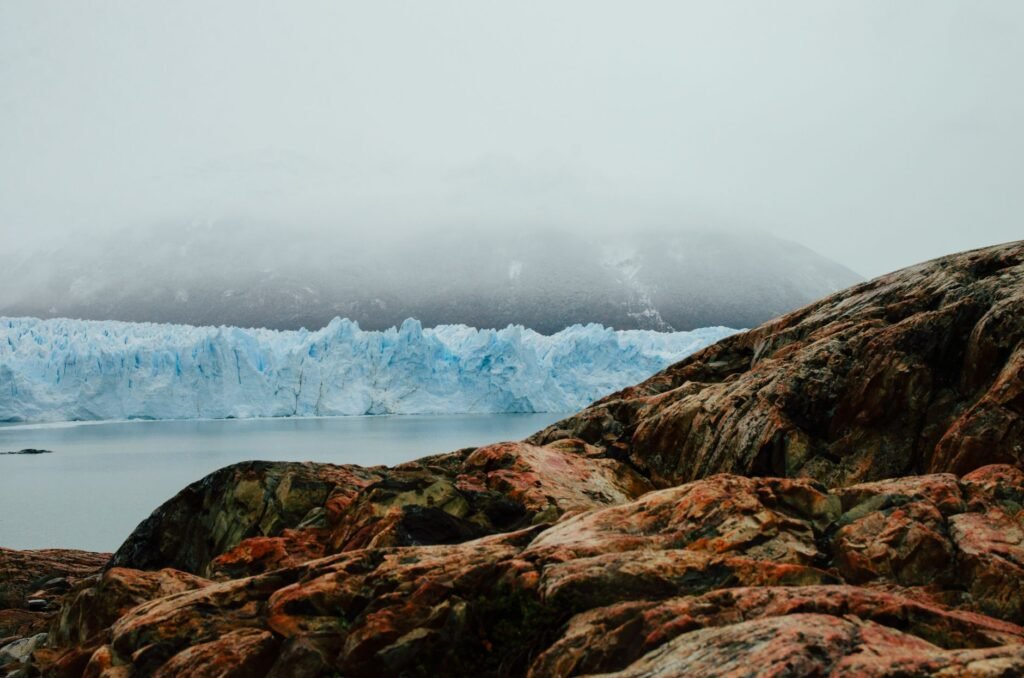
Located in Los Glaciares National Park in Argentina, Perito Moreno Glacier is one of the most accessible and impressive glaciers in the world. Unlike many other glaciers, Perito Moreno is advancing, meaning it is continually growing and calving into the turquoise waters of Lake Argentino.
Visitors can view the glacier from various boardwalks that provide stunning perspectives of the ice formations. For a more intimate experience, consider taking a boat tour that brings you closer to the calving ice. Those seeking adventure can also book a guided ice trek to walk on the glacier itself, an experience that is both thrilling and educational.
- Boat Tours: Book in advance, especially during peak season.
- Ice Trekking: Wear appropriate footwear and clothing for ice conditions.
- Photography: Bring a camera to capture the stunning blue hues of the ice.
3. Discover El Chaltén – The Trekking Capital
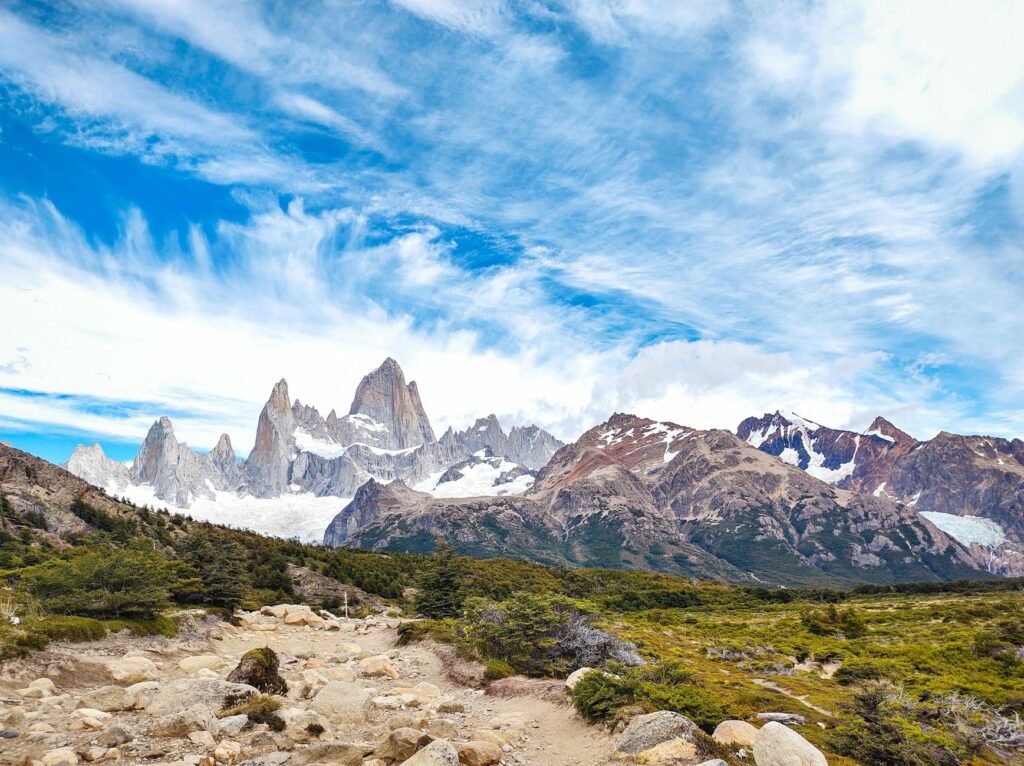
El Chaltén is a small village in Argentina known as the trekking capital of the country. It serves as a gateway to some of the best hiking trails in Patagonia, with stunning views of Mount Fitz Roy and Cerro Torre.
The area features an extensive network of trails ranging from easy walks to challenging climbs. The Laguna de los Tres hike is particularly popular, offering breathtaking views of Mount Fitz Roy and its surrounding peaks. For a more strenuous option, the Laguna Torre hike leads you to stunning views of Cerro Torre.
- Accommodations: Book accommodations in advance, especially during peak season.
- Trail Maps: Obtain maps from the visitor center to navigate the trails.
- Water Supply: Carry enough water, as some trails lack potable sources.
4. Experience Wildlife Watching
Patagonia is home to an incredible variety of wildlife, making it a prime location for animal enthusiasts. From the majestic Andean condor to the elusive puma, the region offers numerous opportunities to observe wildlife in their natural habitats.
One popular spot for wildlife watching is the Valdés Peninsula, a UNESCO World Heritage site known for its marine life, including southern right whales, sea lions, and elephant seals. The best time to see whales is from June to December, while sea lions can be spotted year-round.
- Best Viewing Times: Early morning or late afternoon is ideal for wildlife activity.
- Guided Tours: Consider booking a tour for expert insights and better viewing chances.
- Binoculars: Bring binoculars for an up-close view of distant animals.
5. Adventure Activities: Rafting and Kayaking
For those seeking adventure, Patagonia offers a range of water-based activities, including rafting and kayaking. The region’s rivers and lakes are perfect for exploring by boat, providing unique perspectives on the stunning landscapes.
The Futaleufú River in Chile is famous for its world-class white-water rafting. With rapids ranging from class II to V, it’s suitable for both beginners and experienced rafters. Alternatively, Lake Argentino offers calmer waters for kayaking, allowing you to paddle near icebergs and enjoy the serene environment.
- Safety Gear: Always wear a life jacket and follow the guide’s instructions for safety.
- Seasonal Considerations: Check seasonal conditions before planning your trip.
- Local Guides: Opt for local guides who know the area and conditions well.
6. Visit the Town of Puerto Natales
Puerto Natales is a charming port town serving as a base for exploring Torres del Paine National Park. The town itself is worth a visit, with its colorful houses, local shops, and vibrant waterfront.
Stroll along the waterfront promenade, where you can enjoy views of the surrounding mountains and fjords. There are several restaurants and cafes where you can sample local cuisine, including fresh seafood and lamb dishes.
- Shopping: Look for local handicrafts and souvenirs in the artisan shops.
- Dining: Try traditional Chilean dishes at local eateries.
- Accommodation: Various options are available, from hostels to hotels, catering to different budgets.
7. Cultural Immersion: Understanding the Heritage of Patagonia
7.1 Indigenous Communities
Patagonia is home to several indigenous communities, each with rich traditions and histories. The Mapuche and Tehuelche people are among the most prominent groups, offering visitors a unique perspective on the land and its heritage. Engaging with these communities can be a transformative experience.
Visitors can participate in cultural tours that include traditional storytelling, music, and crafts. Many indigenous villages welcome tourists to learn about their way of life, showcasing their connection to the land, their customs, and their struggles to preserve their culture amidst modernization.
- Visit the community of Mapuche in the Lake District for a firsthand experience of their traditions.
- Attend a traditional feast featuring local ingredients and cooking methods.
- Explore craft workshops where artisans create handmade goods from natural materials.
7.2 Local Cuisine: A Taste of Patagonia
The culinary scene in Patagonia is as diverse as its landscapes, influenced by the indigenous cultures and the European settlers who shaped the region. Traditional dishes often feature lamb, seafood, and a variety of seasonal vegetables. The use of fresh, local ingredients makes dining in Patagonia an unforgettable experience.
Restaurants often offer a combination of traditional Patagonian foods and modern culinary techniques. Be sure to try asado, a traditional barbecue that showcases the region’s flavorful meats. Additionally, sample local wines from the surrounding valleys, particularly those from the Patagonian wine region.
- Must-try dishes:
- Patagonian lamb
- King crab
- Curanto, a traditional dish cooked in a pit
- Recommended restaurants:
- La Cueva del Mar in Puerto Natales
- El Chaltén’s La Tapera
- Restaurante La Costa in Punta Arenas
7.3 Arts and Crafts
Patagonia is also renowned for its vibrant arts scene, with many local artisans creating beautiful handcrafted goods. From intricate textiles to stunning pottery, the artistic expressions of Patagonia reflect the breathtaking landscapes and cultural heritage of the region.
Visiting local markets and galleries allows travelers to connect with artists and purchase unique souvenirs. Many towns, such as El Bolsón and Puerto Natales, host artisan fairs where visitors can witness the crafting process and learn more about the techniques involved.
- Popular artisanal products include:
- Woven shawls and blankets
- Carved wooden items
- Handmade jewelry using local stones
- Recommended artisan markets:
- El Chaltén Artisan Fair
- Puerto Natales Craft Market
- Bariloche Artisan Warehouse
8. Scenic Road Trips: Unveiling Patagonia’s Breathtaking Landscapes
8.1 The Carretera Austral
The Carretera Austral, or Southern Highway, is one of the most scenic road trips in the world, stretching over 1,200 kilometers through Chilean Patagonia. This route takes travelers through stunning landscapes, including fjords, glaciers, and dense forests, offering ample opportunities for photography and exploration.
As you drive along the Carretera Austral, you will encounter various small towns and natural parks, each with its own unique charm. The road can be challenging at times due to its unpaved sections, but the breathtaking views make it worthwhile. Ensure your vehicle is equipped for such conditions, and plan for plenty of stops to absorb the scenery.
- Key stops along the Carretera Austral:
- Coyhaique: Known for its beautiful parks and rivers.
- Puerto Río Tranquilo: A gateway to Marble Caves.
- Caleta Tortel: A charming village built on wooden walkways.
8.2 The Ruta 40
In Argentina, Ruta 40 runs parallel to the Andes and is another iconic route for travelers seeking to explore Patagonia. Stretching from the northern reaches of the country down to the southern tip, this road passes through picturesque landscapes and quaint towns.
Along Ruta 40, visitors can experience the diversity of Patagonia’s ecosystems, from the arid steppe to lush forests. Key attractions include the stunning Viedma Glacier and the vibrant town of El Bolsón, known for its craft market and organic produce.
- Notable attractions along Ruta 40:
- Los Glaciares National Park: Offers breathtaking glacial views.
- Lake Argentino: Perfect for photography and birdwatching.
- El Bolsón: Famous for its artisan community and farmers’ markets.
8.3 Patagonia’s Coastal Drives
For those who prefer coastal scenery, Patagonia boasts several stunning drives along its coastlines. The route from Punta Arenas to Puerto Natales offers sweeping views of the Strait of Magellan, while the coastal roads around the Beagle Channel near Ushuaia reveal breathtaking ocean vistas and unique wildlife.
These coastal drives are perfect for spotting marine life, including seals, dolphins, and various bird species. The dramatic cliffs and islands along the coast provide ample opportunities for photography and exploration of hidden coves and beaches.
- Must-see coastal locations:
- Isla Magdalena: Known for its penguin colonies.
- Bahía Lapataia: The end of the world and a stunning natural reserve.
- Parque Nacional Cabo de Hornos: A UNESCO Biosphere Reserve with rugged beauty.
9. Unique Experiences: Off the Beaten Path in Patagonia
9.1 Horseback Riding through the Wilderness
Horseback riding is a traditional mode of transportation in Patagonia, and engaging in this activity allows visitors to explore the region’s remote areas in a unique way. Many estancias (ranches) offer guided horseback tours that take you deep into the stunning landscapes.
These rides often include opportunities to see wildlife up close, enjoy breathtaking views, and learn about the history of the land from knowledgeable guides. Whether you are a novice or an experienced rider, there are options available to match your skill level.
- Popular horseback riding locations:
- El Chaltén: Offers rides to the base of the famous Cerro Fitz Roy.
- Puerto Natales: Explore the surrounding hills and valleys.
- Coyhaique: Experience the beauty of the Patagonian wilds.
9.2 Stargazing in Patagonia
Patagonia is known for its clear skies and minimal light pollution, making it an exceptional location for stargazing. The remote nature of many areas allows for breathtaking views of the Milky Way and constellations that are often hidden in urban areas.
Many tour operators offer stargazing excursions that include telescopes and knowledgeable guides who can point out celestial phenomena. Spending a night under the stars can be a magical experience, connecting you to the vastness of the universe.
- Best stargazing locations:
- Torres del Paine National Park: Known for its dark skies.
- El Chaltén: Offers clear views of the night sky.
- Atacama Desert: Not in Patagonia, but a popular add-on trip for stargazers.
9.3 Seasonal Festivals
Participating in local festivals is an excellent way to experience the culture and community spirit of Patagonia. Various towns celebrate unique traditions throughout the year, showcasing music, dance, and local cuisine.
Events like the Fiesta de la Trucha in El Bolsón and the Pueblo de los Vientos festival in Puerto Natales highlight the region’s vibrant culture and traditions. These festivals often include local artisans, food stalls, and live performances, allowing visitors to immerse themselves in the local lifestyle.
- Key festivals to consider:
- Fiesta de la Trucha in El Bolsón (January)
- Festival of the Sea in Puerto Natales (February)
- Pampa de la Ventana in Puerto Natales (October)
Frequently Asked Questions
What is the best time to visit Patagonia?
The best time to visit Patagonia is during the summer months from November to March when the weather is milder and the days are longer, allowing for more outdoor activities.
Do I need a guide to hike in Patagonia?
While many trails are well-marked and can be hiked independently, hiring a guide can enhance your experience, providing local insights and ensuring safety, especially on more challenging hikes.
What should I pack for a trip to Patagonia?
Pack layers of clothing, waterproof gear, sturdy hiking boots, and plenty of food and water. Don’t forget sunscreen and a hat, as UV exposure can be high at these altitudes.
Are there any safety concerns in Patagonia?
While Patagonia is generally safe, it is essential to be aware of changing weather conditions, wildlife encounters, and to stick to marked trails. Always inform someone of your plans if hiking alone.
The Bottom Line
Patagonia is a remarkable destination offering a blend of stunning natural beauty and outdoor adventure. From the iconic Torres del Paine National Park to the breathtaking glaciers and wildlife, there are countless things to do in Patagonia. By planning ahead and preparing adequately, travelers can enjoy all the incredible experiences this region has to offer.