Key Takeaways
- Understand Tokyo's transport system for easy travel.
- Learn local customs to enhance your experience.
- Explore diverse neighborhoods for unique experiences.
- Enjoy seasonal events that showcase Tokyo's culture.
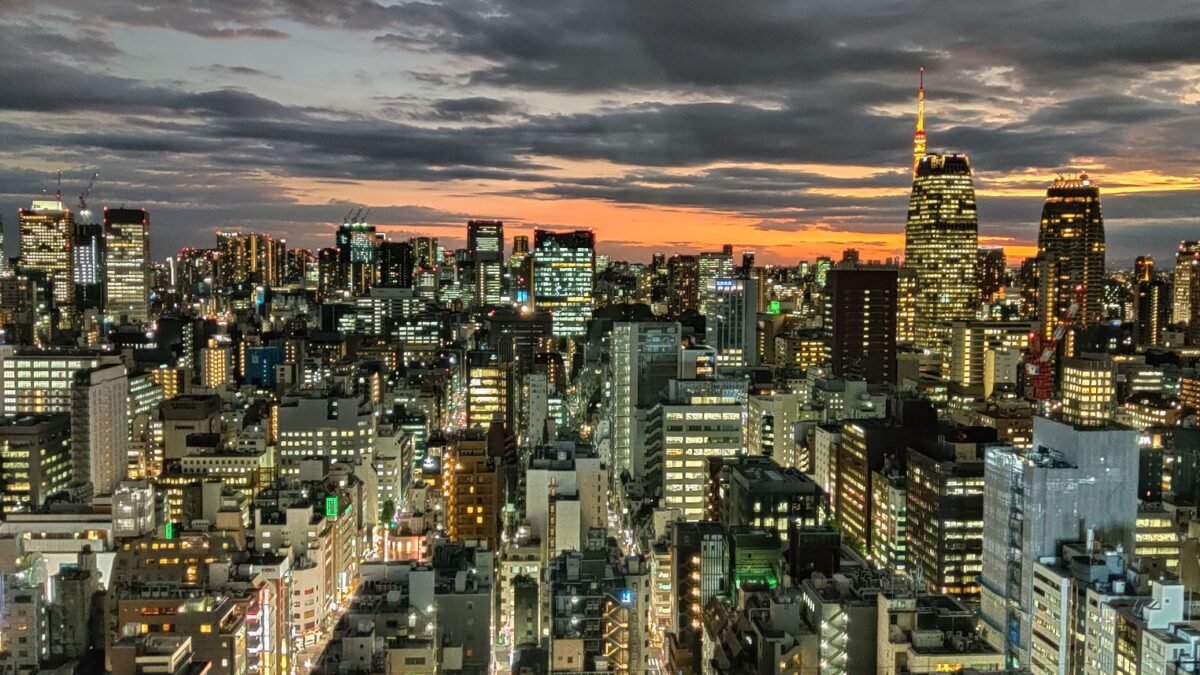
Tokyo, a pulsating metropolis that seamlessly blends tradition with modernity, offers travelers a myriad of experiences. From its iconic skyline to its serene temples, Tokyo is a city that never fails to captivate. However, before embarking on your journey, there are several essential things to know that will enhance your visit and help you navigate the bustling urban landscape.
Understanding the local customs, transportation, and unique neighborhoods can significantly enrich your travel experience. This comprehensive guide will cover practical tips, cultural nuances, and must-see attractions, ensuring you are well-prepared for your adventure in this vibrant city.
Tokyo is not just a destination; it’s an experience that engages all your senses. With this guide, you will be equipped with the knowledge to explore Tokyo like a local, making your trip both enjoyable and memorable.
Getting Around Tokyo
One of the first things to know about Tokyo is its extensive and efficient public transportation system. The city boasts a network of subways, trains, and buses that make it easy to navigate, even for first-time visitors. Here are some key points to consider:
Subway and Train Systems
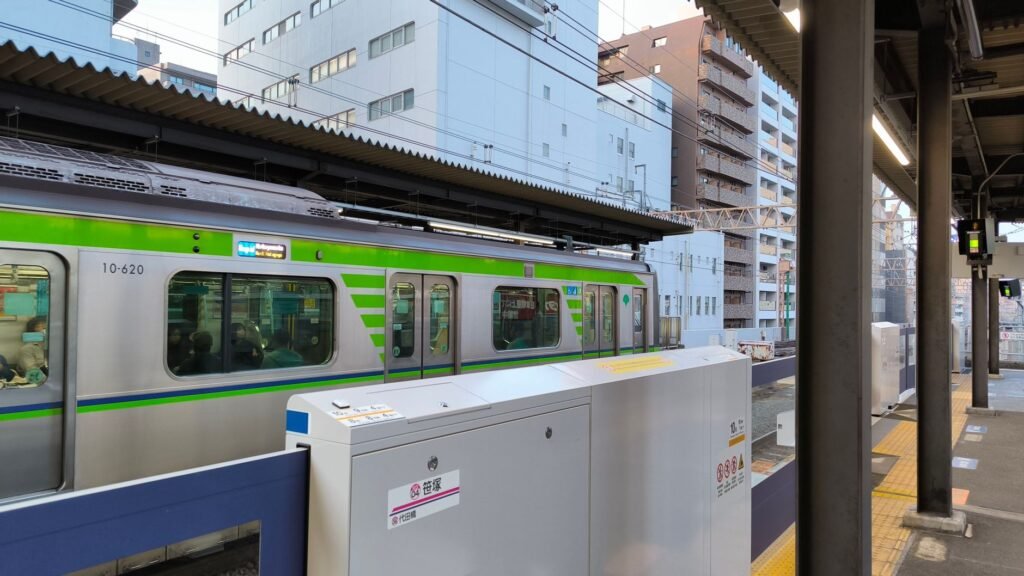
The Tokyo Metro and Toei Subway systems are among the most reliable ways to travel around the city. With over 280 stations, the subway network covers a wide area, connecting major attractions and neighborhoods. Here are some tips for using the subway:
- Purchase a Suica or Pasmo Card: These prepaid IC cards can be used on all public transport and can also be used at many shops and vending machines.
- Learn Basic Etiquette: Keep your voice down, give up your seat for the elderly, and avoid eating on public transport.
- Check the Last Train Times: Trains typically stop running around midnight, so be sure to plan your return trip accordingly.
Buses and Taxis
For areas not easily accessible by train, Tokyo’s bus system is a great alternative. Here are some considerations:
- Know Your Route: Buses have routes displayed in both Japanese and English, but it’s advisable to familiarize yourself with the route before boarding.
- Taxi Services: Taxis are available throughout the city, but they can be expensive. It’s often cheaper to use public transport.
- Ride-Sharing Apps: Apps like Uber operate in Tokyo but are less common than in other cities. Expect higher fares compared to regular taxis.
Walking and Biking
Tokyo is a pedestrian-friendly city with many neighborhoods that are best explored on foot. Consider these points:
- Explore Local Areas: Neighborhoods like Asakusa and Harajuku are perfect for walking, allowing you to discover hidden gems.
- Biking Options: Rent a bike to explore parks and quiet streets. Some rental services offer free bikes.
- Safety First: While generally safe, always be aware of your surroundings, especially in crowded areas.
Cultural Etiquette and Customs
Understanding Tokyo’s cultural etiquette is crucial for respectful interaction with locals. Here are essential customs to keep in mind:
Respecting Local Traditions
Japan has a rich cultural heritage, and observing local customs will enhance your experience. Consider the following:
- Bowing: A common greeting in Japan is bowing. A slight bow is a sign of respect.
- Removing Shoes: In homes and some traditional accommodations, shoes must be removed. Look for shoe racks or designated areas.
- Politeness Matters: Use polite language and expressions, even if you are not fluent in Japanese.
Dining Etiquette
Food is a central part of Japanese culture, and dining etiquette is important. Here are some tips:
- Chopstick Use: Never stick chopsticks upright in rice, as it resembles a funeral rite.
- Paying the Bill: In most restaurants, you will pay at the counter rather than at the table.
- Tipping: Tipping is not customary in Japan and may even be considered rude.
Public Behavior
Public behavior in Japan can differ significantly from Western cultures. Here are some points to remember:
- Quiet Spaces: Keep noise levels down on public transport and in public areas.
- Photography Etiquette: Always ask for permission before taking photos of individuals.
- Queue Respect: Form orderly lines at train stations and bus stops. Pushing ahead is frowned upon.
Must-Visit Neighborhoods
Tokyo is a city of distinct neighborhoods, each offering unique experiences. Here are some highlights:
Shibuya
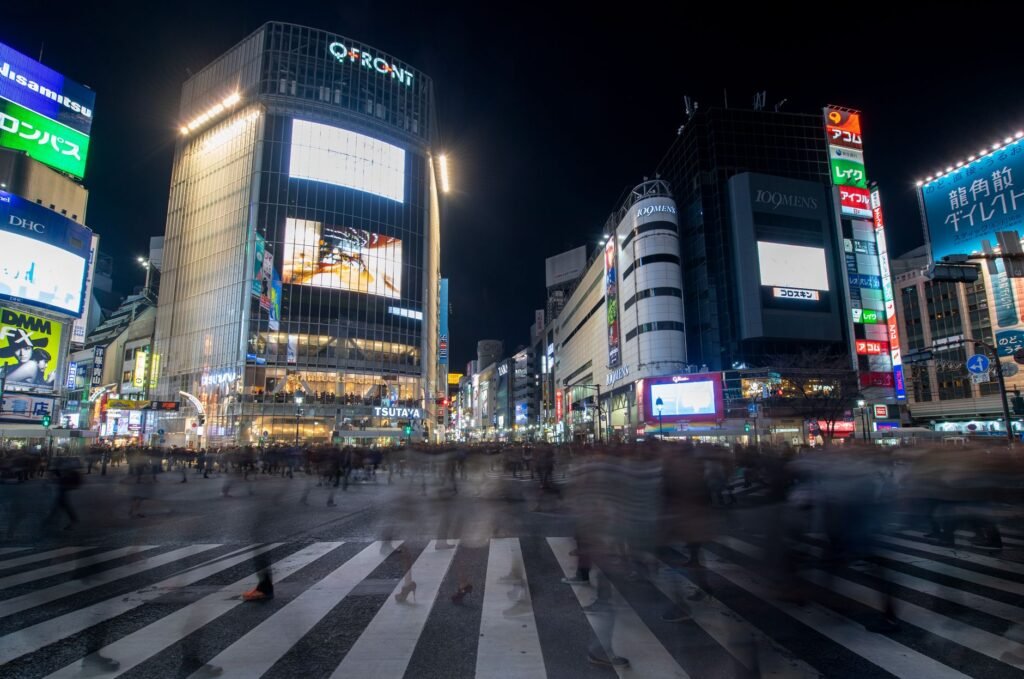
Known for its bustling atmosphere, Shibuya is famous for the iconic Shibuya Crossing. Here are some activities to enjoy:
- Shopping: Explore Shibuya 109, a trendy shopping complex featuring the latest fashion.
- Cafés and Restaurants: Try local favorites like ramen, sushi, and street food vendors.
- Nightlife: Shibuya boasts numerous bars and clubs, perfect for experiencing Tokyo’s nightlife.
Asakusa
Asakusa is home to the historic Senso-ji Temple, making it a must-visit for culture enthusiasts. Key attractions include:
- Senso-ji Temple: This ancient temple is Tokyo’s oldest and offers a glimpse into traditional Japanese spirituality.
- Nakamise Street: A shopping street leading to the temple, perfect for picking up souvenirs and snacks.
- Sumida River: Take a leisurely boat cruise for stunning views of the Tokyo skyline.
Harajuku
Famous for its youth culture and fashion, Harajuku is a vibrant neighborhood. Don’t miss:
- Takeshita Street: A bustling street filled with quirky shops, boutiques, and cafes.
- Meiji Shrine: A peaceful escape in a forested area, offering a serene atmosphere away from the city’s hustle.
- Yoyogi Park: An expansive park ideal for picnics, jogging, and enjoying seasonal cherry blossoms.
Seasonal Events to Experience
Tokyo hosts numerous seasonal events throughout the year. Participating in these can provide deeper cultural insights. Here are some noteworthy events:
Cherry Blossom Season (March-April)
One of the most celebrated seasons in Japan, Hanami (flower viewing) is a must-do. Key points include:
- Best Viewing Spots: Ueno Park and Shinjuku Gyoen are popular locations for cherry blossom viewing.
- Picnics: Join locals for picnics under the blooming trees, a cherished tradition during this season.
- Cultural Events: Look out for festivals celebrating the beauty of cherry blossoms.
Summer Festivals (July-August)
Summer is vibrant with festivals throughout Tokyo. Notable ones include:
- Sumida River Fireworks Festival: A spectacular fireworks display illuminating the night sky.
- Shinjuku Eisa Festival: Experience traditional Okinawan dance and music.
- Yosakoi Festival: Join in the dance with colorful costumes and energetic performances.
Winter Illuminations (November-January)
During winter, Tokyo transforms into a sparkling wonderland. Don’t miss:
- Tokyo Midtown Illumination: A stunning display of lights celebrating the holiday season.
- Roppongi Hills: Enjoy the breathtaking view of the city adorned with festive lights.
- New Year Celebrations: Experience traditional Japanese New Year rituals at shrines.
Practical Tips for Travelers
When visiting Tokyo, practical tips can make your trip smoother. Here are some important ones:
Language and Communication
While many Japanese people understand basic English, learning a few phrases can be helpful:
- Common Phrases: “Arigato” (thank you) and “Sumimasen” (excuse me) can go a long way.
- Translation Apps: Download translation apps to help with communication.
- Signage: Most public signs are in English, making navigation easier.
Cash vs. Card
Japan is still a cash-based society in many aspects. Here’s what to keep in mind:
- Carry Cash: Many smaller shops and restaurants may not accept credit cards.
- ATMs: Use ATMs in convenience stores to withdraw cash, as many do not accept foreign cards.
- Currency Exchange: Exchange currency at airports or authorized exchange services for better rates.
Connectivity
Staying connected in Tokyo is essential for navigation and communication:
- SIM Cards: Consider purchasing a prepaid SIM card or renting a mobile Wi-Fi device for internet access.
- Free Wi-Fi: Many cafes and public spaces offer free Wi-Fi; just check for availability.
- Download Maps: Offline maps can be a lifesaver when navigating the city without internet access.
Delicious Delights: Understanding Tokyo’s Culinary Scene
Street Food: A Taste of Local Flavors
Tokyo’s street food is a vibrant representation of its culinary heritage. From savory to sweet, the streets of Tokyo are lined with vendors offering a myriad of options. You can find everything from yakitori (grilled chicken skewers) to takoyaki (octopus balls) and sweet treats like taiyaki (fish-shaped cakes filled with red bean paste).
Exploring street food is not just about the taste; it’s also about the experience. Vendors often prepare food in front of you, giving you a chance to see the craftsmanship behind each dish. Additionally, many street food items are affordable, making it easy to sample a variety of flavors without breaking the bank.
- Yakitori: Skewered chicken grilled over charcoal.
- Takoyaki: Ball-shaped snacks filled with minced or diced octopus.
- Yaki Imo: Grilled sweet potatoes, perfect for a quick snack.
Dining Etiquette: Navigating Tokyo’s Restaurants
Dining in Tokyo can be a delightful experience, but understanding local etiquette will enhance your visit. When entering a restaurant, it’s customary to greet the staff with a polite “irasshaimase” (welcome). You may also notice that many restaurants utilize a ticket system. This means you’ll order and pay for your meal at a vending machine before being seated.
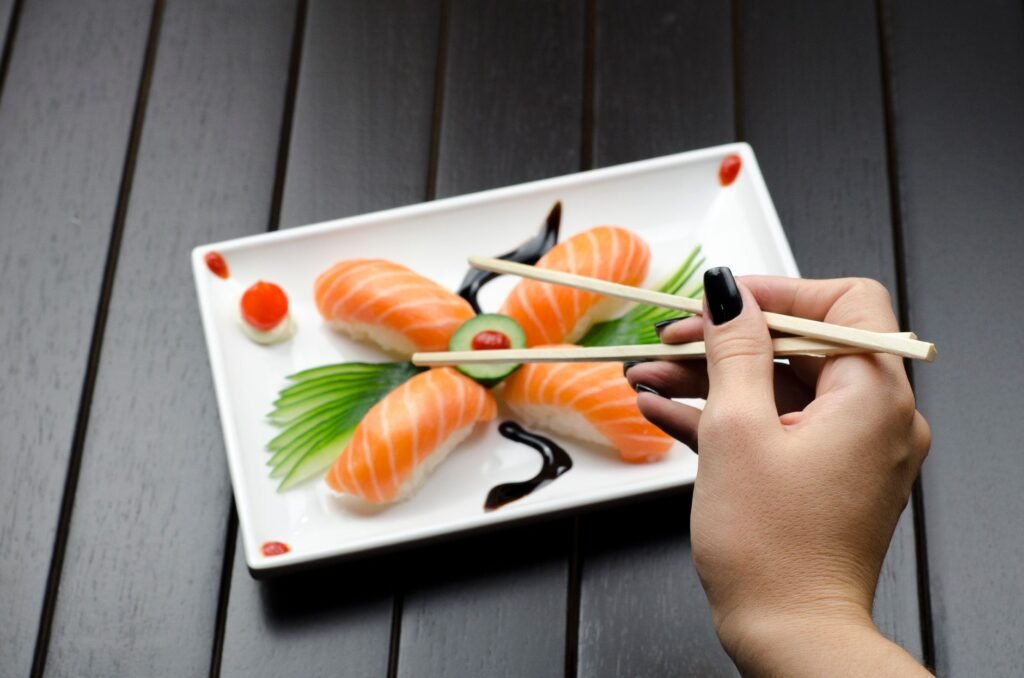
While dining, it’s considered polite to finish all the food on your plate, as leaving food can be seen as wasteful. Additionally, remember that tipping is not common in Japan; instead, exceptional service is expected as part of the dining experience. If you’re at a sushi bar, it’s customary to eat the sushi with your hands, although chopsticks are acceptable too.
- Greet staff with “irasshaimase” when entering.
- Use a ticket vending machine to order in many casual restaurants.
- Finish your meal to show appreciation for the food.
Nightlife in Tokyo: More Than Just Bars and Clubs
Unique Experiences: Themed Cafés and Bars
Tokyo is renowned for its eclectic nightlife, and part of that charm lies in its themed cafés and bars. From cat cafés where you can enjoy a drink while petting adorable felines to maid cafés where waitresses dressed in traditional maid outfits serve you, these venues provide a unique glimpse into Japanese pop culture.
Additionally, you can find bars that cater to niche interests such as owl cafés, where you can interact with owls, or even vampire-themed bars. These establishments not only offer drinks but also an immersive experience that makes for memorable nights out.
- Cat Cafés: Relax with furry friends while sipping your coffee.
- Maid Cafés: Enjoy food and drinks served by staff in maid costumes.
- Owl Cafés: Interact with owls in a cozy setting.
Shinjuku’s Golden Gai: A Hidden Gem for Night Owls
For those looking to experience Tokyo’s nightlife in a more intimate setting, Golden Gai in Shinjuku is a must-visit. This area is comprised of narrow alleys lined with tiny bars, each with its unique theme and atmosphere. With about 200 establishments, it’s a haven for those seeking to socialize with locals and fellow travelers alike.
The bars in Golden Gai often cater to specific crowds or interests, and it’s common to see themed bars focusing on music, movies, or even art. Entry fees can vary, but many places have a cover charge that includes a drink. As you hop from bar to bar, you’ll find yourself immersed in the warmth and camaraderie that define Tokyo’s nightlife.
- Explore various themed bars, each with its unique vibe.
- Engage with locals and travelers in a cozy atmosphere.
- Expect a cover charge that usually includes a drink.
Shopping in Tokyo: Beyond Souvenirs
Local Markets: Discovering Hidden Treasures
Tokyo’s local markets are treasure troves for those looking to experience authentic Japanese culture while shopping. While places like Tsukiji Outer Market are famous for fresh seafood, don’t overlook smaller markets like Ameyoko in Ueno. This bustling market street offers a mix of food, clothing, and unique souvenirs.
Ameyoko is particularly renowned for its street food stalls and vibrant atmosphere, making it a great place to sample local snacks while shopping. You can also find traditional crafts and clothing that reflect Japan’s rich heritage. Markets like these provide a more genuine shopping experience compared to the typical department stores.
- Ameyoko: A market street with a variety of goods and street food.
- Nakamise-dori: A shopping street leading to Senso-ji Temple with traditional snacks.
- Tsuchiya: A local market known for handmade crafts and artisanal goods.
Tech and Innovation: Shopping for the Latest Gadgets
For tech enthusiasts, Tokyo is a paradise filled with the latest gadgets and innovations. Akihabara, known as the electric town, is the go-to district for all things tech. Here, you can find everything from the newest electronics to retro gaming consoles and anime merchandise.
Additionally, many stores offer opportunities to try out the latest devices before purchasing, making your shopping experience interactive. Beyond Akihabara, you can also explore shops in Shibuya and Shinjuku that cater to fashion and lifestyle gadgets, showcasing Japan’s unique blend of technology and style.
- Akihabara: A hub for electronics, gaming, and anime.
- Shibuya: Known for fashion-forward tech and lifestyle gadgets.
- Shinjuku: Offers a mix of tech and entertainment options.
Frequently Asked Questions
What is the best time to visit Tokyo?
The best times to visit Tokyo are during the spring (March to May) for cherry blossoms and in the autumn (September to November) for pleasant weather and colorful foliage.
Is Tokyo safe for tourists?
Tokyo is considered one of the safest cities in the world for tourists. However, standard travel precautions should still be observed.
Do I need to tip in Tokyo?
Tipping is not customary in Japan and can even be viewed as rude. Instead, excellent service is expected as part of the job.
Can I use my credit card in Tokyo?
While many larger establishments accept credit cards, it’s advisable to carry cash, especially when visiting smaller shops and restaurants.
The Bottom Line
Understanding the essential things to know about Tokyo is crucial for a successful trip. From navigating the extensive transport system to respecting local customs, being informed will make your experience enjoyable and memorable. Embrace the culture, explore diverse neighborhoods, and participate in seasonal events to truly appreciate what Tokyo has to offer.