Key Takeaways
- Tokyo's food culture blends tradition and innovation.
- Street food offers an authentic taste of local flavors.
- Culinary tours reveal hidden gems across the city.
- Tokyo's dining etiquette enhances the overall experience.
Tokyo, a city where the old meets the new, boasts a food culture that is as vibrant as its skyline. The culinary scene is a reflection of Japan’s rich history, influenced by various regions and cultures over time. Travelers to Tokyo will find a diverse array of flavors, techniques, and dining experiences that make the city a gastronomic paradise.
The influence of Tokyo’s food culture extends beyond its restaurants and street stalls. It encompasses a way of life, a philosophy of eating, and a deep respect for ingredients and seasonality. As food enthusiasts explore Tokyo, they will encounter not just meals, but stories and traditions that have shaped the way people eat.
This article will delve into the various aspects of Tokyo’s food culture influence, exploring its historical roots, modern trends, and practical tips for experiencing this culinary landscape firsthand.
The Historical Roots of Tokyo’s Food Culture
The origins of Tokyo’s food culture can be traced back to the Edo period (1603-1868), when the city was known as Edo. During this time, the population grew rapidly, leading to a vibrant marketplace filled with fresh seafood, vegetables, and rice. The culinary practices developed during this era laid the groundwork for many of the dishes that are enjoyed today.
One significant development was the emergence of sushi, which originated as a method of preserving fish in fermented rice. Over time, this evolved into the sushi we know today, characterized by its fresh ingredients and artistic presentation. The sushi culture has become a symbol of Tokyo’s culinary identity, with establishments ranging from high-end sushi bars to casual conveyor belt sushi restaurants.
Another important facet of Tokyo’s food history is the influence of regional cuisines from across Japan. As people migrated to the capital, they brought their local dishes and flavors with them, creating a melting pot of culinary styles. This has resulted in a dynamic food scene where travelers can savor everything from hearty ramen to delicate kaiseki meals.
Tokyo’s Diverse Culinary Offerings
Tokyo’s food culture is characterized by its diversity, catering to a wide range of tastes and preferences. Visitors can explore various dining options, from traditional izakayas to Michelin-starred restaurants, each offering unique experiences.
Street Food
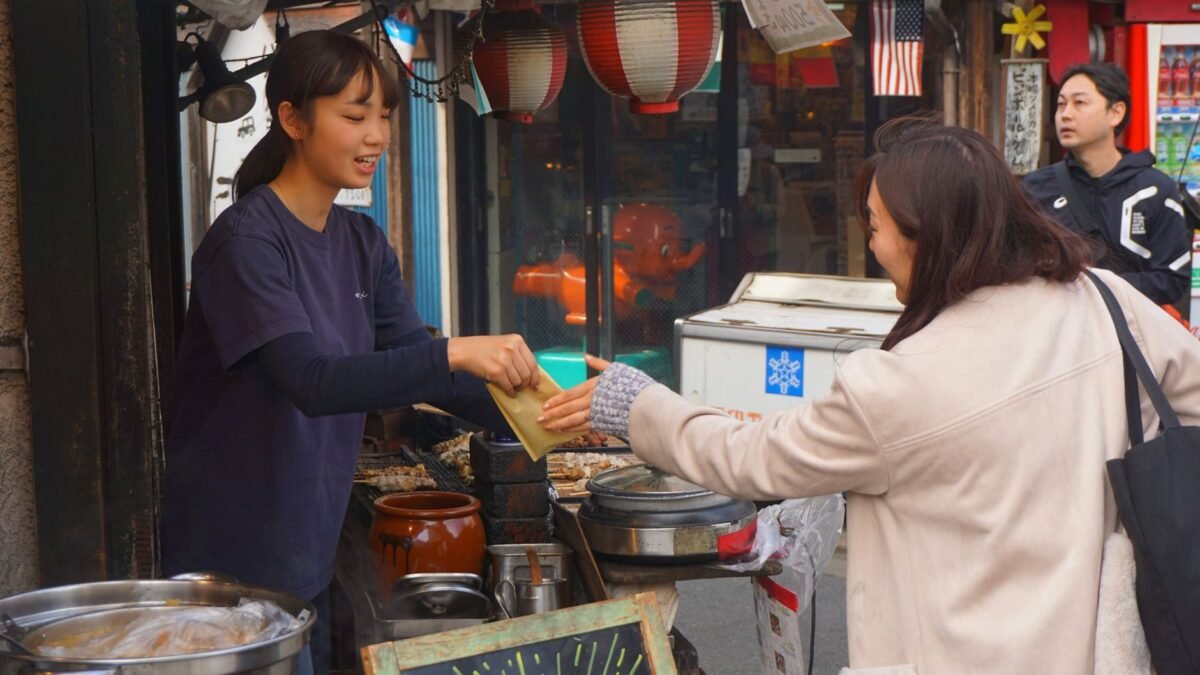
Street food is an essential part of Tokyo’s culinary landscape. Walking through neighborhoods like Shibuya and Asakusa, one can find an array of stalls serving delicious snacks. Some popular street food items include:
- Takoyaki: Octopus balls cooked in a savory batter, topped with bonito flakes and sauce.
- Yakitori: Grilled chicken skewers, often enjoyed with a cold beer.
- Yaki Imo: Roasted sweet potatoes, a favorite during the colder months.
These street food offerings not only provide a taste of local flavors but also allow travelers to experience the bustling atmosphere of Tokyo’s streets.
Fine Dining
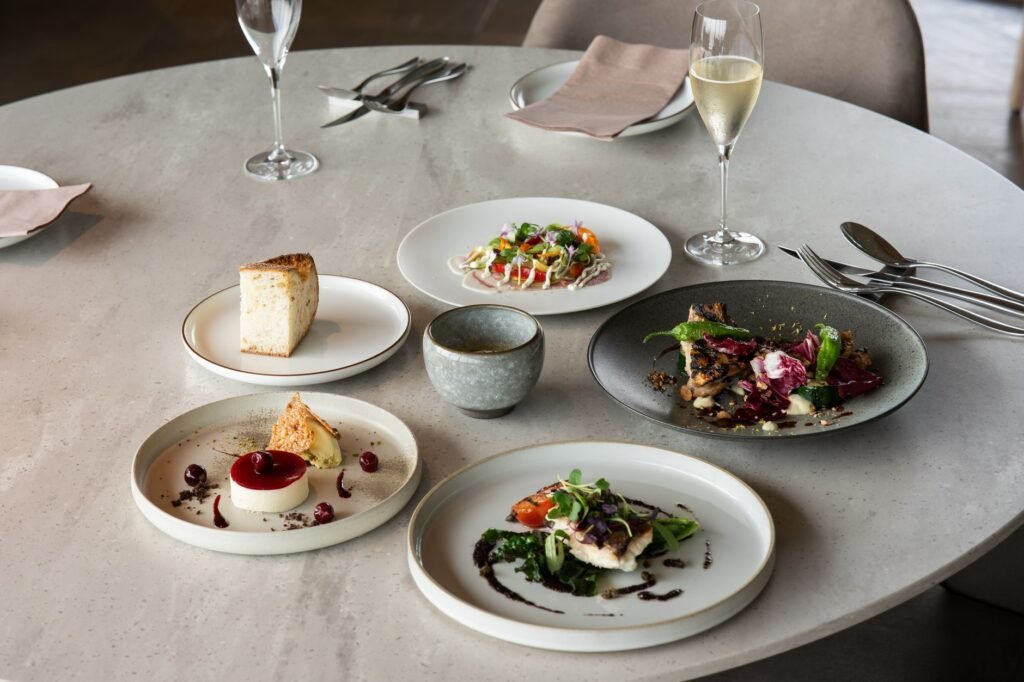
For those seeking a more refined experience, Tokyo is home to numerous Michelin-starred restaurants. The city has the highest number of Michelin stars in the world, showcasing the skill and artistry of its chefs. Notable dining experiences include:
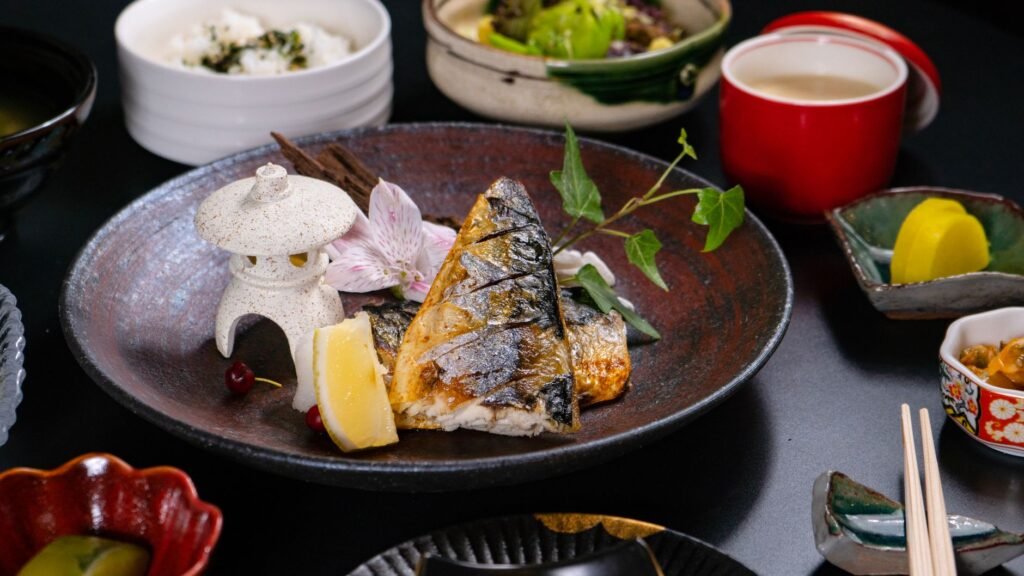
- Kyoto-style Kaiseki: A multi-course meal that emphasizes seasonal ingredients and meticulous presentation.
- Sushi Bars: Establishments where sushi chefs demonstrate their craft, often preparing dishes right in front of diners.
- French-Japanese Fusion: Restaurants blending French culinary techniques with traditional Japanese flavors.
These experiences often require reservations and can be quite expensive, but they offer a unique glimpse into the high-end culinary scene in Tokyo.
Local Markets
Exploring Tokyo’s local markets is a fantastic way to immerse oneself in the city’s food culture. Markets such as Tsukiji and Toyosu provide a sensory overload of sights, sounds, and aromas. Visitors can witness the bustling fish auctions, sample fresh seafood, and purchase local produce. Highlights of these markets include:
- Fresh Sushi: Enjoying freshly prepared sushi from market vendors is a must.
- Seasonal Fruits: Taste unique Japanese fruits, such as strawberries and melons, known for their exceptional quality.
- Specialty Ingredients: Discover rare ingredients used in traditional Japanese cooking.
These markets not only offer delicious food but also provide insights into the sourcing and preparation of ingredients used in Tokyo’s cuisine.
The Influence of Global Trends on Tokyo’s Food Scene
As a cosmopolitan city, Tokyo has embraced global culinary trends while maintaining its unique identity. The influence of international flavors and cooking techniques can be seen across the city.
Fusion Cuisine
Tokyo has become a hub for fusion cuisine, where chefs creatively blend elements from different culinary traditions. This trend allows for innovative dishes that reflect the city’s diverse influences. Some popular fusion dishes include:
- Ramen Burgers: A burger made with ramen noodle buns, combining two beloved foods.
- Matcha Desserts: Sweets infused with matcha green tea flavor, often seen in cakes and ice creams.
- Tacos with Japanese Ingredients: Tacos filled with teriyaki chicken, kimchi, or wasabi guacamole.
These fusion dishes are often featured in trendy restaurants and food festivals, appealing to both locals and tourists.
Health-Conscious Options
With a growing awareness of health and wellness, Tokyo’s food culture has also seen the rise of health-conscious dining options. Cafés and restaurants now offer dishes that prioritize nutrition and sustainability. Some examples include:
- Plant-Based Cuisine: Restaurants serving vegan and vegetarian options, often highlighting seasonal vegetables.
- Superfoods: Dishes incorporating ingredients like quinoa, chia seeds, and spirulina.
- Organic Ingredients: Establishments that emphasize organic sourcing and minimal processing.
This shift towards health-conscious eating reflects broader global trends and caters to a diverse clientele.
Dining Etiquette in Tokyo
Understanding local dining etiquette is essential for travelers looking to fully enjoy their culinary experiences in Tokyo. Observing proper manners not only shows respect for Japanese culture but also enhances the overall dining experience.
Table Manners
When dining in Tokyo, there are several customs to keep in mind:
- Chopsticks: Avoid sticking chopsticks upright in rice, as this resembles a funeral ritual. Instead, rest them on the provided holder.
- Slurping: Slurping noodles is acceptable and even encouraged, as it signals enjoyment of the meal.
- Thanking the Chef: It is customary to say “gochisosama deshita” after finishing a meal, expressing gratitude for the food.
These simple gestures can enhance interactions with restaurant staff and create a more immersive dining experience.
Practical Tips for Experiencing Tokyo’s Food Culture
To make the most of your culinary adventure in Tokyo, consider the following practical tips:
- Join a Food Tour: Participating in a guided food tour can help you discover hidden gems and learn about the history of the dishes you try.
- Learn Basic Japanese Phrases: Familiarizing yourself with simple phrases can enhance your interactions and show respect for the local culture.
- Explore Different Neighborhoods: Each district in Tokyo has its own culinary specialties, so take the time to explore various areas to experience the full range of flavors.
- Be Open to New Experiences: Tokyo’s food culture is about exploration; don’t hesitate to try unfamiliar dishes or dining styles.
The Role of Street Food in Tokyo’s Culinary Landscape
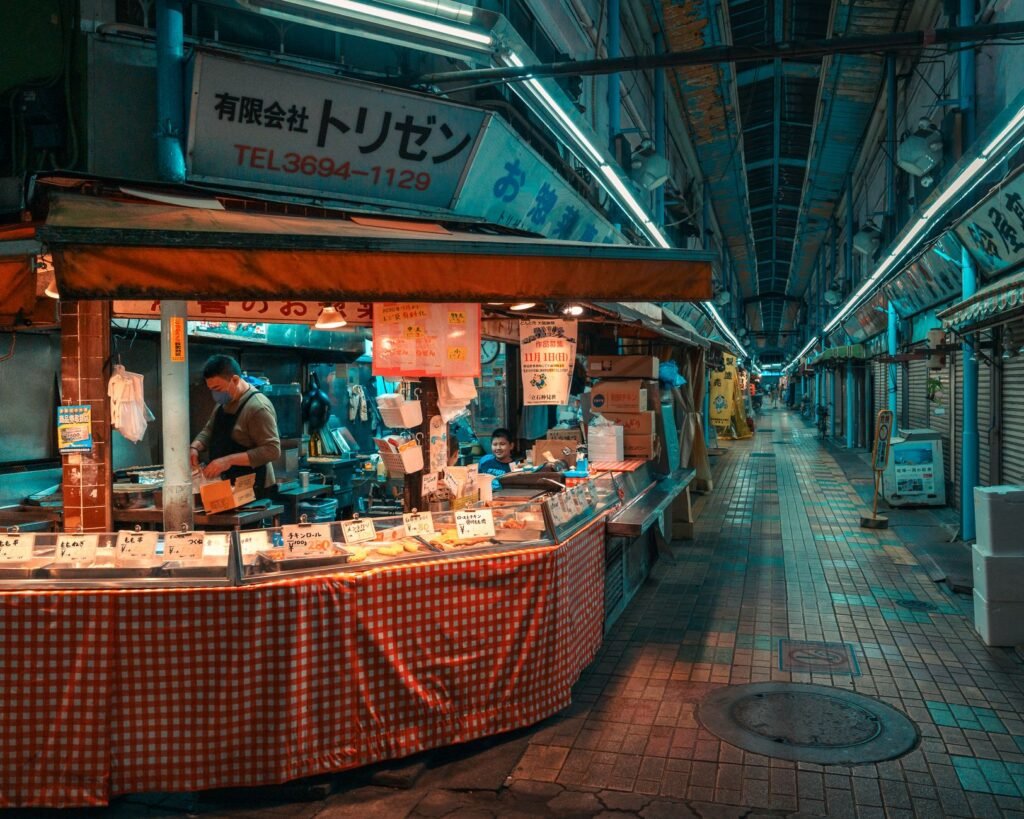
Street food is a vibrant and integral part of Tokyo’s food culture. From bustling markets to food stalls lining the streets, these culinary offerings provide a taste of the city’s diverse flavors and culinary traditions. Street food is not just about eating on the go; it is an experience that reflects the local culture and community.
Popular Street Food Items
Tokyo’s street food scene is filled with mouth-watering delights that cater to various tastes. Some must-try items include:
- Takoyaki: A popular savory snack made from batter and filled with diced octopus, green onions, and pickled ginger, served with a tangy sauce.
- Yakitori: Grilled chicken skewers seasoned with salt or a sauce made from soy sauce, mirin, and sake.
- Yaki Imo: Roasted sweet potatoes that are a favorite during the cooler months, sold from stalls often featuring wood-fired ovens.
- Okonomiyaki: A savory pancake containing a variety of ingredients, cooked on a hot plate and topped with a sweet sauce and bonito flakes.
These street foods not only offer great taste but also provide an insight into the local eating habits and preferences. Vendors often have their own unique twists on traditional recipes, making each bite an adventure.
The Experience of Street Food Markets
Visiting street food markets is a must for anyone wanting to delve deeper into Tokyo’s food culture. Markets like Ameyoko in Ueno and Nakamise-dori near Senso-ji Temple offer a lively atmosphere filled with the sounds of sizzling food and the chatter of vendors. These markets not only showcase food but also reflect the local community’s culture and history.
At these markets, visitors can try a variety of foods while interacting with local vendors who often share stories about their culinary creations. This personal touch adds to the overall experience and makes it memorable.
The Influence of Seasonal Ingredients on Tokyo Cuisine
Tokyo’s food culture is heavily influenced by the changing seasons. The Japanese philosophy of using seasonal ingredients, known as “shun,” emphasizes the importance of freshness and quality, which is evident in Tokyo’s culinary offerings. Restaurants aim to provide dishes that highlight the best ingredients each season has to offer.
Spring Delights: Sakura and Fresh Vegetables
In spring, cherry blossoms bloom, and this beautiful flower influences various dishes. One popular treat is sakura mochi, a sweet rice cake wrapped in a pickled cherry blossom leaf. Fresh vegetables such as bamboo shoots and fuki (butterbur) also come into season, often featured in traditional kaiseki meals.
Spring menus in Tokyo focus on light, refreshing flavors, with an emphasis on showcasing the vibrant colors of the season. Dining establishments often change their menus to reflect seasonal offerings to attract both locals and tourists.
Summer Refreshments: Cold Noodles and Seasonal Fish
As the temperature rises in summer, Tokyo’s cuisine shifts toward cooler dishes. Cold soba and udon noodles become favorites, served with dipping sauces and fresh toppings. Summer is also a prime time for seafood, with dishes featuring seasonal fish like shiro-ebi (white shrimp) and unagi (grilled eel) taking center stage.
Local restaurants may also offer unique summer specialties, such as hiyashi chuka, a cold noodle salad topped with a variety of colorful ingredients. These dishes not only provide relief from the heat but also highlight the freshest catches from the sea.
Food Festivals: Celebrating Tokyo’s Culinary Heritage
Food festivals in Tokyo offer an exciting opportunity to explore the city’s culinary heritage and innovations. These events celebrate everything from local ingredients to traditional cooking methods, attracting food lovers from around the globe. Participating in a food festival can provide a deeper appreciation for Tokyo’s rich food culture.
Annual Festivals to Experience
Tokyo hosts numerous food festivals throughout the year, each celebrating different aspects of its culinary scene. Some notable festivals include:
- Tokyo Ramen Show: A yearly event where ramen lovers can sample a variety of ramen styles from different regional vendors.
- Shibuya Food Festival: A celebration of international cuisines, showcasing food trucks and stalls from various cultures.
- Tsukiji Outer Market Festival: Held at the famous fish market, this festival features fresh seafood and cooking demonstrations from local chefs.
These festivals not only provide a platform for local chefs and vendors but also foster a sense of community and cultural exchange, making them a must-visit for food enthusiasts.
The Cultural Significance of Food Festivals
Food festivals in Tokyo often carry cultural significance, highlighting traditional practices and local ingredients. They serve as a reminder of the importance of food in Japanese culture, reflecting community values, history, and seasonal changes. Visitors can engage in cooking workshops, taste local specialties, and learn about the stories behind the dishes being served.
Through these festivals, attendees gain insights into the cultural significance of food in Japan, creating lasting memories and connections to the community. Participating in such events provides a unique perspective on Tokyo’s food culture beyond just dining out.
Frequently Asked Questions
What is the best time to visit Tokyo for food?
Spring (March to May) and autumn (September to November) offer the best weather for exploring Tokyo’s food scene, with seasonal ingredients and numerous food festivals.
Are there vegetarian options in Tokyo?
Yes, many restaurants in Tokyo offer vegetarian options, including traditional Japanese dishes like vegetable tempura and soba noodles.
How can I find hidden food gems in Tokyo?
Exploring local neighborhoods away from tourist hotspots, joining food tours, and asking locals for recommendations can lead you to hidden culinary treasures.
What should I expect from dining etiquette in Japan?
Dining etiquette in Japan emphasizes respect, such as using chopsticks properly, expressing gratitude, and being mindful of table manners.
The Bottom Line
Tokyo’s food culture influence is a testament to its rich history and dynamic culinary landscape. From traditional dishes to innovative fusion cuisine, the city’s offerings are diverse and reflective of both local and global trends. Understanding dining etiquette and exploring various neighborhoods can enhance your experience, making your culinary journey in Tokyo truly unforgettable.