
Key Takeaways
- Explore iconic architectural styles in various cities.
- Learn about unique building history and cultural significance.
- Get practical tips for visiting architectural sites.
- Discover local experiences and neighborhoods focused on design.
For those captivated by the beauty and innovation of architectural design, certain cities stand out as must-visit destinations. These urban landscapes are not just a collection of buildings; they represent the history, culture, and artistic expression of their regions. Whether you are an architecture student, a professional in the field, or merely an enthusiast, exploring these cities will provide a wealth of inspiration and insight into the world of architecture.
This guide will delve into the top cities for architecture lovers, highlighting key sites, styles, and practical tips for your visit. From the gothic cathedrals of Europe to the sleek skyscrapers of modern metropolises, each city offers a unique architectural narrative waiting to be discovered.
As you plan your architectural pilgrimage, consider how each destination reflects the evolution of design, the cultural influences that shaped it, and the vibrant communities that continue to thrive within these urban environments.
1. Barcelona, Spain
Barcelona is a city where architecture meets art in a spectacular fashion. The works of Antoni Gaudí dominate the skyline, showcasing a blend of natural forms and vibrant colors. His most famous creation, the Sagrada Familia, is a UNESCO World Heritage site and an architectural marvel still under construction after more than a century.
The city’s other notable structures include Park Güell, a whimsical garden filled with Gaudí’s unique designs, and Casa Batlló, known for its organic shapes and vivid mosaics. The Gothic Quarter further enriches the architectural landscape with its medieval buildings and winding streets, offering a stark contrast to the modernist styles.
- Must-visit sites:
- Sagrada Familia
- Park Güell
- Casa Batlló
- Gothic Quarter
- Practical tip: Consider purchasing a Barcelona Card for public transport and discounted entry to many attractions.
- Best time to visit: April to June or September to October for pleasant weather and fewer crowds.
2. Paris, France
Paris is synonymous with elegance and grandeur in architecture. The city’s historical significance is reflected in its diverse architectural styles, from the Gothic Notre-Dame Cathedral to the neoclassical Palais Garnier opera house. The Eiffel Tower, an iconic symbol of the city, combines iron and innovative design, attracting millions of visitors annually.
Strolling along the Seine River, you’ll encounter architectural gems like the Louvre Pyramid and the modern Centre Pompidou, which contrast beautifully with historic buildings. The Haussmannian boulevards, with their uniform façades and grand proportions, further illustrate the city’s commitment to architectural harmony.
- Must-visit sites:
- Notre-Dame Cathedral
- Eiffel Tower
- Louvre Museum
- Palais Garnier
- Practical tip: Book timed entry tickets for major attractions to avoid long lines.
- Best time to visit: Spring (March to May) when the city blooms and is less crowded.

3. Tokyo, Japan
Tokyo is a city where the old meets the new, offering a dynamic architectural landscape. Traditional wooden structures such as the Senso-ji Temple coexist with cutting-edge skyscrapers like the Tokyo Skytree, which is one of the tallest structures in the world. This juxtaposition creates a unique urban tapestry that tells the story of Japan’s rapid modernization.
The city is also home to innovative designs from renowned architects such as Tadao Ando and Kengo Kuma, whose works often incorporate natural elements and are deeply connected to their surroundings. Neighborhoods like Shibuya and Shinjuku showcase the vibrant energy of Tokyo’s urban fabric, while quieter areas like Yanaka preserve the charm of traditional Japanese architecture.
- Must-visit sites:
- Senso-ji Temple
- Tokyo Skytree
- National Museum of Modern Art
- Meiji Shrine
- Practical tip: Use the subway system for efficient travel between architectural sites.
- Best time to visit: March to May for cherry blossoms and pleasant weather.
4. Chicago, USA
Chicago is known as the birthplace of the modern skyscraper, with a rich architectural heritage that is evident in its impressive skyline. The city’s architectural tour is a must-do for visitors, providing insights into the works of famous architects such as Frank Lloyd Wright and Louis Sullivan. The Chicago Riverwalk offers a unique view of the skyline, allowing visitors to appreciate the diversity of architectural styles.
Landmarks such as the Willis Tower (formerly Sears Tower) and the John Hancock Center are iconic examples of Chicago’s architectural prowess. The city also boasts historic buildings like the Chicago Cultural Center, featuring stunning mosaics and a Tiffany stained-glass dome, and the Art Institute of Chicago, which houses an extensive collection of artworks and architectural design.
- Must-visit sites:
- Willis Tower
- Chicago Cultural Center
- Art Institute of Chicago
- John Hancock Center
- Practical tip: Take an architectural boat tour for a unique perspective of the city’s skyline.
- Best time to visit: Late spring and early fall for pleasant weather and outdoor activities.
5. Florence, Italy
Florence is a treasure trove of Renaissance architecture, making it a dream destination for architecture enthusiasts. The city is home to iconic landmarks such as the Florence Cathedral (Duomo) with its magnificent dome designed by Brunelleschi, and the Palazzo Vecchio, the town hall that exemplifies medieval architecture.
The Uffizi Gallery showcases not only art but also the architectural brilliance of the Renaissance period. Walking through the historic center of Florence feels like stepping back in time, with its narrow streets and beautifully preserved buildings that reflect the city’s rich history.
- Must-visit sites:
- Florence Cathedral (Duomo)
- Palazzo Vecchio
- Uffizi Gallery
- Ponte Vecchio
- Practical tip: Book tickets in advance for major attractions to skip the queues.
- Best time to visit: April to June or September to October for ideal weather and fewer tourists.

6. Istanbul, Turkey
Istanbul is a city that straddles two continents, with a rich tapestry of architectural influences from both the East and the West. The Hagia Sophia, initially a cathedral and later a mosque, is a stunning example of Byzantine architecture with its massive dome and intricate mosaics. The Blue Mosque, with its iconic minarets and beautiful tile work, stands as a testament to Ottoman architectural prowess.
The city’s skyline features a mix of traditional and modern structures, including the Galata Tower and the contemporary Zorlu Center. Exploring neighborhoods like Sultanahmet reveals the historical layers of Istanbul, while districts such as Karaköy showcase modern developments and the city’s vibrant cultural scene.
- Must-visit sites:
- Hagia Sophia
- Blue Mosque
- Topkapi Palace
- Galata Tower
- Practical tip: Wear comfortable shoes for walking, as many historical sites are best explored on foot.
- Best time to visit: Spring and fall for moderate weather and fewer crowds.
Historical Architecture: Exploring the Legacy of Ancient Civilizations
Rome, Italy: The Eternal City
Rome is a treasure trove for architecture enthusiasts, showcasing a seamless blend of ancient and modern structures. As one walks through the city, they encounter remarkable monuments that have stood the test of time. The Colosseum, with its grand arches and intricate designs, offers a glimpse into the architectural prowess of ancient Rome. The Pantheon, characterized by its massive dome and oculus, remains a masterpiece of engineering that has inspired many buildings around the world.
In addition to these iconic structures, Rome features a wealth of historical sites that highlight various architectural styles. Visitors can explore the Baroque grandeur of St. Peter’s Basilica and the Renaissance elegance of the Palazzo Farnese. The city is also home to numerous ancient ruins, such as the Roman Forum and the Palatine Hill, which provide insight into the architectural evolution over centuries.
- Colosseum
- Pantheon
- St. Peter’s Basilica
- Palazzo Farnese
- Roman Forum
- Palatine Hill
Athens, Greece: Cradle of Western Civilization
Athens is renowned for its classical architecture, particularly the structures that define the Acropolis. The Parthenon, dedicated to the goddess Athena, is a symbol of ancient Greek architecture and democracy. Its Doric columns and intricate sculptures showcase the sophistication of ancient artisans. The Erechtheion, with its Caryatids, further exemplifies the beauty of ancient Greek design.
Beyond the Acropolis, Athens offers a variety of neoclassical buildings, such as the Academy of Athens and the National Library. These structures reflect the 19th-century revival of classical styles, with their grand columns and elaborate facades. Exploring the streets of Plaka, visitors can also appreciate the traditional Greek architecture of the neighborhood’s charming homes.
- Parthenon
- Erechtheion
- Academy of Athens
- National Library of Greece
- Plaka Neighborhood
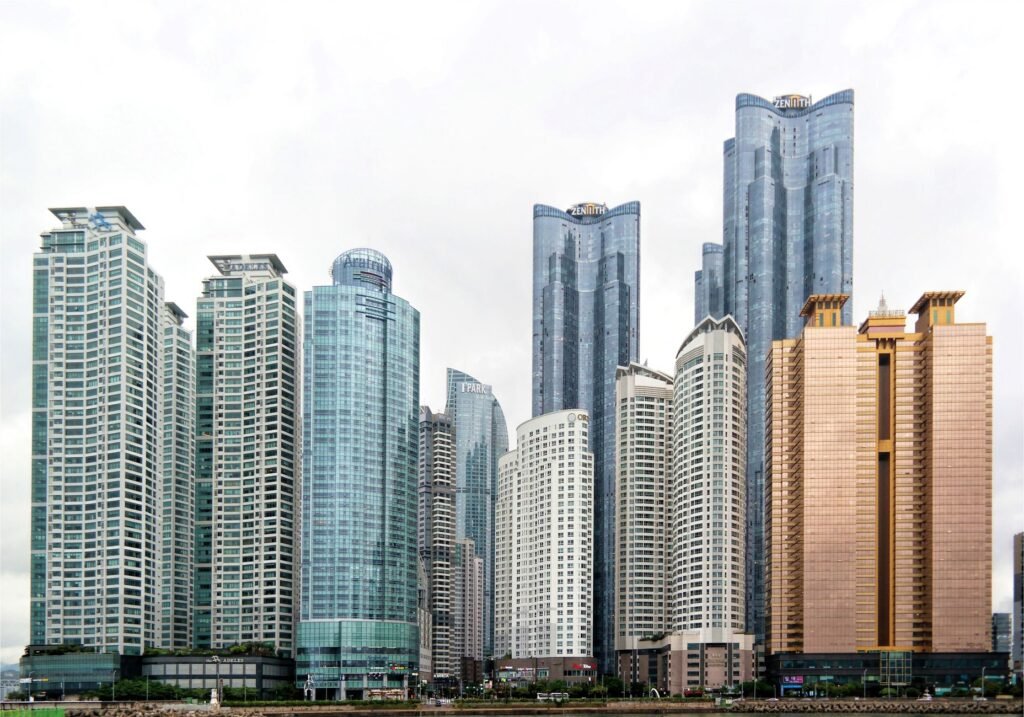
Modernist Marvels: Innovations in Contemporary Architecture
Dubai, UAE: A City of Superlatives
Dubai stands at the forefront of modern architecture with its skyline dominated by innovative structures. The Burj Khalifa, currently the tallest building in the world, exemplifies the heights of modern engineering with its sleek design and advanced construction techniques. Visitors can ascend to the observation deck for breathtaking views of the city and beyond.
The city is also home to the Burj Al Arab, often dubbed the most luxurious hotel globally, with its distinct sail-like silhouette. Other architectural highlights include the Museum of the Future, a stunning structure that embodies cutting-edge design and sustainable practices, and the Dubai Frame, which uniquely frames the city’s past and present.
- Burj Khalifa
- Burj Al Arab
- Museum of the Future
- Dubai Frame
- Dubai Marina
Santiago, Chile: A Hub of Modern Architecture
Santiago has emerged as a significant player in contemporary architecture, blending innovative designs with the natural landscape. The Gran Torre Santiago, the tallest building in Latin America, stands as a symbol of the city’s modern aspirations. Its observation deck offers panoramic views of the Andes Mountains and the urban sprawl below.
The city also features a variety of buildings that showcase unique architectural styles. The Centro Cultural Palacio de La Moneda, designed by architects Emilio Duhart and Cristián Undurraga, blends modern aesthetics with cultural significance. Additionally, the Museum of Memory and Human Rights stands as a poignant reminder of Chile’s history, with its striking design emphasizing transparency and reflection.
- Gran Torre Santiago
- Centro Cultural Palacio de La Moneda
- Museum of Memory and Human Rights
- Casa Costanera
- Hotel Cumbres Lastarria
Eclectic Styles: A Fusion of Cultures and Designs
Mumbai, India: A Melting Pot of Architectural Styles
Mumbai is a vibrant city where diverse architectural styles coexist, reflecting the city’s rich history and cultural influences. The Gateway of India, an iconic monument built in the Indo-Saracenic style, welcomes visitors to the city’s bustling harbor. Nearby, the Chhatrapati Shivaji Maharaj Terminus, a UNESCO World Heritage Site, showcases Victorian Gothic architecture fused with Indian elements.
The city is also home to the stunning Taj Mahal Palace, which combines Moorish, Oriental, and European architectural styles, symbolizing the opulence of colonial-era India. As one explores the neighborhoods of Bandra and Colaba, they will encounter a mix of Art Deco buildings and charming bungalows, showcasing the eclectic architectural heritage of Mumbai.
- Gateway of India
- Chhatrapati Shivaji Maharaj Terminus
- Taj Mahal Palace
- Art Deco Buildings in Marine Drive
- Bandra Bungalows
Cape Town, South Africa: A Unique Architectural Tapestry
Cape Town is renowned for its stunning landscapes and diverse architectural styles, influenced by its colonial past and rich cultural heritage. The colorful Bo-Kaap neighborhood, with its bright houses and cobbled streets, reflects the city’s Islamic heritage and is a must-visit for architecture lovers. The architectural style here is characterized by Cape Dutch influences, with gables and thatched roofs.
The city’s iconic Table Mountain serves as a backdrop to the Victoria & Alfred Waterfront, where modern structures blend seamlessly with historic buildings. The District Six Museum, housed in a restored church, tells the story of the community displaced during apartheid, showcasing the significance of architecture in social narratives.
- Bo-Kaap Neighborhood
- Victoria & Alfred Waterfront
- District Six Museum
- Castle of Good Hope
- Cape Town City Hall
Frequently Asked Questions
What are the best cities for architecture lovers?
The best cities for architecture lovers include Barcelona, Paris, Tokyo, Chicago, Florence, and Istanbul, each offering unique architectural styles and significant historical landmarks.
When is the best time to visit these cities?
The best time to visit varies by city but generally falls in spring or fall when the weather is pleasant, and crowds are manageable. Check local calendars for specific events that might enhance your visit.
Do I need a guide to explore architectural sites?
While many architectural sites can be explored independently, hiring a local guide can provide valuable insights and historical context, enriching your experience.
How can I learn more about the architecture in these cities?
Consider taking guided tours, visiting museums, or reading local architecture books to deepen your understanding of the styles and historical significance of the buildings you encounter.
The Bottom Line
Exploring the top cities for architecture lovers offers a unique opportunity to witness the evolution of design and cultural expression around the world. From the avant-garde structures of Tokyo to the historic beauty of Florence, each city provides a rich tapestry of architectural styles that reflect its history and identity. As you plan your journey, remember to take your time, soak in the details, and appreciate the artistry that shapes these urban landscapes.