Key Takeaways
- Explore breathtaking national parks like Plitvice Lakes.
- Visit historic cities such as Dubrovnik and Split.
- Enjoy the vibrant nightlife in Hvar.
- Indulge in local cuisine and wine at various regions.
Croatia is a stunning destination that boasts a mix of natural beauty, rich history, and vibrant culture. From its picturesque coastline along the Adriatic Sea to its charming medieval towns, there is no shortage of activities and sights to explore. This guide will delve into the top things to do in Croatia, ensuring you have an unforgettable experience.
With a diverse range of attractions, Croatia caters to every type of traveler. Whether you are an adventure seeker looking to hike in national parks, a history buff eager to explore ancient ruins, or someone who just wants to relax on beautiful beaches, Croatia has it all. The following sections will provide practical insights and tips to help you maximize your visit to this enchanting country.
Before embarking on your Croatian adventure, it’s helpful to know the best times to visit, local customs, and the unique flavors of Croatian cuisine that await you. Let’s explore the top things to do in Croatia!
1. Discover the Ancient City of Dubrovnik
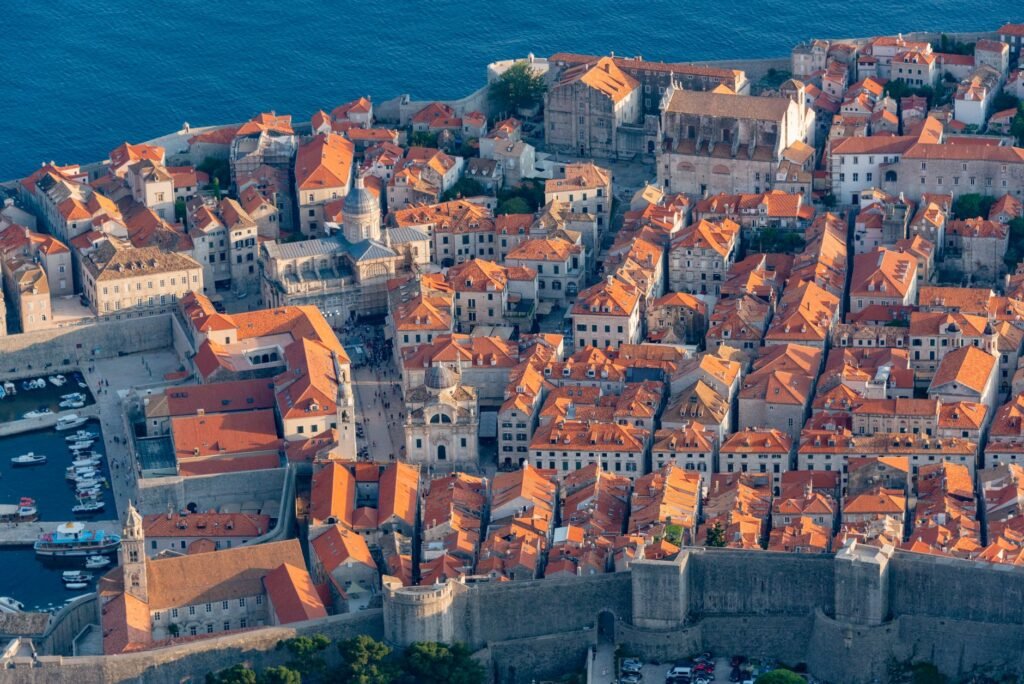
Dubrovnik, known as the “Pearl of the Adriatic,” is a UNESCO World Heritage Site and one of Croatia’s most iconic cities. Its well-preserved medieval architecture, stunning city walls, and vibrant cultural scene make it a must-visit destination.
Start your exploration at the Old Town, where you can stroll along the Stradun, the main street lined with shops, cafes, and historical landmarks. Don’t miss the opportunity to walk along the city walls for panoramic views of the city and the sea. The walls stretch about 2 kilometers and provide insight into the city’s defensive history.
For a taste of local culture, visit the Rector’s Palace, which showcases the city’s rich history, and the Franciscan Monastery, home to one of the oldest pharmacies in Europe. Be sure to take some time to enjoy fresh seafood at a local restaurant, as Dubrovnik offers a delightful culinary experience.
2. Experience the Natural Wonders of Plitvice Lakes National Park
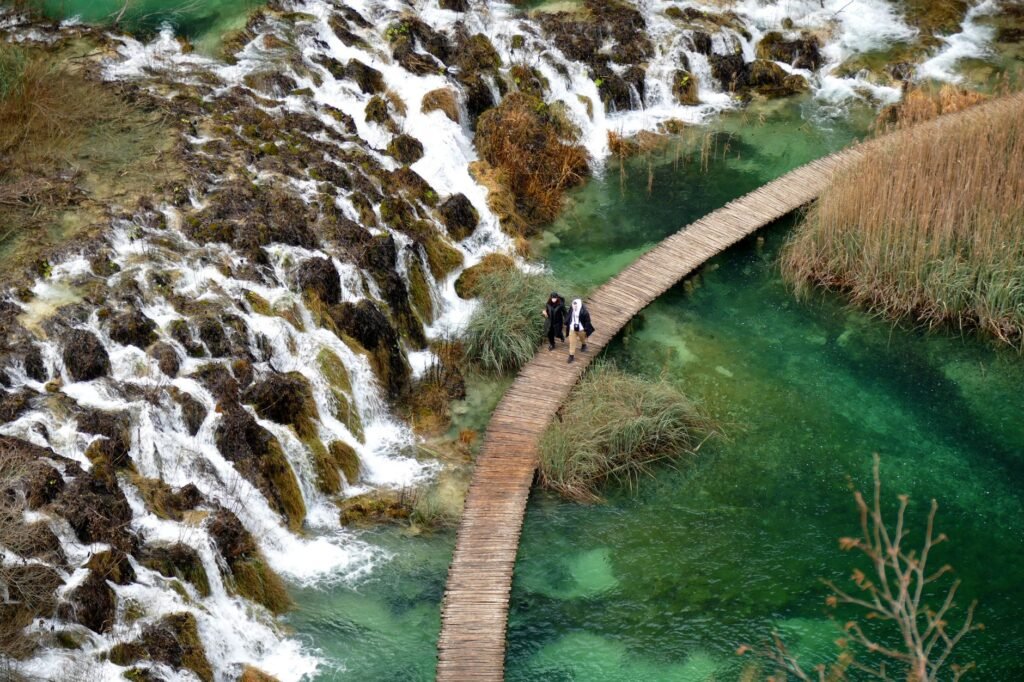
Plitvice Lakes National Park is one of Croatia’s most famous natural attractions, featuring a series of cascading lakes and waterfalls surrounded by lush forests. The park is divided into Upper and Lower Lakes, each offering stunning views and well-marked trails.
Visitors can explore the park on foot via wooden walkways, allowing for close-up views of the turquoise waters and vibrant flora. The park is home to diverse wildlife, including deer, bears, and various bird species, making it a haven for nature enthusiasts.
Plan your visit during the shoulder seasons of spring or fall for fewer crowds and pleasant weather. Remember to wear comfortable shoes, as the terrain can be uneven. A full day is recommended to fully appreciate the park’s beauty.

3. Explore the Historic Town of Split
Split, the second-largest city in Croatia, is known for its rich Roman heritage, particularly the Diocletian’s Palace, a UNESCO World Heritage Site. This ancient palace, built in the 4th century, is now integrated into the city and serves as a vibrant hub for locals and tourists alike.
Wander through the palace’s narrow streets, where you’ll find shops, cafes, and historic buildings. Don’t forget to visit the Cathedral of Saint Domnius, which offers a climb to the bell tower for sweeping views of the city and the surrounding coastline.
In addition to its historical significance, Split also boasts beautiful beaches, such as Bačvice, where you can relax or enjoy water activities. The city’s nightlife is lively, with numerous bars and clubs, making it a great spot for evening entertainment.
4. Relax on the Islands of Hvar and Korčula
Croatia’s islands are known for their stunning beaches and vibrant nightlife. Hvar is particularly famous for its lively atmosphere, beautiful beaches, and lavender fields. The town of Hvar is a popular destination for both relaxation and nightlife, with numerous bars and clubs that come alive after sunset.
For a more tranquil experience, head to Korčula Island, which is known for its lush greenery and historic towns. The town of Korčula is often referred to as the birthplace of Marco Polo. Visitors can explore its charming streets, visit the Marco Polo Museum, and enjoy local wine tasting.
Both islands are accessible by ferry from the mainland, making them easy to include in your itinerary. Consider spending at least a couple of days on each to fully appreciate their unique offerings.
5. Taste Traditional Croatian Cuisine
Croatian cuisine is a delightful blend of Mediterranean and Central European influences, with an emphasis on fresh ingredients and local specialties. Each region boasts its own culinary traditions, making it a gastronomic adventure for travelers.
In the coastal regions, fresh seafood is a staple. Dishes such as grilled fish, octopus salad, and black risotto are must-tries. Inland, you’ll find hearty meals featuring meats, stews, and homemade pasta. Truffles, particularly in Istria, are a sought-after delicacy that food lovers should seek out.
Pair your meal with local wines, such as Plavac Mali or Malvazija, which are renowned for their quality. Many restaurants offer wine tastings, so take the opportunity to sample various varieties and expand your palate.
6. Enjoy Outdoor Activities in the Dalmatian Coast
The Dalmatian Coast is a paradise for outdoor enthusiasts, offering a wide range of activities from hiking to water sports. The region’s stunning landscapes, with its rugged coastline and crystal-clear waters, provide the perfect backdrop for adventure.
Kayaking is a popular activity, especially around the islands of Hvar and Brač. Paddling through hidden coves and exploring sea caves is an unforgettable experience. Alternatively, consider joining a sailing tour to discover remote beaches and picturesque islands.
For hikers, the Biokovo Mountain offers challenging trails and breathtaking views of the Adriatic Sea. The Skywalk Biokovo, a glass bridge that extends over the cliffside, provides a thrilling vantage point for those seeking a unique perspective.
7. Discover the Culture of Istria
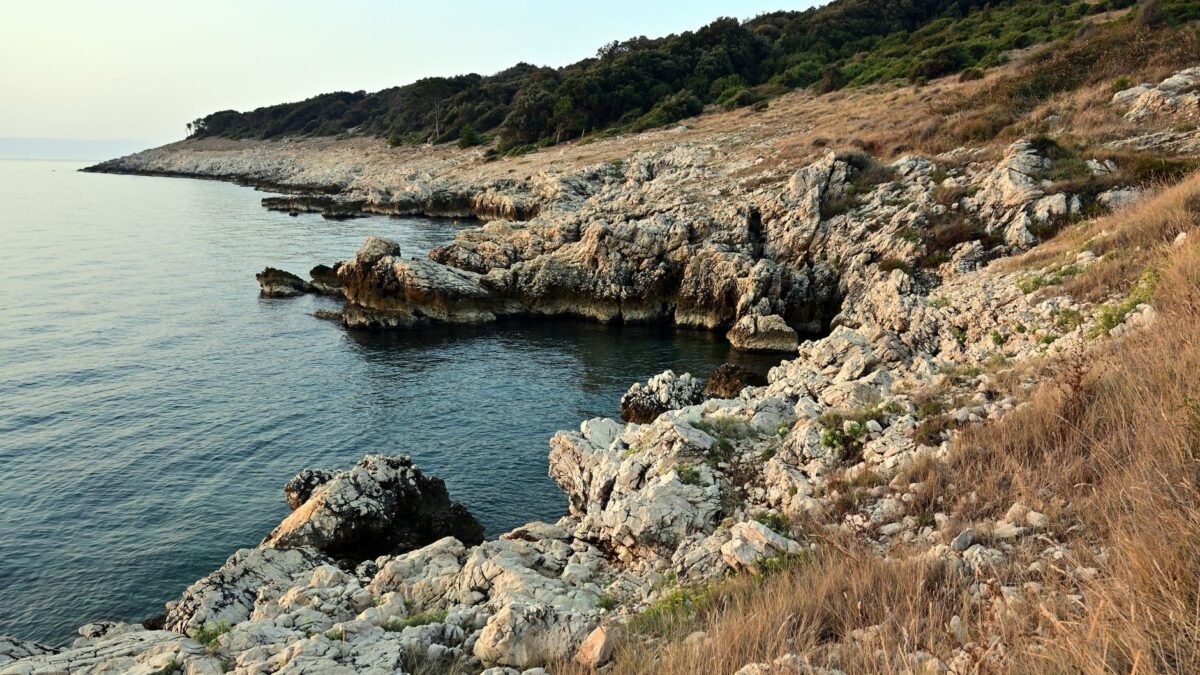
Istria, located in the northwest of Croatia, is known for its charming hilltop towns, olive groves, and vineyards. The region offers a unique blend of Italian and Croatian cultures, reflected in its architecture, cuisine, and festivals.
Visit the town of Rovinj, famous for its picturesque harbor and cobblestone streets. The Church of St. Euphemia offers stunning views from its tower. Pula, known for its Roman amphitheater, is another must-visit destination that showcases the region’s historical significance.
Don’t miss the opportunity to taste Istrian olive oil and truffles. The region hosts various food festivals throughout the year, celebrating local produce and culinary traditions. Participating in these events can provide deeper insights into Istrian culture.
8. Explore the Historical Sites of Zadar
Zadar is a city steeped in history, with a blend of Roman and Venetian influences evident throughout its architecture. One of the most famous attractions is the Sea Organ, an architectural marvel that uses the movement of the sea to create music. It’s a unique experience that should not be missed.
Another highlight is the Greeting to the Sun installation, which creates a stunning light display at sunset. The combination of these two installations makes for a memorable evening by the waterfront.
Additionally, explore the ancient Roman Forum and the impressive St. Donatus Church, which is a symbol of Zadar. The city’s rich history and vibrant cultural scene make it a worthwhile stop on your Croatian journey.
Unwind at Croatia’s Beautiful National Parks
Kornati National Park
Kornati National Park is an archipelago made up of about 89 islands, islets, and reefs. This unique park, often referred to as a sailor’s paradise, offers breathtaking views and diverse marine life. Visitors can explore the crystal-clear waters through kayaking or sailing, allowing for an intimate encounter with the natural surroundings. The park is also a hotspot for diving, with numerous dive sites featuring underwater caves and vibrant coral reefs.
- Activities: Kayaking, sailing, diving
- Best Time to Visit: Late spring to early fall for optimal weather
- Access: Accessible by boat from nearby coastal towns
The stark beauty of the Kornati islands, characterized by steep cliffs and barren landscapes, makes it a serene escape for nature lovers. A guided boat tour can enhance the experience, providing insights into the islands’ history and ecology, ensuring a comprehensive understanding of this magnificent national park.
Brijuni National Park
Located off the west coast of Istria, Brijuni National Park is comprised of 14 islands and is rich in history and biodiversity. The area was once a favorite retreat of former Yugoslav President Tito, and remnants of his luxurious estate can still be explored today. Visitors will find a mix of archaeological sites, including Roman ruins and early Christian churches, alongside lush Mediterranean vegetation and exotic wildlife.
- Activities: Biking, walking tours, safari tours
- Highlights: Tito’s Museum, archaeological sites
- Access: Ferries from Fažana
Exploring Brijuni offers a unique blend of relaxation and educational opportunities. The park is also home to a safari park, where guests can see animals from various continents, making it an ideal destination for families. Guided tours can provide rich narratives about the islands’ past and their ecological significance.
Experience Croatia’s Vibrant Festivals and Events
Dubrovnik Summer Festival
The Dubrovnik Summer Festival is one of Croatia’s most prestigious cultural events, running from mid-July to late August. This festival features a diverse array of performances, including drama, music, and dance, set against the backdrop of the city’s stunning historical architecture. Artists from around the globe come to showcase their talents, making it a hub for cultural exchange and creativity.
- Performances: Classical music concerts, theater performances, dance shows
- Venues: Open-air stages, historic locations
- Tickets: Available online or at the festival entrance
Attending the Dubrovnik Summer Festival allows visitors to immerse themselves in the local culture while enjoying world-class performances. The atmosphere of the city during the festival is electric, and it’s a fantastic opportunity to mingle with both locals and international visitors.
Sinjska Alka
Sinjska Alka is a unique knights’ tournament held annually in the town of Sinj, commemorating the victory over the Ottoman Empire in 1715. This event, which takes place in the first weekend of August, showcases riders in traditional armor competing in a lance-throwing competition. The tournament has been recognized by UNESCO for its cultural significance and is a vibrant display of Croatian history and tradition.
- Activities: Knightly tournament, parades, folk music performances
- Best Time to Visit: First weekend of August
- Location: Sinj, Central Dalmatia
Visitors to Sinjska Alka can enjoy not only the thrilling competition but also a range of accompanying festivities, including traditional music and dance. It’s an excellent opportunity to delve into the local customs and experience Croatia’s rich heritage firsthand.
Discover Croatia’s Unique Architectural Heritage
Rijeka’s Modern Architecture
Rijeka, Croatia’s third-largest city, is home to a fascinating mix of architectural styles that reflect its rich history. The city is known for its modernist buildings, such as the famous Trsat Castle and the stunning City Tower, which showcase the influences of various periods. Walking through Rijeka, visitors can appreciate the harmonious blend of old and new, with structures that tell the story of the city’s evolution.
- Must-See Structures: Trsat Castle, City Tower, The Croatian National Theatre
- Architectural Styles: Baroque, Modernist, Art Nouveau
- Best Exploration Method: Guided walking tours
Rijeka’s architecture is not only visually stunning but also culturally significant, reflecting the city’s diverse influences throughout history. A guided walking tour can provide deeper insights into the stories behind these architectural gems, making it an enriching experience for architecture enthusiasts.
Osijek’s Baroque and Secessionist Architecture
Osijek, located in eastern Croatia, is characterized by its striking Baroque and Secessionist architecture, with beautifully preserved buildings lining its streets. The city’s main square, Trg Ante Starčevića, is surrounded by impressive structures, including the Church of St. Peter and Paul and the Osijek Fortress. Visiting Osijek allows travelers to explore a city that blends history with vibrant urban life.
- Key Attractions: Church of St. Peter and Paul, Tvrđa Fortress
- Architectural Highlights: Baroque facades, Secessionist details
- Exploration Tips: Consider a guided tour to learn about the city’s history
Osijek’s architecture is a testament to the city’s rich cultural heritage. The blend of styles offers a unique perspective on the historical influences that have shaped the region, making it a must-visit for those interested in architecture and history.
Frequently Asked Questions
What is the best time to visit Croatia?
The best time to visit Croatia is during the shoulder seasons of spring (April to June) and fall (September to October). These months offer pleasant weather and fewer crowds compared to the peak summer season.
Is Croatia safe for travelers?
Yes, Croatia is considered safe for travelers. However, as with any destination, it’s advisable to stay aware of your surroundings and take standard safety precautions, especially in crowded areas.
Do I need a visa to visit Croatia?
Visa requirements for Croatia depend on your nationality. Citizens of the EU, USA, Canada, and several other countries can enter Croatia without a visa for short stays. Always check the latest requirements before traveling.
What currency is used in Croatia?
The official currency of Croatia is the Euro (EUR). Credit cards are widely accepted, but it’s a good idea to carry some cash for smaller establishments.
The Bottom Line
Croatia is a diverse and captivating country that offers a wide range of activities for every type of traveler. From the majestic beauty of national parks to the rich history of its cities, there is something for everyone. By planning your itinerary around these top attractions, you will create lasting memories and fully appreciate all that Croatia has to offer.
Always check local travel advisories and regulations before your visit to ensure a smooth experience.[/m4p_tip>