Key Takeaways
- Discover stunning architecture and rich history.
- Enjoy relaxing baths and wellness experiences.
- Experience vibrant nightlife and local cuisine.
- Explore unique neighborhoods and cultural treasures.
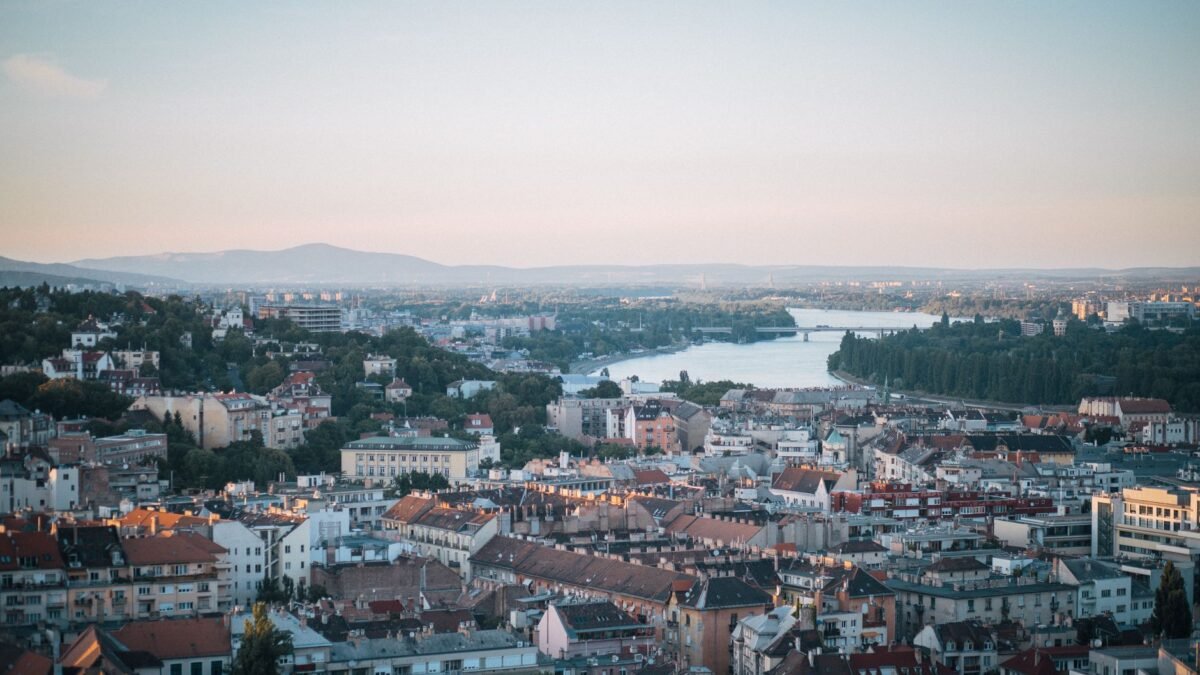
Budapest, the capital of Hungary, is a vibrant city that boasts a rich history, stunning architecture, and a lively cultural scene. Whether you are wandering through historic neighborhoods, soaking in thermal baths, or enjoying the local cuisine, there are countless experiences waiting for you. In this article, we’ll explore the top things to do in Budapest, ensuring you make the most of your visit.
From the majestic Buda Castle to the bustling Great Market Hall, Budapest offers travelers a delightful mix of attractions. The city is divided by the Danube River into Buda and Pest, each offering unique sights and experiences. As you plan your journey, consider the various activities, sights, and culinary delights that this enchanting city has to offer.
Whether you are a history buff, a foodie, or someone looking to soak in the local nightlife, Budapest has something for everyone. Let’s dive into the top things to do in Budapest to help you create an unforgettable itinerary.
1. Explore Buda Castle
Buda Castle, a UNESCO World Heritage Site, is one of the most iconic landmarks in Budapest. Perched atop Castle Hill, this historic palace complex was originally built in the 13th century and has served as the royal residence for centuries. The castle offers stunning panoramic views of the city and the Danube River, making it a must-visit spot.
Visiting the Castle
As you explore Buda Castle, you can visit several important institutions, including:
- The Hungarian National Gallery: Home to an extensive collection of Hungarian art from the Middle Ages to the present.
- The Budapest History Museum: This museum showcases the city’s rich history, including artifacts from the Roman era.
- The National Szechenyi Library: A beautiful library that houses a vast collection of books and manuscripts.
Walking around the castle grounds, you’ll find charming courtyards, statues, and gardens that invite exploration. To get there, you can take the funicular from the Chain Bridge, offering a scenic ascent to the castle.
2. Relax at the Thermal Baths
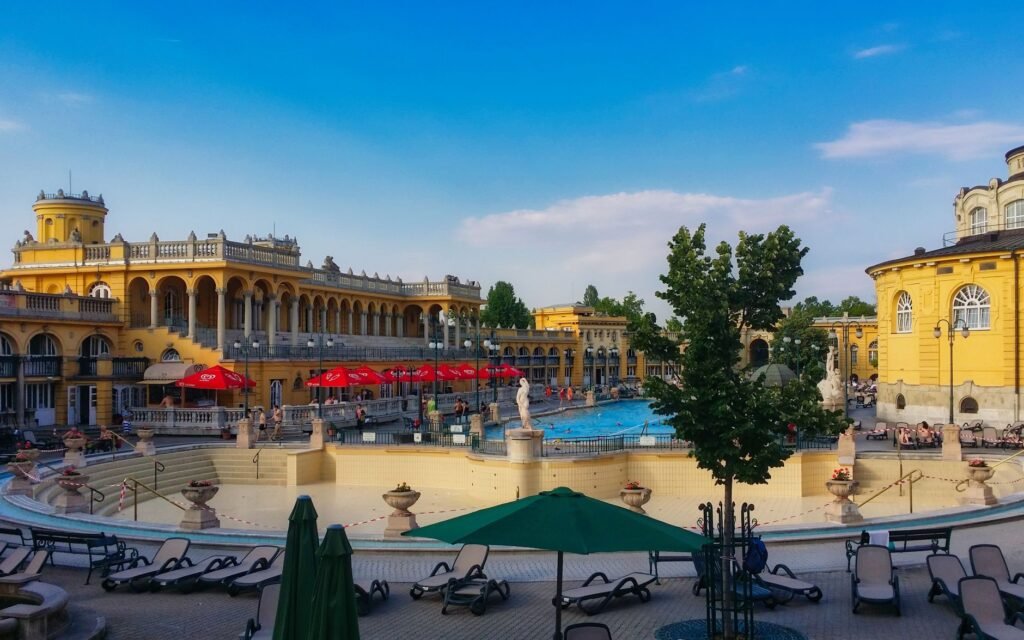
Budapest is famous for its thermal baths, owing to its location on a geothermal hot spring. The city boasts dozens of baths, each with its unique atmosphere and offerings. Spending a day in these baths is a quintessential Budapest experience, providing relaxation and a glimpse into local wellness traditions.
Top Thermal Baths to Visit
Here are some of the most popular thermal baths in Budapest:
- Széchenyi Thermal Bath: One of the largest medicinal baths in Europe, featuring outdoor and indoor pools, saunas, and steam rooms.
- Gellért Thermal Bath: Known for its stunning Art Nouveau architecture and outdoor wave pool, this bath is a luxurious retreat.
- Király Thermal Bath: A historic bath dating back to the Ottoman era, offering a more intimate and traditional atmosphere.
Visiting these baths can be a social experience as well. Locals and tourists alike come to relax, socialize, and rejuvenate. It’s advisable to bring your own towel or rent one at the facility.
3. Stroll Along the Danube River
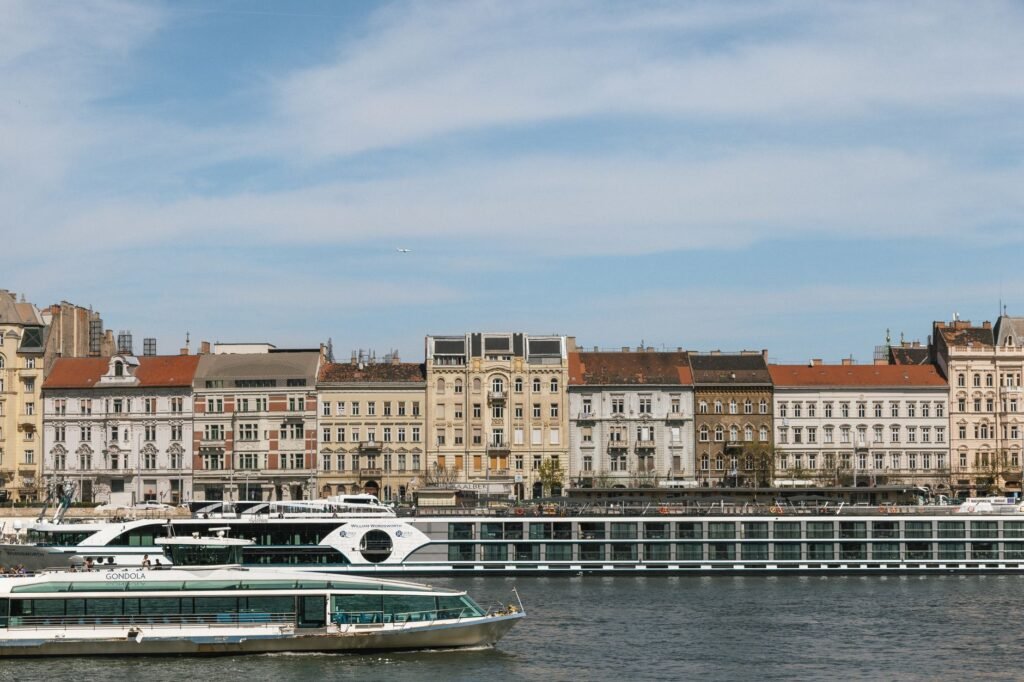
The Danube River is the lifeblood of Budapest, offering breathtaking views and lovely walking paths along its banks. A stroll along the river provides a unique perspective of iconic landmarks and the picturesque cityscape.
Key Sights Along the River
As you walk along the Danube, you’ll encounter:
- The Hungarian Parliament Building: A stunning example of Gothic Revival architecture, the Parliament Building is especially beautiful when illuminated at night.
- The Shoes on the Danube Bank: This poignant memorial honors the victims of the Holocaust, featuring iron shoes along the riverbank.
- Margaret Island: A serene escape from the city, this island features parks, gardens, and recreational facilities.
Consider taking a river cruise to see the city from a different angle. Various options cater to different budgets, from sightseeing cruises to dinner cruises with live music.
4. Visit the Great Market Hall
The Great Market Hall, or Nagyvásárcsarnok, is Budapest’s largest and oldest indoor market. It is a fantastic place to experience the local culture and sample traditional Hungarian cuisine. The market is housed in a beautiful building with a distinctive Zsolnay-tiled roof.
What to Find at the Market
Inside the Great Market Hall, you will find:
- Fresh Produce: A wide variety of fruits and vegetables, many sourced from local farms.
- Hungarian Specialties: Look for paprika, salami, and Tokaji wine, all delicious souvenirs to take home.
- Street Food Stalls: Try traditional dishes such as langos (fried dough) and chimney cake, which are popular among locals and tourists alike.
The market is busiest in the mornings, so visit early for the best selection. It can also be an excellent opportunity to interact with local vendors and learn more about Hungarian food culture.
5. Discover the Ruin Bars
Budapest’s ruin bars are a unique phenomenon, combining nightlife with art and culture. These bars, often located in abandoned buildings or courtyards, feature eclectic decor and a lively atmosphere. They are a must-visit for anyone looking to experience Budapest’s vibrant nightlife.
Popular Ruin Bars
Some of the most famous ruin bars include:
- Szimpla Kert: The original ruin bar, known for its quirky decor and a variety of events, from live music to film screenings.
- Instant: A massive venue with multiple rooms, each offering a different ambiance and music style, perfect for dancing the night away.
- Fogasház: A relaxed spot with an artsy vibe, often hosting exhibitions and open mic nights.
These bars typically offer a range of affordable drinks and snacks, making them popular among both locals and visitors. Arriving early in the evening is advisable, as they can get crowded later at night.
6. Explore the Jewish Quarter
The Jewish Quarter of Budapest is rich in history and culture, reflecting the city’s diverse past. It is home to several important sites, including synagogues, museums, and memorials, making it a poignant area to explore.
Key Sites to Visit
When visiting the Jewish Quarter, be sure to check out:
- Dohány Street Synagogue: The largest synagogue in Europe, known for its stunning Moorish Revival architecture.
- The Jewish Museum: This museum provides insights into the history and culture of Jews in Hungary.
- Raoul Wallenberg Memorial Park: A serene park dedicated to the Swedish diplomat who saved thousands of Jews during World War II.
The neighborhood is also home to trendy cafes, restaurants, and shops, making it a great place to enjoy a meal or a cup of coffee after visiting the historical sites.
7. Experience the Local Cuisine
Hungarian cuisine is a delightful blend of flavors and traditions, heavily influenced by its history and neighboring countries. Tasting local dishes is an essential part of any visit to Budapest.
Must-Try Dishes
Here are some traditional Hungarian dishes you should consider trying:
- Gulyás (Goulash): A hearty soup made with beef, potatoes, vegetables, and seasoned with paprika.
- Pörkölt: A meat stew, usually made with beef or pork, served with dumplings or bread.
- Lángos: Deep-fried flatbread typically topped with sour cream and cheese or garlic.
Budapest is also known for its wine, particularly Tokaji and Egri Bikavér. Many restaurants offer wine pairings with meals, enhancing the dining experience.
8. Take a Day Trip to Gödöllő Palace
If you have extra time in Budapest, consider taking a day trip to Gödöllő Palace, located about 30 kilometers from the city center. This stunning Baroque palace was a favorite retreat of Empress Elisabeth of Austria, known as Sisi.
What to Expect at Gödöllő Palace
Visitors can explore the palace grounds, which include beautifully landscaped gardens and impressive interiors. Highlights include:
- The Grand Staircase: A magnificent entrance leading to opulent rooms.
- The Audience Hall: Where royal receptions were held, adorned with exquisite decorations.
- The Palace Museum: Offering insights into the life of the Habsburg dynasty and the palace’s history.
To reach Gödöllő Palace, you can take a train from Budapest’s Keleti Station, making it an accessible and enjoyable day trip.
Uncover Budapest’s Art Scene
Contemporary Art Galleries
Budapest’s contemporary art scene is vibrant and diverse, offering a plethora of galleries that showcase both local and international artists. One of the must-visit places is the Kunst Halle, which hosts cutting-edge exhibitions and installations that reflect current trends in the art world. Another notable spot is the Viltin Gallery, known for its focus on emerging Hungarian artists and thought-provoking exhibitions.
For art enthusiasts, a stroll through the Palace District is essential, where you can find various galleries nestled within historic buildings. Many galleries frequently hold openings and events, providing an excellent opportunity to meet artists and learn more about their work. Here’s a brief list of popular contemporary art galleries to explore:
- Kunst Halle
- Viltin Gallery
- Art+Text Budapest
- FISE Gallery
- Modem Center for Modern and Contemporary Arts
Street Art and Murals
Budapest’s streets are a canvas for talented street artists who have transformed the urban landscape into a vibrant gallery. The Jewish Quarter is particularly renowned for its stunning murals, which reflect the city’s history and culture. A guided street art tour can provide insight into the stories behind these artworks and the artists who created them.
Some notable locations to check out include the Gozsdu Courtyard and the Ruin Bars. These areas feature dynamic graffiti and murals that capture the spirit of Budapest. Exploring these streets can be a delightful way to discover hidden gems while enjoying the city’s artistic expression.
Visit the Hungarian National Gallery
The Hungarian National Gallery, located within the Buda Castle complex, is the largest repository of Hungarian fine arts. It features works from the medieval period to the present day, including pieces by famous Hungarian painters such as Mihály Munkácsy and László Paál. The gallery’s stunning neo-Renaissance building enhances the experience, making it a perfect place to appreciate art in a historical context.
Make sure to check the gallery’s schedule for temporary exhibitions, which often showcase interesting themes and artists. The gallery also provides guided tours and educational programs, making it an enriching experience for all visitors.

Engage with Budapest’s History
Walking Tours of Historic Neighborhoods
Embark on a walking tour to discover the rich history of Budapest’s neighborhoods. Guided tours often delve into the tales of the city’s past, from the Roman era through the Ottoman occupation to the Austro-Hungarian Empire. The Castle District and Andrássy Avenue are particularly rich in history and architecture.
Consider joining a themed tour that focuses on specific aspects of Budapest’s history, such as the 1956 Revolution or Jewish history. These tours can provide a deeper understanding of the events that shaped the city. Here are some popular walking tour themes:
- History of the Jewish Quarter
- Communist-era Budapest
- Architectural Wonders of Pest
- The Secrets of Buda Castle
Visit the House of Terror Museum
The House of Terror Museum is a haunting yet essential visit for anyone interested in the darker chapters of Hungary’s history. Located at 60 Andrássy Avenue, this museum commemorates the victims of both the Nazi and Soviet regimes. The building itself served as the headquarters of the secret police during these oppressive periods.
The museum’s exhibitions provide a poignant look at the atrocities committed and the impact on Hungarian society. It is advisable to allocate sufficient time to explore the various exhibits, as they are both informative and emotionally moving.
Explore Historical Thermal Baths
While many visitors know about the famous thermal baths, exploring the lesser-known historical baths in Budapest can be just as rewarding. The Király Baths and Rudas Baths are both steeped in history, offering a glimpse into the Ottoman era. Király Baths, built in the 16th century, features a unique octagonal pool and a serene atmosphere.
Rudas Baths, with its stunning rooftop pool overlooking the Danube, provides a blend of historical charm and modern amenities. Both baths offer traditional thermal experiences and are less crowded compared to the more popular Széchenyi and Gellért baths. Here’s a quick comparison of these historical baths:
- Király Baths – Ottoman architecture, quiet ambiance, mixed bathing on certain days.
- Rudas Baths – Rooftop pool, historical significance, and wellness services.
Experience Budapest’s Nightlife Beyond Ruin Bars
Classy Cocktail Bars
While ruin bars are iconic, Budapest’s cocktail scene is equally vibrant, with numerous upscale bars that offer expertly crafted drinks in chic settings. Places like High Note SkyBar provide stunning views of the city skyline while you sip on unique cocktails prepared by skilled mixologists. The ambiance here is perfect for a romantic evening or a night out with friends.
Another noteworthy spot is Ketty’s Bar, known for its innovative drinks and intimate atmosphere. The bar offers a menu that changes seasonally, ensuring there’s always something new to try. Here’s a list of some of the best cocktail bars to consider:
- High Note SkyBar
- Ketty’s Bar
- Bar Pharma
- The Duchess
- Boutiq Bar
Live Music Venues
Budapest boasts a thriving live music scene that encompasses various genres, from jazz to classical. Venues like Opus Jazz Club are perfect for enjoying live performances in an intimate setting. The club hosts both local and international artists, making it a great spot for music lovers to discover new talent.
For those who prefer classical music, the Hungarian State Opera House offers an enchanting experience with its stunning architecture and world-class performances. Attending a concert here is a memorable way to immerse yourself in Budapest’s cultural heritage.
Open-Air Festivals
During the summer months, Budapest comes alive with numerous open-air festivals that showcase music, art, and local culture. The Sziget Festival, held on Óbuda Island, is one of Europe’s largest music festivals, featuring a diverse lineup of international artists across multiple genres.
Other events, such as the Budapest Wine Festival and Budapest Summer Festival, also provide unique opportunities to engage with the local community while enjoying food, wine, and music. These festivals often include workshops, tastings, and performances, making them a must-visit for anyone in the city during the summer.
Frequently Asked Questions
What is the best time to visit Budapest?
The best time to visit Budapest is during the spring (March to May) and fall (September to October) when the weather is mild, and the tourist crowds are smaller.
Is Budapest expensive for tourists?
Budapest is generally considered budget-friendly compared to other European capitals. You can find affordable accommodations, dining, and attractions, making it a great destination for travelers on a budget.
How can I get around Budapest?
Budapest has an efficient public transport system, including buses, trams, and the metro. A travel pass can be a convenient option for unlimited travel within the city.
Are the thermal baths safe to visit?
Yes, the thermal baths in Budapest are safe for visitors. However, it is advisable to check the health guidelines and your own health conditions before visiting.
The Bottom Line
Budapest is a city full of history, culture, and excitement. From exploring Buda Castle and relaxing in thermal baths to enjoying the vibrant nightlife and delicious cuisine, there is no shortage of things to do. Whether you are a first-time visitor or returning to discover more, the top things to do in Budapest will ensure an unforgettable experience.